
Today is World Storytelling Day. I recently learned about this day’s designation, and it led me to do a little research.
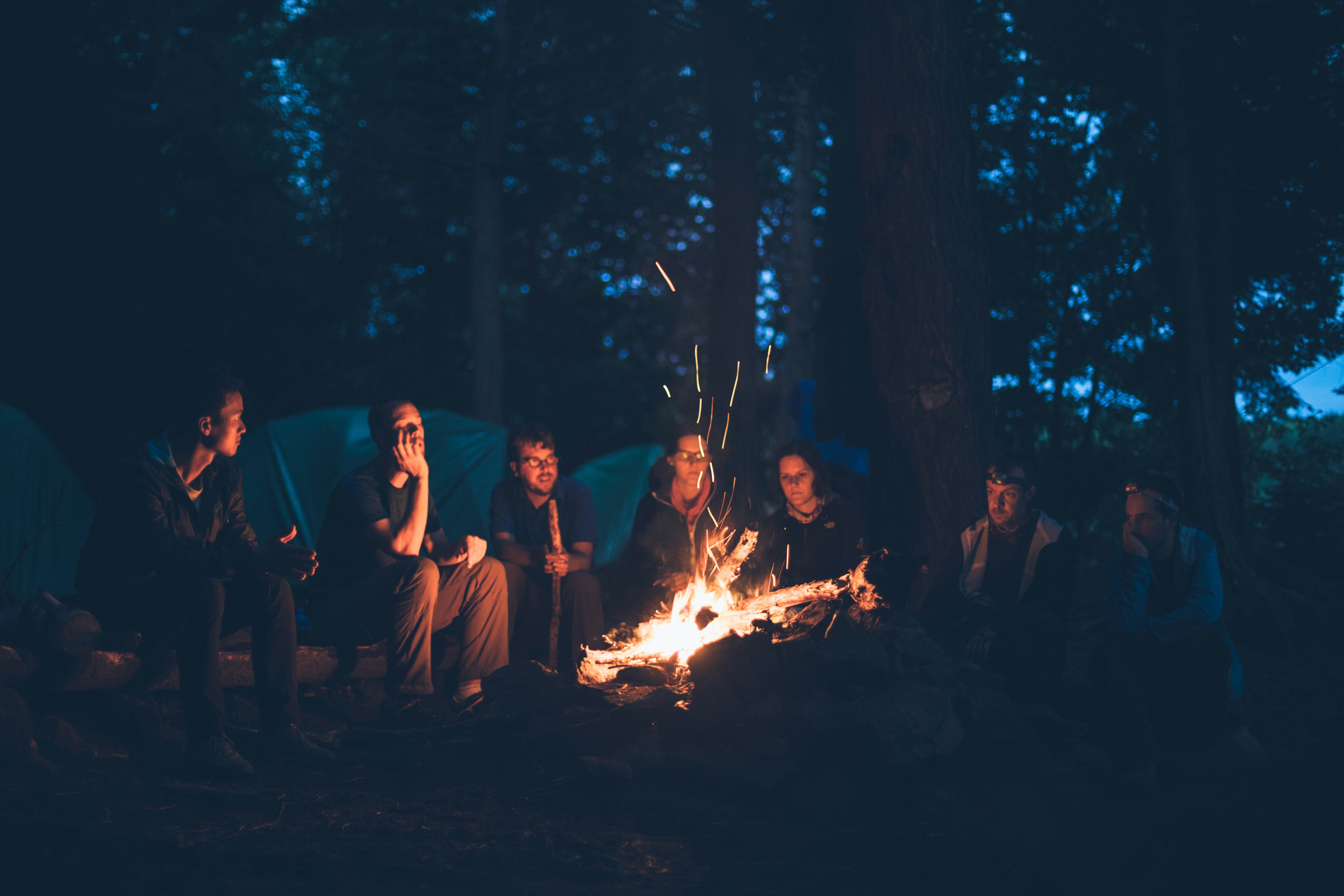
As a fiction writer, one of the hats I wear is storytelling, but I do not qualify or see myself as a storyteller – not in the true storytelling sense of the word.
Storytelling is an art form. It is a skill, and it is a gift. It is not an instrument in my toolbox. I would love to be a good storyteller, but I am not.
If called upon to tell a story, I will stammer, break out in the sweat, and present my audience with a lot of silent time. Unless those are attributes that a storyteller wants to incorporate into their presentation to enhance the experience for their audience, those behaviors have no place in storytelling.
The National Storytelling Network (https://storynet.org/) defines storytelling as follows: “Storytelling is the interactive art of using words and actions to reveal the elements and images of a story while encouraging the listener’s imagination.”
Taking the definition a step further, the National Storytelling Network explains that, “Storytelling involves a two-way interaction between a storyteller and one or more listeners. The responses of the listeners influence the telling of the story. In fact, storytelling emerges from the interaction and cooperative, coordinated efforts of teller and audience.”
See? Storytelling is technically a whole different thing than writing fiction. The fiction writer rarely gets feedback from the audience before publication unless you count the responses given by beta readers.
Even that feedback does not meet the definition of storytelling. Storytelling is in the moment. The feedback is instantaneous and the storyteller feeds off the energy and emotions of the audience.
Storytelling also often involves hand motions and variations in volume and tone. I can use an occasional exclamation point in writing fiction. I can use words to convey such states as happiness, despair, or surprise, but the storyteller has an advantage over me there. They can demonstrate mood and state of mind through facial expression, volume and tone of voice, and body language.
When I think of a good storyteller, I think of someone who holds my attention in their hand. Their storytelling puts me on the edge of my seat and immerses me in another world.
That’s what a fiction writer strives to do, but without the real-time interaction between the writer and the reader, I believe that level of give-and-take is not possible.
The National Storytelling Network’s website lists five components of storytelling: It “…is interactive,” it “uses words” (including sign language), it “uses actions,” it “presents a story,” and it “encourages the active imagination of the listeners.” I invite you to visit the website for more details.
There is a calendar of events on the website, in case you want to look for storyteller performances and storytelling festivals in your area. Incidentally, in case you live in the Fairfax, Virginia area, a four-day Women’s Storytelling Festival began there yesterday.
The Patchwork Storytelling Guild is hosting a storytelling festival on Sunday in Philadelphia.
The Georgia Mountain Storytelling Festival is coming up on April 10-11 in Hiawassee. If you are interested but cannot attend in person, tickets for online listening are available. (Go to http://gamountainstoryfest.org for more information.)
Southern Appalachian Storyteller Donald Davis is appearing in Indianapolis on April 11 at a Talk of the Town fundraiser. There are online livestreaming tickets if you cannot attend in person. (Go to https://storytellingarts.org/event/talk-of-the-town-featuring-donald-davis for details.)
According to https://calendarcute.com, the theme for the 2026 World Storytelling Day is “Light in the Dark.” Storytellers are encouraged to offer stories of “hope, wisdom, and human connection into moments of uncertainty, difficulty, or fear” in connection with this year’s celebration.
“The theme was chosen collaboratively by the global storytelling community…. At the narrative level, it refers to story archetypes that feature illumination – characters or communities who bring clarity, warmth, or guidance to situations of darkness or confusion.”
I did not know where today’s topic would take me, but now I will start looking for a storytelling event in my area!
Janet
The government should be afraid of its citizens, not the other way around.

 Janet's Writing Blog