
As part of my weekly or semi-weekly series of blog posts to highlight topics I wrote about in my two local history books, Harrisburg, Did You Know? Cabarrus History, Book 1 and Harrisburg, Did You Know? Cabarrus History, Book 2, today I will tell you a little about an April 11, 1897 train wreck in Harrisburg, North Carolina.
Although I grew up in Harrisburg in the 1950s and 1960s, I had never heard a word about that head-on collision between the north-bound Southern Railway “fast mail” train No. 36 and the south-bound passenger train No. 11 until I happened upon it while reading old newspapers on microfilm at the public library while doing other research for my local history newspaper column.
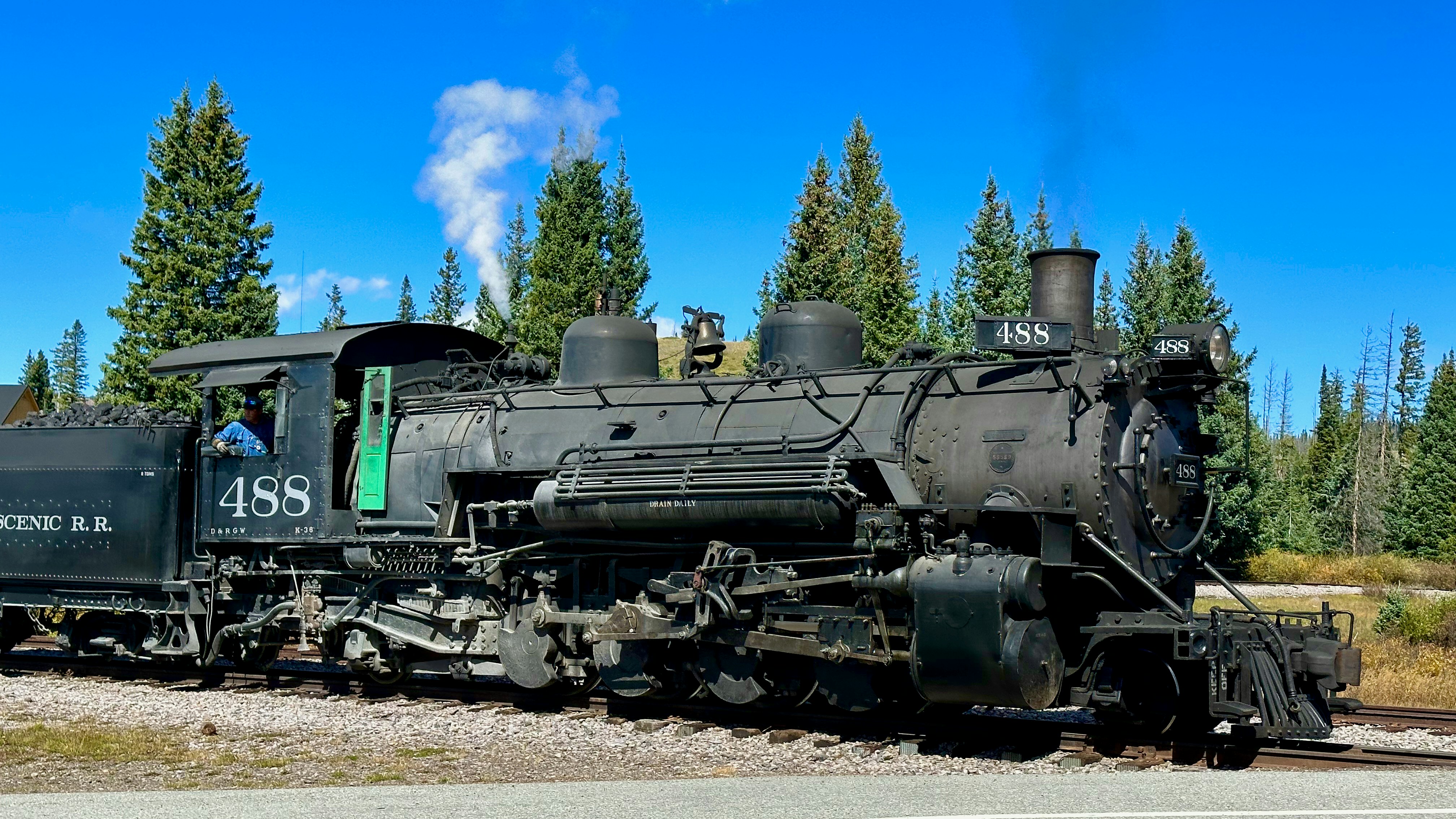
The collision happened on an otherwise quiet Sunday morning in the tiny village that had developed along the North Carolina Railroad after a train depot was established in 1854. Newspaper accounts indicate that some area residents saw what was about to happen but were helpless to do anything.
The crash was heard for miles as the engine of No. 11 ran over the engine of No. 36. The boiler of No. 36 rested on the floor of No. 11, postal car when it was over. An express car of No. 36 left the rails and landed 150 feet from the track. A car hauling fresh produce was torn to pieces. Some train parts were thrown 75 yards.
Miraculously, none of the 96 passengers on No. 36 were injured, and many of them immediately exited the train to lend aid to the injured railroad employees.
Less than three minutes after the crash, No. 11’s postal car burst into flames. Somehow, one of the postal clerks, John Hill Carter, risked his life and extinguished the flames, thereby preventing both trains from catching fire.
The accounts of the agony suffered by the employees who were killed or injured are given in great, gory detail in the newspapers of the day, which was typical of reporting in that era.
Some employees were pinned under the wreckage, while others were badly burned by the steam from the boilers. Passengers formed a bucket brigade to throw cold water on one of the trapped men to help relieve his suffering from the steam.
The Richmond, Virginia, conductor of No. 11 was cut on the face. A porter on No. 11 was pinned in from the knees down.
Those killed in the wreck were from Monroe, Charlotte, Concord, and Thomasville, North Carolina, and Lynchburg, Virginia.
One of the passengers on No. 36 was Charles Bitterman, of New Orleans, Louisiana. He belonged to “The Riverside Wheelman” cyclist club and was on his way to a bicycle race in New York. Cycling clubs were all the rage in America and Europe in the 1890s.
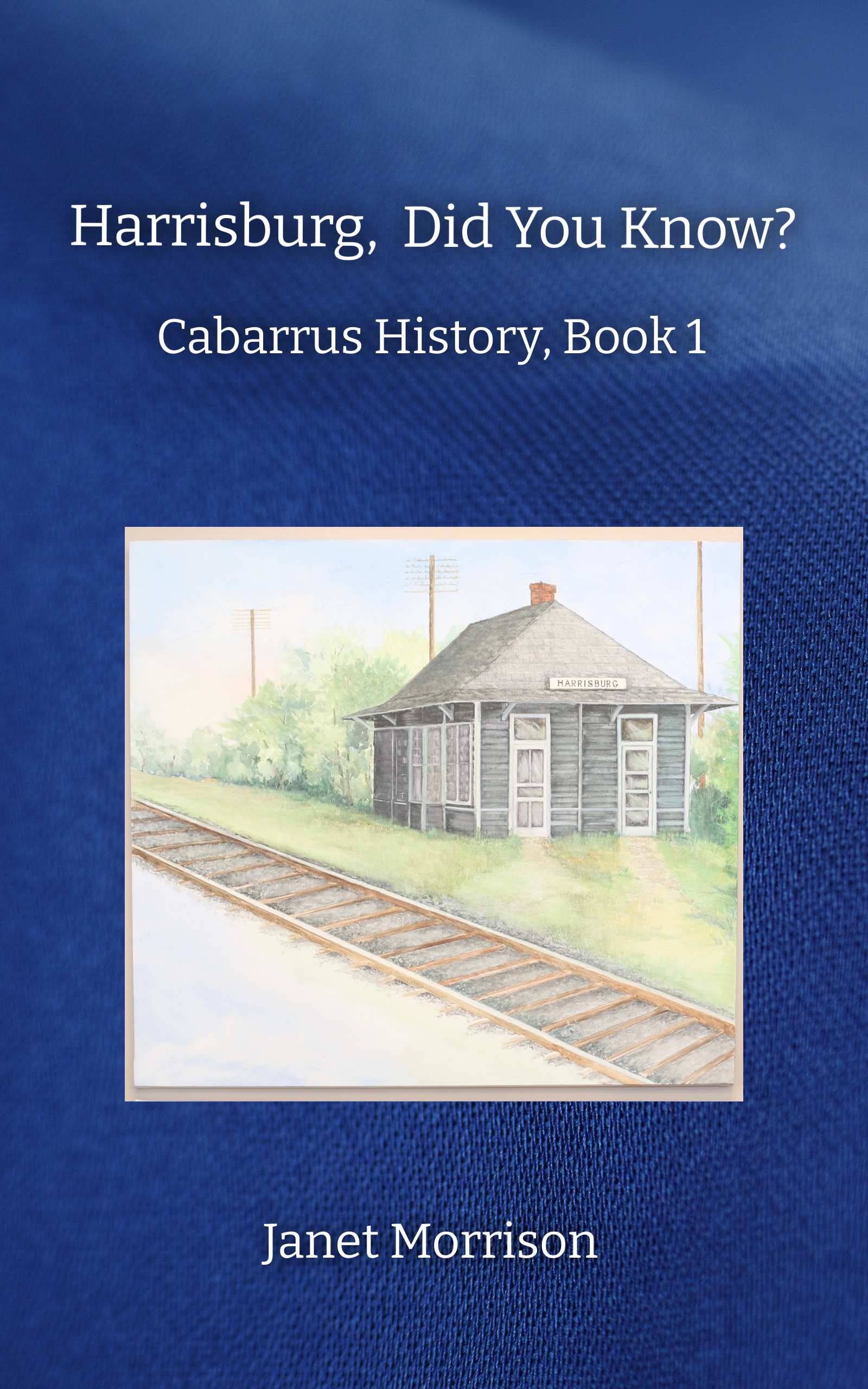
If you want to learn more about the 1897 train wreck, my two local history newspaper columns about it from 2007, are found in Harrisburg, Did You Know? Cabarrus History, Book 1. It is available in paperback and e-book from Amazon and in paperback at Second Look Books in Harrisburg.
by Janet Morrison
Janet
All history is local, but no history is just local.

 Janet's Writing Blog