
I’d planned to blog about flash fiction today but somehow in the big scheme of things, flash fiction doesn’t seem very important at the moment.
There are a number of trends in the United States that trouble me. The one I’m addressing today is book banning.
When you ban books, you are in fact banning democracy. You don’t see it that way, but you are. You are forcing your will on other people.
You do not have the right to tell anyone besides your minor children what they cannot read. Period.
You can try to force your fear of knowledge on your children until they are 18 years old.
I’m not talking about age appropriateness. I’m talking about banning books so they aren’t available to others in a library, classroom, or other place in which people go to find books.
What are you afraid of?
Are you afraid Little Johnny might find out that he’s not the center of the universe just because his skin is white? Are you afraid Little Mary might find out that there are people in the world whose skin color is different from hers?

Are you afraid your teenage child who believes they were born in the wrong-gendered body might find out they are not alone in this world? They already know you have rejected them.
The case in Hanover County, Virginia
Every week I see a headline about another school board voting to ban books. The one I learned about last Thursday is Hanover County, Virginia.
I have visited Hanover County, Virginia. I thought it was beautiful area. In light of what the Hanover County Board of Education did last week, though, the physical beauty I remember about the area is now tarnished. I pity the children of that county, for their right to read is in serious danger has been taken away.
According to reports, the Hanover County, Virginia school board voted 5-2 on June 13, 2023 to adopt a new school library policy. If the reports I’ve read are accurate, the new policy gives board members full discretion over banning books from school libraries, classrooms, school buildings, or school divisions. I’m not sure what a school division is, but apparently it is a place where literature goes to hide.

By majority vote, the Hanover County, Virginia board of education can remove books from the district’s schools without input from ANYONE. That includes you, parents. The parents who pushed the board to this point probably didn’t anticipate that they themselves would be taken out of the equation. My hunch is that they thought they’d have the inside track on future book bannings. That’s the way it usually works with narrow-minded anti-books people.
The Hanover County, Virginia board of education wasn’t satisfied to stop there. By a majority vote, the board can now dictate “any and all materials of its choosing in the library, classroom, school building(s) and or division.”
According to the Hanover Public Schools website, those school board members are not even elected by the citizens! They are appointed by the County Board of Supervisors. Those seven appointed individuals now have complete authority over every book that will be in your child’s school library and classroom in Hanover County.
How’s that working for you now in Hanover County?
Is that what you wanted?
I couldn’t help but notice the motto of Hanover Public Schools is: “Inspire. Empower. Lead.” What a sad joke that appears to be in light of last Tuesday’s book banning decision! Where is the inspiration?
And where on earth is there any empowerment in the Hanover Public School board’s decision? It seems to me the only people who have been empowered are the APPOINTED members of the school board. You didn’t get to elect them, Hanover County citizens… and you can’t vote against them because their names aren’t going to be on the ballot.
And as far as the “lead” part of the motto goes, this is what you call leadership?
On the Great Seal of the Hanover Public Schools it says, “A Tradition of Excellence.” Was your “tradition of excellence” formed by banning books? I doubt it.
During the same meeting the board voted to ban these 19 books. A Court of Mist and Fury, A Court of Silver Flames, All Boys Aren’t Blue, Choke, Flamer, Haunted, Identical, Let’s Talk About It, Looking for Alaska, Lucky, Me and Earl and the Dying Girl, Red Hood, The Bluest Eye, This Book is Gay, Sold, Tilt, Tricks, Water for Elephants, and Infandous.
Perhaps you’ve read some of those books. We read Water for Elephants, by Sara Gruenin the book club at our church. I don’t remember being scarred for life by it. I’ve also read The Bluest Eye, by Toni Morrison.
In The Bluest Eye, an 11-year-old girl of color struggles with society’s idea of beauty: blond hair and blue eyes. She prays for her eyes to turn blue so she will be considered beautiful.
The Bluest Eye was first published in 1970. The story is set in Lorrain, Ohio in 1941. The book has become a lightning rod for book banning. Reading it gave me some things to think about. It helped me to try to see the world through that 11-year-old girl’s brown eyes.
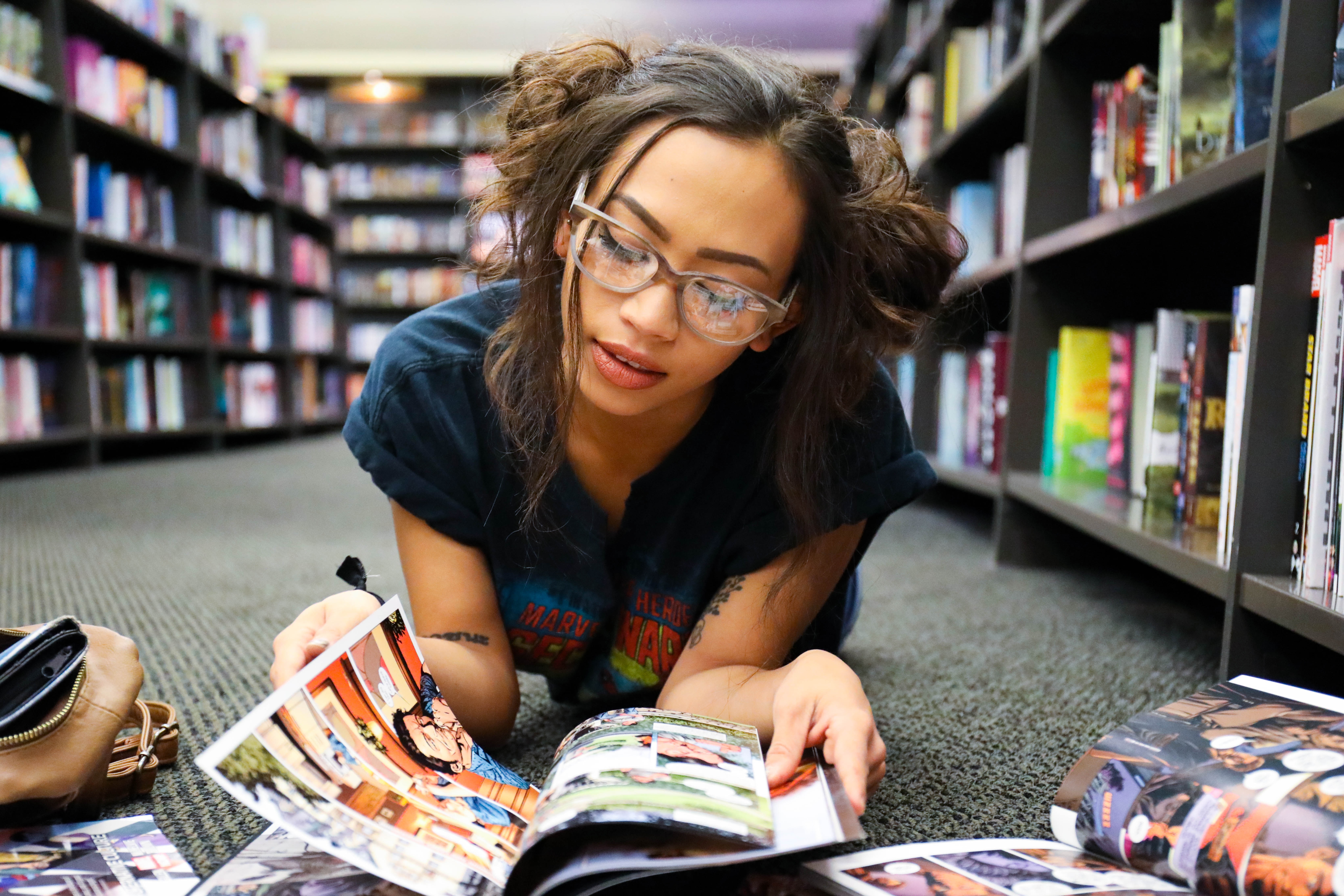
We’ve come a long way in race relations since 1941. We’ve come a long way in race relations since 1970, when I was in high school. There is no societal benefit, though, in going backwards. There is no societal benefit in banning a book that presents a black child’s perspective on a world that doesn’t accept her humanity.
Why would the Hanover County, Virginia school board members be afraid to leave The Bluest Eye on a school library shelf? Fear.
Fear
Fear. It all comes down to fear.
What a horrible way to live a life… afraid. You ban books and you arm yourself to the teeth because you’re afraid. The most ironic and sad thing about it is that most people advocating for the banning of books today in the United States profess to be Christians.
Where in the New Testament does it say that Jesus instructed His followers to hate others?
Where in the New Testament does it say that Jesus instructed His followers to live in fear?
Where in the New Testament does it say that Jesus instructed His followers to squelch knowledge?
If you think Jesus would spend His time and energy today banning books and persecuting people whose skin differed from his or who were struggling every day to try to figure out why something about their birth-assigned gender just doesn’t feel right, then you and I aren’t worshipping the same Jesus.
If you think Jesus loves you because you vote Republican and hates you because you vote Democrat, then you and I aren’t worshipping the same Jesus.
I don’t usually preach on my blog, but…
Jesus Christ encourages His followers to love one another… and I don’t think he meant for us ONLY to love the people we agree with. We don’t have to love the language other people use or the evil things they do, but Jesus urges us to love them because we are all creations of God.
One of the first songs I learned as a child, probably right after “Jesus Loves Me,” was “Jesus Loves the Little Children.” It goes something like this: Jesus loves the little children, all the children of the world: red and yellow, black and white, they are precious in his sight. Jesus loves the little children of the world.
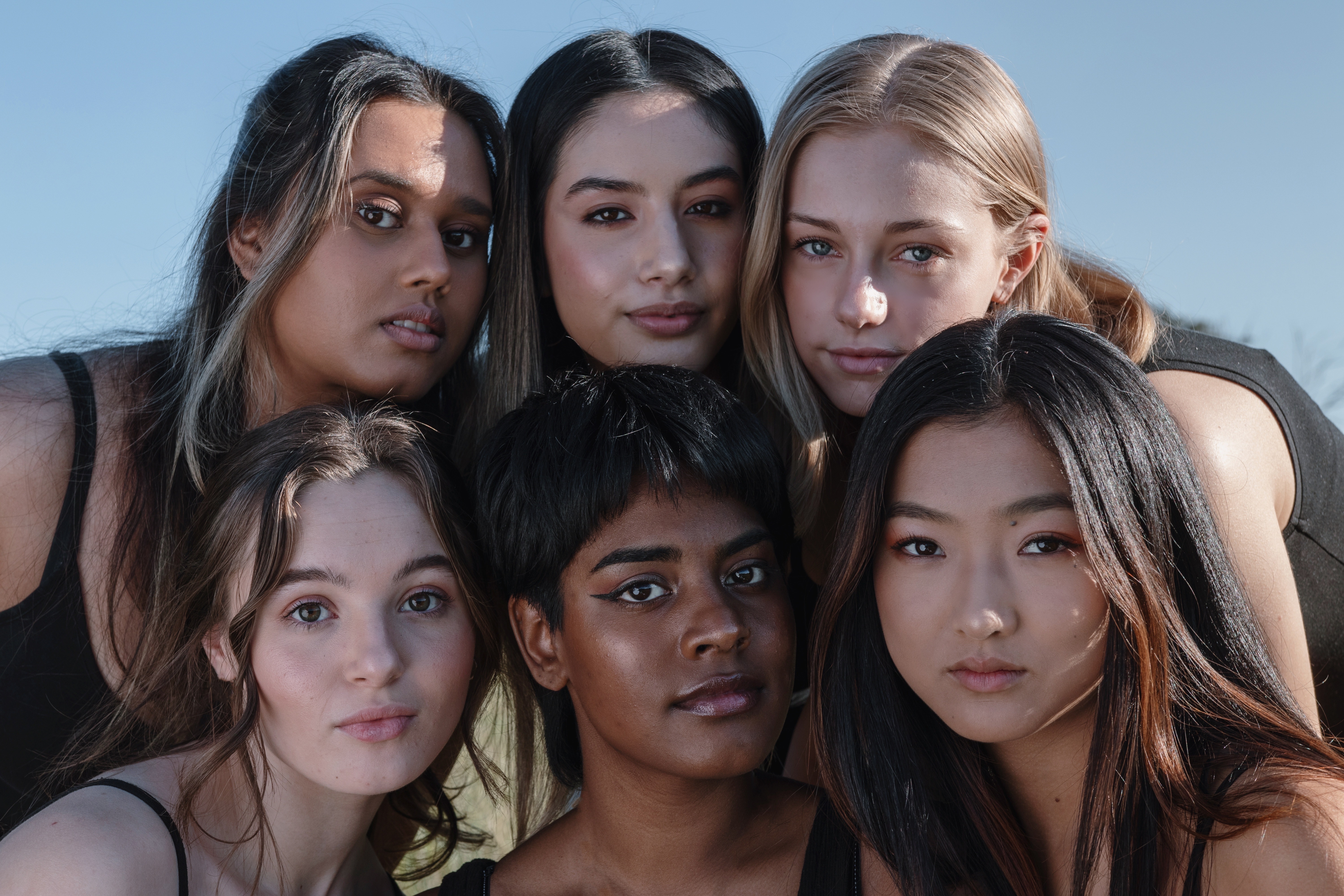
I’ve tried to cling to those words my whole life. I believe we are all precious in God’s sight. I don’t think God wants us to hate other people. I don’t think God wants us to discriminate against other people based on color, gender, ethnicity, national origin, or any other “box” we tend to people “others” in.
I don’t think God wants us to squelch the opportunity or right other people have to read and learn and think about anything they want to read, learn, or think about.
I don’t understand why there’s an element in the United States today who think the best use of their time is to dictate what anyone else cannot read.
We don’t have to be comfortable with the message within a book, but in the United States of America we have we used to have the right to read.
Book banning is a very slippery slope. You don’t want a book in a school library? How long will it be before you don’t want it in the public library? How long will it be before you have a book burning… you know, like they had in Nazi Germany?

How long will it be before you decide people of a different skin color don’t have the right to an education… you know like in the United States a century ago? How long until you start burning students alive in a school dormitory like happened at 11:30pm Friday, June 16, 2023 at Lhubiriha secondary school in Mpondwe, Uganda?
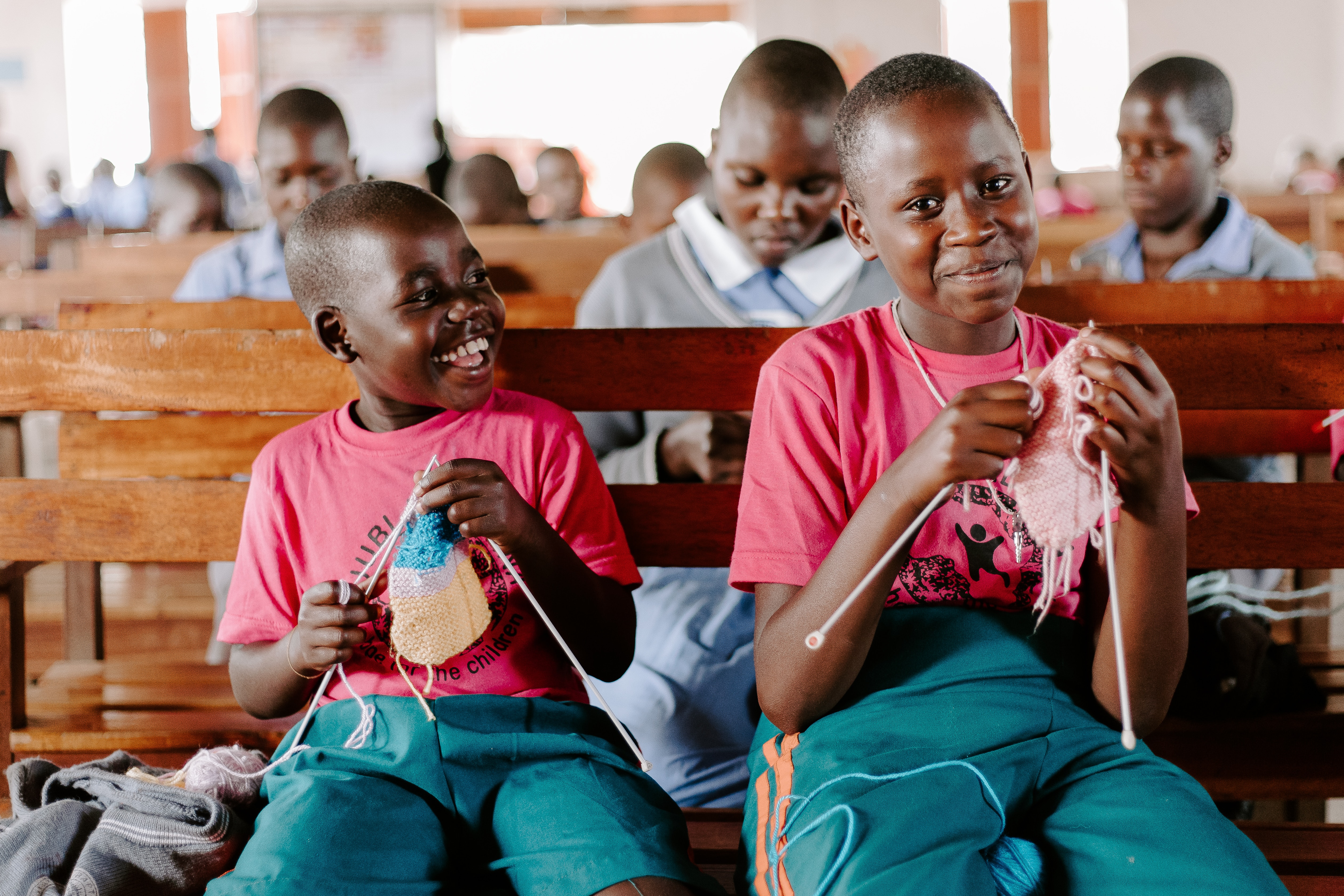
God gave us brains. I think He desires for us to use our brain power to do positive things, not to tear other people apart, but maybe that’s just my opinion.
What do you think?
Since my last blog post
I continue to be frustrated with cyberspace, but life goes on. There are many things more important than having access to Facebook or LinkedIn or Twitter.
Until my next blog post
I hope you have a good book to read – one that will take you away from the stresses in your life, entertain you, educate you, and give you a new perspective. Look for a book that will stretch your mind. Perhaps The Bluest Eye, by Toni Morrison.
Spend time with friends and family. Remember the treasure they are, even if they don’t agree with you about politics.
Remember the people of Ukraine.
Janet



 Janet's Writing Blog