
As I write this on the night of January 20, 2026, Trump is on his way to the World Economic Forum in Davos, Switzerland. (In fact, news came in as I wrote this that Air Force One had been turned around due to an electrical problem. Trump will be moved to a back-up plane.)
This gathering includes many NATO countries – the very NATO countries he threatened with tariffs this week. He will, no doubt, attempt to dazzle them with his perception of the current economy of the United States. Those of us who live here, know better. The picture he painted today in his news conference was far-removed from reality. He will embarrass us in Davos. He would embarrass himself, but that is not possible.
The next couple of days will not go well. Trump never comes across as Presidential here at home or on the world stage. Will he further insult our allies at this forum? Probably. That’s all he knows to do. At the very least, he will probably make fun of French President Emmanuel Macron’s eye condition. Trump has a record of belittling people with medical problems.
In today’s news conference, he finally feigned regret that an ICE agent shot and killed Renee Nicole Good in Minneapolis. Did you hear why he pretended regret today? Because someone told him that Ms. Good’s father was a Trump supporter.
I cannot remain silent as I see my government attack the least of these among us. As a Christian, it is my responsibility to speak up for the people who have no voice or whose voices are being ignored. As the President claims ICE agents are only going after “the worst of the worst,” my eyes and ears know better.
American citizens are being accosted and detained. One has already been killed on a street in Minneapolis. My government has not come after me yet, but if I wait until it does, there will be no one left to speak up for me.
Without further adieu, here is my planned blog post for today
Today’s post is about the eighth story in my short story book. “A Letter from Sharpsburg,” is a fictitious letter from an imaginary Confederate soldier who had fought in the Battle of Sharpsburg in Maryland during the American Civil War.
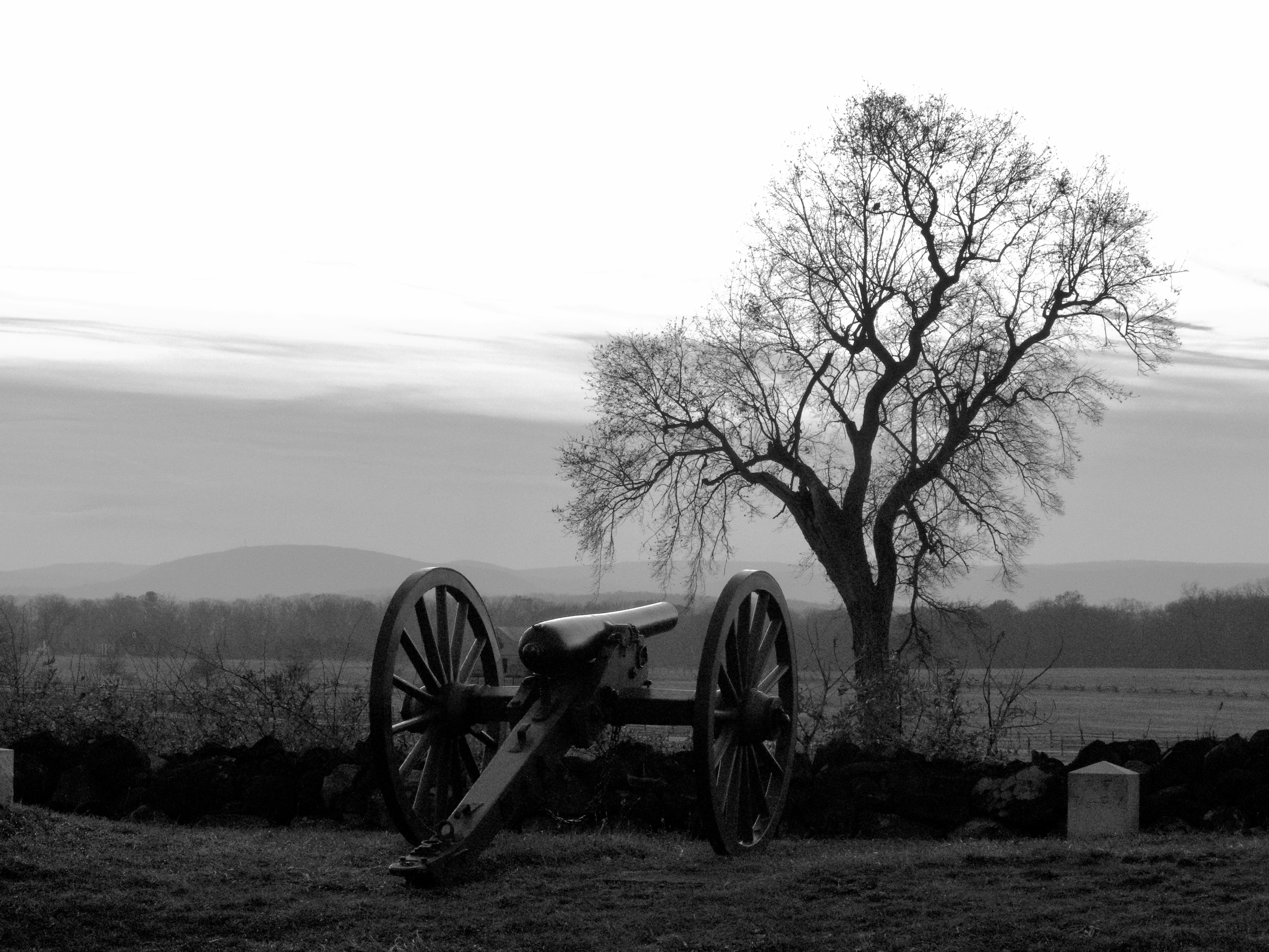
As I explain in the book, it was general practice for the Union to name battles in the Civil War for a nearby physical feature, such as a creek. It was the practice of the Confederacy to name battles for the nearest town. This has led to confusion for more than 160 years.
This battle took place along Antietam Creek, near the town of Sharpsburg. Therefore, the Union called it the Battle of Antietam and the South called it the Battle of Sharpsburg.
Another example is the First and Second Battles of Bull Run (Union name) being called the First and Second Battles of Manasses in the South. It seems to me that we studied the Civil War almost every year in elementary school, but I don’t recall ever being told how or why the North and the South had different names for the same battles. Knowing the reason behind this practice would have been helpful.
I patterned this fictitious letter after letters one of my great-grandfathers wrote to his parents and sister during the Civil War. It was common in that day for a soldier to begin a letter with the words, “I seat myself and take pen in hand to write you a few lines.”
I chose this battle because more Americans were killed on the battlefield that day than on any other day in American military history. It is said that 2,100 Union soldiers and 1,550 Confederate soldiers lost their lives on September 17, 1862 near Sharpsburg, Maryland. Nearly 10,000 Union soldiers were wounded and more than 7,700 Confederate soldiers were wounded there that day.
In my book, I included author’s notes, questions for consideration, and a bibliography of the sources I used in writing “A Letter from Sharpsburg.”
In case you missed them here are the links to my blog posts about the first five stories in my book: “The Tailor’s Shears” – Historical Short Story; “You Couldn’t Help But Like Bob” — historical short story; “To Run or Not to Run” – historical short story‘ “Making the Best of a Tragedy” – historical short story; “From Scotland to America” – historical short story; “Whom Can We Trust?” – historical short story; and “Go fight, Johnny!” – historical short story.
Where to purchase Traveling Through History: A Collection of Historical Short Stories
You can find my new short story collection on Amazon in e-book (https://www.amazon.com/Traveling-Through-History-Collection-Historical-ebook/dp/B0FZQBMC2Q/) and paperback (https://www.amazon.com/Traveling-Through-History-Collection-Historical/dp/B0FZSR6FPX/.)
You can find the paperback at Second Look Books in Harrisburg, NC, or ask for it at your local independent bookstore. Bookstores can order it from IngramSpark. It is supposed to be available at Barnes & Noble, but I’ve been told it is not necessarily in stock in the brick-and-mortar stores.
If you purchase my book and enjoy it, please give it a rating on Amazon and write a brief review of it for that site or Goodreads.com. Also, recommend it to your friends!
Word of mouth publicity is the best! Thank you!
Keeping me honest
My readers continue to try to keep me honest, which is my goal as a writer of historical fiction. Facts matter to me. Facts form the basis for my writing.
I mentioned in an earlier blog post that it had been brought to my attention that I have the wrong date in my book for the Battle of Kings Mountain. Yesterday, a friend clued me in that in “Ghost of the Battle of Guilford Courthouse: An American Revolutionary War Ghost Story,” I have someone calling 911 to report an incident to the police in 1963.
Unfortunately, 911 emergency service did not come into being until 1968. In my flimsy defense, I will point out that I originally had the story set in 1973. When I changed it to 1963, I failed to catch my 911 error.
I appreciate my historical errors being brought to my attention. This will help keep me on my toes as I write my novel. If you find another historical error in my book, please let me know.
Janet
The government should be afraid of its citizens, not the other way around.

 Janet's Writing Blog