An Opportunity for Me to Speak

Last Tuesday, I was one of the presenters for the “history day” meeting of the 2026 Class of Leadership Cabarrus. (Cabarrus is the name of our county.)

Leadership Cabarrus is described as follows on the Cabarrus County Chamber of Commerce website (https://cabarrusncchamber.org/leadership-cabarrus/):

“Through a series of monthly class days from September through May, participants are introduced to and examine how leadership in the historical, geographical, educational, economic, governmental, and cultural segments work together to perpetuate and advance the Cabarrus County region and its citizens.

“The program is also designed to nurture and develop the leadership skills of current and potential leaders, offering a stimulating atmosphere that fosters diverse viewpoints and yields innovative solutions to the critical questions facing our community. The program’s focus is creating awareness and connecting leaders to the issues; it is not an academic leadership training program, but an excellent professional development opportunity to communicate with the Cabarrus County community. Furthermore, the program is non-partisan and does not recommend or advocate for partisan positions on public matters.”

Since the 1980s, Leadership Cabarrus has hosted more than 700 participants from 200 companies.

This was the third time I’ve been invited to be a presenter for Leadership Cabarrus. I spoke to the 2024 Leadership Cabarrus Class about the history of Harrisburg. I was invited back last year but had to cancel at the last minute due to illness.

After cancelling at the last minute in 2025, I was pleasantly surprised to be invited back this year.

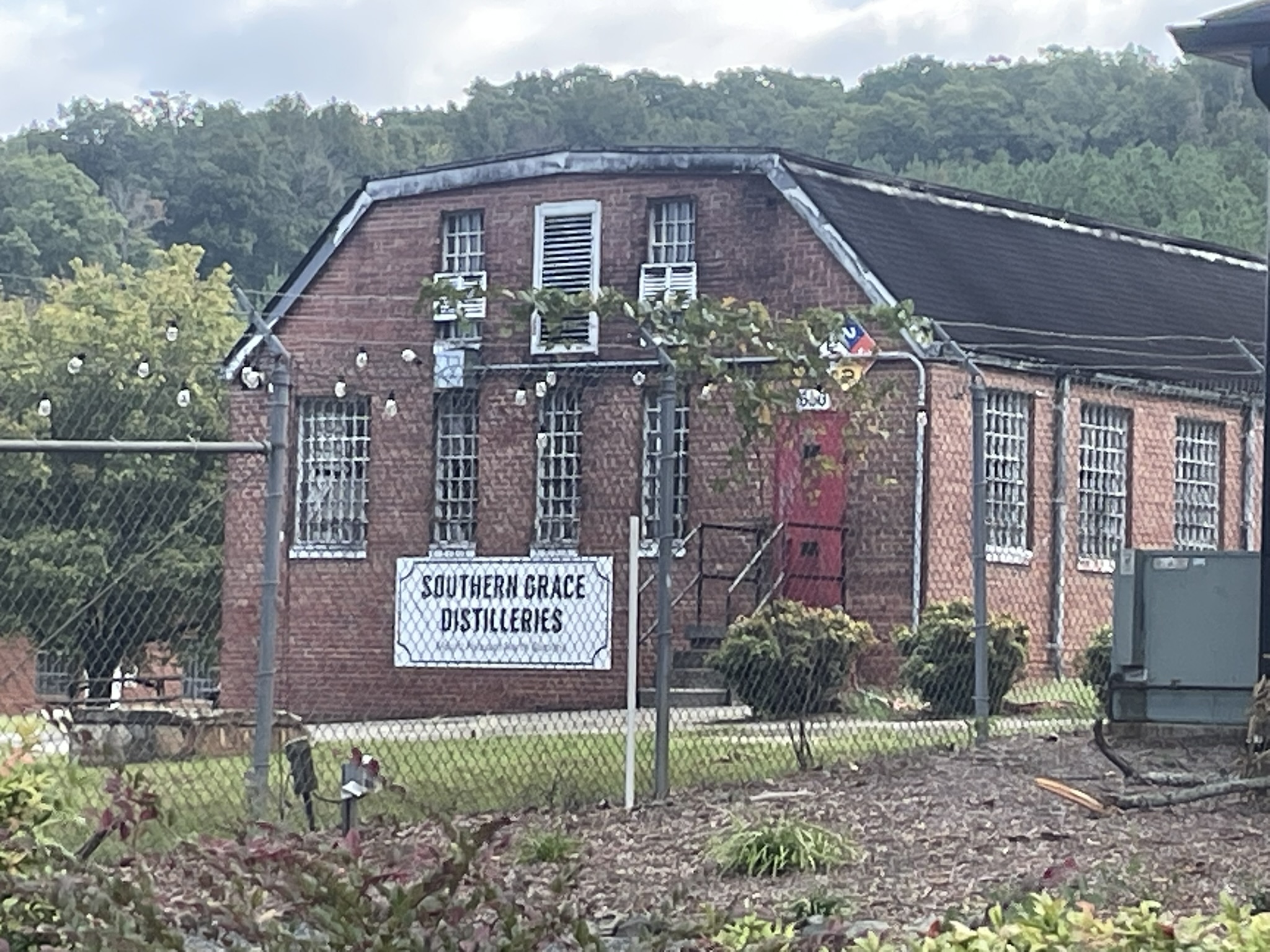
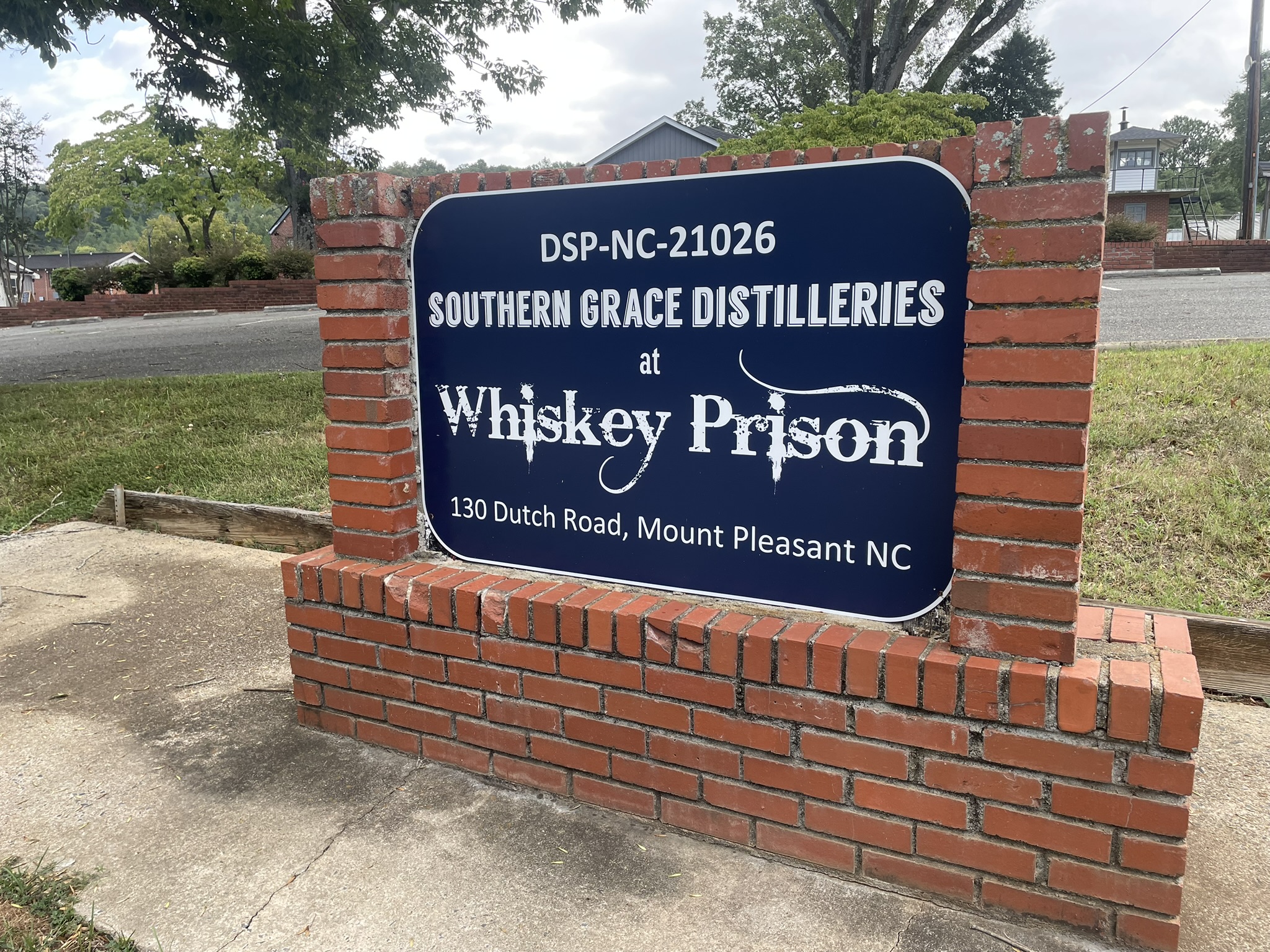
The venue is not always the same. I spoke at the county office building in Concord in 2024. This year, I was scheduled to speak at Southern Grace Distilleries at Whiskey Prison in Mt. Pleasant, North Carolina.

Say what?

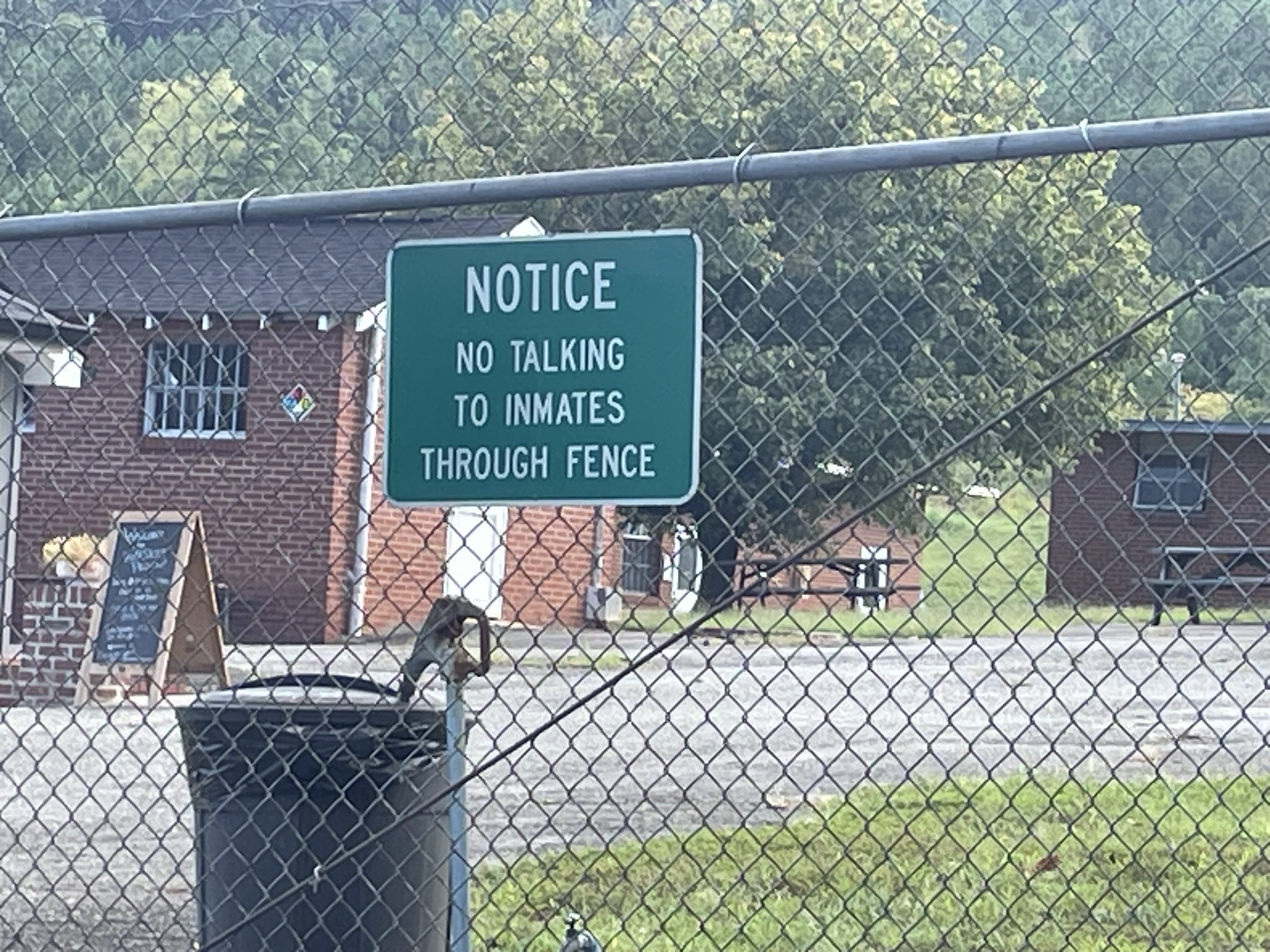
Yes, I was scheduled to speak in the chapel of the former prison, which is now a distillery. I thought this would make an interesting blog post, so I arrived a few minutes early and took some pictures.
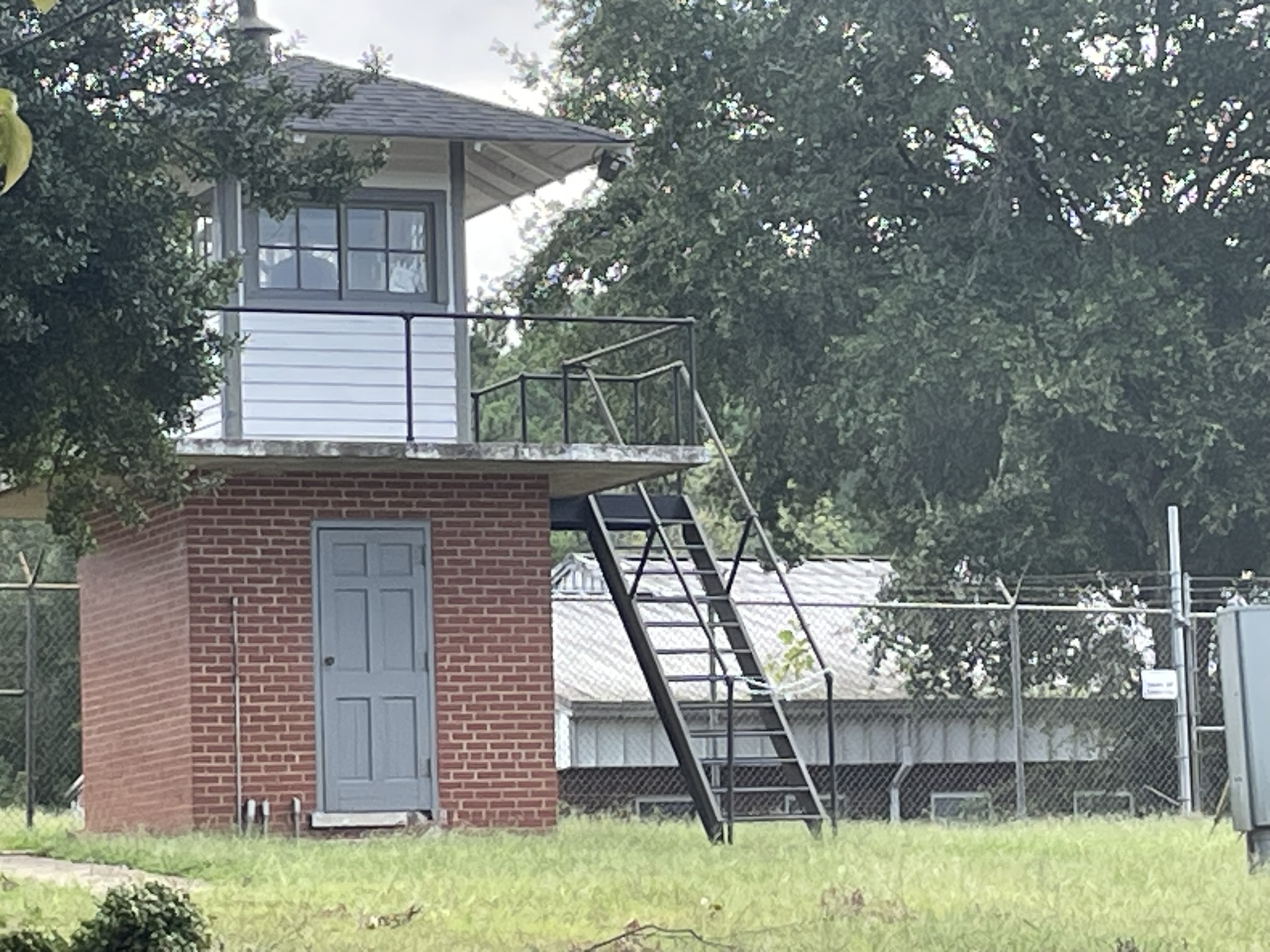
Guard Tower, I assume was only in operation while it was a prison.

Southern Grace Distilleries, Mt. Pleasant, NC
A sign I assume is left from the property’s former use as a prison.

Things soon went off the rails because the motorcoach (is that still the proper term for a bus?) transporting the 36-member Leadership Cabarrus Class had massive electronic issues and a replacement bus had to be requested from Winston-Salem – some 60 miles away.

Since the class members were stranded at the Eastern Cabarrus Museum, it was decided that I should leave the prison and drive back into Mt. Pleasant and meet the class members at 73 & Main Restaurant. When I arrived at 73 & Main, I could see the class members in the distance as they walked from the museum to the restaurant.
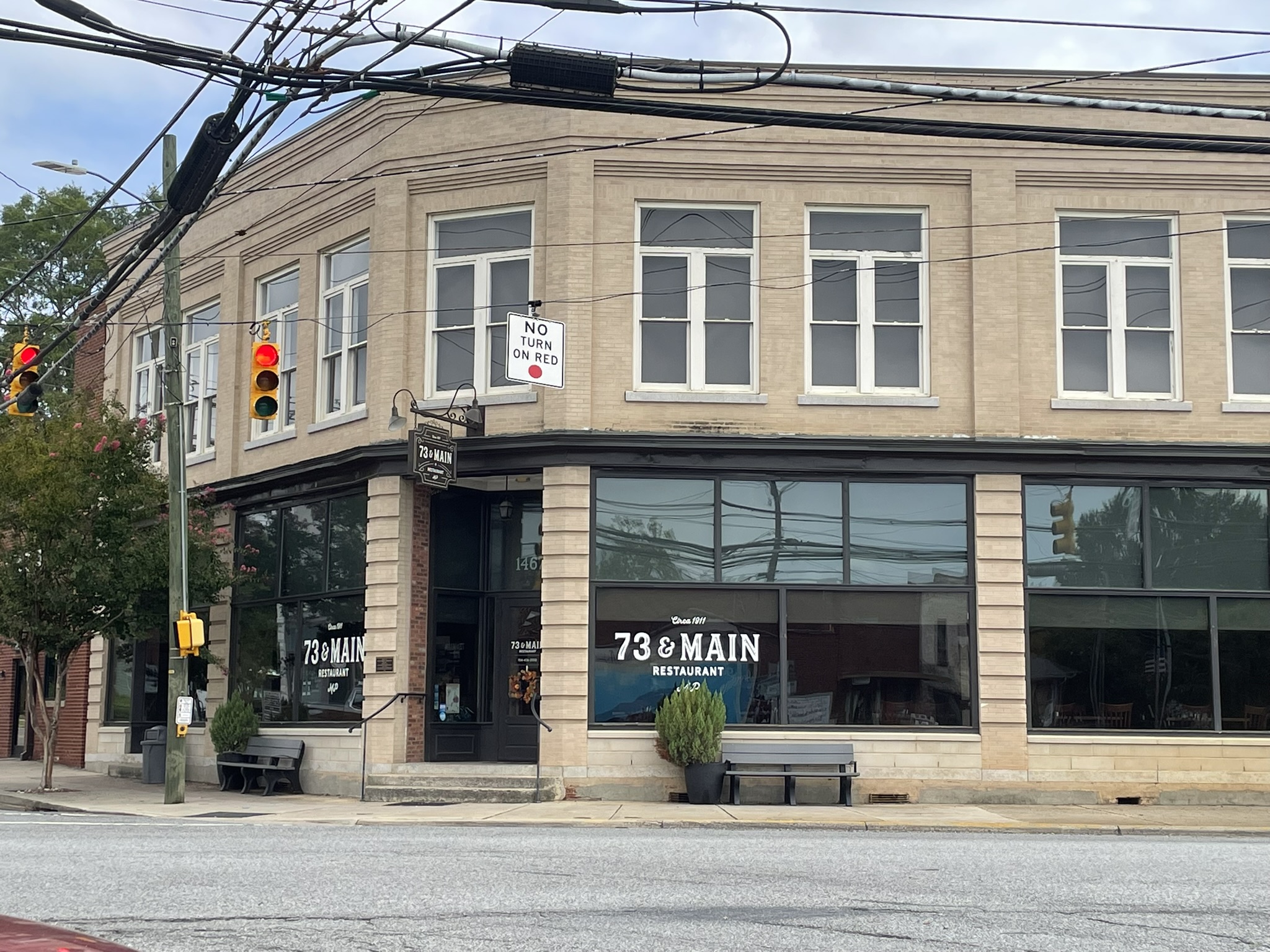
73 & Main Restaurant, Mt. Pleasant, NC

I must say that the people in charge of Leadership Cabarrus showed phenomenal leadership as they juggled the schedule on the fly and dealt with the disruption of the rest of the day’s schedule – which was planned down to the minute for the next six hours. The whole experience turned out to be an unexpected lesson in going with the flow.

The group was congenial. I only noticed one member who was visibly bored out of her mind as I spoke as fast as I could about the history of Harrisburg. Perhaps she was there under duress.

The presentation gave me an opportunity to briefly hold up my two local history books: Harrisburg, Did You Know? Cabarrus History, Book 1 and Harrisburg, Did You Know? Cabarrus History, Book 2 – in case any participants were so enamored by my speech that they wanted to learn more. (By the way, they are available at Second Look Books in Harrisburg and on Amazon in paperback and ebook: https://www.amazon.com/Harrisburg-Did-You-Know-Cabarrus-ebook/dp/B0BNK84LK1/ and https://www.amazon.com/Harrisburg-Did-You-Know-Cabarrus-ebook/dp/B0BXBQ1F79.)

Unbeknownst to me, one of the class members was the daughter of a school classmate of mine whom I’ve known for 65 years. Meeting Stephanie’s daughter was a great surprise! Coming full circle, I expect to see Stephanie at our high school class reunion this weekend.

I must have done an okay job because after I spoke, I was asked to present again in 2027. Who knows? Maybe I’ll get another chance to speak in a former prison. I finished speaking as the replacement motorcoach arrived, so everything worked out great for me. I have no idea how the rest of the day’s schedule went for the group. Fortunately, I got to go home.

I’m glad we still have freedom of speech in the United States, although Trump continues to attack the First Amendment to the Constitution of the United States of America. Case in point: banning news agencies who report the truth about his evil deeds get banned from the White House. It’s not his house. It’s not his constitution. The White House and the U.S. Constitution belong to the people. Only a dictator attempts to control or silence a free press.

A meme with the words of the First Amendment with the American flag in the background
The First Amendment to the Constitution of the United States of America

Janet

The First Amendment guarantees our right to religion, speech, the press, assembly, and our right to complain to and about the government. Don’t take one word of that Amendment for granted!

#OnThisDay: Lewis & Clark Expedition Completed, 1806

I wish more emphasis had been put on Lewis & Clark’s Corps of Discovery when I was in school. Living in North Carolina, it just wasn’t taught much. I suppose in the Midwest and Great Plains states it was and is taught in detail.

Today marks the 218th anniversary of the conclusion of Meriwether Lewis and William Clark’s grand trek into the great unknown in search of the Northwest Passage.

I learned more about the Lewis & Clark Expedition from watching Ken Burns’ documentary film than I learned in school. Ken Burns has a gift for weaving story, quotes, and geographic images together in a comprehensive telling of particular times or events in American history.

The When and the Why

US President Thomas Jefferson is remembered for his curiosity. Since the 1400s, explorers had dreamed of finding Northwest Passage – a waterway across North America from the Atlantic to the Pacific. President Jefferson wanted the Pacific coast of North America to be found, and he was convinced that a group of explorers would find it if they could just cross the Mississippi River and follow the Missouri River across the lands included in the Louisiana Purchase.

Meriwether Lewis and William Clark led the group that was assembled to explore the region. It was a vast unknown to the European settlers. What the Corps of Discovery did was comparable to the space exploration of our time, except Lewis & Clark did not have computers to guide them. They really didn’t know what the terrain and weather would be like once they ventured very far beyond St. Louis.

In the spring of 1804, at the direction of President Jefferson, this band of intrepid explorers set out on a journey of unknown time and distance. (I guess it is sort of like the two astronauts who are going to be on the International Space Station for eight months instead of the originally planned eight days.)

How does one pack for such an adventure? What thoughts went through their minds as they headed west, not knowing if or when they would see their families again?

The Preparation

For starters, I will point out that the Corps of Discovery was made up of Lewis, Clark, and nearly four dozen men. As I recall, in school we were led to believe that it was just Messrs. Lewis and Clark and that they were joined by a Native American young woman, Sacagawea, somewhere along the way.

They spent the winter of 1803-1804 on the Illinois side of the Mississippi River in a collection of huts they built. It was called Camp Debois. Among the supplies they gathered in preparation for their journey were nearly two tons of flour, nearly two tons of salt pork, 50 pounds of coffee, and 100 gallons of whiskey.

Information was gathered from fur traders, and the men were drilled, for this was comparable to a military mission and a chain of command was integral if the expedition had any chance of being successful.

The How

They started out in a keelboat with two large canoes. Lewis was accompanied by a Newfoundland dog named Seaman who reportedly caught squirrels, beaver, and an antelope. They had been told they would encounter numerous nations of “savages” who would not welcome white men. The message they carried was that all the land within sight in all directions belonged to the United States of America.

Seaman proved his worth not only as hunting squirrels for the men to eat, but also as a guard dog. There were instances when Seaman scared off an angry buffalo and even kept grisly bears at bay.

On November 15, 1805, Lewis and Clark reached the Pacific Ocean at the mouth of the Columbia River in present-day Washington. That was one year, six months, and one days after they began their journey.

What they did not find

They did not find a waterway connecting the Atlantic and the Pacific.

What they found

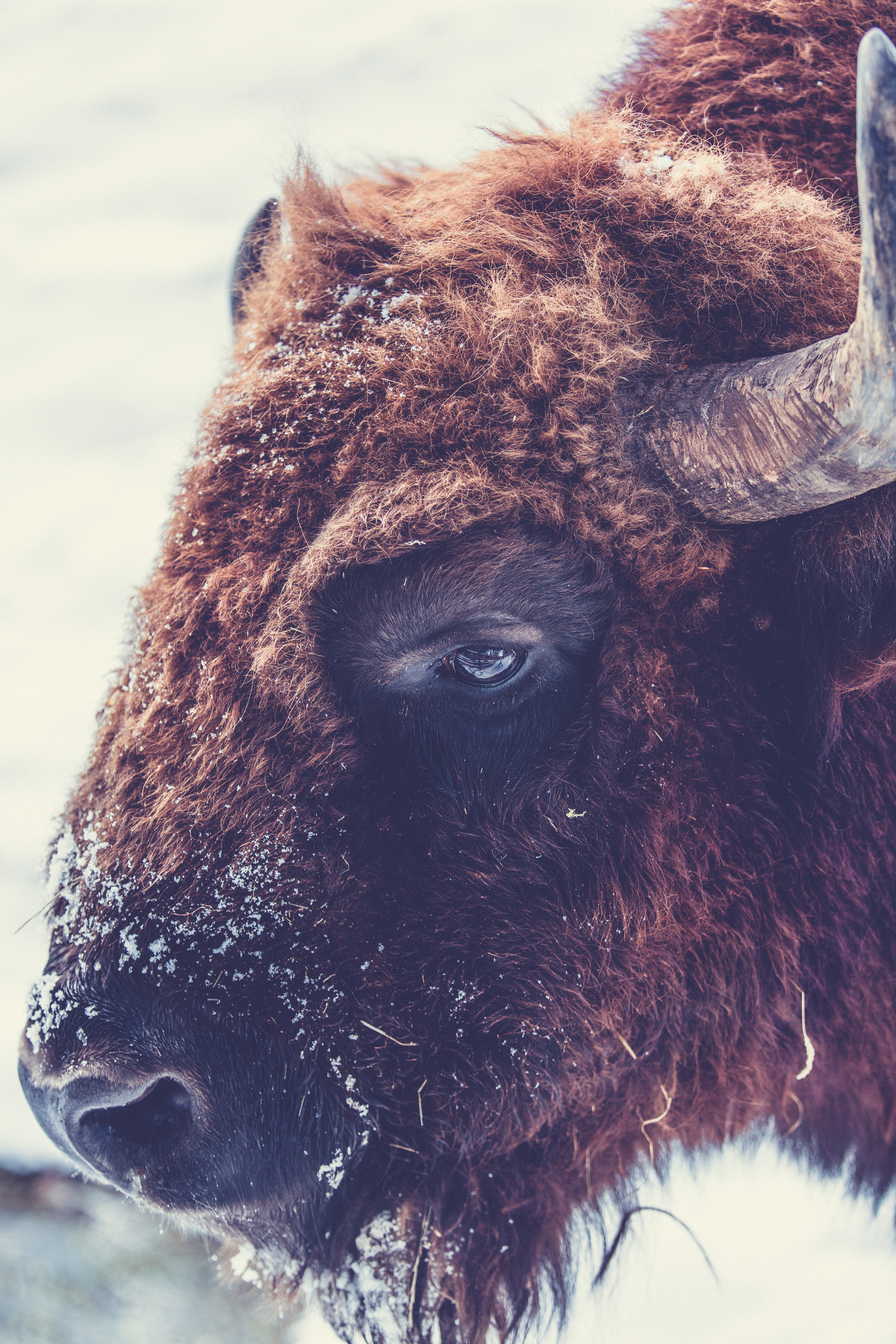
Photo by Markus Spiske on Unsplash

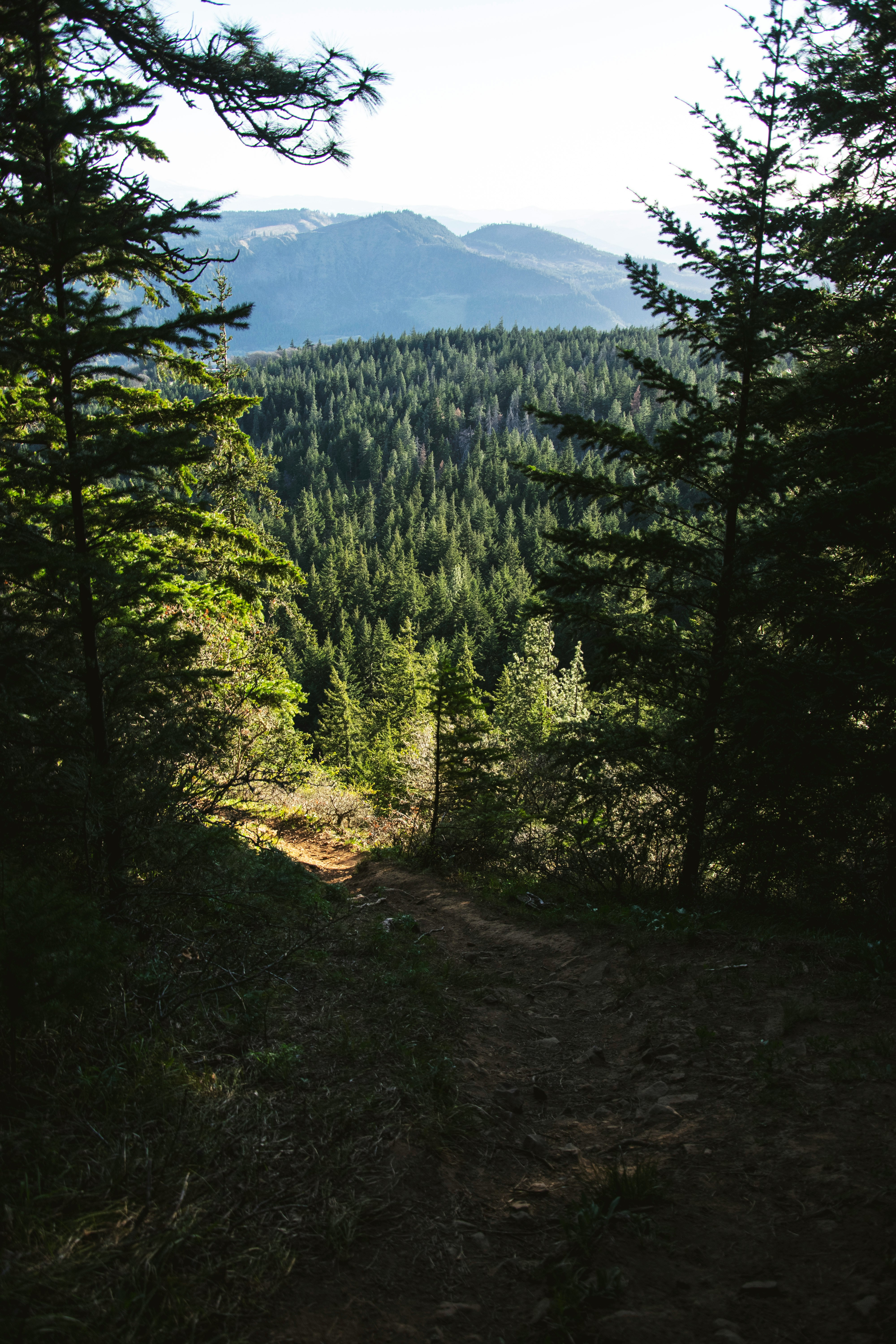
What they found was the Great Plains, the majestic Rocky Mountains, unknown plants and animals, and native peoples who were curious about them and not hostile as had been expected.

Photo by Aida L on Unsplash

They found the kindness of strangers.

Photo by Boston Public Library on Unsplash

They found a native woman named Sacagawea who would guide them and save their very lives.

They found a vast and wondrous land that none of them could have imagined.

Photo of the flat Great Plains landscape with an angry black cloud looming with a bolt of lightning striking the ground
Photo by Greg Johnson on Unsplash

They found a vast land of unlimited promise.

Photo by Jamie Pilgrim on Unsplash

The documentation they brought to President Jefferson

President Jefferson sent Lewis & Clark and their crew off with explicit instructions as to record keeping. Jefferson even devised a complicated code matrix they were to use if they needed to try to send secret messages back to Washington.

They were to record in great detail the geography; animals; soil; crops; natural plants; minerals; and human inhabitants and their languages, populations, food, clothing, religions, and their interest in commerce.

Journals were kept, along with meticulous records of what they saw that would be of scientific and future exploration benefit.

The completion of the expedition

The Corps of Discovery returned to St. Louis at noon on September 23, 1806. Lewis immediately wrote a long letter to President Jefferson informing him of their return and that they had indeed reached the Pacific Ocean, although not by water the entire way. Included in the letter was the news that instead of taking half a day to cross the western Continental Divide, it had involved crossing 60 miles of treacherous snow-covered mountains.

Since my last blog post

I had the privilege of telling the 37 members of the Leadership Cabarrus Class of 2025 about the history of Harrisburg last Tuesday. Organized by Rowan-Cabarrus Community College, it was an interesting group of people from various walks of life who are relative newcomers to Cabarrus County. I was allotted 20 minutes to give them the highlights of Harrisburg’s rich history.

I’m not much of a public speaker, but I went through my two local history books, Harrisburg, Did You Know? Cabarrus History, Books 1 and 2 and made notes from some of the highlights I thought would be of interest to the group. It was a congenial group and I enjoyed the experience. It had been a couple of years since I had spoken to a large group of people.

Until my next blog post

As always, I hope you have a good book to read.

Make time for friends and family.

Don’t forget the people of Ukraine, as another harsh winter is approaching.

Janet