
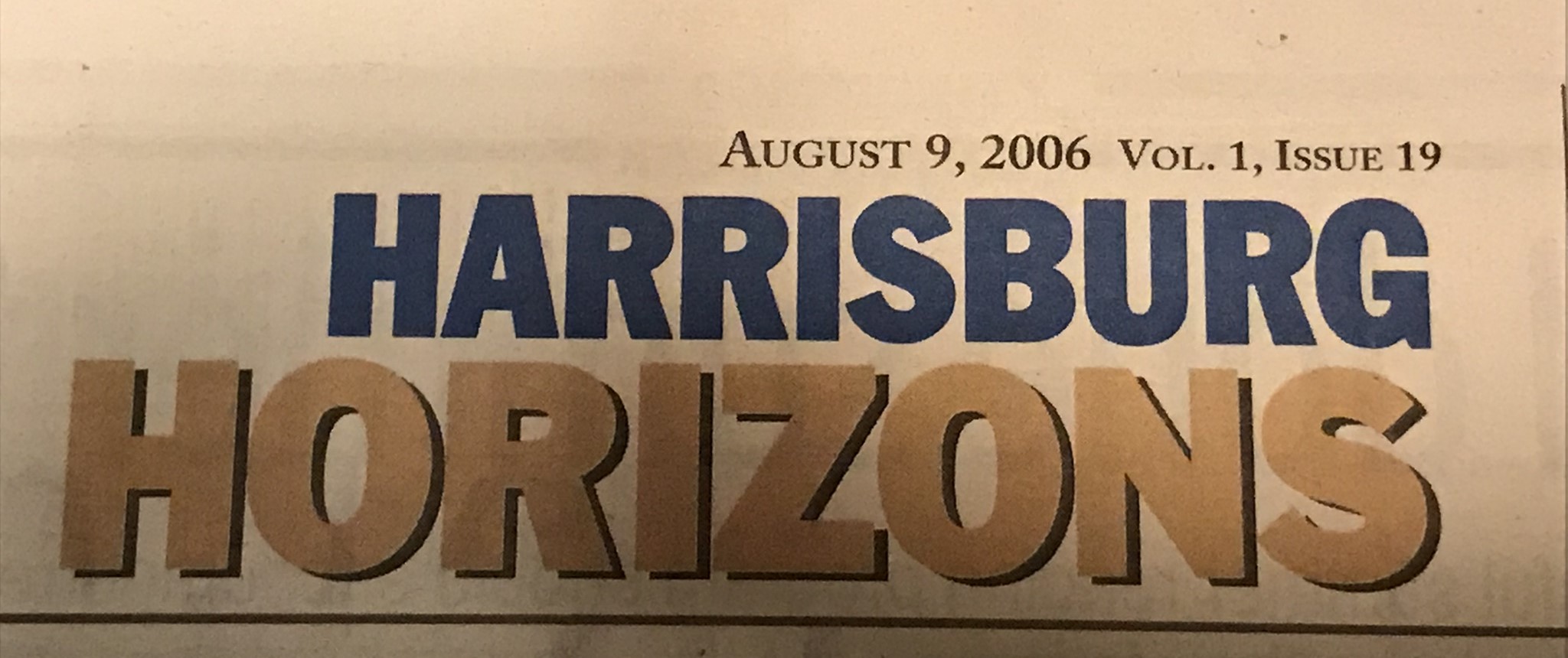
When I say it was a great privilege for me to get to write 175 local history articles for a free local weekly newspaper in Harrisburg, North Carolina for almost seven years, it is an understatement.
I was paid $25 per article, which in no way compensated me for my time and any skill I had to write the pieces. My true payment came in the form of new friendships I formed, old friendships that were renewed, the incredible amount of history I learned, and the confidence the experience gave me to think that perhaps I did have some potential as a writer.
As a white woman in my 50s, I did not fully understand that it was partly my white privilege that opened many doors for me – and had opened doors for me my entire life. I was genuinely curious about the lives of the elderly black people who had lived their entire lives in the township in which I lived, but I will never be able to fully grasp what I was doing when I asked several of them individually to allow me into their homes to ask them some personal questions.
They had been born into a segregated society in the early years of the 20th century. I had been born into a segregated society in the early 1950s, but I was white. I could not identify with the challenges they had faced all their lives.
They opened up to me and told me things they maybe had never even told their children. I heard stories of discrimination that were mandated by law. What I did not hear from a single one of them was bitterness. That was the most impressive lesson I learned from my experience as a low-level newspaper columnist.
Getting to sit for hours with a veteran of World War II who was eager to share his memories was another experience I was honored to have while writing for Harrisburg Horizons newspaper. I got to hear first-hand the vivid memories he had while training for the D-Day invasion of France. It was from him I heard about the sights, sounds, and smells of D-Day. I heard about the relentless trudging along through non-stop war through the bloody beaches, the towns, the villages, the forests, and the farmlands of Europe.
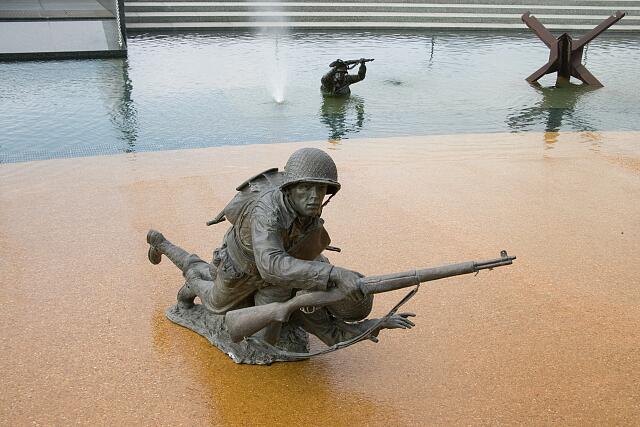
A stark contrast between that war and the wars in the late 20th century and early 21st century is that the World War II soldiers were there for the duration of the war. There was no deployment with a pre-announced ending date. The only way they could communicate with their loved ones was through slow-moving letters.
I approached another local World War II veteran who was on the USS Missouri and witnessed Japan’s surrender to General MacArthur, but he was disinclined to speak of the war. I respected his wishes and never spoke to him about it again. Many combat veterans do not want to talk about their experiences and we should always respect their wishes.
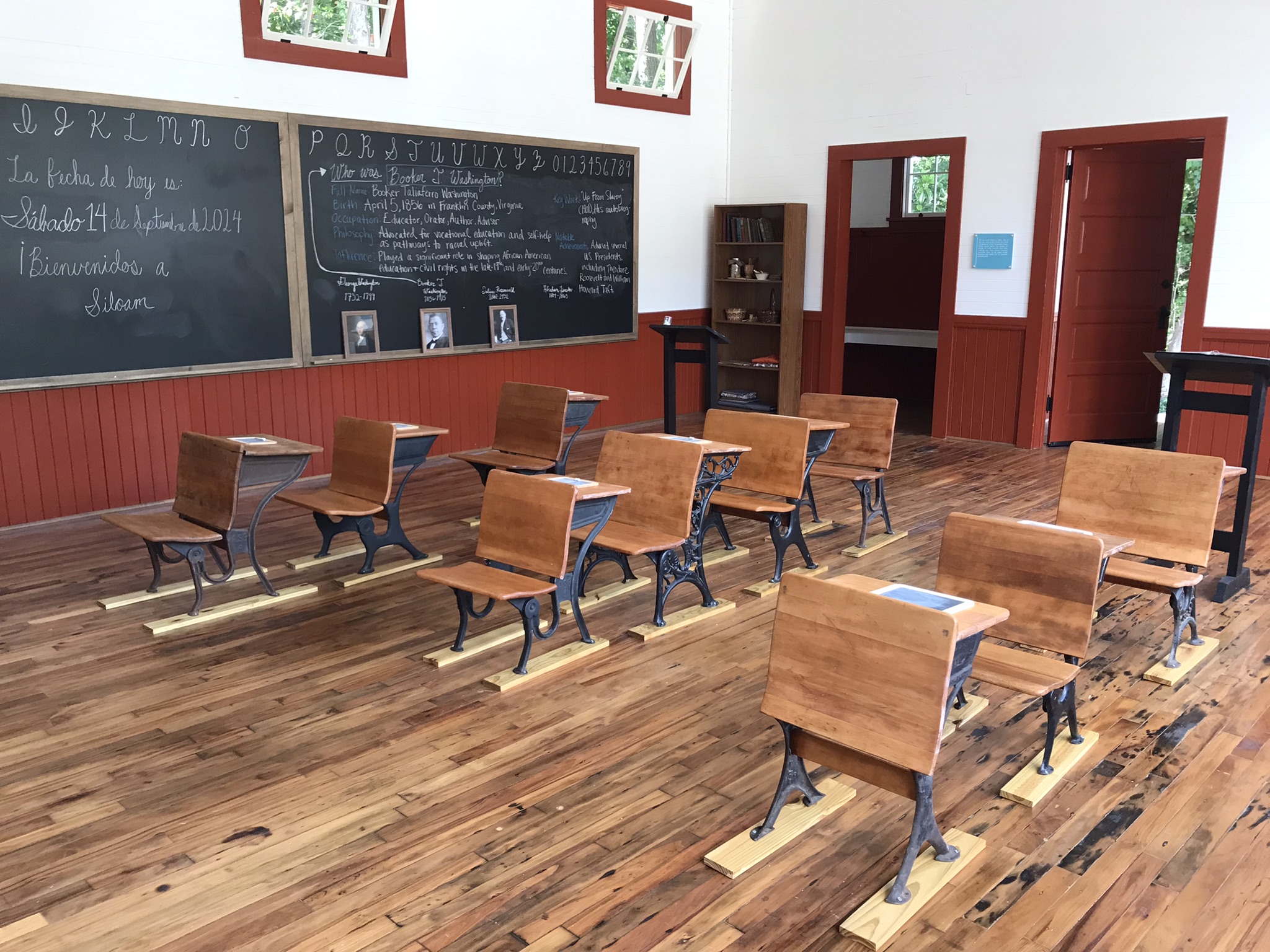
Many of the men and women I interviewed were parents of schoolmates of mine. I had known them to various degrees. I’d never met the mother of one of my black classmates until I went to interview her. She shared memories of attending a Rosenwald School.
The veteran of D-Day was my family’s mail carrier for decades, so I also got to interview him about his days as the only mail carrier for decades in the wider community. I only knew him as my mailman and Gail’s dad, so it was a revelation to learn that he had participated in the D-Day invasion, the Battle of the Bulge, Bastogne, the Huertgen Forest, … seeing General Dwight D. Eisenhower in person, etc.
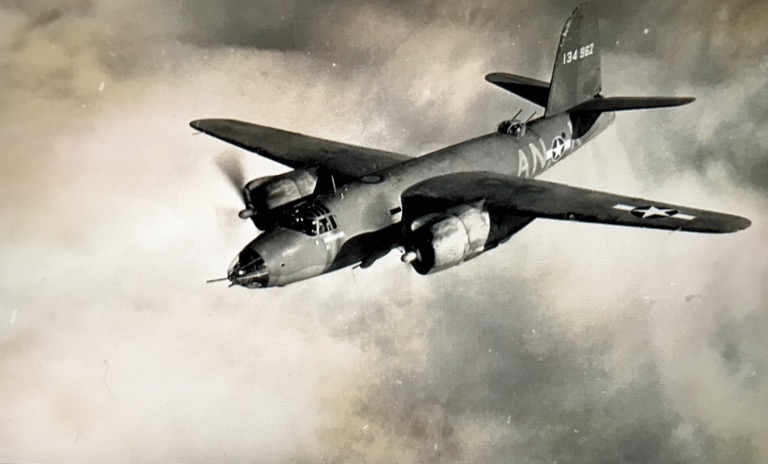
After I wrote about a fighter pilot from Harrisburg being killed when his plane was shot down over Buigny, France during World War II, I heard from a resident of Buigny. He sent me photographs of the village and the field where Carl Higgins’ plane crashed on March 5, 1944. The D-Day veteran I interviewed said, “Carl is my hero.”
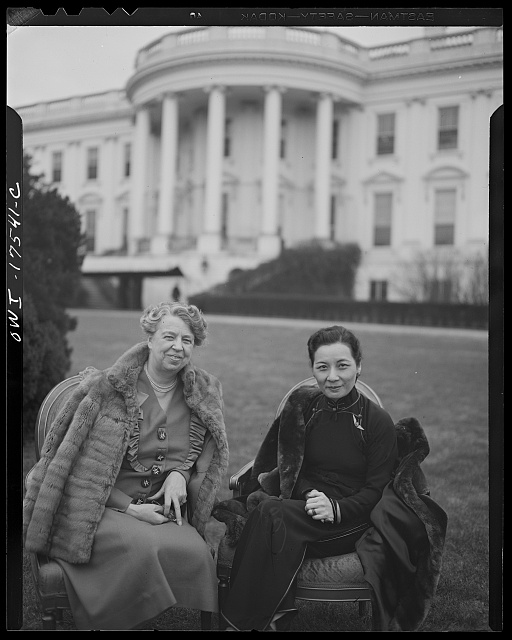
Later in his business life, the father of another of my classmates met Madame Chiang Kai-shek, wife of the Chairman of the National Government of the Republic of China. When he identified himself as being from Harrisburg, North Carolina, Madame Chiang immediately lit up and told that she remembered stopping at the depot in Harrisburg when she rode the train from Boston to Macon, Georgia to visit her sister!
The father of another classmate regaled me with his memories of growing up very poor, his family moving from one farm to another as sharecroppers, his marriage to his childhood sweetheart in 1936, purchasing his first car – and being berated about that purchase by the farmer he was a sharecropper for, how he had to quit school when his older brother literally jumped a train in Harrisburg during the Great Depression and made his way to Washington, DC… and much more.
In addition to interviewing individuals, I spent hours at the public library reading old newspapers and some hand-written records on microfilm. Oh, the headaches and eye strain!
One of the unexpected gifts of writing the local history column was the vast amount of history – local and national – that I learned. I had proposed to the editor of the new (week old!) newspaper that I had an idea for a column: local history. I did so because I knew a lot of local history and I enjoyed writing.
I quickly learned that there was a massive amount of local history that I did not know. While pouring over microfilmed newspapers from the 1800s and early 1900s, I often happened upon a tidbit about an event, an organization, a government policy, a person about which I was unaware.
Examples of the things I learned by chance from those old newspapers and other resources are the meteorite that fell here in 1849, a man whose occupation in the 1880 U.S. census of Cabarrus County was listed as “witch doctor,” the evolution of information gathered over the years via the U.S. Census, a head-on collision of two trains in Harrisburg in 1897, the oldest woman in North Carolina died here in 1930 at the age of 112, and the Sauline Players whose performances I enjoyed in elementary school was a theatre troupe based here in North Carolina.
I got to correspond with a Hollywood actress, Joan McCrea, whose career started with the Sauline Players. After contacting her former agent, who contacted her current agent, Ms. McCrea called me! She gave me invaluable background and behind-the-scenes details about the Sauline Players. The two newspaper articles I wrote about the Sauline Players have garnered more response from readers here and online than any of the other columns I wrote.
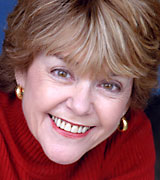
I have just scratched the surface of my 175 newspaper articles in today’s post. When I say, “All history is local, but no history is just local,” I base that on my experience as a newspaper columnist. It was an almost seven-year writing gig that opened my eyes to delve deeper into the things I knew and to explore the new things I learned.
I count my stint as a small-time, small-town newspaper columnist as one of the highlights of my life.
If you would like to read more about the topics I’ve mentioned today and all the topics I did not mention, please look for my two books – Harrisburg, Did You Know? Cabarrus History, Book 1 and Harrisburg, Did You Know? Cabarrus History, Book 2 – on Amazon in paperback and e-book. If you live in the Charlotte area, you can find all my books in paperback at Second Look Books in Harrisburg.
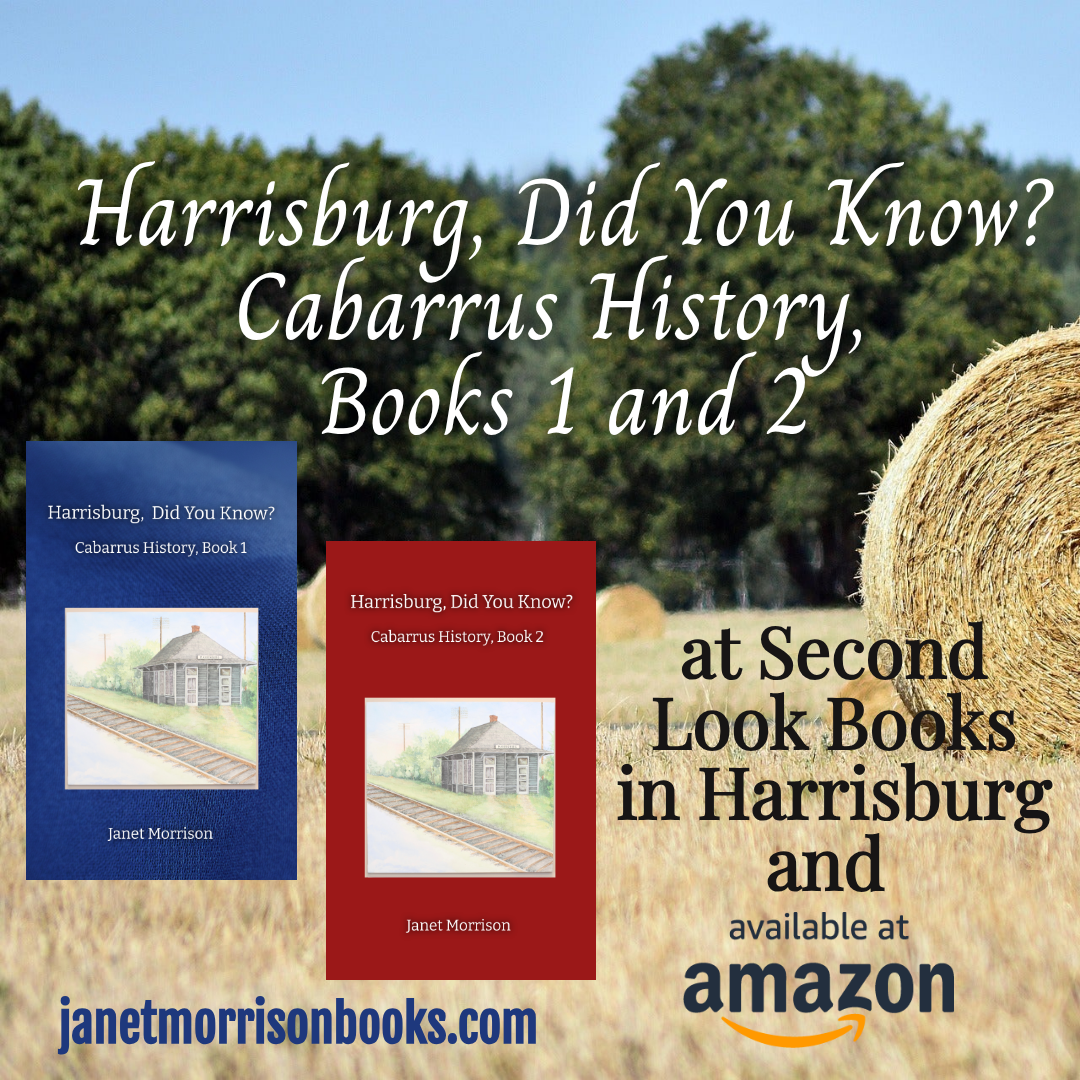
Book 1 contains the first 91 newspaper columns I wrote. Book 2 contains not only the other 84 columns but also my research notes from the numerous topics I did not get to write about when Harrisburg Horizons newspaper ceased operation in 2012.
Happy reading!
Janet
All history is local, but no history is just local.


