I write southern historical fiction, local history, and I've written a devotional book. The two novels I'm writing are set in Virginia and the Carolinas in the 1760s. My weekly blog started out to follow my journey as a writer and a reader, but in 2025 it has been greatly expanded to include current events and politics in the United States as I see our democracy under attack from within. The political science major in me cannot sit idly by and remain silent.
If you are a writer or you are curious about what makes a writer want to write, please read yesterday’s post and visit Cathy Pickens’ website, https://cathypickens.com/.
For the little village of Mt. Pleasant to attract famous authors is a feat for which the festival’s organizers deserve great praise. It started a couple of years ago as an idea. It has grown beyond their wildest imaginations. I can’t wait to see what the third annual festival holds in store for us in 2027!
This year’s festival attracted 16 authors. I’m still kicking myself that I was too late to register for Kate Quinn’s presentation on Friday night.
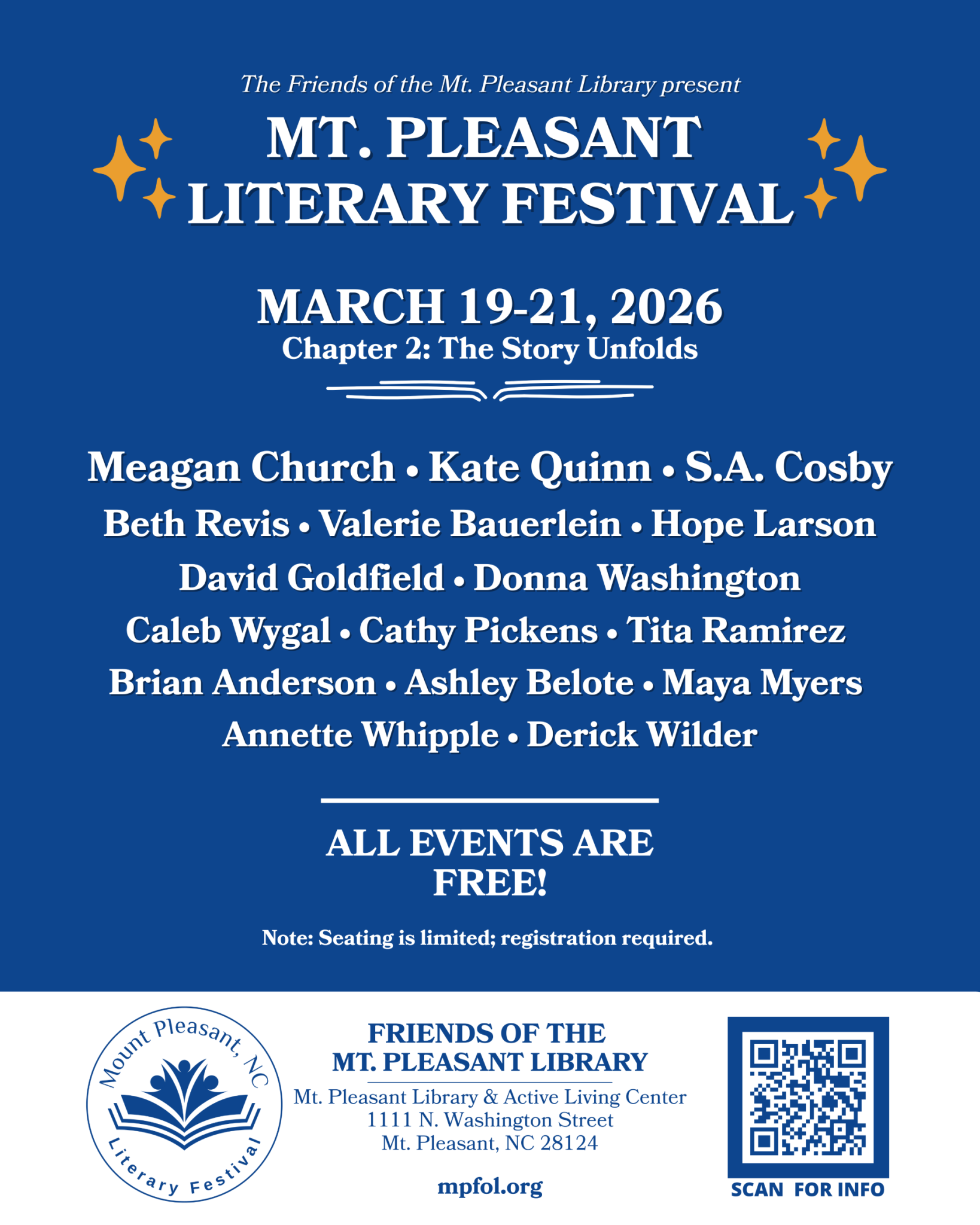
Mt. Pleasant Literary Festival 2026
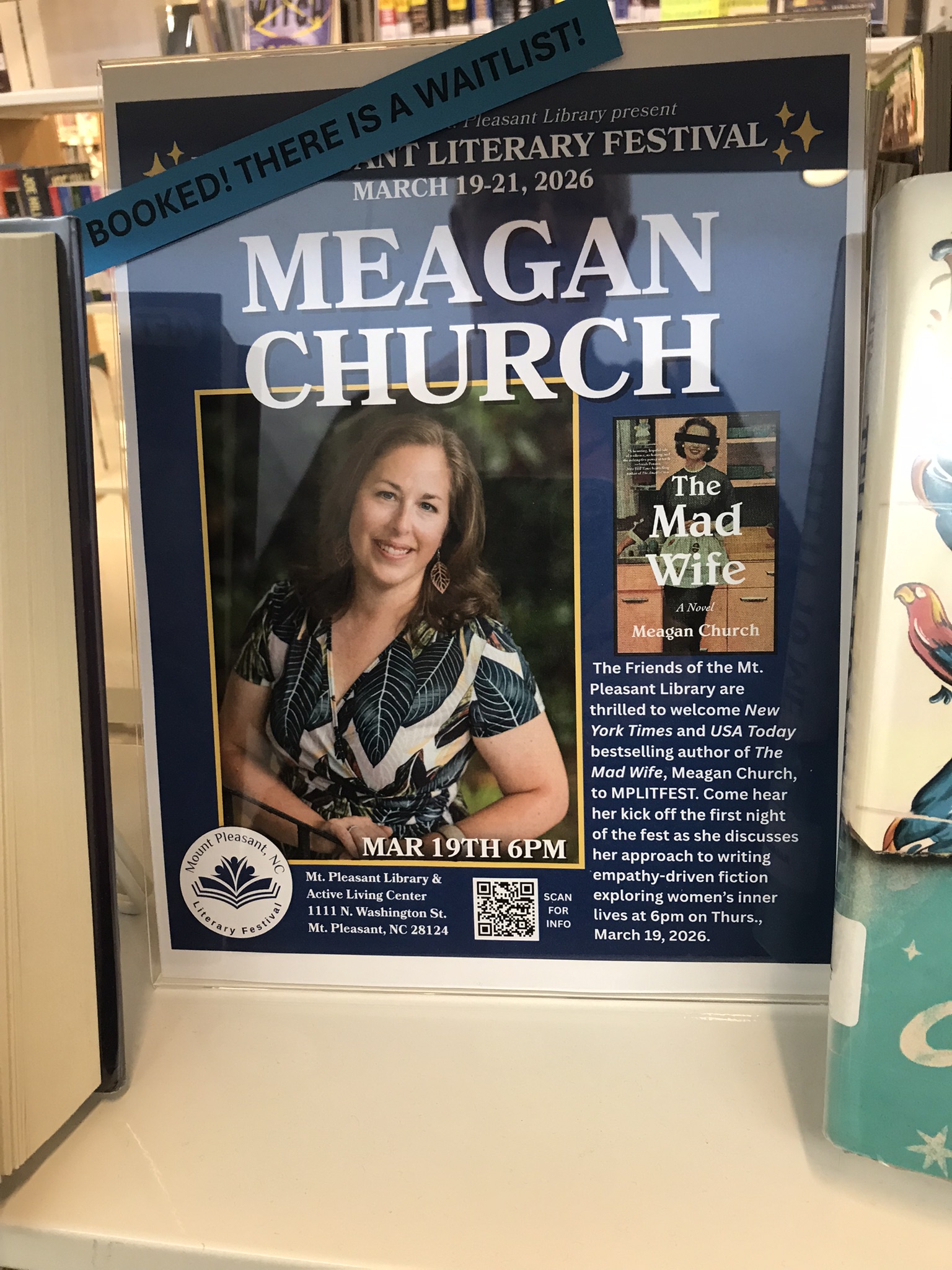
After Cathy Pickens’ Writer’s Workshop, I was excited to attend a presentation by New York Times Bestselling Author Meagan Church.
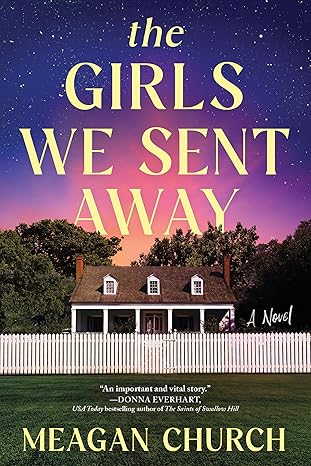
I thoroughly enjoyed hearing Meagan Church and seeing her in person on Thursday evening. I read her first two novels and blogged about them (The Girls We Sent Away in my September 2, 2024 blog post, Books I Read in August 2024 and The Last Carolina Girl in my May 1, 2023 post, Some of the Books I Read in April 2023.)
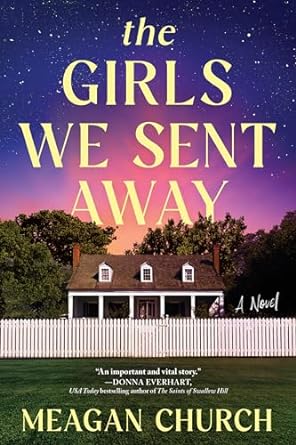
The Girls We Sent Away, by Meagan Church
The Last Carolina Girl, by Meagan Church
I have much less time to read now than I did several years ago. I unable to read much of Meagan’s Church New York Times Bestseller, The Mad Wife, before it had to go back to the public library. I’m on the waitlist again so I can finish it.
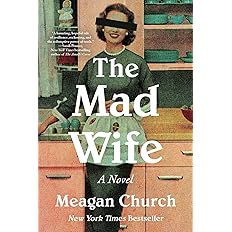
She mainly talked about The Mad Wife and what led her to do the research and write it. She talked about the history of the term “hysteria” and how it has always been relegated to women.
The Mad Wife, by Meagan Church
She talked about how nervous or excitable women and women with such ailments as multiple sclerosis were misdiagnosed through the years as “just being hysterical.”
The most gut-wrenching part of her talk was when she addressed how rampant lobotomies were in the first half of the 20th century and the gruesome ways one particular man used an ice pick through a woman’s eye socket to perform a lobotomy. This led many women in vegetative states which, unfortunately, was the objective.
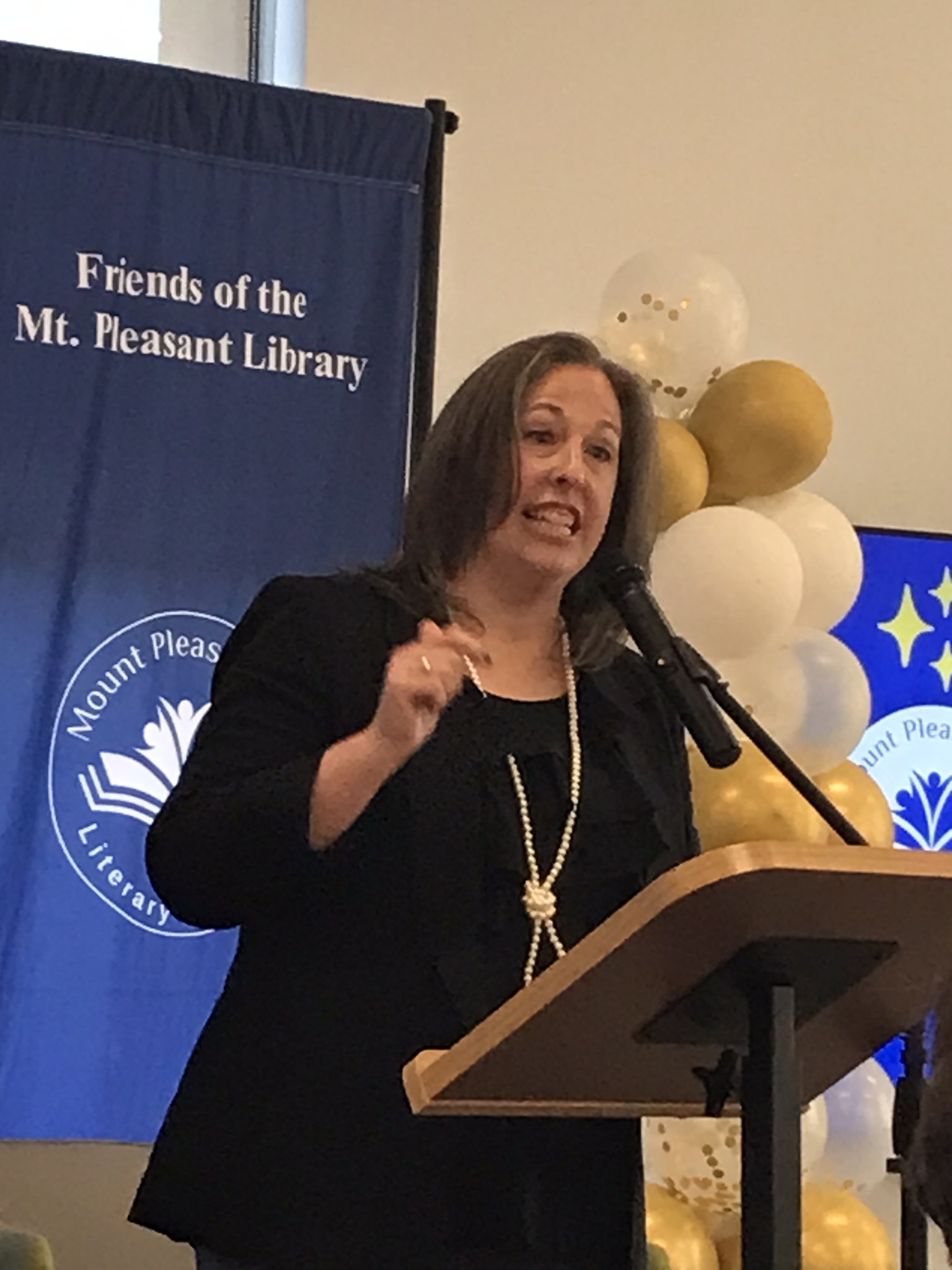
Meagan Church, during her presentation on March 19, 2026, at the Mt. Pleasant Literary Festival in Mt. Pleasant, North Carolina
She talked about how women have traditionally been omitted from medical studies – particularly drug studies – in spite of the fact that women tend to react differently biologically than men from certain drugs. She mentioned how women’s symptoms are often different from a man’s . It was only in the last 30 years that medical science began to acknowledge that and make a few exceptions in research.
It was a fascinating presentation, and the author and audience members were careful to avoid “spoilers” for those of us who have not read or finished reading the novel.
In a nutshell, Lulu is expected to be the perfect housewife in the 1950s in American suburbia. She collects Green Stamps (are you old enough to remember them? I am!) and tries to maintain her home just so for her husband, but cracks begin to appear in her life… and therein lies the story of The Mad Wife.
If you have not read any of Meagan Church’s books, I highly recommend them! Please visit her website, https://www.meaganchurch.com/.
Janet
The government should be afraid of its citizens, not the other way around.
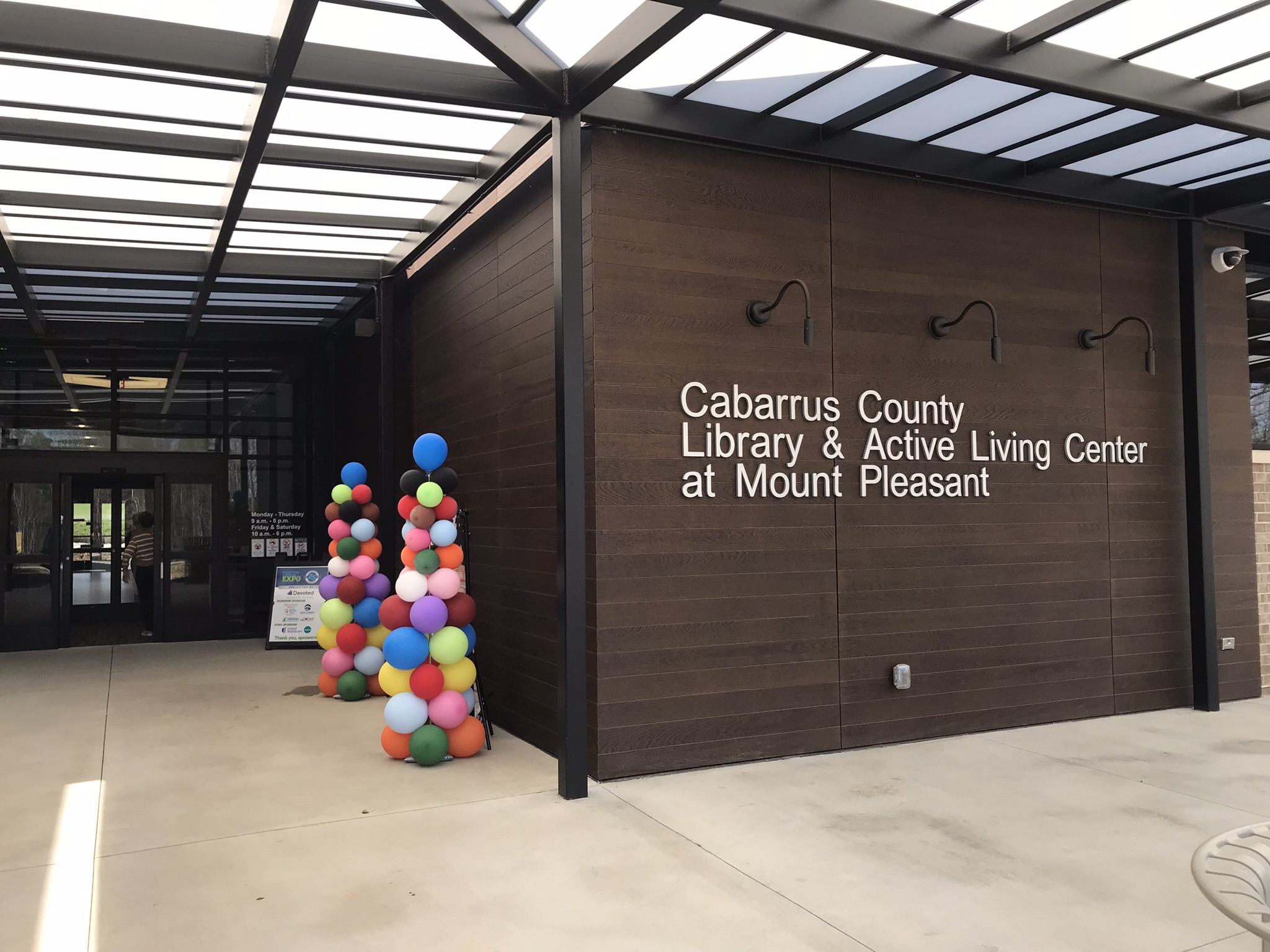
I had two delightful experiences last Thursday at the first day of the second annual Mt. Pleasant Literary Festival in Mt. Pleasant, North Carolina. The public library staff and The Friends of the Mt. Pleasant Library are real go-getters!
Mt. Pleasant is a quiet little town, more of a village than a town originally settled by German immigrants in the mid-1700s. It is in eastern Cabarrus County.
The Bernheim Literary Society (named for the literary society for the students of Mont Amoena Female Academy, located in Mt. Pleasant from 1859 until 1927), The Friends of the Mt. Pleasant Library, the Cabarrus Arts Council, and individual and commercial sponsors make this annual literary festival possible for the public – free of charge.
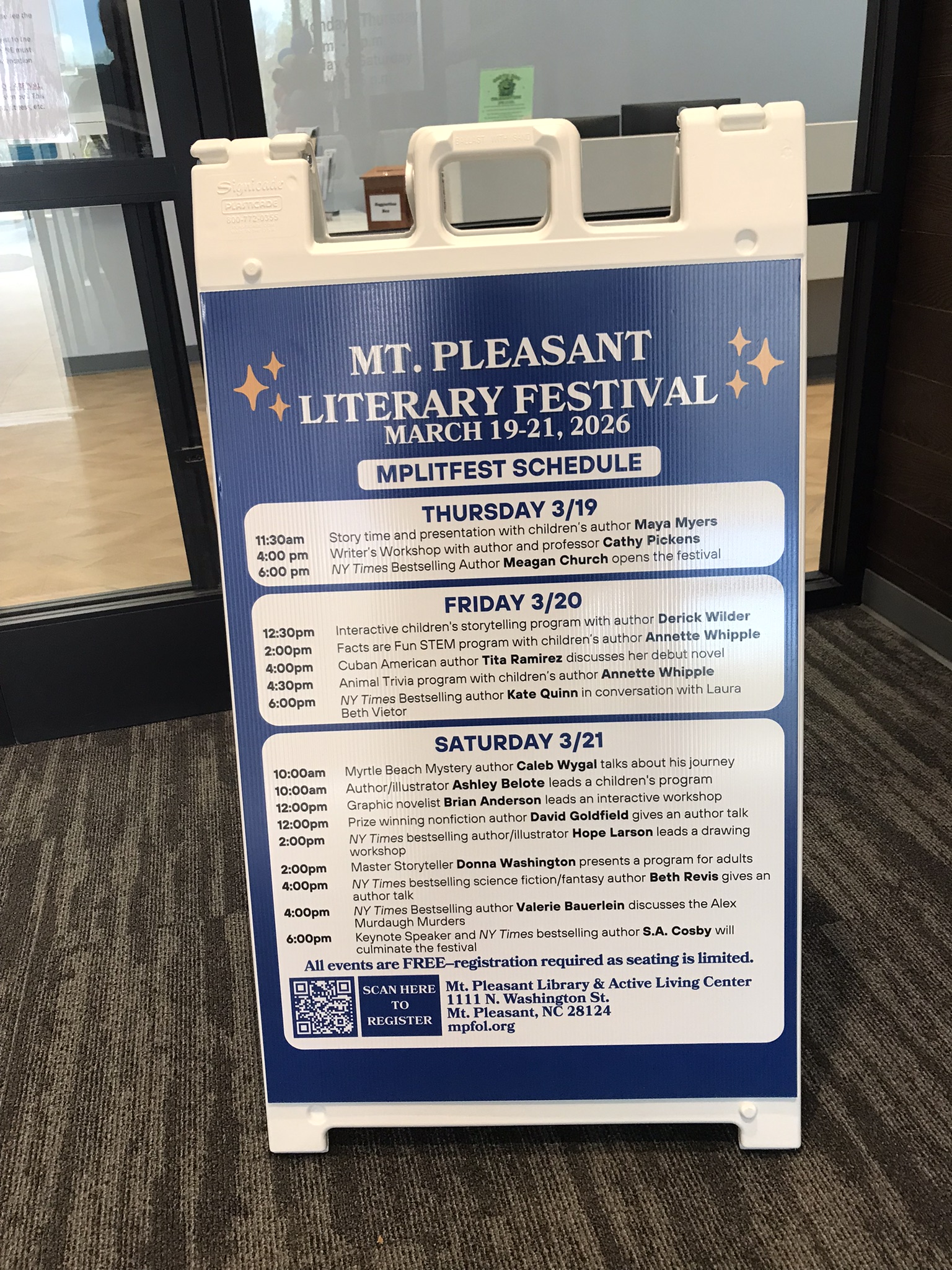
Schedule for the 3-Day event
This second annual event attracted such authors as Kate Quinn and Meagan Church! I understand some authors have already been signed on for next year’s festival. I can’t wait to find out who’s coming!
I was too late registering for Kate Quinn’s presentation. Lesson learned for future festivals!
The first event I attended on Thursday was a 90-minute Writer’s Workshop with author and professor Cathy Pickens. She has an impressive history as a lawyer, a professor, and a writer, so I was privileged to have the opportunity to finally attend one of her workshops.
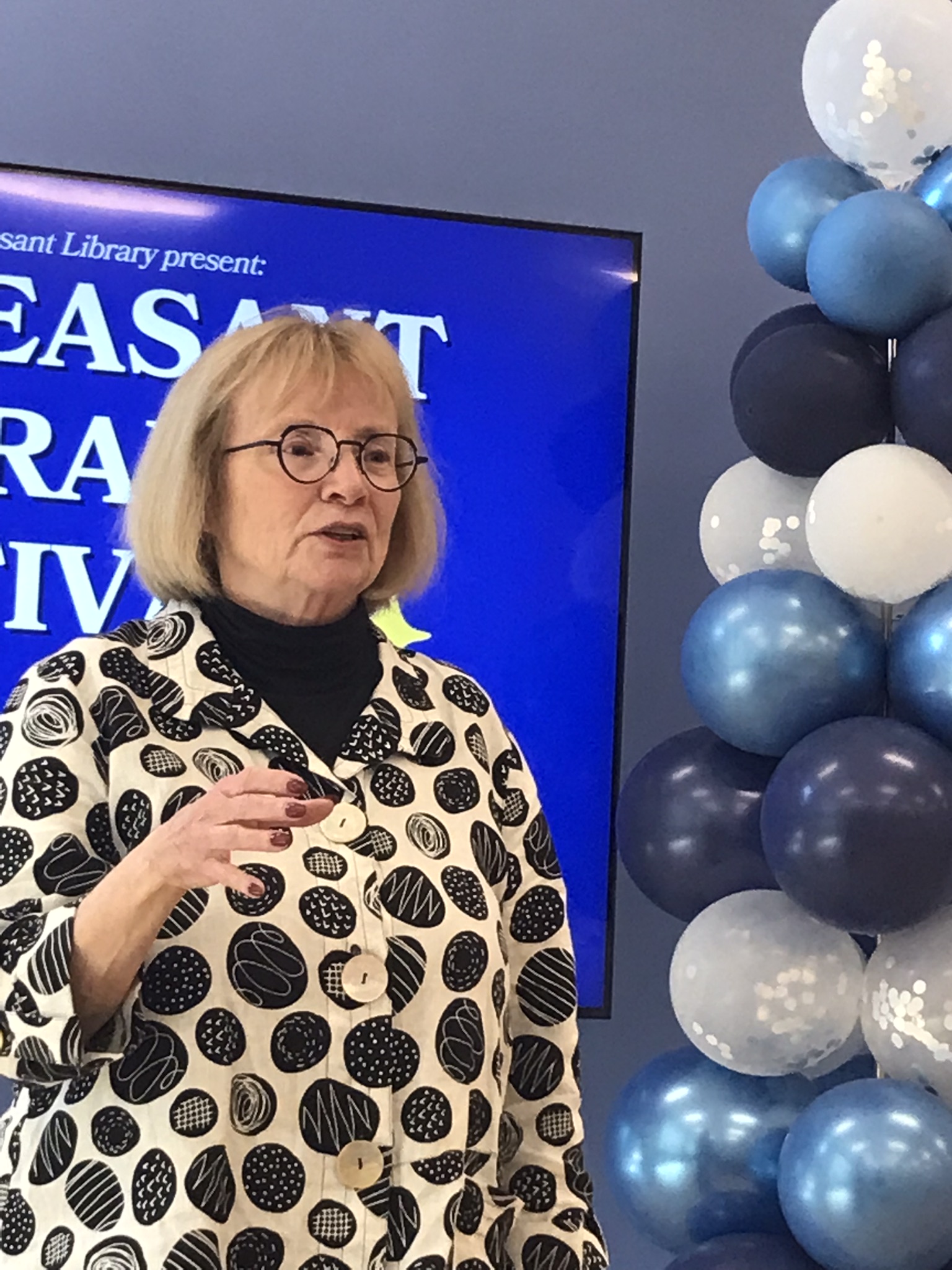
Cathy Pickens, teaching a Writer’s Workshop at the Mt. Pleasant Literary Festival, March 19, 2026
She led us through a systematic series of writing prompts to help us clarify the roots of our creativity and why we want to write what we want to write.
Workshop attendees were in various stages along our writing journeys. The first thing she had us write about was our “pinprick.” What was the pinprick that set in motion my desire to write the story I want to write? I knew immediately what the pinprick was for the series of historical novels I’m writing. It was a banjo from Africa.
(That’s all I will tell you about that banjo for now. You will need to continue to read my blog posts and subscribe to my e-newsletter if you want to find out later just how that came about. It seemingly came “out of the blue,” but maybe it is deeply connected to the historical fiction I want to write.)
Back to the workshop… I was able to quickly write an entire page about that banjo as my inspiration or “pinprick” as she called it.
Ms. Pickens talked about how it was sometime between the ages of eight and eleven that something happened that influenced the paths our lives take. Whether or not we are aware of it at the time, something happened that set us on a path to writing. Our worldview begins to shift, and you start to try to figure out what you want to be when you grow up. She asked us to write down everything we could remember from those years of our life.
I was surprised at how many things I remember and in minute detail and how each of those incidents made me feel. As I wrote, it became clear to me that my lifelong interest in the colonial era of United States history and what unbeknownst to me put me on the path to majoring in political science and minoring in history in college started when I was in Miss Judy Ford’s fourth grade class at Harrisburg School in Harrisburg, North Carolina.
Miss Ford made Jamestown and Colonial Williamsburg come alive to us, although we lived a long way from those places and had no hopes of visiting them in the foreseeable future. I’ll never forget that Colby Cochran’s father, Dan, built a pillory for the class so we could in some small way experience what that public form of punishment and humiliation was like for our nation’s colonial ancestors.
As you can see, Ms. Pickens’ questions and writing prompts triggered a flood of memories for me and helped me piece together why in later life I want to write historical fiction.
She talked about how creative young children are, but usually when we are in our teens peer pressure kicks in and most of us begin to stifle our creativity. We’re told to pursue occupations or fields of study to lead us to a way to make a living.
Being a writer is not the occupation one should choose in order to make a living!
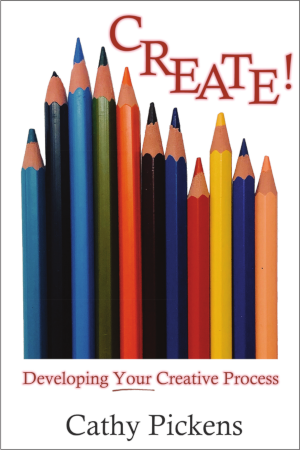
CREATE! by Cathy Pickens
Ms. Pickens talked about the writing process. Different participants in the workshop shared what their process is. She asked us what holds us back in our writing. (No one was pressured to voice their answers to any of her questions; it was a very relaxed and welcoming atmosphere.)
Ms. Pickens recommended that we set a goal to write a certain length of time or a certain number of words each day. Even if it’s only 15 minutes, slow and steady seemed to be her advice.
I recently revealed in my February 27, 2026 blog post (My new discovery: I’m a binge writer!) that I’d had the epiphany that I am a binge writer when it comes to my novel(s). I find it easy to work on a blog post or two each day, but when it comes to writing fiction I have not been able to discipline myself to write every day of the week.
Ms. Pickens advised us to be very specific in categorizing what we are writing. She pointed out that the Library of Congress categorizes books in more specific details than the Dewey Decimal System. She suggested that we look inside the front covers of books in the genre in which we write to familiarize ourselves with how the Library of Congress labels books.
She suggested that instead of asking a writer, “How long did it take you to get your book published?” a better question is, “How long did it take you to get your book publishable?”
The road to traditional publishing is typically years and years long.
Ms. Pickens ended by saying that the secret to success is discipline – time, place, and goal. To read more about Cathy Pickens, visit her website, https://cathypickens.com/. She has written a Blue Ridge Mountains series of cosy mysteries, a book of Charleston mysteries, nine true crime books, and CREATE! — a book for writers.
Tune in tomorrow for my blog post about author Meagan Church’s presentation.
Janet
The government should be afraid of its citizens, not the other way around.
After not finding anything that grabbed my attention enough to finish reading it in July, it was refreshing to get back into reading in August. My interests are varied, as you will see by the four books I read last month.
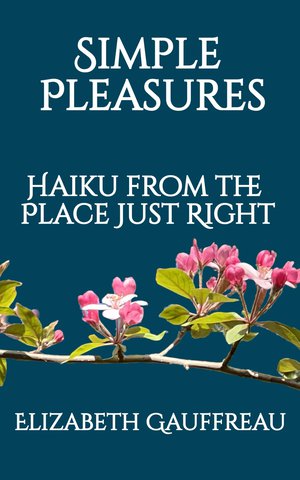
Simple Pleasures: Haiku from The Place Just Right, by Elizabeth Gauffreau
Simple Pleasures: Haiku From The Place Just Right, by Elizabeth Gauffreau
This is a wonderful collection of 53 haiku! If you aren’t familiar with the haiku form of poetry, this book by Elizabeth Gauffreau would be the perfect introduction for you.
Elizabeth writes in the haiku form of five syllables in the first line, seven syllables in the second line, and five syllables in the third line. Haiku is defined by syllables and a precise choosing of words, but that is not the essence of the art form.
As I understand it, — and I’m no authority — the essence of haiku is the creation of a compact choice of words that convey a feast for the senses. As a writer, I am always taken aback when I read haiku. I marvel at how eloquently and concisely a complete idea or image is written by the poet.
In Simple Pleasures: Haiku from The Place Just Right, Elizabaeth Gauffreau pairs each poem with a photograph from New England, so the book gives the bonus of specific places and images important to the poet. The reader can see what types of places in nature inspire Elizabeth in her writing.
This is a book I will read over and over. It is the perfect book to sit down with when you need a few minutes to relax or calm down after a trying experience. You can read the book in one sitting, or you can read it one poem at a time. Either way, you will savor the gift that it is.
The Girls We Sent Away, by Meagan Church
The Girls We Sent Away, by Meagan Church
Switching gears from the calming effects of haiku, The Girls We Sent Away, by Meagan Church, does not deal with a pleasant topic. It is about how in mid-20th-century America, unwed girls who became pregnant were often “sent away” to homes for unwed mothers.
The stigma attached to such events in the 1950s and 1960s was something that middle-class Americans could not deal with. Such girls were hidden away at home or, in many cases including the protagonist in this novel, quietly sent away to facilities just for such situations.
In this novel, Lorraine Delford aspired to be an astronaut in the early days of space exploration. She had the intelligence to do it. She was on track to be the valedictorian of her high school class when all that was shattered.
Lorraine finds herself in the predicament of getting pregnant, being abandoned by the boyfriend, and devastatingly abandoned by her parents. She goes from being the apple of her parents’ eye to being a source of great shame and embarrassment.
Lorraine is hidden away at home until arrangements can be made for her to move into a facility for unwed mothers. All life choices are now made by her parents and the authorities in charge of the dormitory-type home.
She is given little information about what will happen there, and even less information about what her life will be like. She has no say in what happens to her baby. She knows from what happens to other girls that as soon as she has her baby she will disappear without having the chance to say goodbye to her friends.
This book takes Lorraine through the whole process and into her return home to her parents. It is then that she discovers a deep, dark secret her parents have kept from her for her entire life. That secret changes everything.
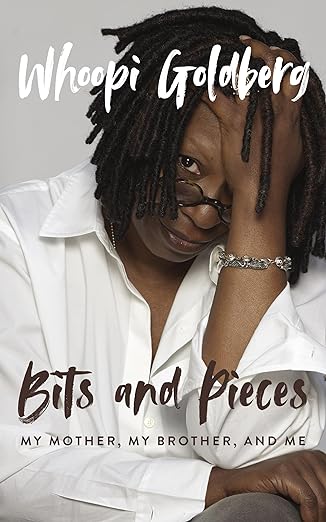
Bits and Pieces: My Mother, My Brother, and Me, by Whoopi Goldberg
Bits and Pieces: My Mother, My Brother, and Me, by Whoopie Goldberg
As a rule, I don’t follow the lives of celebrities. I don’t care about the ins and outs of their lives, unless it is to learn about their philanthropic endeavors. It’s nice to see someone with wealth using it to help less fortunate people or using it to save the planet and its wildlife.
Whoopie Goldberg is an interesting person. She and I are close in age. I have enjoyed her acting and I agree with a lot of her political views. I checked out her memoir, Bits and Pieces: My Mother, My Brother, and Me, to learn more about her background. Although contemporaries in age, I knew that she and I had very different childhoods.
In this book, Whoopie pulls no punches. She lays out many of the details of her life with frankness that many others would shy away from. She and her brother were very close. She knew he always had her back – as children and as adults.
Their mother was an extraordinary person, to say the least. Raising two children on her own was no easy task in New York City in the 1950s and 1960s, but she worked hard and made sure her children took advantage of every available opportunity for educational and cultural experiences.
Whoopie’s mother and brother have died, so Whoopie is left with a gigantic hole in her heart. They were the two people on Earth who knew her as well as she knew herself. This book conveys to the reader to never limit yourself or those around you. It also conveys to never take for granted the loved ones in your life, for they can be gone in an instant.
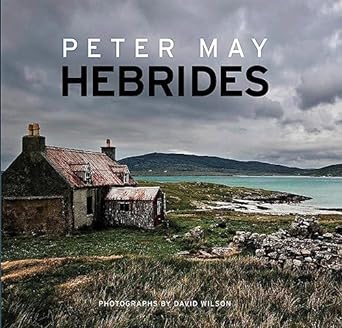
Hebrides, by Peter May
Hebrides, by Peter May, with Photographs by David Wilson
This is a fantastic picture book about the Hebrides off the northwestern coast of mainland Scotland. I have visited several islands in the Outer Hebrides and Inner Hebrides, and the gorgeous photographs and detailed descriptions in this book transported me right back there!
Readers might be familiar with the mystery novels written by Peter May. This is the same Peter May. He now lives in the Outer Hebrides, and this book leaves no doubt about his love for the islands.
The Hebrides are sparsely-populated with scatterings of communities among the massive peat bogs from which residents get most of the fuel for heating their homes and for cooking. Here and there along the rugged coast are pristine beaches. The waters of the Atlantic and The Minch are as clear as tap water. You will usually have a beach area all to yourself.
The area is so far north that in the middle of summer there are almost no hours of darkness, which makes for a tourist’s paradise. It’s not easy to get there. You don’t accidentally find yourself on the Isle of Lewis! But the effort is worth it if you seek a quiet place where the people are kind, soft-spoken in their Scottish lilt and their native Gaelic tongue, and the pace is somewhat slow. There are no crowded highways and no chain fast-food restaurants.
It is a spectacular corner of the world, and I will be forever blessed by having spent some time there. If you are planning a trip there or know that you will never get there, I recommend Hebrides, by Peter May to whet your appetite or to make you feel as if you have visited the islands.
P.S. Be sure and pack a heavy jacket, even if you’re going in July or August!
Until my next blog post
Be sure to visit my website: janetmorrisonbooks.com and subscribe to my e-Newsletter. The September issue will be coming out this week. I don’t want you to miss reading about my “field trip” last week to Swannanoa Gap in the mountains of North Carolina where I learned about the construction of the Western North Carolina Railroad in the 1870s.
April was a busy month, but I found time to read a variety of books. As is my habit, I’ll take the opportunity of the first Monday in May to blog about what I read in April. I hope you’ll find a book or two of interest.
Time’s Undoing, by Cheryl A. Head
Time’s Undoing, by Cheryl A. Head
This new novel alternates between the mysterious death of Robert Lee Harrington in 1929 and his journalist great-granddaughter’s persistent search for answers in 2019. I don’t usually enjoy novels written in alternating timelines, but this one worked.
Mr. Harrington is a master craftsman in carpentry in Birmingham, Alabama in 1929. A Black man, he is seen as too flamboyant by the white population. He takes pride in his work and his nice car. He presses his luck and, when he is in the wrong place at the wrong time, things go terribly wrong.
Harrington’s great-granddaughter, Meghan McKenzie, comes along 90 years later. She’s a reporter for the Detroit Free Press. In conjunction with working on a Black Lives Matter report, Ms. McKenzie decides to go to Birmingham to try to uncover the details of her great-grandfather’s death.
The danger McKenzie is in escalates the closer she gets to the ugly truth.
To be honest, I bristled two or three times when McKenzie made blanket statements about white southerners. I was, in fact, tempted early on to stop reading the book; however, I’m glad I stuck with it. Perspective is everything, and I can’t expect the young black reporter from Detroit to see things the way I do.
In fact, it would be unrealistic. I think it’s human nature for us to make blanket statements about people who don’t look like we look or who live in different regions (or countries) from where we live. Assumptions are made about the South and white southerners. Likewise, southerners make assumptions about people who live in other parts of the country.
The deeper I got into the novel, the more I was drawn into the characters and the story. I’m not a fast reader, but I read the second half of the book in two days because I couldn’t wait to see what McKenzie would find out and if she would survive to tell her great-grandfather’s story.
Code Name Sapphire, by Pam Jenoff
Code Name Sapphire, by Pam Jenoff
In this historical novel, Pam Jenoff pulls bits and pieces from World War II history in Europe and weaves a story that will keep you on the edge3 of your seat.
Micheline heads the fictitious Sapphire Line in the resistance in Belgium. The network, whose mission is to get downed Allied airmen safely o9ut of German-occupied Belgium, is loosely based on or inspired by such real operations as the Comet Line.
Micheline’s brother, Matteo, is heavily involved in the Sapphire Line. He is still in love with a woman from his past. Will they reconnect even during the war?
Hannah is a Jew who escaped from Nazi-occupied Belgium once, but the ship she is on with other refugees is turned away from the harbor in Havana. Is she returned to Belgium? Does she work with the Sapphire Line? Does she make Matteo forget about his long-lost love?
Lily is Hannah’s cousin. Lily is the only family Hannah has to turn to for help while she tries to figure out how to escape to America.
But, as in all good fiction, nothing goes as planned. Everything that can go wrong seems to go wrong.
Who will betray friends or relatives? Who will survive? You just might be surprised!
The Last Carolina Girl, by Meagan Church
The Last Carolina Girl, by Meagan Church
The author of this novel is an editor I found last October on Reedsy.com. Being from North Carolina, the title grabbed my attention. I pre-ordered the book to help support this author. The book was released on March 7, 2023, but I didn’t get a chance to read it until April.
(Rule #1 for supporting a new book: Review it as soon as it is released to boost sales and attention for the book. The first 30 days after a book’s release is the most important time to support it and its author as far as the Amazon algorithms are concerned.) My apologies to Meagan Church for missing this window of opportunity. I really need to do better.
Back to the book… Leah Payne is a 14-year-old orphan from Supply in Brunswick County, North Carolina. The neighborhood couple who take her in try to do the best thing for her… or do they? Arrangements are made and she is taken to Matthews in Mecklenburg County, North Carolina. She dreams of a foster family there who will love her, perhaps even provide for her a bed and bedroom of her own.
But when she arrives in Matthews in 1936, she doesn’t receive the welcome she is expecting.
How to Read Novels Like a Professor: A Jaunty Exploration of the World’s Favorite Literary Form, by Thomas C. Foster
How to Read Novels Like a Professor, by Thomas C. Foster
The title intrigued me. As I read the first four chapters, I took some notes. There were a number of succinct statements about writing.
There was insight about how important the first sentence, first page, and first chapter are if an author wants to snag the interest of a reader.
The author set forth some humorous “laws” of writing, including “The Law of Bogus Locales,” “The Law of Look Who’s Talking,” and “The Law of Narrative Unreliability.”
Another example is “The Law of the Conservation of Character” which the author explained as “Thou shalt not burden the punter with needless character development.” He went on to translate that as follows: “If fiction writers are any good, they only tell you as much as you absolutely need to know.”
By the time I’d read the first half of the book, I found myself skipping pages. I decided it’s just possible that I don’t want to read novels like a professor. I want to read them as a reader.
The Light We Carry: Overcoming in Uncertain Times, by Michelle Obama
The Light We Carry, by Michelle Obama
I listened to this book on CD. It was read by the author, which made it extra enjoyable. This is a book of common sense and encouragement. Mrs. Obama talks about her childhood and how her parents instilled in her and her brother the merit in hard work and the value of a dollar. They instilled in the two children the value of standing up for yourself and your beliefs. She talks about the value of friendships and family. Those are the important things in life. She talks about always trying her best and often being criticized and misconstrued.
People who don’t approve of President and Mrs. Obama probably wouldn’t like this book, but they probably wouldn’t bother to read it. That would be their loss. I found the content of the book to be honest and uplifting. Hearing Mrs. Obama read it herself was a bonus.
Other books I read in April
I read Natural Color, by Sasha Duerras part of my research so I can write authentic historical fiction. I might have the main character in The Heirloom know a bit about using items in nature to dye fibers, yarn, or fabric.
Writing Short Stories to Promote Your Novels, by Rayne Hall struck a chord with me. If you’re writing a novel, too, then you might want to take a look at this book. In a nutshell, it takes you through a step-by-step model to assess the kind of book you’re writing. Then you brainstorm for ideas of a short story or multiple short stories you can write that have a connection to your novel. By publishing those short stories, you not only introduce your potential novel readers to your style of writing and your genre, you can also introduce them to one or more of the characters in your novel. It really got the gears in my head turning!
How to Find Book Reviewers: How to Get Reviews the Easy Way, by Werner Stejskal gave me some ideas for finding book reviewers I’ve not stumbled upon yet. I tend to shy away from book titles that include the word “easy,” but I decided to read this one.
Book Review Banzai: The Unknown Author’s Ultimate Guide to Getting Amazon Reviews, by Jason Ladd, Julie Gwinn, and Tom Morkes. Are you picking up on a pattern here? Book reviews on Amazon are extremely important, especially for authors just arriving on the literary scene. (Hint, Hint!)
Since my last blog post
Amid some fairly substantial computer problems, my sister and I took a trip to beautiful Asheville, North Carolina. I wrote all about it in my May newsletter. A highlight for me was visiting Hart Square Village in Vale, North Carolina. The village is a source of inspiration for my historical fiction writing.
That’s just a little of what you’re missing if you haven’t subscribed to my mailing list/newsletter. Here’s the link to my website where you can subscribe: https://janetmorrisonbooks.com/subscribe/. I plan to send out an e-newsletter every other month.
Until my next blog post
I’ll try to do a better job of writing book reviews on Amazon and Goodreads.com.
I hope you have a good book to read. Perhaps one of the books I read last month has piqued your interest.
Wherever you live, you’re probably experiencing a change of seasons. Here in North Carolina, we’re entering my favorite time of the year – seasonal allergies and all!








 Janet's Writing Blog