
On the first Monday of each month I usually blog about some of the books I read the previous month. I will write about a couple of the books I read in May in my post on June 17.
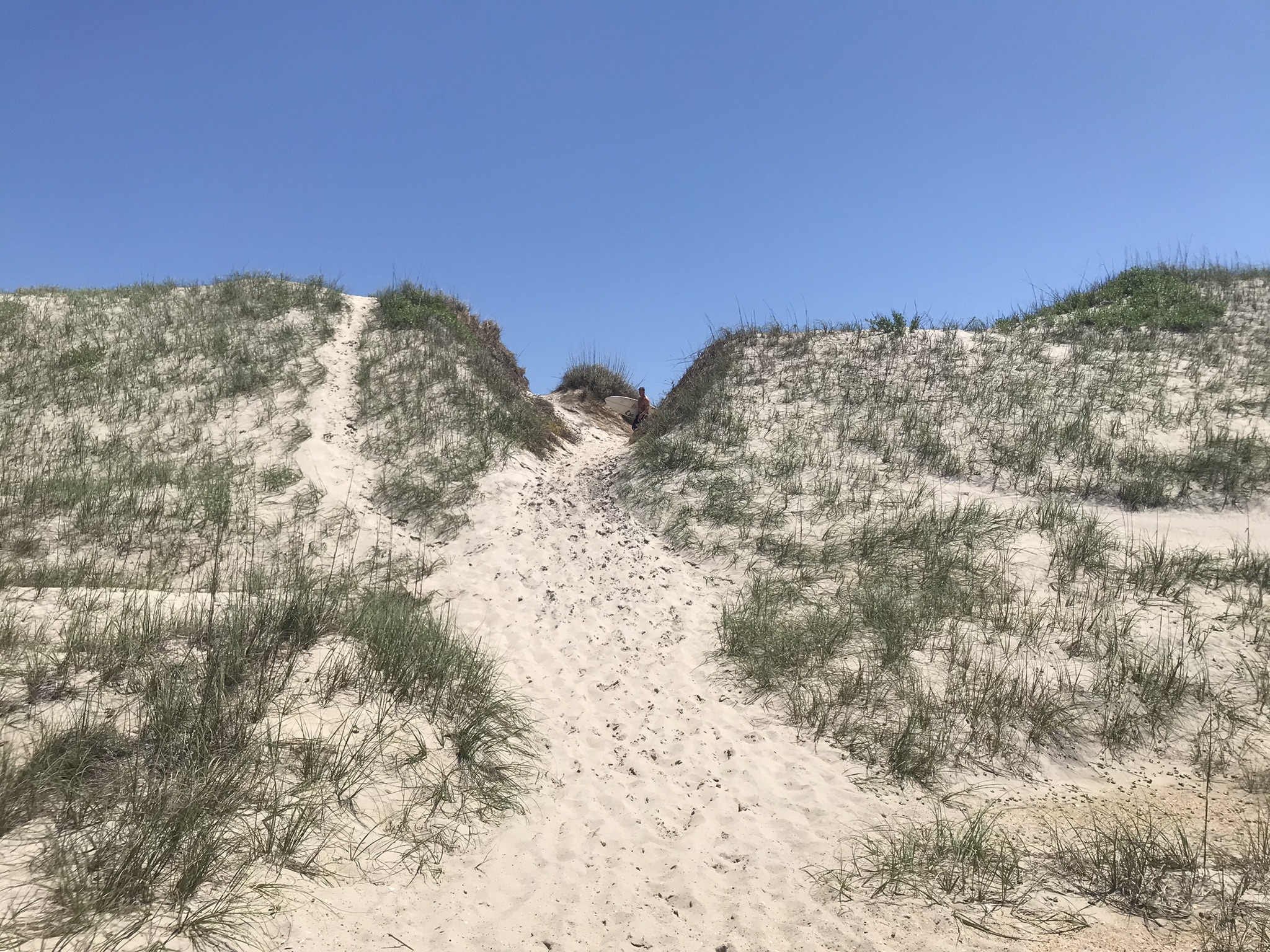
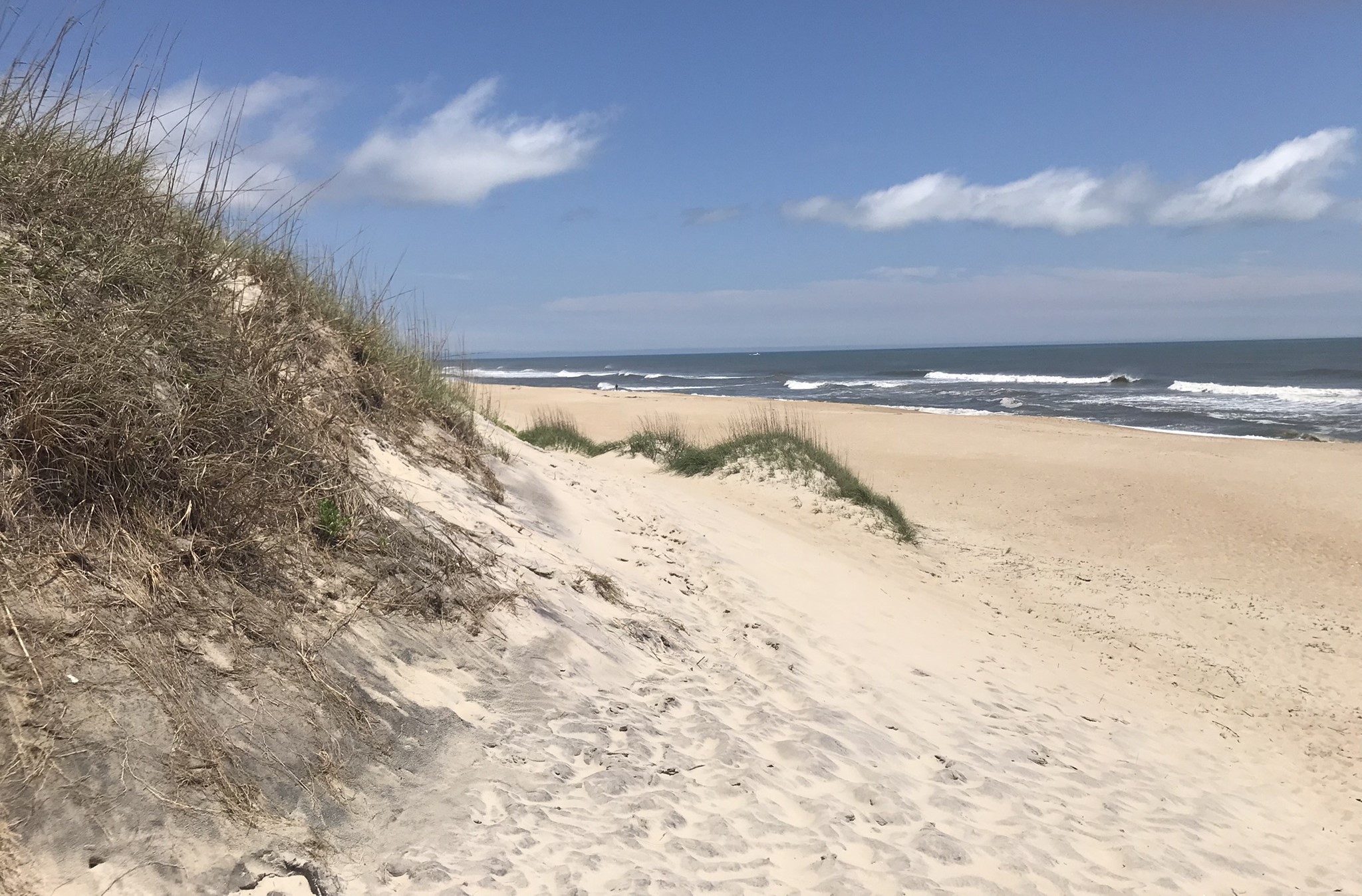
Last Monday I blogged about visiting the northern end of the Outer Banks of North Carolina in mid-May. I failed to illustrate Jockey’s Ridge adequately, so here are a few photos to show you just a little of that massive sand dune.

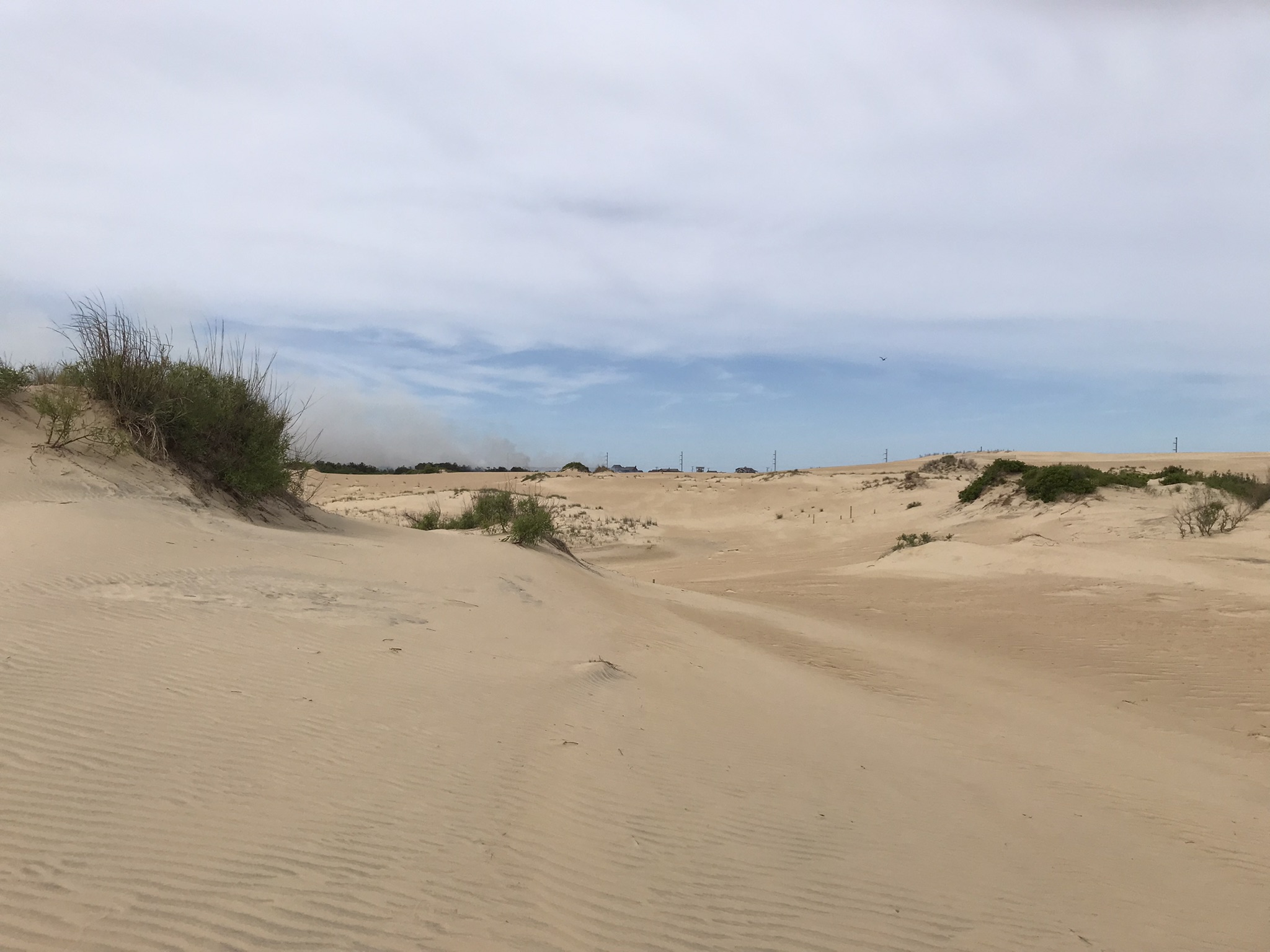

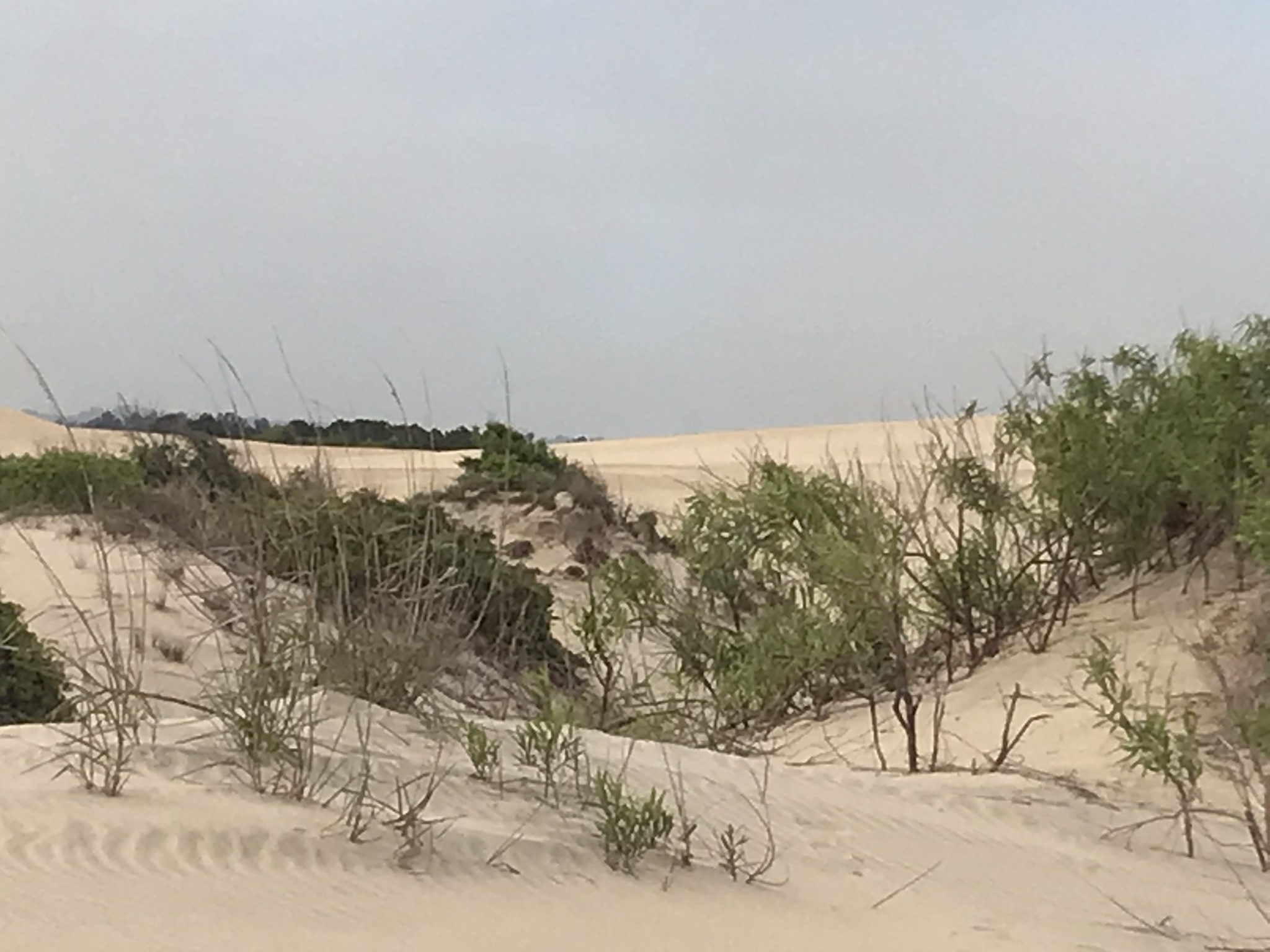
Jockey’s Ridge State Park covers 427 acres. It is estimated that the dune contains 30 million tons of sand and has been there for 7,000 years. For more information, visit https://www.ncparks.gov/state-parks/jockeys-ridge-state-park.
The southern end of the Outer Banks
The rest of today’s post covers the sights on the southern part of those barrier islands.
I hope you will be inspired by my blog to add the Outer Banks to your “bucket list” as the 120-mile-long string of barrier islands is a natural treasure everyone should get to see at least once.
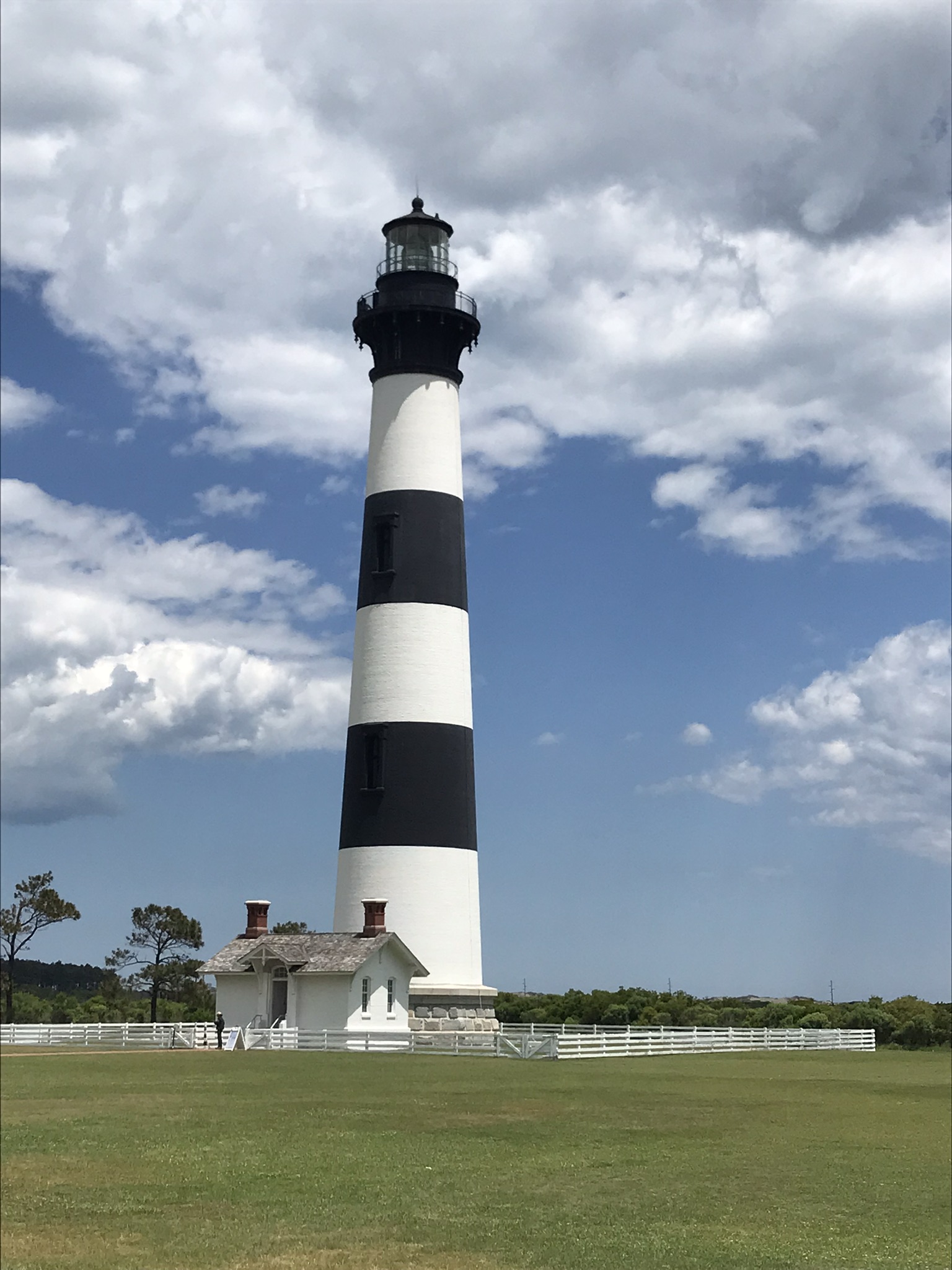
Enjoy the beautiful Bodie Island Lighthouse and adjoining boardwalk trail. https://www.nps.gov/caha/planyourvisit/bils.htm
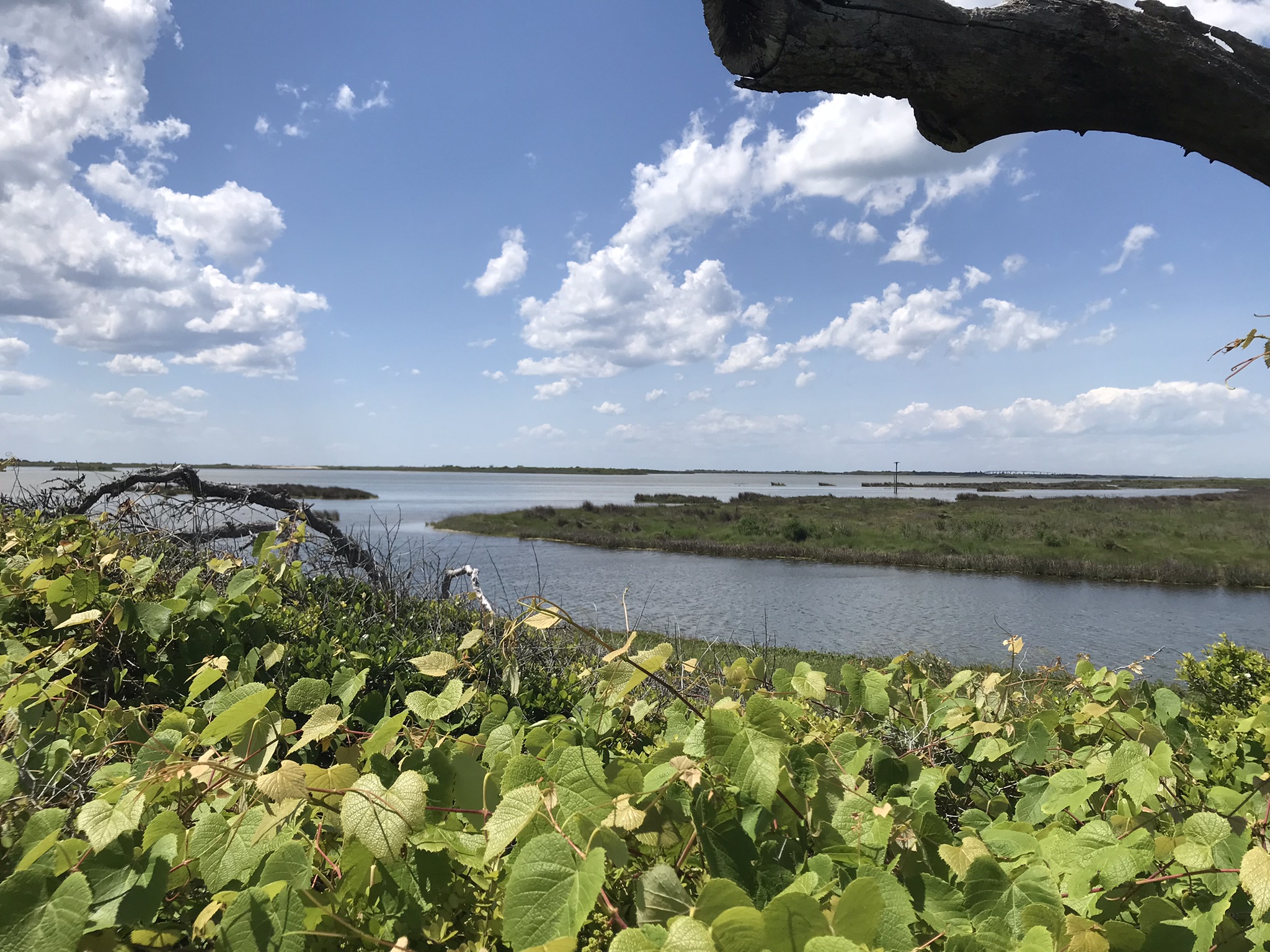
Set aside time to hike in the Pea Island National Wildlife Refuge. https://www.fws.gov/refuge/pea-island
Take advantage of beach access stops along the way to enjoy the sand, the churning Atlantic Ocean, and Pamlico Sound.
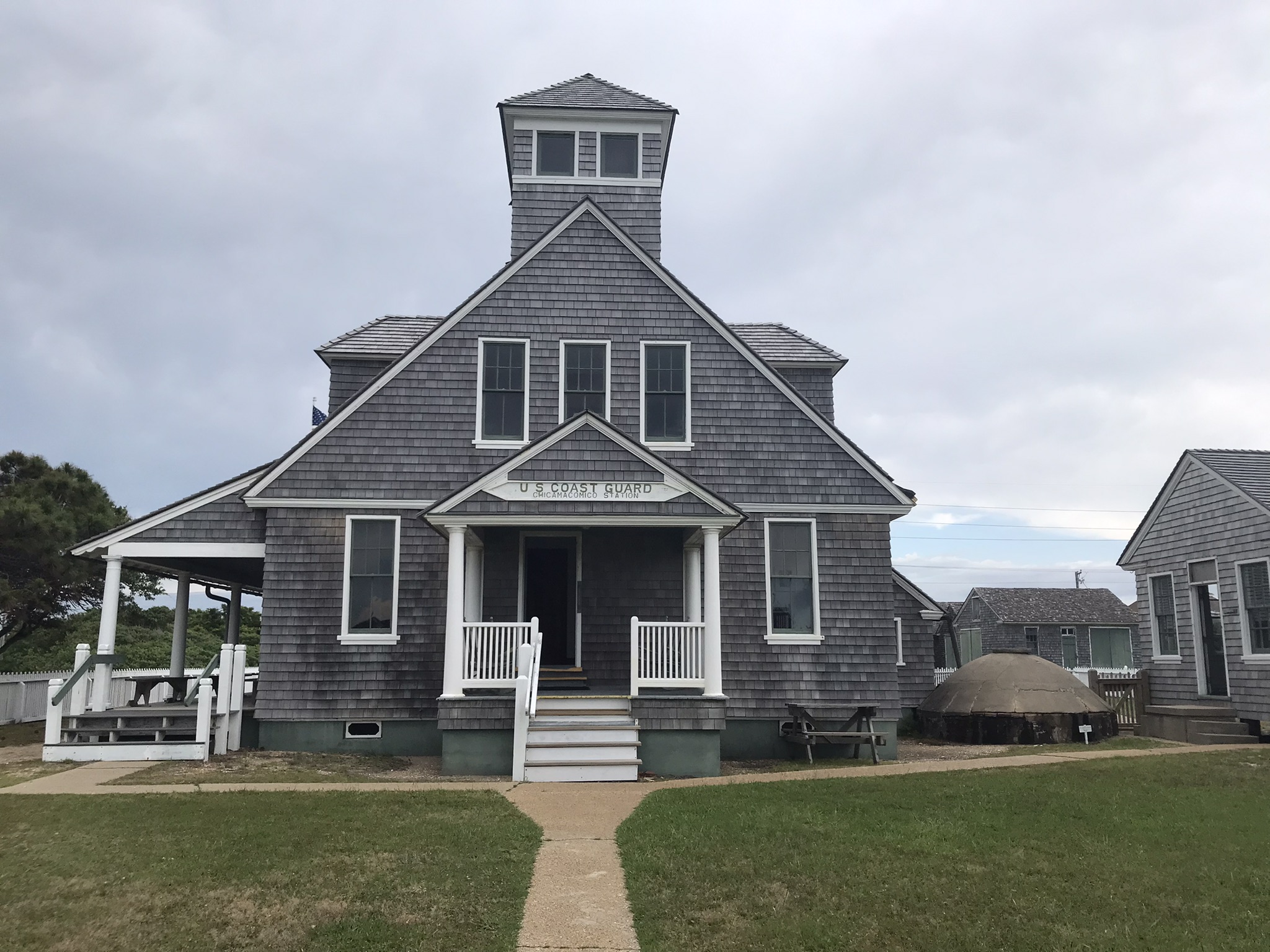
Be sure to visit the Chicamacomico Life-Saving Station in Rodanthe, established 150 years ago, to learn about the bravery of the men who risked their lives for decades to rescue sailors in distress along this “Graveyard of the Atlantic.” The video there is quite informative. For more information to help you plan your visit, this website gives details: https://chicamacomico.org/.
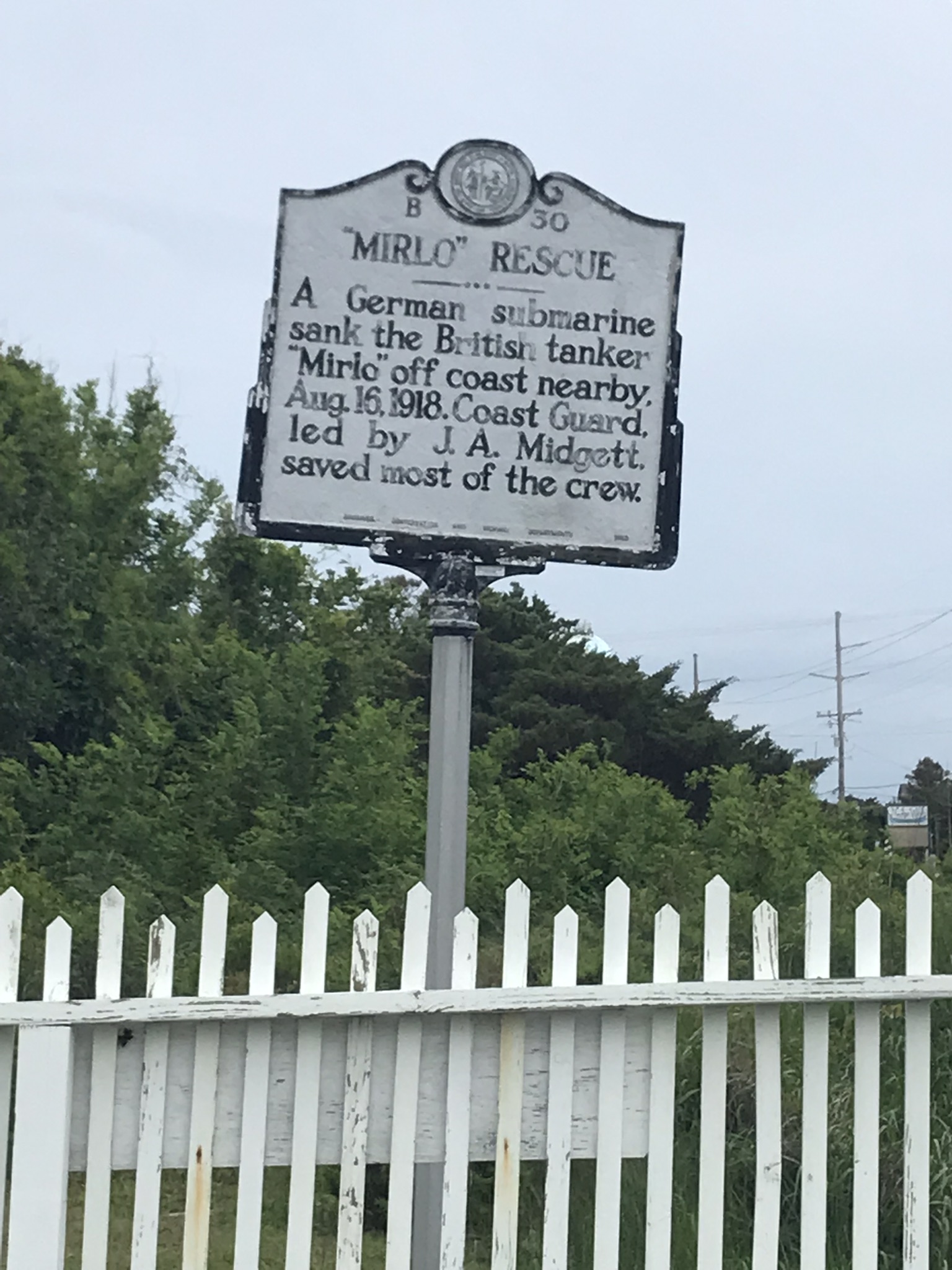
We tend to think of all of World War I taking place faraway in Europe and, indeed, most of it did; however, the Atlantic coast of the US was not immune to attack and the ramifications of sea warfare between Germany and England. Below is a photo of the roadside marker about the nearby sinking of a British tanker, Mirlo, by a German submarine. Coast Guardsmen stationed at Chicamacomico saved most of the tanker’s crew. If you want to read more about the rescue of the Mirlo, I recommend this website: https://www.ncpedia.org/mirlo-rescue.
Rodanthe was in the news again last week because another house fell into the ocean. According to the National Park Service, that’s the sixth privately-owned house to be claimed by the Atlantic in recent years. It makes one wonder why they were allowed to build houses there. Volunteers were sought the following day to clean up pieces of the house and its contents that had been strewn up and down the beach.
I took a picture of several houses the ocean is trying to claim on the beach at Buxton. This situation makes no sense to me.

Buxton is home to the glorious Hatteras Lighthouse – at 198.49 feet it is the tallest brick lighthouse in the United States. One word of caution, though: The Hatteras Lighthouse is undergoing two years of restoration and is currently encased in scaffolding.
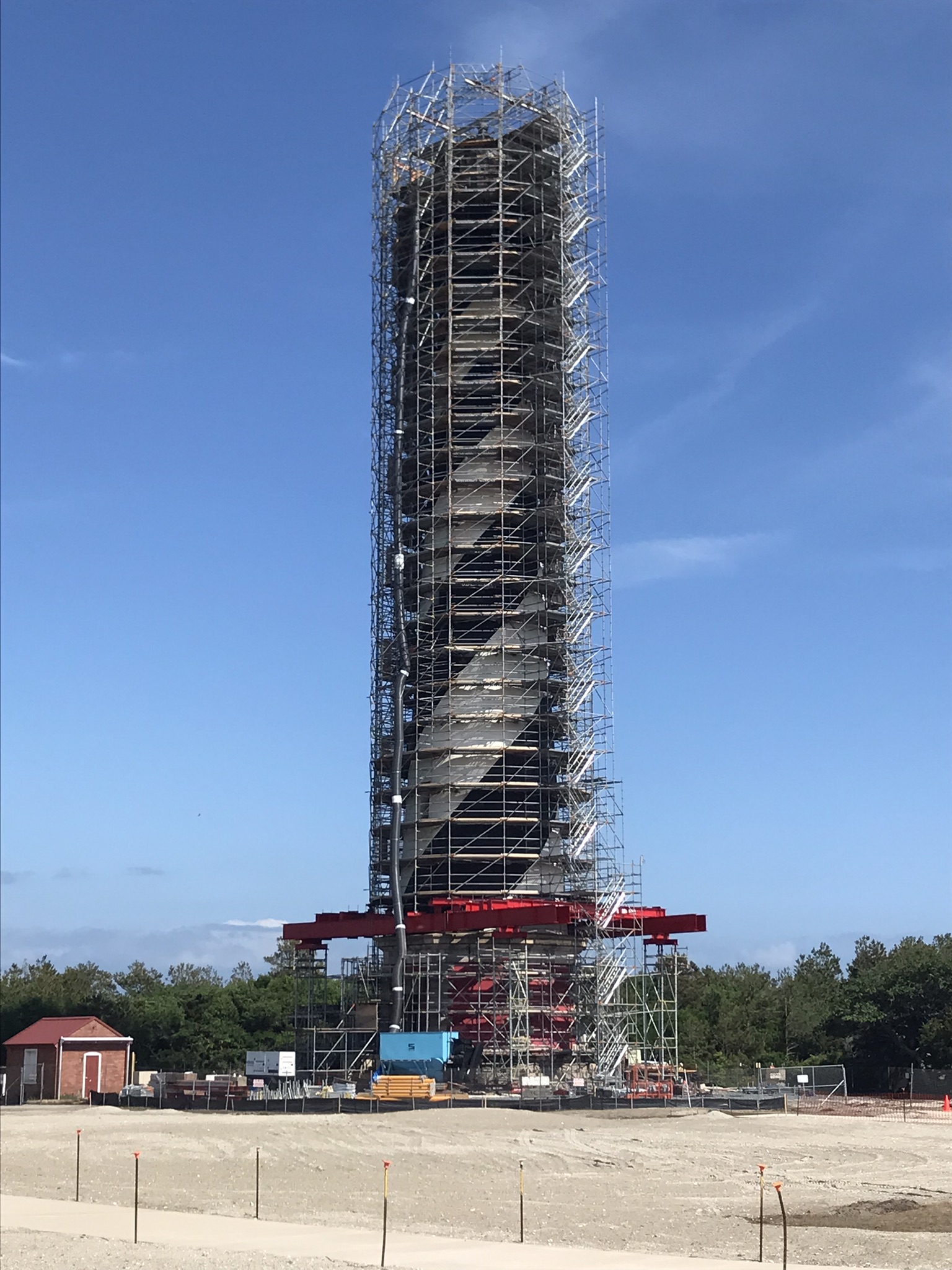
While it is closed, you can take virtual tour online at http://Cape Hatteras Light Station – Cape Hatteras National Seashore (U.S. National Park Service) (nps.gov). Fortunately, I saw it at its original location before its historic move in 1999 to save it from the ocean. The visitor center is open and you can get close enough to take pictures of the lighthouse during the 18- to 24-month restoration.
The iconic black and white painted swirl just can be seen through the scaffolding, but you might want to wait and visit in the summer of 2026 to see it in all its beauty. If you like lighthouses, you’ll love this one!
(This month’s experience reminded us of our once-in-a-lifetime trip to New York City in the mid-1980s. We rode the Staten Island Ferry so we could see the Statue of Liberty even though it was being restored and was completely encased in scaffolding. We have a knack for seeing national landmarks during their restorations!)
If you go to Hatteras Island now, you can visit the Graveyard of the Atlantic Museum. It has undergone a major remodel and was still closed when I was there on May 16-17. The grand re-opening was held on May 20, so I just missed getting to see the inside of it. Here’s the museum’s website: https://graveyardoftheatlantic.com/. Note that it is not open on weekends or state holidays.

Ocracoke Island
Storms along the Outer Banks wreak havoc with North Carolina Highway 12. Literally! The Department of Transportation constantly must remove sand from the highway, close it due to high water, and – occasionally – relocate the road.
A storm in April 2024 created all kinds of problems along NC-12. It had been restored to good condition down as far as Hatteras Village, but as of three weeks ago the portion on Ocracoke Island (http://First-timers Guide to Ocracoke Island – Visit Ocracoke NC) was still being worked on.
We had planned to take the free NC ferry from Hatteras Island to Ocracoke Island and the fee-supported NC ferry from Ocracoke to the mainland, but due to the one-lane traffic on part of Ocracoke Island we changed those plans and drove back up the Banks to Southern Shores and bridges to the mainland. (Here’s a important website, if you’re planning to use any of the 21 ferries operated by the NC Department of Transportation: https://www.ncdot.gov/travel-maps/ferry-tickets-services/routes/Pages/default.aspx.)
The Outer Banks of North Carolina are truly a national treasure. If you bemoan the fact that you must pay federal income tax, just remember that your hard-earned tax dollars help preserve miles and miles of the Outer Banks of North Carolina.
In fact, I’ve heard it suggested that if you resent paying income tax perhaps you should choose to think that all your tax dollars go to support the national parks, national seashores, and historic sites.
Look for the third and final installment of my blog series about my recent need for a change of scenery next week when I will tell you about the many points of interest we enjoyed on our way to and from the piedmont to the northeastern coastal plain of North Carolina. I think you are in for some surprises!
Until my next blog post
I hope you have a good book to read.
In case you missed the first part of my two-post blog series about the Outer Banks of North Carolina, here’s the link to my May 27, 2024 post: https://janetswritingblog.com/2024/05/27/this-writer-needed-a-change-of-scenery-part-i/.
Remember the people of Ukraine.
Thank you for taking the time to read my blog! When you have a couple of minutes, I invite you to visit my website to see what I was doing prior to my trip and the types of writing I will continue to do: https://www.janetmorrisonbooks.com.
Janet

 Janet's Writing Blog