
Today’s blog post is about one example of environmental justice… or, more accurately, environmental injustice.
What is Environmental Justice?
As succinctly stated on the website of The Goldman Environmental Prize (https://www.goldmanprize.org/), “Environmental justice is the idea that people of all cultures, races, ethnicities, and socioeconomic backgrounds deserve fair protection from environmental and health hazards, as well as equal access to the decision-making processes behind environmental policies and development.”
Dr. Robert Bullard, a pioneer of the environmental justice movement told Earth First! Journal in an interview: “The environment is everything: where we live, work, play, go to school, as well as the physical and natural world. And so we can’t separate the physical environment from the cultural environment. We have to talk about making sure that justice is integrated throughout all of the stuff that we do.”
It seems like it would be difficult to argue with that, but the Trump Administration finds it easy to do so.
In Lowndes County, Alabama…
The Associated Press (AP) reported that on April 11 (That’s almost two weeks ago! See, I can’t keep up!) that the US Department of Justice (DOJ) is “ending a settlement agreement regarding wastewater problems” in Lowndes County, Alabama. The Biden Administration launched an investigation into a sewage back up problem in Black communities in the county.
The AP’s report stated, “Federal officials said the decision follows President Donald Trump’s executive order forbidding federal agencies from pursuing diversity, equity and inclusion initiatives. ‘The DOJ will no longer push ‘environmental justice’ as viewed through a distorting, DEI lens,’ Assistant Attorney General Harmeet K. Dhillon of the Justice Department’s Civil Rights Division said in a statement.”
The AP report continued: “‘President Trump made it clear: Americans deserve a government committed to serving every individual with dignity and respect, and to expending taxpayer resources in accordance with the national interest, not arbitrary criteria,’ the statement said.
“U.S. Attorney General Pam Bondi in February issued a memo rescinding a Biden-era directive to prioritize environmental justice cases.”
I was struck by the fact that this statement came from the Civil Rights Division of the US Justice Department.
Focusing on the “D” in DEI – diversity –, I’m left to assume that until sewage is backing up into every home in America, the Trump Administration won’t do anything because the last thing Trump would want to do is play favorites. <sarcasm>
But, hey, wait! He can’t do anything because that would be putting all Americans on an equal (the “E” in DEI) footing in the eyes of the US Government.
We can’t help one group because that’s diversity and we can’t help everyone because that’s equity.
And it goes without saying that under Trump there can be no “I” for inclusion.
Thinking back to my March 31, April 2, and April 3, 2025, blog posts… I can’t believe we’re even talking about DEI because the Trump Administration said US Government agencies should no longer use the words “diversity, equity, or inclusion.”
But I’ve gone off on a word tangent, when the immediate problem for the people in Lowndes County, Alabama is a sewage/public health issue.
And the deeper issue is the audacity of Donald Trump to think it’s all right for such a problem to continue so he pulls the plug on the agreement that made federal funds available to fix the problem.
The end result is now no one, no city, no county, no state, no school district, no university, no library, no museum, and no country can depend on the stated or written word of the United States of America because with the scratch of a black Sharpie pen, President Trump can apparently cancel any agreement or promise or guarantee made by any of his or her predecessors. And the US Congress lets him.
I don’t have enough imagination to contemplate where this blatant disregard for the integrity of the United States of America will end.
The 2025 Goldman Environmental Prize Winners
The seven 2025 Goldman Environmental Prize winners were announced in San Francisco on Monday, April 21, the night before Earth Day. (I don’t know why that sentence is showing up in blue!)
Here’s a link to the April 21, 2025, Goldman Environmental Prize Award Ceremony on YouTube: https://www.youtube.com/watch?reload=9&v=0rGdW17dyPE. The entire program lasts an hour and 40 minutes and is inspiring, to say the least. I highly recommend that you take the time to watch it. At the very least, watching the first 11 minutes just to see the fantastic photography will relax you and serve as a wonderful reminder of how beautiful and precious our natural world is.
The seven prize winners this year:
Laurene Allen, a clinical social worker, moved to Merrimack, New Hampshire 40 years ago. Co-Founder of Merrimack Citizens for Clean Water. In 2016, it was found that the town’s drinking water contained high levels of PFAS, also known as forever chemicals. The city water and well water had been polluted by an industrial plastics factory. Spurred into action by the local government downplaying the problems, she educated herself about the chemicals. Conducted door-to-door surveys to document health problems connected to PFAS. When she testified at a town council meeting, she was called out for using the word “contamination.” She was told that word was “inflammatory.” She was accused of fear mongering. Her citizens group engaged scientists and universities to test air, water, and soil. Members of the group ran for public office on the state and local level where they pushed for safer PFAS standards. And yet, production increased at the factory. In 2025, after eight years of fighting for clean water, Saint-Gobain decided to close the factory!
Semia Gharbi, a scientist & educator in Tunis, Tunisia & President of Association for Environmental Education for Future Generations. Six tons of illegal waste shipped to Tunisia from Italy… waste trafficking. Cargo ships of garbage!
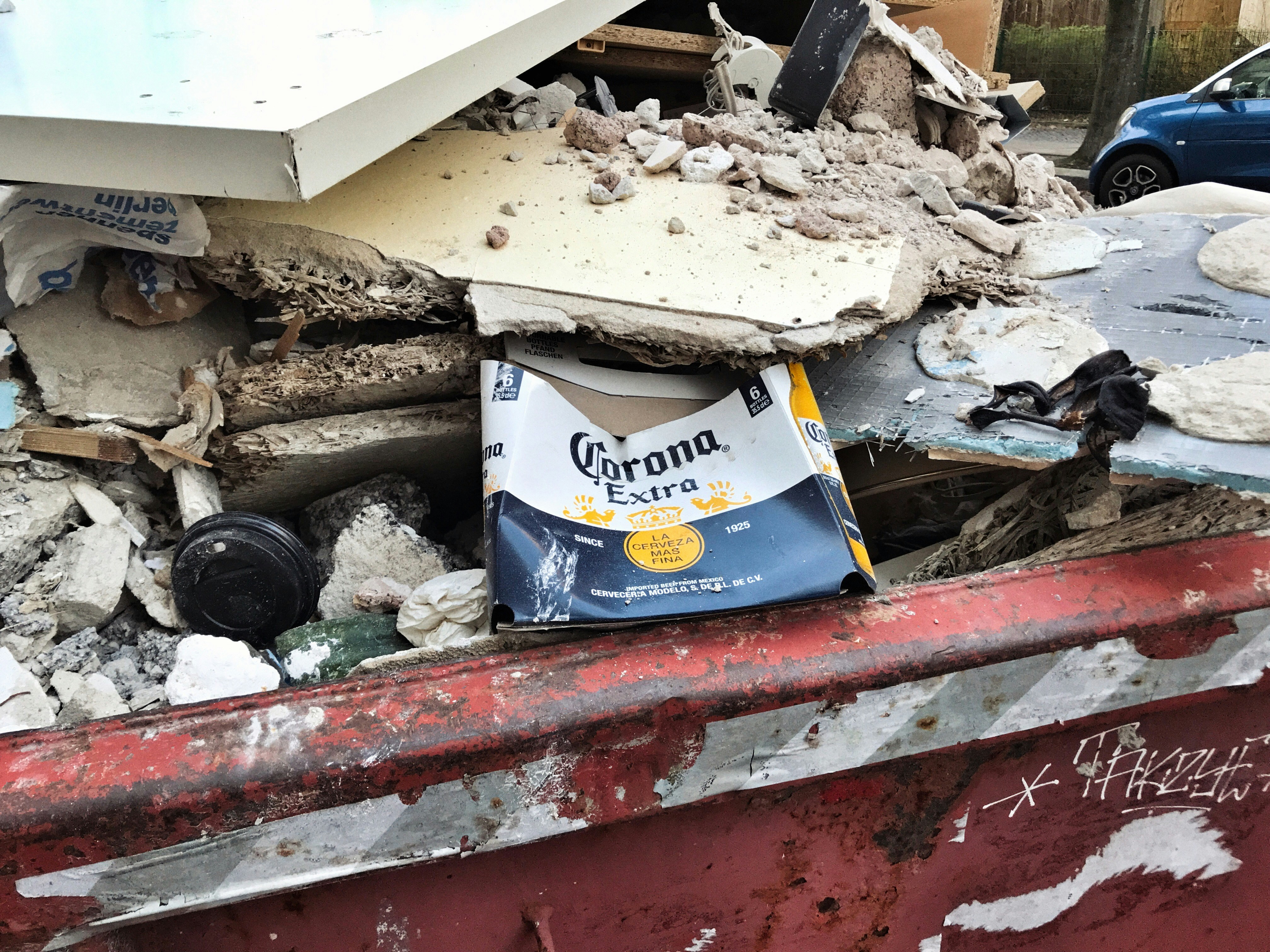
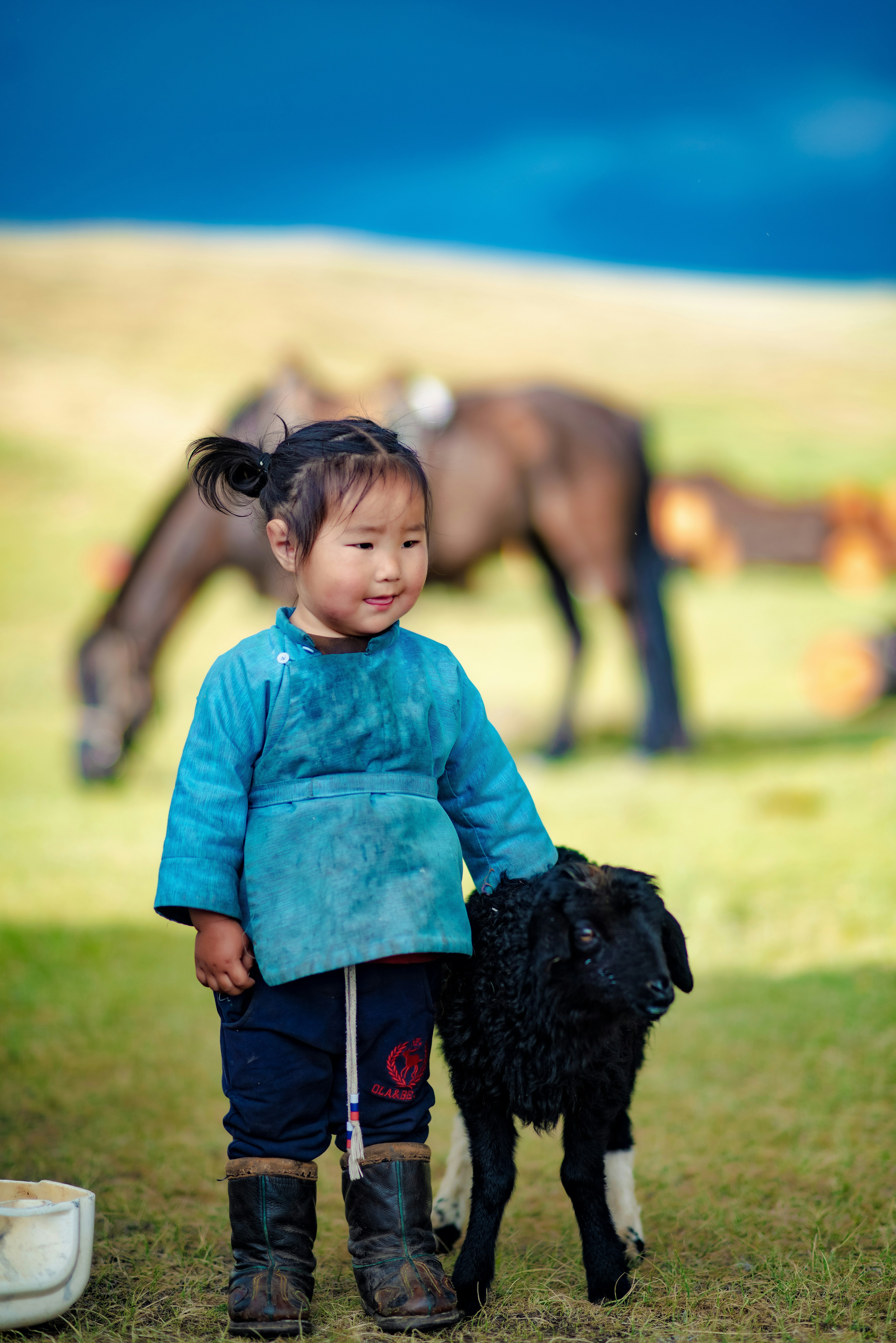
Batmunkh Lavsandash, retired electrical engineer in Dornogavi, East Gobi Desert, Mongolia. His surveying and mapping efforts have saved 200,000 acres of land in the fragile and sacred Dornogavi Province from rampant mining operations, keeping that land available for the traditional Mongolian way of life.
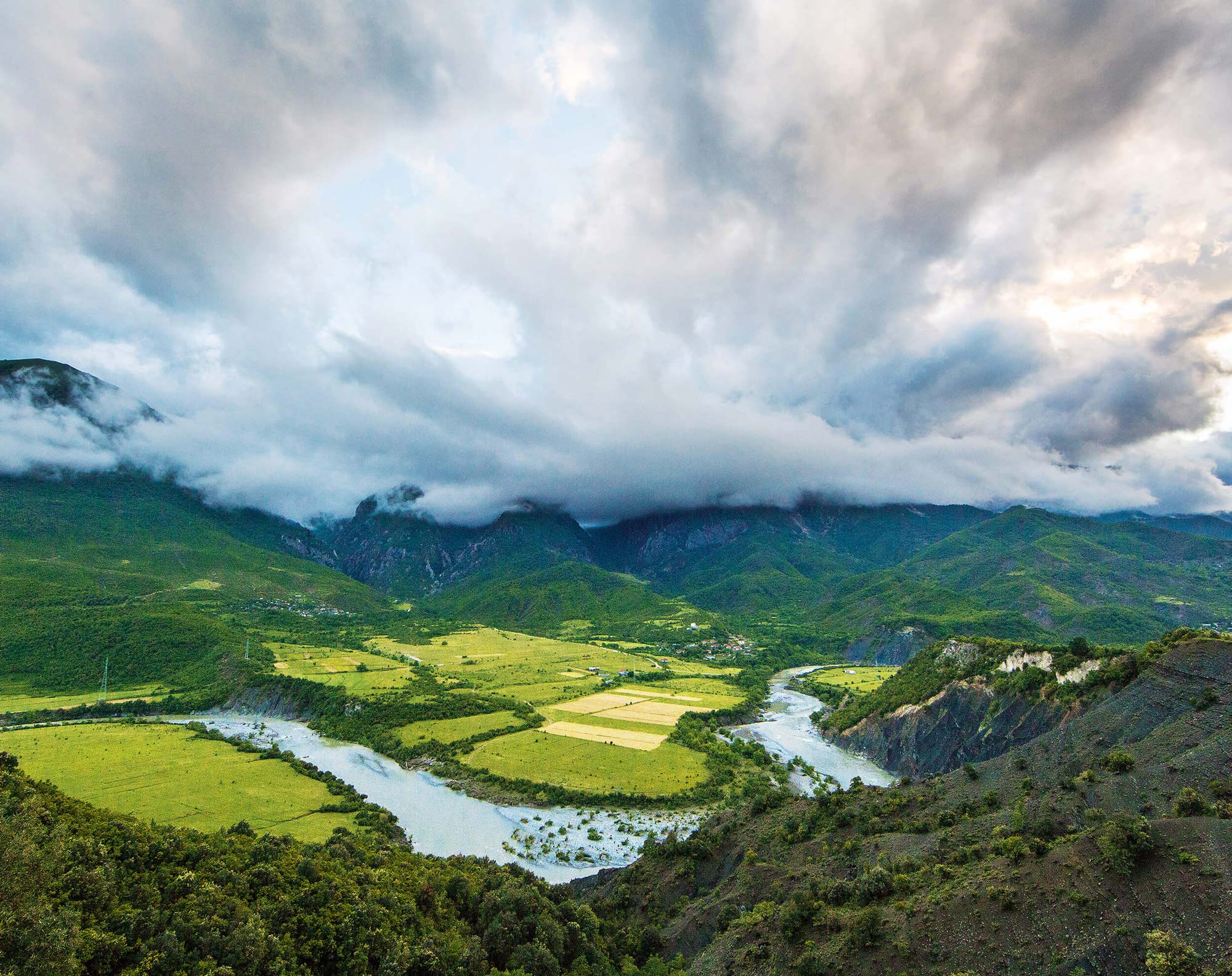
Olsi Nika, a social worker and Executive Director of Ecoalbania and Besjana Guri, a biologist and Communications Officer for Ecoalbania. Their work over 10 years to prevent the construction of 40 hydroelectric projects along the 120 miles of free-flowing Vjosa River in Albania, resulted in the river being saved and protected by the new Vjosa Wild River National Park. Established in 2023, the park protects more than 31,000 acres and ensures that the river will remain free-flowing.
Carlos Mallo Molina was a civil engineer who specialized in port construction. He moved to Tenerife, Canary Islands, to work on the construction of a major highway that would lead to the site of the proposed Fonsalia port. His life took a turn, though, when he went scuba diving and fell in love with the abundant wildlife and habitat for endangered green sea turtles and unique tropical pilot whales. He said, “I realized I’m doing something wrong. How can I love so much what I’m seeing here and at the same time I’m working to destroy it? I decided I needed to change what I was doing and find a way to protect what I love, so I decided to quit my job.” He founded Innoceana to oppose the Fonsalia port and dedicated himself to protecting the environment. He mapped the undersea area where the port was to be built, helped gather 420,000 signatures on a petition opposing the port’s construction. As a result of him and his team, the Canary Islands Parliament voted overwhelmingly in October 21 to abandon plans for the port and to create a marine education center there instead!

Each of these stories is inspiring and each of the individuals has proven that one person can move mountains, but it was the story of Mari Luz Canaquiri Murayari that touched me the most…
Mari Luz Canaquiri Murayari of Shapajilla, Peru. Founder of Huaynakana Kamatahuara Kana, a women’s association whose mission is to promote the rights of the Kukama indigenous people and to protect the environment. The 1,000-mile long Maranon River that eventually forms the Amazon River was frequently being polluted by oil spills. She combined the Kukama belief that the river contains spirits with the concept of rights of nature. Successfully gained the legal Rights of Nature for the river to remain free-flowing and free of pollution. Court ordered Petroperu and the local government to immediately address oil spills and create a protection plan for the river. However, there is an authoritarian regime in control in Peru now that is hostile to indigenous peoples and the defenders of nature.
In her acceptance speech on Monday night, Ms. Canaquiri Murayari said that when anyone speaks up for nature they are criminalized and some have been assassinated. She said, “For the collective struggles that we have led, I have been criminalized. And this is why I want to leave this final message for the world: to recognize our collective humanity and to defend our common home, Mother Nature that provides the air we breathe, our daily food, and the water we drink. Together, we can weave a social fabric that safeguards… all life, for future generations across the world. We, the Kukama women, exist and we re resisting in defense of nature, its rivers and territories! Without our rivers, there is no forest!”
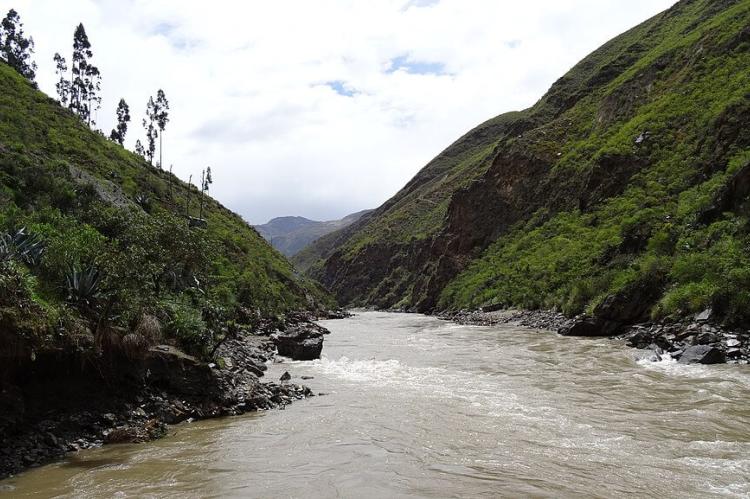
I hope being the recipient of the Goldman Environment Prize Award on Monday will not make her an even bigger target for harassment by the government of Peru.
Until my next blog post
Keep reading! If you don’t have a good book to read this weekend, go back to the public library or your local independent bookstore and keep looking. You’re bound to find one!
Remember the people of Ukraine, Myanmar, Kentucky, and western North Carolina.
Janet

 Janet's Writing Blog