#OnThisDay: 19th Amendment, 1920

I have heard it said that the 19th Amendment “gave” women the right to vote. The verb “gave” or “gives” is a slap in the face of all the women (and men) who risked their lives to have the right to vote.
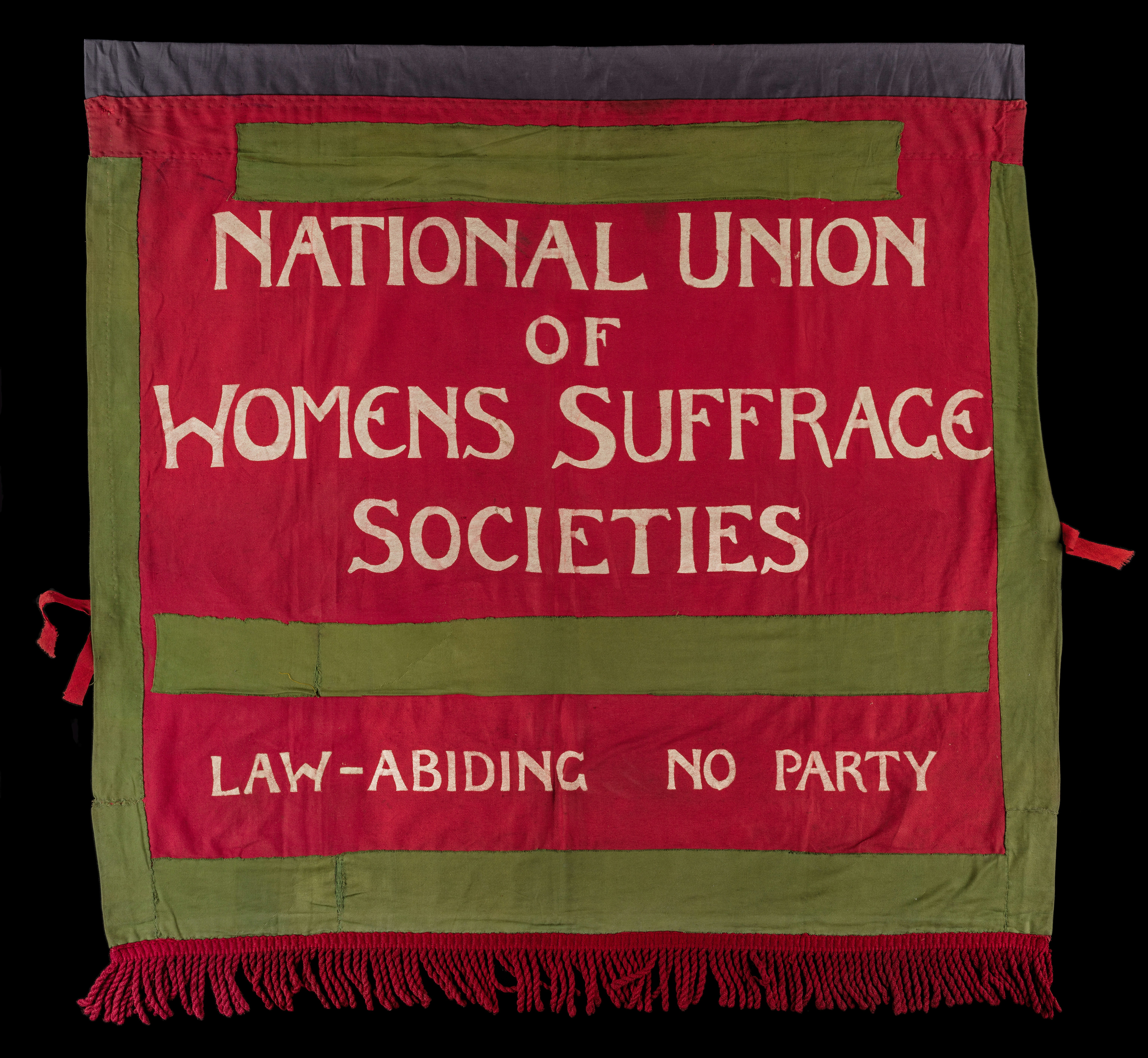
Photo by LSE Library on Unsplash

It would be tantamount to saying that black people in the United States were “given” civil rights in the 1960s. No, they earned every one of those rights. The word “give” in all its tenses and forms insinuates that rights were bestowed as a gift. Nothing could be further from the truth.

In July, I read an excellent little book, Roses and Radicals: The Epic Story of How American Women Won the Right to Vote, by Susan Zimet. I told you a little bit about it in my August 4, 2026 blog post, Books I read (or attempted to read) in July 2026. I urge you to read that book.

Photo of front cover of Roses and Radicals with the head of the Statue of Liberty under the title.
Roses and Radicals, by Susan Zimet

The road to women securing the right to vote in the United States started before the nation’s founding. In 1776, Abigail Adams famously told her husband, John Adams, to “remember the ladies” as the Declaration of Independence was being contemplated and written.

Of course, John Adams did not take her pleas to heart (and probably paid for his foolishness in various ways for the rest of his life.) The Declaration of Independence states that “all men were created equal.” Today, we (well, most of us) take that to mean “all people were created equal,” but women were technically and deliberately left out of the Declaration. But I digress

As is told in Roses and Radicals, it took women down a very long and winding road to secure the right to vote. There were women’s rights conventions and campaigns throughout the decades from 1840 until the 19th Amendment was finally made part of the U.S. Constitution in 1920.

Women were beaten and arrested for marching in the streets and simply for standing beside streets to protest the lawful discrimination that was holding them back from being all they could be. They had to fight for education, not just the right to vote.

That story cannot be condensed into a blog post. There’s just too much history – too much history that was never included in a single history textbook I ever read – for me to do it justice here.

It is an unbelievable story, akin to the story of how many centuries it took for people of color to get rights equal to their white counterparts in the United States. There is still racial discrimination that flies under the radar of the law. We see it every day. We also still see blatant racism in Trump wanting to plaster his name (no doubt, in giant gold letters) on the aircraft carrier that was already designated to be named in honor of World War II hero Mr. Doris Miller. Mr. Miller just happened to be black. His story of heroism during the Japanese attack on Pearl Harbor is extraordinary. Trump, on the other hand, dodged the draft because he claimed to have bone spurs.

Back to the 19th Amendment…

Those of us born after 1920 cannot fully appreciate the sacrifices made by women (and by people of color) to try to get the right to vote in this country.
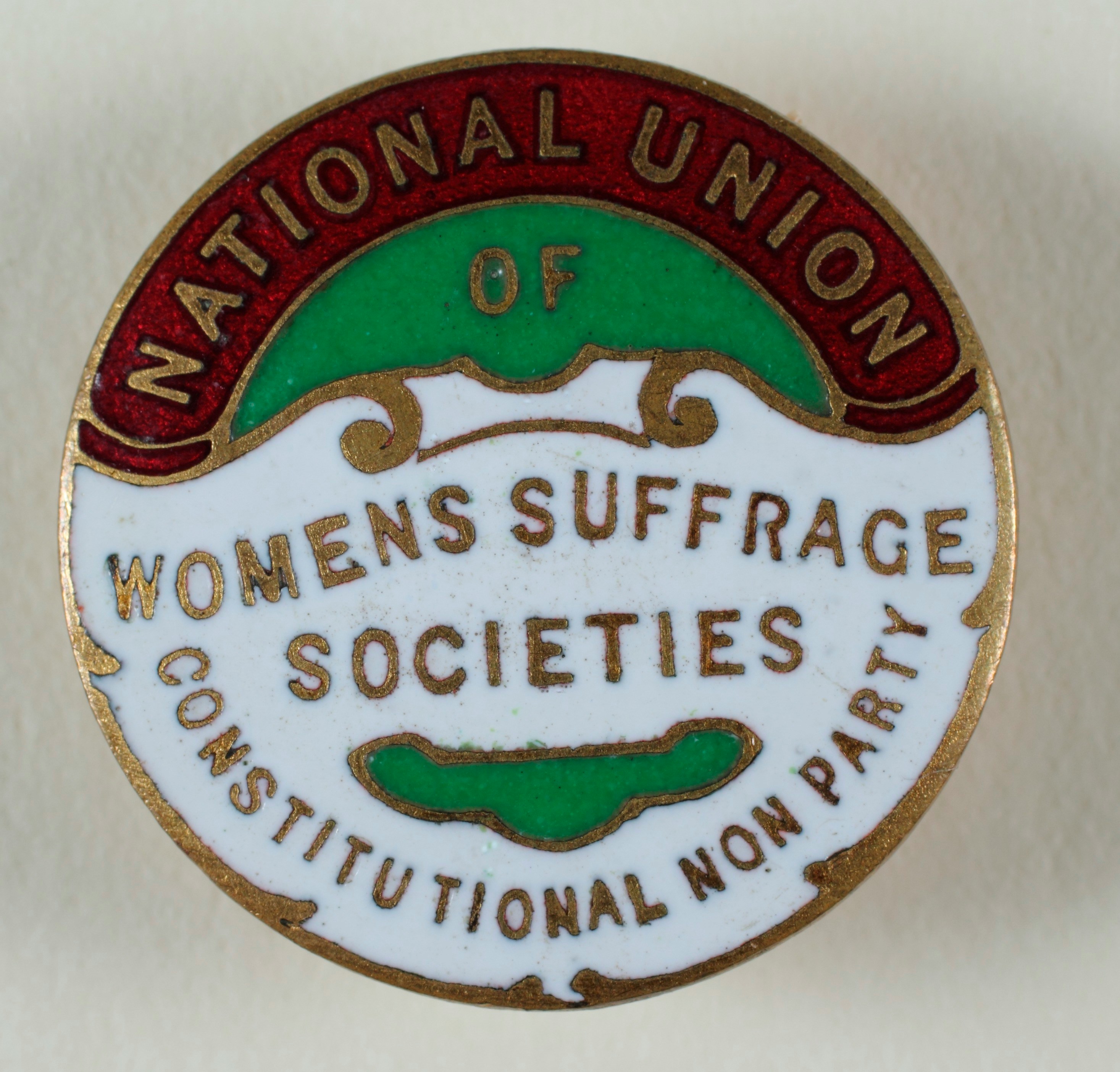
Photo by LSE Library on Unsplash

It astounds me to think that when my mother was born in 1912, women did not have the right to vote! The 19th Amendment to the U.S. Constitution was not ratified until 1920. That’s just 33 years before I was born! I simply cannot get my head around that fact. To put that 33 years in perspective, 33 years ago today it was 1993!

And now, in 2026 in the U.S. we have people in positions of power, including the U.S. President, who are pushing for a so-called SAVE America Act which will make it more difficult for married women in our country to vote. It goes well beyond “voter ID.” A married woman – or anyone whose name today does not match their birth certificate – will be required to produce documentation of every name change they’ve had.

This is primarily targeting married women, regardless of what supporters of the Act claim. It is an alleged solution to a problem that does not exist: voter fraud.

Don’t be fooled! The real crime is voter suppression.

Janet

Never take your right to vote for granted!

#OnThisDay: 19th Amendment to U.S. Constitution, 1920

The 19th Amendment: The right of citizens of the United States to vote shall not be denied or abridged by the United States or by any State on account of sex.

Congress shall have power to enforce this article by appropriate legislation.

It was 104 years ago today that women in the United States finally got the right to vote. The year 1920 might seem like ancient history to some of you, but I always think of it in terms of my mother having her eighth birthday that autumn.

Early- to mid-1800s

Women getting the right to vote came after a long, hard fight. In the early- and mid-1800s, women advocated for the abolition of slavery. Their speeches evolved into words in support of women’s suffrage. Two such women, Elizabeth Cady Stanton and Lucretia Mott, organized a women’s suffrage convention in Seneca Falls, New York in 1848.

Sojourner Truth and Sarah Redmond, two former slaves – who could not vote because of their race and their gender – organized women’s suffrage conventions. Slowly, it was becoming more of a public issue of discussion.

Post American Civil War/Reconstruction Era

The State of Michigan allowed women to vote in school board elections after the Civil War.

With the passage of Reconstruction Era U.S Constitutional Amendments granting black men the right to vote came contentious political and public discourse because it brought to the forefront that women still could not vote. As a result of their disfavor with women still not being granted the right to vote, Susan B. Anthony and Elizabeth Cady Stanton left the American Equal Rights Association (AERA), which they had founded in 1866, and formed the National Woman Suffrage Association (NWSA) in 1869. Later that year, women who thought it more plausible to push for women’s suffrage by getting it adopted state-by-state formed the American Women Suffrage Association.

The Territory of Wyoming (it was not yet a state) granted women full voting rights in 1869. The Territory of Utah followed Wyoming in 1870, but Congress took that right away in 1887.

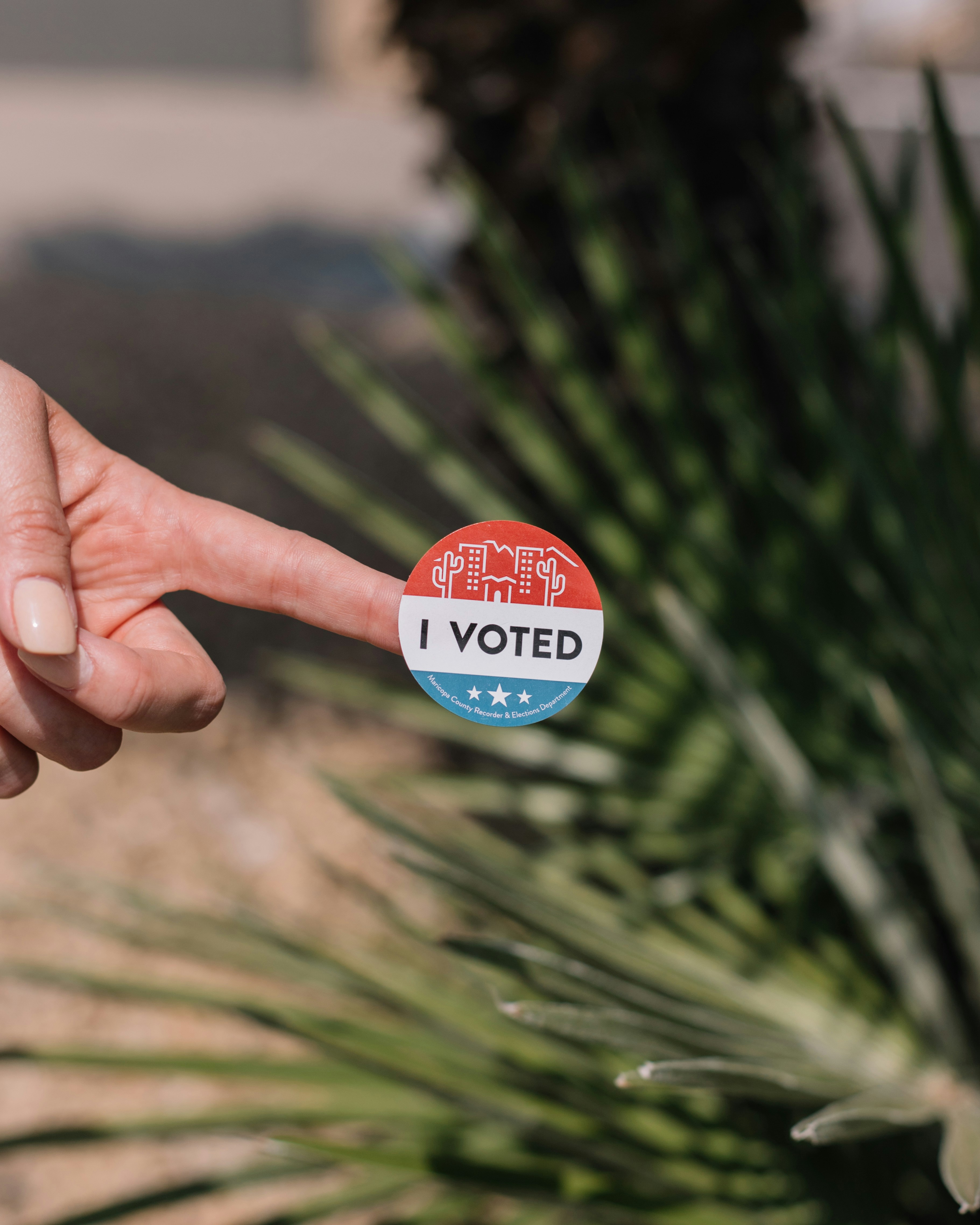
Photo of an "I Voted" sticker on a woman's finger
Photo by Joshua Sukoff on Unsplash

Virginia Minor of Missouri, after being denied the right to vote in 1872, took her complaint to the U.S. Supreme Court. Minor maintained that the 14th Amendment gave her the right to vote because it stated that “no State shall make or enforce any law which shall abridge the privileges or immunities of citizens of the United States.”

In a classic example of the high court going by the “letter of the law” instead of taking a more pragmatic stance, the Court, in its majority decision in Minor v Happersett, said that the right to vote was not a necessary privilege of citizenship because it was not a right included when the U.S. Constitution was ratified in 1788.

The “bottom line” of this decision was that states did indeed have the authority to deny women the right to vote. Let that sink in for a few minutes.

Late 1800s

In 1878 and again in 1887, there were efforts in Congress to introduce a women’s suffrage amendment, but they failed.

The AERA and NWSA merged in 1890, but some of the leaders worked to exclude black women from participating in events. In 1896, the black women formed the National Association of Colored Women to advocate for women’s voting rights along with other issues that were important to women of color.

Photo of a woman putting her ballot in the voting box
Photo by Unseen Histories on Unsplash

In 1896, the Constitution of the State of Utah once again gave female citizens the right to vote.

1910s

By 1916, 11 western states had granted women the right to vote, but petitions to Congress and litigation in federal courts repeatedly came up short. In the election in Montana that year, Jeannette Rankin was elected to Congress. She was the first women elected to the U.S. House of Representatives.

The joint resolution to propose a women’s suffrage amendment (See the 1878 and 1887 references above) was reintroduced in the U.S. House of Representatives in 1917 – thirty years after it had last been shot down. Proponents of states’ rights argued that the passage of such an Amendment would interfere with each state’s authority to dictate the composition of its electorate and that it would also disrupt the traditional family. Some lawmakers opposed it because they feared it would give black women the right to vote.

(Does anything about the states’ rights argument sound familiar? The current U.S. Supreme Court in 2023 conveniently decided to give states the authority to pass laws about women’s health.)

Photo of turn of the 20th century women
Photo by Library of Congress on Unsplash

The opposition was narrowly defeated as a two-thirds majority voted to pass the proposed Amendment on January 10, 1918. The Senate debated the joint resolution for months with many of the same arguments that had been overcome in the House. President Woodrow Wilson spoke in favor of the Amendment on October 31, 1918, citing the contributions women had made on the home front during World War I.

The following day, the resolution was defeated in the Senate. It failed again in the Senate on February 10, 1919. But President Wilson called a special session of Congress in May 1919. The House passed the 19th Amendment on May 21, 1919, and it was approved by the Senate on June 4, 1919.

During World War I, some of the views of gender roles in the country began to change as women took on many of the jobs that had earlier been considered men’s work. The 19th Amendment was proposed in Congress in June 1919.

August 26, 1920

It took 14 months for a three-fourths majority of states to accept the 19th Amendment. It was ratified on August 18, 1920 and on August 26, 1920, U.S. Secretary of State Bainbridge Colby certified that the Amendment had been ratified.

Photo of "I Voted" stickers
Photo by Element5 Digital on Unsplash

Obstacles such as poll taxes and literacy tests continued to prevent many black women and other females of color from voting until the 24th Amendment was ratified in 1964 and enforced by the Voting Rights Act in 1965.

Since my last blog post

I’ve been reading several books, pushing myself to do some yard work, and watching some online videos about the craft of writing. I’m motivated to get back to work on my novel!

Until my next blog post

I hope you have a good book to read.

Don’t take your family for granted.

Remember the people of Ukraine.

Janet