This is a blog topic I’ve postponed numerous times since first reading about the theory more than three years ago. It’s time to address it, although I still have more questions than answers. Can a movie help you write?

Kathryn Ramsperger wrote an article for the Southern Writers: Suite T blog on November 9, 2018: “Improve Your Story by Watching Movies.” I was intrigued by the title so much that I cut and pasted it and saved it on my computer.
Ms. Ramsperger is described online as being “a communications expert and intuitive life coach.” I’m not sure how one becomes a communications expert and I’m less sure what an intuitive life coach is, but her theory about movies made me stop and think. I’m a sucker for any article that claims it will improve my writing.
In a nutshell, Ms. Ramsperger said a writer should notice how lighting, the set, and action are presented in a movie and then add sensory detail. She pointed out that the written word can convey things like smell better than a movie can. She said that studies show that a book can evoke empathy better than a movie can.
Ms. Ramsperger recommended that a writer watch a movie set in their genre and then add sensory detail to their work-in-progress.
I decided to give it a try. I write 18th century Southern historical fiction. I couldn’t find a movie that fit that description, so I thought back to the TV series, “Outlander.” I’ve watched all the episodes of this multi-year series. After reading the first four or five books in Diana Gabaldon’s Outlander series, I couldn’t wait for the TV version.
If you’re not familiar with Ms. Gabaldon’s Outlander books, I recommend them to you. You need to read them in chronological order, starting with Outlander, published in 1992. These books put you in 18th century Scotland and then 18th century North Carolina.
Although Ms. Gabaldon takes some creative license when it comes to the proximity of Cross Creek in present-day Cumberland County, North Carolina in the eastern part of the state to the mountains of western North Carolina, once I got past that I was able to finish reading A Breath of Snow and Ashes, published in 2008. It took me a while, but I’ve forgiven her.
Writers can learn from movies (and even television) how important covering all the senses can be. Just as an entire hour-long TV program can take place in the pouring rain, as a writer I need to remember to convey to my reader if it’s raining in a scene or chapter and that it either continues to rain or it stops.

In the online writing course I recently took, I was told that I should think of a scene in my book like it’s a scene in a movie. That prompted me to think about the theory again.
Have movies helped my writing?
That’s hard to answer. I rarely see a movie. To give you an idea how often I go to a movie theater, the last movie I saw on the big screen was The King’s Speech in 2010. I’m. Not. Kidding.
The last movie I saw on TV was probably My Cousin Vinny. I’ve seen it several times, and it never ceases to crack me up.
I suppose movies have helped my writing just by the fact that I have seen movies. Not many, but some. I get the drama. I get the pacing. I get the body language. I get that the items in a shot usually only include enough to give the viewer a sense of setting. No need to clutter up a scene with a bunch of extraneous stuff unless it’s about a hoarder.
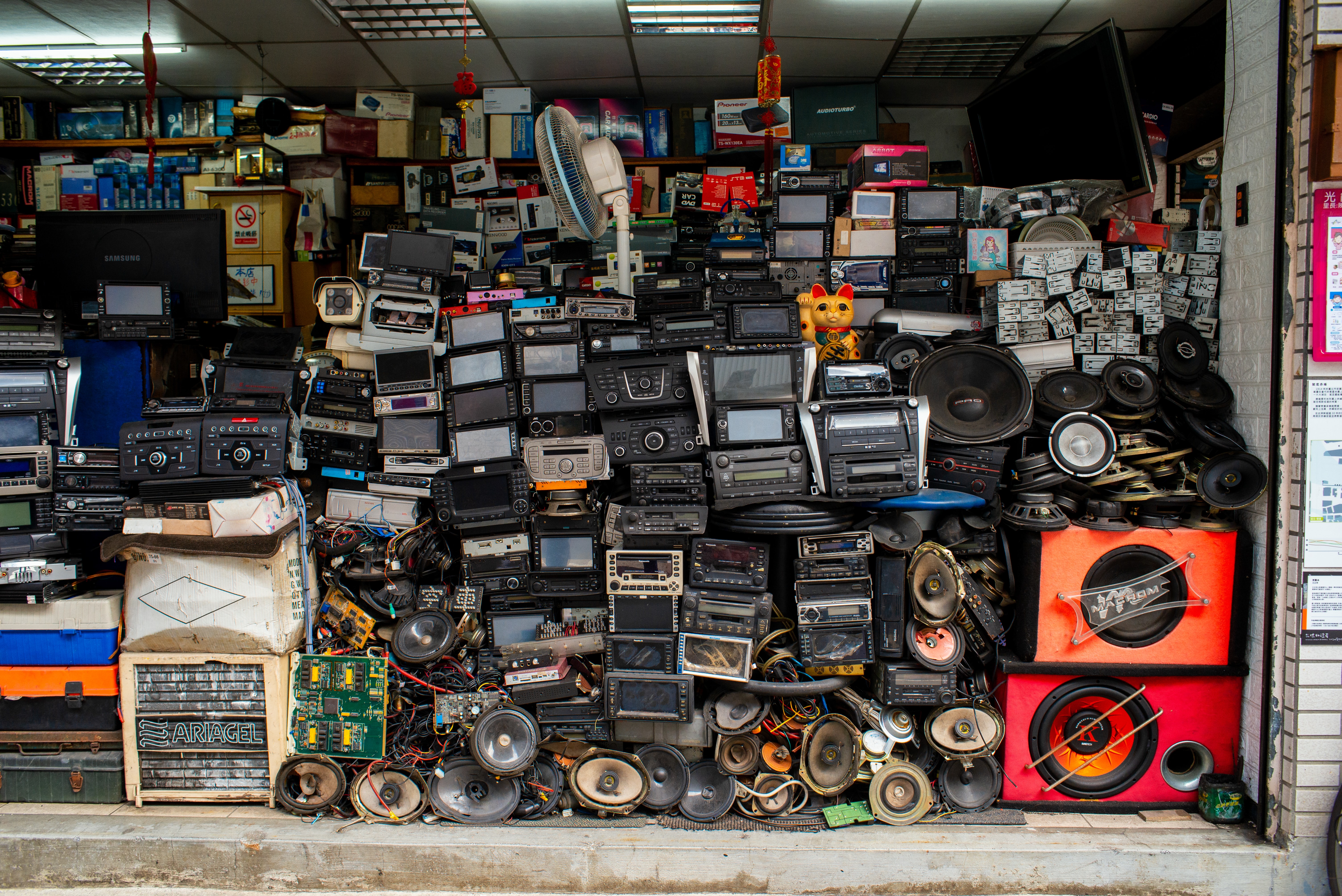
I try to remember to have emotion in every scene I write. I don’t mean the screaming or sobbing kind of emotion. Emotion can be shown through a character’s body language and through what a character is thinking. A writer must keep in mind, among many other things, the following questions: What do I want my character to feel? What do I want my reader to feel?

The following is a quote from Russian playwright and short fiction writer, Anton Pavlovich Chekhov, which I try to keep in mind as I write a scene: “Don’t tell me the moon is shining, show me the glint of light on broken glass.”
What about you?
If you’re a writer, have movies helped your writing? If so, how?
This leads me to other questions
How have movies and television shortened our attention spans? How has this influenced how much time we’re willing to give to the reading of a book?
Following that train of thought, how has the shortened attention span of readers influenced how books are written today?
I read just the other day that the advent of VHF tapes dictated that movies had to be shorter than they’d been in the past. Technology influenced the length of movies, and now movies are influencing how books are written.
Taste in books is ever-changing and always has been. Hemingway shook up the literary world that was used to flowery, long prose. Nothing stays the same for very long.
As an aspiring novelist, I’m told to write a scene as if it’s a scene in a movie because my potential reader will lose interest if I don’t. It’s probably true, but I don’t think it’s necessarily a good thing.
Can a movie help you write? I’m afraid my answer is, “Yes, but it can also limit you.”
I find something sad about the prospect of movies dictating how novels are written, especially if it’s simply because people’s attention spans have decreased.
Since my last blog post
Even as I continued my research into the Great Wagon Road and its offshoots in southern Virginia, I started writing the rough draft for the first book in what I hope will be a series of historical novels. With the working title The Heirloom, it will precede the second almost-finished book, The Doubloon. (These are working titles and will, no doubt, get changed unless I self-publish.)
The more I learn about the Great Wagon Road, the more I’m impressed with what my ancestors went through just to get from Pennsylvania to North Carolina in the 1700s. (Not to mention what they endured on ships crossing the Atlantic before that!)
Until my next blog post
I hope you have a good book to read and/or a good book to write.
Take time to enjoy family, friends, and a hobby.
Life is short!
Janet