I write southern historical fiction, local history, and I've written a devotional book. The two novels I'm writing are set in Virginia and the Carolinas in the 1760s. My weekly blog started out to follow my journey as a writer and a reader, but in 2025 it has been greatly expanded to include current events and politics in the United States as I see our democracy under attack from within. The political science major in me cannot sit idly by and remain silent.
Today’s blog post is about the last story in my new book, Traveling Through History: A Collection of Historical Short Stories.
Traveling Through History: A Collection of Historical Short Stories, by Janet Morrison
The house
Actually, “If This House Could Talk” is more of an essay than a short story. It is written from the viewpoint of an old abandoned one-and-a-half-story wooden farmhouse that I saw a thousand times in my life.
That house fascinated me because it did not face the main road. It faced a dirt driveway that led to a couple of other houses. Often, when we would pass it, my father would point and say, “the old Snell place was over there.” I didn’t know any Snells and, as a child, did not care that they once “lived over there.”
It was only after I was an adult and discovered the 1777 estate papers of my Morrison 4th-great-grandparents that I discovered that Francis Snell taught my 3rd-great-grandfather in the 1770s. By then, I had also met a descendant of Mr. Snell’s who lived in Ohio.
Why is it that you don’t know what questions to ask your parents until after they are gone? But I digress.
The essay/story
“If This House Could Talk” is set in the 1970s, a few years before the house at the center of this essay was demolished. After doing some genealogical and Civil War research, I discovered some incredible things about the family that occupied that house in the mid-1800s.
I did not know the history of the house until I was researching the 72 men and boys from Rocky River Presbyterian Church in Cabarrus County, North Carolina, who were killed or died of disease during the Civil War.
“If This House Could Talk” gives that house an opportunity to tell us what it witnessed during that time as it reminisced about a much different time more than 100 years earlier. There were happy times and sad times for the family that house sheltered when it was young.
What kind of memories is your home making, in case a writer decides to let it talk years from now?
Links to the blog posts about the other 12 stories
I hope you have enjoyed reading about each of the stories in Traveling Through History: A Collection of Historical Short Stories over the last several months in my blog. If you like my book or know someone who might, tell them that they can get a print or electronic copy on Amazon or a print copy at Second Look Books in Harrisburg, NC.
Update on Hurricane Helene recovery in North Carolina
As we get further away from September 2024’s Hurricane Helene, it is easy to forget how long it takes for a place and a people to recover from a natural disaster of such proportions. I have little new to report since my last update on February 2.
Hurricane Helene has dropped from the news cycles even here in North Carolina, except for an occasional reference, but I’m still trying to shine an occasional light on the recovery on my blog.
Via Facebook I keep up with some of the things Beloved Asheville has done and continues to do since the hurricane. As of last week, Beloved Asheville delivered its 140th new home to a family who lost their home in the flood. After living in an RV for 17 months, another family finally has a home. It might just look like a mobile home to a lot of people, but it is life-changing for this family. To learn more about Beloved Asheville, go to https://www.belovedasheville.com.
Several roads remain closed in the mountains due to the record-breaking rain (upwards of 30 inches in some places) during Hurricane Helene. For example, I read that Sampson Road in Watauga County reopened a couple of weeks ago after two sections were washed out during the storm. When a road “washes out” in the mountains, it often means that the road and all the soil beneath it slid down the mountainside. It is a feat of engineering to rebuild the roadbed so the road can be reconstructed. That is one reason why recovery takes so long in the mountains.
Portions of the Blue Ridge Parkway have not reopened since Hurricane Helene. I-40 at the North Carolina-Tennessee border remains just one lane in each direction with a 35 mile-per-hour speed limit. Highway construction is hampered by snow and ice in the winter months.
The National Park Service reported: “As of February 12, 2026, many sections of the Parkway remain closed due to winter weather, though recreation is authorized at your own risk in these areas. Specific closures include a bridge rehabilitation project from milepost 63.5 to 63.9, with detours in place. Visitors should exercise caution, as ungated sections may still be accessible but are subject to emergency closures.”
There were at least 57 landslides in the 269 miles of the Blue Ridge Parkway in North Carolina. Work is ongoing and has moved into Phase 2 in which repairs to 21 landslides between milepost 318.2 and 323.4 are underway, with completion expected by fall 2026. That includes the North Toe River Valley Overlook, Chestoa View Trail, and Bear Den Overlook.
A road closure sign on the Blue Ridge Parkway in June 2025.
The thousands of us who are fans of the Blue Ridge Parkway can hardly wait for all of it to reopen. I’ve read hints that that might occur by the end of 2026.
One of my best vacations ever was a leisurely drive down the Blue Ridge Parkway from its beginning just southeast of Waynesboro, Virginia to its end near Great Smoky Mountains National Park in North Carolina. The wildflowers were spectacular and so varied all along the 469 miles!
Businesses in the affected areas continue to rebuild and reopen. Many had to relocate and many will not reopen. Brother Wolf Animal Rescue, which I have mentioned in earlier blog posts, is relocating to higher ground in Asheville. I understand that the town of Lake Lure is well on its way to reopening for the summer tourist season and the lake itself is expected to be back to full-pond stage in May.
The town of Chimney Rock, just a few miles up US-74 from Lake Lure, is still in recovery mode, as the little tourist village was almost wiped off the map by the hurricane.
Life in my part of the state quickly returned to normal after the hurricane, with only small pockets of flooding, but life and the landscape were changed forever in various hard-hit parts of the Appalachian Mountains in the western part of North Carolina.
Janet
The government should be afraid of its citizens, not the other way around.
I planned to write one of my #OnThisDay history blog posts today about the Treaty of 1818, which established the 49th parallel as the Canada-United States border from the Great Lakes, west. However, I couldn’t get very excited about that topic.
I’m sure it was a big deal in 1818, during President James Monroe’s first term in office, and I’m sure it meant a lot to the people in the border states and provinces in the two countries. I just couldn’t come up with much to say about it.
I’ll just say, “I think I can speak for all Americans when I say, ‘We love you, Canada.’”
With that said, I will jump into what I am excited to write about today: a book I finished reading Friday night.
The Weight of Snow and Regret, by Elizabeth Gauffreau
If you regularly read my blog, you know I used to blog the first Monday of each month about the books I read the previous month. Some months I read so many books, it took two posts to write about all of them.
Then, January 2025 came along. I read The Frozen River, by Ariel Lawhon, in January, but then I hit a dry spell. I became so distracted by politics that I found it impossible to find a novel that I could concentrate on long enough to get interested, much less finish reading.
Then came October, and the release of The Weight of Snow and Regret, by Elizabeth Gauffreau. Historical fiction is my “go to” genre for reading and writing, and I had yearned all year for another book that would grab me like Ariel Lawhon’s book.
The Weight of Snow and Regret, by Elizabeth Gauffreau
The Weight of Snow and Regret is written in a way that would not let me go. Ms. Gauffreau was inspired to write the book after learning about the Sheldon Poor Farm in Vermont, which closed in 1968.
The book is expertly researched, which made it possible for the talented writer that Ms. Gauffreau is to infuse every scene with a level of authenticity that puts the reader in the story.
Each resident at Sheldon has a distinct personality and way of speaking that makes them easy to remember and tell apart.
The main character, Hazel, is matron at the Sheldon Poor Farm. Her husband runs the farm. The reader can’t help but be drawn to Hazel as she has the overwhelming job of cooking, cleaning, and in all ways caring for the residents of this very real poor farm. She has a heart for the job, and as her backstory is revealed the reader learns why she is the way she is.
Every time I thought I could close the book, I found myself plunging into the next chapter to see what was going to happen next. Every time I thought life couldn’t get more difficult for Hazel… it got more difficult. Somehow, Hazel kept her sense of humor, and that comes through in the book.
This novel is set in the 1920s, 1940s, and 1960s. I usually don’t enjoy novels that move back and forth between decades, but Ms. Gauffreau pulled this off masterfully. I think it was the perfect way for this story to be told.
The characters in The Weight of Snow and Regret will stay with me for a long time. It’s that kind of story.
There were “poor houses” when I was a child for people who were too poor to live anywhere else and had no relatives willing to take them into their homes. This novel made me stop and wonder where those people go now. I guess they are the people who live under bridges on the streets and highways in the cities.
If you like to read historical fiction, I highly recommend The Weight of Snow and Regret, by Elizabeth Gauffreau.
Hurricane Helene Update
As of Friday, 33 roads in North Carolina were still closed due to the September 26, 2024, Hurricane Helene. That count included five US highways, two state highways, and 26 state roads, meaning two state roads opened since my last blog update two weeks ago.
Of course, sections of the Blue Ridge Parkway in North Carolina will remain closed for another year or more, and I-40 at the Tennessee line will continue to be just two lanes at 35 miles-per-hour for a couple more years while five miles of the highway are being rebuilt in the Pigeon River Gorge.
But western North Carolina is open for business and tourists this fall. Just be aware that you might run into a detour, and you can’t drive the full length of the Blue Ridge Parkway.
If you’re tired of reading my blog posts about Hurricane Helene, just imagine how tired of the slow road to recovery the residents of western North Carolina are.
Saturday marked the one-year anniversary of Hurricane Helene ravaging much of western North Carolina. As I wrote this on Saturday, North Carolina was in a State of Emergency in preparation for a possible hit from what was developing into Tropical Storm or Hurricane Imelda.
As you can imagine, the word “hurricane” rattles us in North Carolina – all 500 miles or so from the Outer Banks to the Tennessee line.
I have tried to include a report on the area’s recovery every Monday in my blog. You may be tired of reading about it, but I believe it is important for me to use my little blog to remind all of us that it takes years for people and a landscape to recover from a natural disaster.
We tend to have short attention spans now, and there are so many things happening in our country and world that news organizations cannot dwell on the past.
We tend to think in terms of hurricanes being a coastal threat, but most of Hurricane Helene’s rath was visited upon the Blue Ridge Mountains in western North Carolina, some 500 miles north of where it made landfall on the Gulf coast and dumped up to 31 inches of rain on a rugged, remote terrain. It was a “perfect storm” of wind and rain coming on the heels of several days of heavy rain.
It is estimated that Hurricane Helene did $60 billion in damage to North Carolina alone. Florida, Georgia, South Carolina, and Tennessee also had damage, but my state’s damage was so severe that I have chosen to concentrate on it.
Likewise, I have primarily reported on the status of road repairs. That is not to ignore the fact that damage to homes, businesses, and lives is even more important. It is just not possible for me to gather details about the recovery of those aspects of life. I hope my weekly updates about the repair and reconstruction of our roads and highways have served as an indicator that people’s lives are still in disarray.
Today I will share with you a sampling of the damage, the progress being made, and the never-give-up spirit of the people of western North Carolina. There have been many milestones in the recovery, but there is still a long way to go.
Please don’t forget the people.
Photo by NASA on Unsplash Not Hurricane Helene.
Coal deliveries via rail
WLOS-TV in Asheville reported that a CSX coal train arrived in Spruce Pine on Thursday – the first train headed south to arrive in Spruce Pine since Hurricane Helene hit a year ago. Sixty miles of CSX railroad tracks were severely damaged in the storm.
Fish hatchery
The North Carolina Wildlife Resources Commission reports that the Armstrong State Fish Hatchery in McDowell County, which was nearly destroyed by the hurricane, is anticipated to be fully operational in November. More than 600,000 hatchery fish died in the storm. The facility was partially operational last spring.
“Each dollar anglers spend to fish for mountain trout in North Carolina returns $1.93 to its economy and results in a $1.38 billion impact, according to new data from the North Carolina Wildlife Resources Commission (NCWRC).”
Federal Emergency Management Agency
Some people are still living in FEMA housing. In fact, people are in some cases opting to purchase the FEMA trailers to continue to live in.
WBTV in Charlotte reported that “state officials estimated as of Wednesday, Sept. 24, North Carolina had received federal funds to cover about 10.6% of the state’s total $60 billion Helene damage estimate.”
The station’s online report quoted an Avery County elected official as saying, “They keep changing the goalposts.” There is growing frustration in Avery and Yancey counties after FEMA denied funding for debris removal that local officials thought were eligible for reimbursement. Mountains of tree debris create fire hazard during dry spells in such heavily wooded areas.
Local officials in mountain counties are complaining about how slow the paperwork is being processed by FEMA along with inconsistency in guidelines. A FEMA spokesperson decline an interview with WBTV and offered no explanation of the cleanup projects in Avery County.
Veterans Restoration Quarters
Asheville Buncombe Community Christian Ministry’s decades-old transitional shelter for homeless veterans was severely damaged and uninhabitable after the hurricane.
The more than 250 residents were evacuated during the hurricane induced flooding of the Swannanoa River during the storm. Water was more than a foot deep as the last evacuation bus pulled away from the property.
The WBTV report stated, “The timeline for reopening the Veterans Restoration Quarters is likely years away and is estimated to cost at least $13 million.”
Food relief
Last week 1,800 boxes of groceries were packed by volunteers in Charlotte and distributed near Asheville by MANNA FoodBank, Second Harvest Food Bank of Metrolina, and Food Lion.
The CEO of MANNA FoodBank was quoted in a WSOC-TV report as saying, “And what we’re seeing is the highest need for emergency food assistance that we’ve ever seen in our 42-year history.”
“We became a major distribution hub sharing life-saving supplies with 15,000 people a day in impacted zones from Marshall to Chimney Rock, Barnardsville, Burnsville, Spruce Pine, Pensacola, Waynesville, Marion, Old Fort, Black Mountain, Swannanoa, Asheville, and Fairview–towns big and small and mountain hollers. We shared millions of pounds of food, millions of gallons of water, and millions of necessities from hygiene, first aid, and tools for clean up and repairs.”
“We know it will take years to heal these mountains and our people. And we are committed to be here for the long-haul until the last nail. And we need people to join us in this commitment. We carry deep wounds from this storm, but we are stronger than we could have ever imagined. We know that together we can restore, heal, and rebuild this beautiful land and lift up our mountain neighbors. We invite you to join this movement to heal Appalachia.”
Brother Wolf Animal Rescue
Excerpts from Brother Wolf Animal Rescue’s newsletter last Thursday, looking back over the year since Hurricane Helene completely wiped out their facility…
“We lost neighbors, communities were swept away, and Brother Wolf’s entire campus…everything we had built since 2007, was swallowed by floodwaters. Every physical asset we relied on to save lives was gone overnight.”
“The day before the storm hit, something extraordinary happened. In just two hours, 100 animals were urgently evacuated from our shelter and carried into the arms of loving foster homes, saving them from a fate we can’t bear to think of.”
“In the days after, with no power, no water, no internet, our staff met in parking lots and drove through broken roads to orchestrate the transport of 150 animals out of the disaster zone. With partners, we treated over 1,200 injured pets—covered in fish hooks, with broken bones, sick from toxic floodwaters—and stood beside their families as they survived a nightmare.”
“These are the facts, but no list of numbers can tell the whole story. Because the hurricane did not end when the waters receded.It is still here. It is in us. It will be with us forever—a lasting scar and, somehow, a guide for what’s to come.
“And through all of it, the animals have been our compass.
“When people think of animal rescue, they often picture the animal being saved. The dog carried out of floodwaters, the sick cat adopted from an overflowing shelter. And yes—that is true, we do save them; but what is just as true is how those same animals save us.”
“Today, one year later, the world feels heavy – full of griefs far beyond our own. In this shared sorrow, we’ve discovered that even as we mourn what was lost, animals are finding new beginnings. Families are laughing again. Neighbors are still helping neighbors. And together, we are slowly healing.”
“The ASPCA opened their doors to us, temporarily sharing their space so we never had to stop helping animals. Not for One. Single. Day.”
“As we look ahead, we carry both the weight of what was lost and the bright hope of what is to come. The road to rebuilding will be long, but also filled with possibility—and we are more certain than ever that the future holds incredible things for Brother Wolf, for the animals, and for our community.
“A new chapter is unfolding for Brother Wolf, and your kind heart is woven into the fabric of our story. Your belief in us has carried us through the darkest year of our lives, and together we are stepping into a future brighter than we could have ever imagined. Our story continues, written in every life touched, and enduring beyond storms and time: in saving them, we save each other too.”
Jake Jarvis of Precision Grading
I have mentioned Jake Jarvis of Precision Grading of Saluda, North Carolina, several times on my blog since September 27, 2024. I continue to follow him on Facebook. He is still out and about with his heavy equipment in the mountains of North Carolina every day, helping people and not charging them a penny unless that have insurance money with which to pay him.
Hurricane Helene Update at the end of Year One of Recovery
As of Friday, 38 roads in North Carolina were still closed due to Hurricane Helene. That count included five US highways, two state highways, and 31 state roads. That’s the same as last Friday’s NCDOT report. Progress seems slow, but remember that more than 1,400 roads were closed a year ago Saturday.
Of course, sections of the Blue Ridge Parkway in North Carolina will remain closed for another year or more, and I-40 at the Tennessee line will continue to be just two lanes at 35 miles-per-hour for a couple more years while five miles of the highway are being rebuilt in the Pigeon River Gorge.
One of these days I hope to be able to enjoy reading fiction again. I miss the days when I wanted to read every historical novel that was published. I can’t remember the last one I read. I’m pretty sure it was before Inauguration Day 2025.
I miss not having books I’ve read to blog about the first Monday of each month. I read parts of several books in August, but I didn’t finish reading any of them.
I settled down at the computer on Friday evening after supper to look for that afternoon’s weekly update on the status of road repairs in western North Carolina since Hurricane Helene a full eleven months ago. I can’t imagine the stress the people who live or work along some of those roads must be under at this point.
For eleven months, I have tried to give an update on Mondays of the progress being made in repairing western North Carolina since the hurricane. Roads are not the most important things being repaired or needing to be repaired. People lost family members, their homes, their businesses, their friends, their communities, and their sense of security. But I don’t know how to report on how those losses are being coped with or healed. I report the progress being made in rebuilding roads and highways because that is something tangible that I can find statistics about. I hope in some way it reminds people in other parts of the United States that just because Hurricane Helene is no longer in the headlines, it doesn’t mean it is over.
On Friday evening, I didn’t know what I was going to blog about today, but I knew I needed to include my weekly update about the roads. I sat down at the computer to get that part of today’s blog written.
But before I could put anything in the search engine, a disturbing piece of breaking news popped up. Although the announcement was put online shortly before 6:30 p.m., the national news channel I watched at 6:30 did not mention it. I guess it was more important to talk about this being Labor Day weekend and how that would specifically bring in lots of business for a particular convenience store chain on steroids.
The free publicity the network gave that convenience store chain was bizarre. It was the kind of story one would expect on “a slow day for news.” But we have not had “a slow day for news” in this country in eight months.
Instead of reporting on how busy the franchises in that convenience store chain would be over the long holiday weekend, I wish that network had reported on what the U.S. Supreme Court did on Friday.
National Institutes of Health
The piece of news that was not reported is devastating to a lot of people. In a 5-4 vote, the U.S. Supreme Court ruled that the Trump Administration can indeed cut $783 million in National Institutes of Health grants connected to diversity programs. Thus, the injunction that a federal judge had put on the action has been lifted.
Too bad that 90,000-square foot ballroom that’s going to dwarf the White House isn’t in place. I’m sure lots of people in The White House would love to go dancing to celebrate this victory over medical research and diversity.
Voice of America
Photo by Jono Hirst on Unsplash
Another thing Trump could celebrate over the Labor Day weekend was the firing of more than 500 employees of Voice of America and its parent agency, the U.S. Agency for Global Media, on Friday night. It comes across as, “Happy Labor Day! You’re fired!”
Voice of America was founded by the United States in 1942 to combat Nazi propaganda. Every week for 83 years, it has delivered news to 420 million people in 63 languages in more than 100 countries.
But the Trump Administration does not see the need for it and has been working for eight months to destroy it. One of his Executive Orders in March placed more than 1,000 journalists on indefinite administrative leave.
Kari Lake, an Arizona politician, is tasked by Trump to dismantle Voice of America. She fired 500 contractors in May and tried to fire 600 federal employees in June.
Trump says the Voice of America is speaking for our adversaries and not for the American people. He has produced no evidence. By “our adversaries” does he mean North Korea, China, and Russia? Or does he mean his Democratic political adversaries? I tend to think he means the Democrats. He cannot tolerate people speaking the truth.
Some tariffs ruled illegal
Photo by Markus Winkler on Unsplash
A Federal Appeals Court has ruled that some of the tariffs ordered by the Trump Administration are illegal. We haven’t heard the last of this. Like a dog with a bone, Trump won’t let go without a fight.
Chicago prepares for Trump
Photo by Sawyer Bengtson on Unsplash
The City of Chicago and the Governor of Illinois prepare for an invasion by Trump’s military this week. The mayor of Chicago vows to not roll over and play dead.
Mayor Brandon Johnson signed an order on Saturday stating that the Chicago police will not “collaborate with federal agents on joint law enforcement patrols, arrest operations, or other law enforcement duties including civil immigration enforcement.”
The mayor’s order “urges” federal officers in Chicago “to refrain from wearing masks, to wear and use body cameras and to identify themselves to members of the public with names and badge numbers.”
That is what local law enforcement officers do, so why shouldn’t federal officers be required to do the same? The argument that Trump’s thugs must wear masks because their lives are in danger doesn’t hold water. Every law enforcement officer’s life is in danger when they are on the job, but they don’t get to hide behind masks like Trump’s people or the Ku Klux Klan.
Hurricane Helene Update
As of Friday, of the 1,469 roads and highways that had to be closed in western North Carolina due to Hurricane Helene, 33 were still closed and 38 have partial access.
A temporary US-64/US-74 between Chimney Rock and Bat Cave opened last week.
Another section of the Blue Ridge Parkway reopened on Friday, meaning that the 85 miles from Asheville to the parkway’s southern terminus near Cherokee are now open! Work continues on various sections of the road north of Asheville.
It was announced last Thursday that the rebuilding of I-40 in the Pigeon River Gorge North Carolina at the Tennessee line is expected to be completed by the end of 2028. That’s not a typo. 2028.
The NC Department of Transportation is constructing a retaining wall along the Pigeon River below the highway, which will be 30 feet thick and 100 feet tall in some places.
A temporary wall now allows two lanes (one in each direction) to be open with a 35 mile-per-hour speed limit. Monitoring devices are in place to alert drivers to possible landslides.
The reconstruction of five miles of the interstate in the gorge is expected to cost $1.3 billion.
Great Smoky Mountains National Park Alert Update
US-441/Newfound Gap Road in the Tennessee side of Great Smoky Mountains National Park is expected to be repaired and reopened by September 30. Earlier estimates were in October. Heavy rainfall caused the undercutting a section of the road between Mile Marker 12 and Mile Mark 13 during flooding on August 2.
Hurricane Erin Update
NC-12 on the north end of Ocracoke Island, NC reopened last Monday and ferry service to Hatteras Island resumed. By the end of last week, what was left of Hurricane Erin was lashing the Butt of Lewis on the northern tip of the Isle of Lewis in the Outer Hebrides. Erin did not give up easily.
Too much news
In less than 24 hours from Friday night until midday on Saturday, I went from not knowing what I could blog about today to having an abundance of topics vying for my attention. I miss the good old days of 2024 when there wasn’t much news on weekends.
Today is the anniversary date for two events that warrant our attention. The 14th Amendment to the U.S. Constitution was ratified on July 28, 1868 – 157 years ago today.
And on July 28, 1932, U.S. President Herbert Hoover ordered the U.S. Army to remove the protesting World War I veterans from Washington, D.C.
To give each of those events their due attention, I will blog about the 14th Amendment today, and I will blog about the “Bonus Army” tomorrow.
The 14th Amendment
The Preamble to the U.S. Constitution
Until the recent past, we never heard much about the 14th Amendment to the U.S. Constitution, and many of us would have been hard pressed to have told you what it was about without looking it up.
Now it is front and center and will be a major issue before the U.S. Supreme Court when they reconvene this fall.
The 14th Amendment is known as “The Birthright Amendment.” It came about immediately after the Civil War to extend citizenship to formerly enslaved individuals; however, the words “formerly enslaved,” “slave,” “slavery,” “Africa,” “African” or any other such qualifiers do not appear in the document.
The Trump Administration wants to abolish the 14th Amendment. Trump claims that it only applies to the people who were slaves prior to the Civil War. If successful in proving that before the U.S. Supreme Court, it will mean that the children of undocumented immigrants will no longer be awarded U.S. citizenship.
That is a major political and legal issue, so it will be incumbent upon the U.S. Supreme Court Justices to weigh all aspects of the matter carefully. Regardless of the Court’s ruling, a lot of people are going to be angry.
People who do not want citizenship to be automatically granted to a baby born on U.S. soil argue that other countries have no such law.
It’s not just Section 1 of the 14th Amendment that makes Trump uneasy. I imagine Section 3 makes him and some politicians nervous in light of the January 6, 2021, attempted coup.
The text of the 14th Amendment
AMENDMENT XIV
Section 1. All persons born or naturalized in the United States, and subject to the jurisdiction thereof, are citizens of the United States and of the State wherein they reside. No State shall make or enforce any law which shall abridge the privileges or immunities of citizens of the United States; nor shall any State deprive any person of life, liberty, or property, without due process of law; nor deny to any person within its jurisdiction the equal protection of the laws.
Section 2. Representatives shall be apportioned among the several States according to their respective numbers, counting the whole number of persons in each State, excluding Indians not taxed. But when the right to vote at any election for the choice of electors for President and Vice-President of the United States, Representatives in Congress, the Executive and Judicial officers of a State, or the members of the Legislature thereof, is denied to any of the male inhabitants of such State, being twenty-one years of age, and citizens of the United States, or in any way abridged, except for participation in rebellion, or other crime, the basis of representation therein shall be reduced in the proportion which the number of such male citizens shall bear to the whole number of male citizens twenty-one years of age in such State.
Section 3. No person shall be a Senator or Representative in Congress, or elector of President and Vice-President, or hold any office, civil or military, under the United States, or under any State, who, having previously taken an oath, as a member of Congress, or as an officer of the United States, or as a member of any State legislature, or as an executive or judicial officer of any State, to support the Constitution of the United States, shall have engaged in insurrection or rebellion against the same, or given aid or comfort to the enemies thereof. But Congress may by a vote of two-thirds of each House, remove such disability.
Section 4. The validity of the public debt of the United States, authorized by law, including debts incurred for payment of pensions and bounties for services in suppressing insurrection or rebellion, shall not be questioned. But neither the United States nor any State shall assume or pay any debt or obligation incurred in aid of insurrection or rebellion against the United States, or any claim for the loss or emancipation of any slave; but all such debts, obligations and claims shall be held illegal and void.
Section 5. The Congress shall have power to enforce, by appropriate legislation, the provisions of this article.
Hurricane Helene Update
Barricade on Blue Ridge Parkway beside entrance to Folk Art Center at Asheville, June 10, 2025
12 more miles of the Blue Ridge Parkway in North Carolina have reopened from Milepost 305.2 near Beacon Heights and U.S. 221 to Milepost 317.5 at U.S. 221 near the Linville Falls community!
The Linville Falls spur road, campground, picnic area, and visitor center remain closed, due to hurricane damage.
There were at least 57 landslides across almost 200 miles of the Blue Ridge Parkway in North Carolina. Recovery has been broken down into three phases. The 12-mile opening last week is one of 12 projects included in Phase 1. When that phase is completed this fall, some 48 miles of the Parkway will have been restored.
Phase 2 includes the repair of 21 landslides in eight areas which are mostly located between Milepost 318.2 and Milepost 323.4, south of Linville Falls. It is hoped that Phase 2 will be completed by the fall of 2026.
Phase 3 is in the planning stage. During that phase, repairs will be made to 23 sites between Milepost 336.7 and 351.9, which lies between Little Switzerland and Mount Mitchell. There is no published timeline for the work to begin or be completed in Phase 3.
I have driven the entire 252 miles of the Blue Ridge Parkway in North Carolina many times and its 207 miles in Virginia at least once, but I doubt I will live to see it fully rebuilt.
As of Friday, of the 1,457 roads that were closed in western North Carolina last September due to Hurricane Helene, all but 34 are now completely open, which is the same as the prior week’s report. The NC DOT reports 42 roads have partial access.
I-40 at the Tennessee line is still lust opened with a total of two lanes and a 35-m.p.h. speed limit. A report I heard on TV last week said it will take years to fully reconstruct the interstate highway.
Until my next blog post
Keep reading everything you want to read – and some things you don’t want to read but need to read.
Remember the people of Ukraine and western North Carolina and the children in Gaza who are starving to death through no fault of their own.
I can always remember the year the 26th Amendment to the United States Constitution was ratified. It lowered the legal voting age in the United States from 21 years old to the age of 18.
Photo by Element5 Digital on Unsplash
The argument that ultimately won the day and the ratification of the 26th Amendment was that if 18-year-olds were old enough to fight a war in Vietnam, they were old enough to vote.
I just happened to turn 18 years old in 1971. My high school male classmates were receiving draft notices (and at least two of the females in my senior class did, too, because their first names could also be the first names of males), so the argument made sense to me.
What puzzled me was the fact that 18-year-old males had been drafted and sent to war as early as 1778, so why did the voting age not get lowered to 18 before the last years of the Vietnam War?
To find the answer to that question, I went down a rabbit hole. When will I learn that nothing has a simple answer?
It turns out that the question of the draft and the question of at what age an American should be given the right to vote have been intertwined for a very long time and started coming to a head during World War II.
I found it impossible to address the voting age without addressing the age of conscription.
Keep in mind that until 1920 women could not vote in the United States, and black men were not drafted until 1943. And black men and women were not allowed to vote in various states until the 1960s despite the adoption of the 15th Amendment in 1870 which gave black men the right to vote.
Depending upon your age, this might seem like ancient history, but I assure you it is not.
I have divided today’s post by wars or eras up to but not including World War II, in case you aren’t interested in the total progression of this and how the 26th Amendment became part of the US Constitution in 1971.
Tomorrow’s post will pick up with World War II to the ratification of the 26th Amendment.
Revolutionary War
A regular army (the Continental Army) was raised from 1775 until 1783 by men who enlisted given cash bonuses and a promise of land “on the western waters) when the war was over.
My great-great-great-great-grandfather Morrison’s youngest brother took advantage of that offer. After 84 months of service, he was awarded 640 acres of land “on the western waters”, i.e. in Tennessee. Six of his 11 children pulled up stakes in piedmont North Carolina and moved to that land approximately 400 miles away in Tennessee.
War of 1812
The US Government recruited men to serve for 13 months. They were given a $16 sign-up bonus and were promised three months’ pay and 160 acres of land after their service. The US Congress authorized President James Madison to call up 100,000 militiamen from the states, but some of the states refused to cooperate.
Mexican War (1846-1848)
One-year enlistment times for many troops expired and military operations had to wait for replacements to arrive.
Civil War
In the North, Congress authorized President Abraham Lincoln to draft men from 20 to 45 years old. For $300, a rich man could hire another man to serve in his place. Draft riots occurred for four days in New York City on July 13, 1863, after Governor Horatio Seymour declared the conscription act unconstitutional. Government offices were burned, shops were looted, and black men and anyone else refusing to join the protest were tortured. Less than two weeks after the Battle of Gettysburg, New York soldiers there were called home to put down the riot. Approximately 1,000 people died! Governor Seymour finally gave in and the draft in New York started again.
In the South, the Congress of the Confederate States of America passed a conscription law in April 1862. All white men ages 18 to 35 were required to serve for three years in the military. As in the North, substitutes were allowed which contributed to low morale and low number. That eventually resulted in conscription between the ages of 17 and 50. By 1865, slaves were being called into service.
Spanish-American War (1898)
The US Congress made all white men between the ages of 18 and 45 subject to the draft.
World War I
In May 1917, the Selective Service Act was passed by the US Congress. It established local, district, state, and territorial civilian boards to register white men between the ages of 21 and 30 to serve in World War I. There was widespread opposition to the Act which resulted in tens of thousands of men applying for exemptions. More than 250,000 men did not even register. Arrests were made, including one round-up of 16,000 men in New York City in 1918. In light of all that, all attempts to set up military training standards and service were defeated in Congress in the years immediately after the war.
The National Defense Act of 1920
That act established a system of voluntary military service. After all, World War I/The Great War was supposed to be “the war to end all wars.”
Leading up to World War II
The US was reticent to get involved militarily in World War II. The Burke-Wadsworth Act passed in both houses of the US Congress in September 1940. It imposed the first peacetime military draft in US history. In December 1940, all white men ages 21 to 36 were required to register for the draft. Although 20 million men fell into that category, half of them were rejected for military service during the first year due to either health reasons or illiteracy. (An astounding 20 percent of them were illiterate!)
Hurricane Helene Update
Surprise news: I-40 reopened on Friday, just two days after Tennessee Department of Transportation indicated they were trying to get it reopened by July 4.
More good news: Chimney Rock State Park has reopened after being closed for nine months due to hurricane damage to the park and the Town of Chimney Rock.
As of Friday, 62 roads in North Carolina were still closed due to Hurricane Helene. That count included five US highways, nine state highways, and 48 state roads.
Like my report as of Friday, June 20 showed an increase in closures due to Hurricane Helene over the Friday before, this report is a slight increase in closures over the one for June 20. There is no explanation, just a chart showing each category of closures by NC DOT district. I assume some damages were longer showing up than others and/or some roads that were passable for the months immediately after the storm have now been closed for repairs.
Until my next blog post, which will be tomorrow
I hope you have a good book to read.
Keep family and friends close in your thought, prayers, and activities.
Remember the people of Ukraine and western North Carolina.
I have been wanting to go to the mountains in western North Carolina for months, not to sightsee but to try to support some small businesses. My sister and I were in the mountains for three days last week. We were on a mission.
I tend to plan trips in detail. Sometimes things go as planned, but I have a poor track record when it comes to selecting restaurants in advance.
Our first stop on Tuesday was Montreat. The Presbyterian Church USA has its conference facilities there, and the place is near and dear to our hearts. The town suffered much landscape and street damage from the flood that accompanied Hurricane Helene last September. We knew from Facebook that Lake Susan had been completely cleaned out and restored. It was good to see people enjoying the lake again. Recovery work in Montreat continues.
Lake Susan, Montreat, NC June 10, 2025
We planned to eat lunch at a small diner in Swannanoa. I had read online that it had been owned and operated by the same family for 30 years. Unfortunately, when we got there, the sign on the door said they were closed for the week. Maybe The Breakfast Shop will be open the next time we’re in the area.
We drove back to Black Mountain and ate lunch at the Black Mountain Bistro, so we were still able to patronize a local business. Lunch there is always good.
We continued back through Swannanoa on US-70. The little town of Swannanoa had a lot of damage from the flood. Recovery will take a long time. One thing we noticed along US-70 for many miles is that there is still much dirt by the curb – a sign that street and highway crews have had much more pressing work to do than to get the dirt from the curb. The state of things indicates that every rain washes more dirt and debris into the highway. It wasn’t a major issue. It was just something we don’t normally notice.
US-70 become Tunnel Road in Asheville, and from Tunnel Road we were able to access a couple of miles of the Blue Ridge Parkway. At the entrance to the wonderful Folk Art Center on the parkway we were faced with this signage.
Barricade on Blue Ridge Parkway beside entrance to Folk Art Center at Asheville, June 10, 2025
It was sad to see the parkway closed. In the distance, we could see work being done and we met a dump truck hauling away storm debris.
We bought a couple of items at the Folk Art Center. Artisans from the Southern Appalachian Mountains sell their handcrafted merchandise there. There are quilts, blown-glass, leatherwork, woodwork, pottery, Christmas ornaments, and pottery.
Folk Art Center on Blue Ridge Parkway at Asheville, NC, June 10, 2025
From Asheville, we took Interstate 26 west through Weaverville to Mars Hill, where we had reservations for the night. We had never been to Hot Springs in Madison County, so we set out to have dinner at a small restaurant there, Smoky Mountain Diner. My mouth was watering for local trout, but the restaurant was closed for a private party.
We returned to Mars Hill. By then, it was getting late and we’d had a long day. “Plan B” was Stackhouse Restaurant in downtown Mars Hill, but when the hostess told us it would be a 45-minute wait we reluctantly settled for sandwiches at Subway. Not a good substitute for local mountain trout or a burger at Stackhouse.
So, Day One was more than a little disappointing. We were beginning to wonder if our trip was going to help the local economy at all.
On Wednesday we took US-19E through Burnsville to NC-226A to Little Switzerland. We went into downtown Burnsville. Recovery work was still being done on at least one street, and tree damage was obvious. Some roads that turned off US-19E were still closed, and we could only imagine the extent of tree and infrastructure damage.
There was lots of storm damage visible along NC-226-A and many asphalt patches in the highway. As was true on our entire trip, damage wasn’t constant, but was especially noticeable where there had been landslides or near creeks where there was obvious flood damage.
Here are a series of random photos I took on June 11, 2025, where we could safely pull off the highway as we drove from Mars Hill, NC to Little Switzerland, NC.
Area beside a creek with obvious major repairs having been done.
Example of tree damage on the side of a mountain, although by far not the worst we saw.
A sign of hope: a wildflower blooming in the midst of Hurricane Helene flood damage on June 11, 2025
Tree and underbrush damage by the roadside.
Small stream, but evidence of major creek bank repairs and reseeding.
Throughout the three days we were amazed at the massive water damage still visible along what were once again tiny creeks and branches. It is amazing what 30 inches of rain in a couple of days can do to little mountain streams!
Storm debris waiting to be hauled away.
Tiny stream now, but look at the damage it did last September.
The remains of a home surrounded by evidence of the flood and a small landslide in the background.
We ate lunch, as planned (success at last!) at Little Switzerland Café. We had eaten there before. It is a good place to get soup, a sandwich, or homemade quiche. It is a short distance off the Blue Ridge Parkway near the Orchard at Altapass. The address of the orchard is Spruce Pine, but it is out in the country, right on the parkway.
Little Switzerland Cafe, Little Switzerland, NC, June 11, 2025
After lunch we had planned to visit the orchard. There is a general store there and walking trails, but the Blue Ridge Parkway was unexpectedly closed there. When I checked online a few days before our trip, the National Park Service website hade indicated that a couple of miles of the parkway were open there and the orchard was accessible. Apparently, more damage occurred or was discovered and the website couldn’t keep up. That’s understandable.
As is stated on https://altapassorchard.org/, “The mission of the Altapass Foundation, Inc. is to preserve the history, heritage, and culture of the Blue Ridge Mountains; protect the underlying orchard land with its apples, wetlands, butterflies, and other natural features; and educate the public about the Appalachian experience.”
Please take eight minutes to watch this 2023 PBS NC video clip, “How an apple orchard is preserving Appalachian views | State of Change: Seeds of Hope” about The Orchard at Altapass: https://www.youtube.com/watch?v=3bTKjLipjGI, so you can see why we wanted to visit it again and why you should include it on your itinerary the next time you’re in the area.
The orchard was planted by the Clinchfield Railroad at the lowest pass through the Blue Ridge Mountains for 100 miles. The railroad constructed 18 tunnels in 13 miles of track beside and below the present-day orchard and opened in 1908. Some of the trees in the orchard are still producing apples at nearly 100 years old. Hurricane Helene killed hundreds of the apple trees, but thousands survived.
From there, we made our way to Newland, Linville, Grandfather Mountain, and Boone, where we had reservations for the night. Along the way, especially where we crossed or drove beside mountain streams, the ravages of Hurricane Helene were visible.
We ate supper at Mike’s Inland Seafood in Boone. We discovered it on our last visit, which was exactly two weeks before the hurricane hit and Boone was flooded. We drove around the college town and were amazed at how the town and Appalachian State University campus have been almost completely cleaned up and restored since last September. From what we saw, someone who did not know there had been a flood would not be able to tell there was one less than a year ago unless they veer off the main streets.
A side street in Boone being repaired on June 11, 2025. That’s part of Rich Mountain in the background.
We enjoyed walking up and down King Street in Boone. We bought “Go Mountaineers! And Boone tee-shirts and postcards. My sister just happened to be reading a book about Watauga County musician, Doc Watson, so it was nice to stop and see his statue again at the corner of King and Depot Streets.
Alex Hallmark, a sculptor from nearby Blowing Rock, designed the statue of the blind musician seated and playing his guitar. A black steel bench was designed to fit the seated statue, so visitors can stop and sit awhile next to Doc. When we arrived, a mother and her little girl were sitting with Doc and enjoying ice cream cones. I wanted to take a picture, but I did not want to intrude.
We walked and shopped for a few minutes and I took this picture later.
Statue of Doc Watson at corner of King and Depot streets in Boone, NC, June 11, 2025
Thursday was the day that really made our trip worthwhile. From Boone, we drove to West Jefferson. We can’t go to West Jefferson without stopping by the Ashe County Cheese store. We purchased some of the cheese made at the factory across the street from the store along with some jams and jellies made especially for Ashe County Cheese Company. We looked at the fudge counter but resisted temptation.
There were jars at the cash registers at the Ashe County Cheese Company store for monetary donations to the Ashe Food Pantry, Inc. The organization accepts online donations at https://ashefoodpantry.org/ or a check can be mailed to Ashe Food Pantry, Inc., P. O. Box 705, Jefferson, NC 28640.
From West Jefferson, we headed north on NC-194 toward Lansing. We passed through Warrensville where I had planned for us to stop at The Baker’s Addict Bakery on our way back from Lansing, but we made a spontaneous decision to come home another way. My apologies to The Baker’s Addict Bakery. We’ll be sure to stop by on our next trip to northwestern North Carolina.
The little community of Lansing was hit extremely hard by Hurricane Helene. The community was left isolated for weeks and weeks after the storm. The little creek that flows beside NC-194/Big Horse Creek Road appears to be just a nice little bubbling brook last Thursday morning. There is a lovely park there and we delighted in seeing a group of young girls skating on the sidewalk in the park. We assumed they were local girls and we were so glad to see them having fun again after the natural disaster they lived through. The way it flooded all of the little business district last September was hard to imagine.
The park in Lansing, NC
There are just several businesses there, and we tried to support each of them. We had never been to Lansing before, so our knowledge of the businesses there came from the internet.
Part of the business district in Lansing, NC, June 11, 2025
Our first stop was at The Squirrel and The Nut. It is a delightful shop that specializes in locally-made handcrafted items and vintage items. I had looked at the rope bowls and was trying to decide what to buy – those or a quilted item or a vintage pitcher or a hand-painted necklace. My sister had done the same thing. For some reason, those rope bowls kept calling my name.
I returned to the display and was contemplating which ones to buy. About that time, my sister stopped beside me and picked up one of the bowls. The shop owner noticed us and explained why there were several color variations on the insides and outsides of the bowls. I had noticed that on the price tags was handwritten: “Suggested donation” along with a dollar amount. What I did not notice on the tag was where it was printed: “Helene Bowl.”
As I studied two of the bowls, the shop owner said, “Those rope bowls survived the hurricane. They were in the mud. The woman who made them lost a lot of her supplies and finished products in the flood. It was five months before she could bring herself to try to wash the mud out of those bowls. The discolorations were caused by other rope bowls fading on the ropes bowls during the flood.” By then I was tearing up. I went to the cash register with two of the rope bowls and my sister followed with another rope bowl and the vintage pitcher we had both picked up and considered.
Our Hurricane Helene rope bowls made by The Infinite Daisy, Lansing, NC.
The larger of the two I purchased had been designed and made to be a dough proofing bowl, but the shop owner cautioned me that it probably shouldn’t be used for a food product considering its history. I was so emotional, I could scarcely say anything as the shop owner wrapped my bowls in tissue.
There was a hint of a strain in the shop owner’s voice as she told us about the items she lost in the flood and the bookcase that she knew she was going to need to discard. She said it just takes a while to come to grips with such losses.
She smiled and told us of the vintage cabinet radio she purchased the week before and laughed about how her partner struggled to carry it into the shop and place it exactly where she wanted it beside the front window.
Before we left, she recommended the dress shop two doors down and lunch at The Liar’s Bench at the end of the row of old businesses. We told her we had already planned to eat lunch there, so that worked out great.
We stopped in the little clothing store and I bought a pretty, soft, pastel yellow tee-shirt with various wildflowers on the front. I was tempted to buy a wristlet/crossbody purse, but I did not need it. It would have been perfect for our great-niece’s wedding last February.
We visited Old Orchard General Store, where Marie purchased a book to give to a friend and I bought a loaf of locally-made Country Multigrain Sourdough sliced bread made by Stick Boy Bread in nearby Boone. That bread is delicious! I should have bought more than one loaf!
We ate turkey BLT croissant sandwiches and drank the best sweet tea I’ve had in I don’t know when at The Liar’s Bench at 144 S. Big Horse Creek Road. It was a one-man operation and there were just four other customers the entire time we were there. The sign said they have live music every Friday night.
The Liar’s Bench Restaurant in Lansing, NC
The sandwiches were delicious, but I felt compelled to tell the cook/cashier how good the tea was. He laughed and said, “I was afraid I’d ruined it. I put in four cups of sugar.” We were afraid to ask him how much tea he had sweetened with four cups of sugar! I told him it was perfect and my sister and I left with take-out cups of more iced tea for our trip home.
My sister asked him if the flood waters got in all the businesses along the road. He pointed out the window to a stop sign and said, “It got up to there. It was really bad.” His voice nearly broke. There was a sorrow in his voice and a sadness in his eyes. One couldn’t help but notice.
Lots of character inside The Liar’s Bench Restaurant in Lansing, NC.
It was obvious that the people in the little community of Lansing, North Carolina, have had a traumatic experience and already a difficult nine-and-a-half-month recovery.
My sister overheard one of the other restaurant customers saying, “I have 1,100 tomato plants, and if he doesn’t open and take them to sell, I don’t know what I’m going to do. I don’t want to take them all the way to West Jefferson.” Apparently, she is hoping another local business will reopen in time for her to sell her tomato plants.
After lunch, we decided to take NC-194 north to US-58 in Virginia instead of heading back to the bakery in Warrensville. I hate we missed giving the little bakery some business, and we wished we had stopped on our way to Lansing; however our spontaneous change in routing turned out to be a very interesting decision.
First of all, we unknowingly missed that NC-194 makes a 90-degree turn, so we happily continued straight on S. Big Horse Creek Road. Since we had never been in that part of Ashe County before, we did not realize we had missed a turn.
Sometimes a missed turn can lead to trouble, but sometimes it takes you on a bit of an adventure. Looking back on the route we took from Lansing, we know that God was looking out for us. We could have easily come to a road closing or worse, but we did not.
After returning home, I pulled up the map online and figured out exactly where we went after leaving Lansing. We continued north on S. Big Horse Creek Road for many miles. It became Big Horse Creek Road. We then took Mud Creek Road which took us into Virginia and to US-58/Highlands Parkway a few miles east of Damascus, Virginia.
We stopped at Tuckerdale Baptist Church in the community of Tuckerdale, NC because it was such a beautiful, peaceful place. A calm little creek ran between the church and the road. There is a one-lane steel bridge over the creek to the church. A huge poplar tree between the creek and the sanctuary provides shade for much of the parking lot. That tree is well over 100 years old. What a story it would have if it could talk!
Tuckerdale Baptist Church, Tuckerdale, NC.
A new one-lane bridge across Big Horse Creek to the parking lot of Tuckerdale Baptist Church at Tuckerdale NC.
We saw storm damage all along the way on the above referenced roads. Damage to the landscape and to houses was sobering. There were some houses that had been completely gutted by the flood waters. Their remains stood guard beside and above the little stream of water that had destroyed them as if daring the creek to rise again.
Bridges had been replaced, and there were numerous cases where we saw new bridges across the streams and creeks giving the people who live on the other side of the water access to the highway. We saw that time after time after time. We saw where the flood waters had gouged out the sides of the mountains.
We saw some tree debris that has not yet been picked up. It brought back memories of Hurricane Hugo here in 1989 and six months of tree debris lining the streets of Charlotte until it could all eventually be picked up.
We saw dump trucks hauling tree debris all three days in the mountains. It is overwhelming to realize those trucks have been hauling away debris for more than 200 days… and the work remaining to be done is massive. We saw staging areas where tree debris is piled high. Some of it has been converted into mulch… mountains of mulch.
We saw more places than I can estimate where trees are down all up and down the mountainsides. We saw where there were landslides. I have seen photos of the tree damage along the Blue Ridge Parkway, but I now have a better idea of how hundreds of miles along the parkway must still look. And it would be impossible for all those trees to ever be sawed up and removed, even if the National Park Service budget and workforce had not been slashed. It is literally thousands and thousands of trees and huge rhododendrons that were destroyed or badly damaged by the storm.
We reached a point where the pavement ended and we wondered if we were still on the state highway. Little did we know… we weren’t! I guess we were on Mud Creek Road by then. In a couple of miles, we got to paved road again.
One of the sights we happened upon after crossing into Virginia was this historical marker about the Virginia Creeper Railroad at Whitetop. The Virginia Creek Recreational Trail is the path that’s visible in the photographs below. The trail’s southern terminus is at Whitetop.
Virginia Creeper Trail alongside the old Whitetop, Virginia, train station.
It was a quiet, peaceful place. There were a couple of houses in sight, but we didn’t see anyone. There was a rabbit enjoying the trail, but I couldn’t get a picture of it. I didn’t want to disturb it.
“Virginia Creeper” Railroad historical marker at Whitetop, Virginia, with a little of the Virginia Creeper Recreational Trail visible beside the sign.
Even after we got on US-58 between Damasus and Independence in Virginia, the damage continued. I knew the southwestern part of Virginia was heavily damaged by Hurricane Helene, but I didn’t know to what extent.
All along US-58, we saw trees down here and there and we could tell where what looked like a quiet little stream last Thursday had been a raging river last September. The first part of US-58 that we were on was a very winding mountain road – the kind I love to drive on! –with many switchbacks and 90-degree curves posted with “Speed Limit 15” signs.
Orange daylilies blooming along a roadside
A highlight on all three days of our trip was the profusion of old-timey orange daylilies here and there along roadsides and by highways. The largest patches of them were where I could not safely get a picture. We had never seen so many of them as we did on this trip!
At Independence, Virginia, we took US-21 by Sparta, North Carolina, and got on Interstate 77 to come home.
It was a trip we had anticipated for many months, and we really did not know what to expect. We put 500 miles on the car and visited some places in our own state that we’d never been to before. We are already hoping to return to that area and other parts of the mountains of North Carolina before the year is over. Those restaurants and shops will still need our support. Next time, we’ll look for a sign telling us that NC-194 hangs a right in Lansing!
In conclusion
After we returned home and had time to reflect on what we saw on our trip, we realized that in addition to the natural and physical damage we saw, we don’t know about the losses we did not see. We don’t know what we did not see because it was there no more. We don’t know about the houses and businesses we did not see because they were washed away in the flood.
We don’t know about the people we did not see at the restaurants and shops because they did not survive the hurricane.
We’ll never know who and what we did not see.
If our time in The Squirrel and The Nut in Lansing had been the only stop we made on our trip, it would have been worth it. My sister and I did not “need” those rope bowls or the vintage pitcher. We’re in that stage of life when we are getting rid of stuff instead of buying more stuff!
Our beautiful and priceless Hurricane Helene rope bowls made by The Infinite Daisy, Lansing, NC.
Those three rope bowls now have a place of honor in our family room. Knowing they literally survived the mud produced by Hurricane Helene makes them priceless works of art. Don’t you agree?
Hurricane Helene Update
As of Friday, 49 roads in North Carolina were still closed due to Hurricane Helene. That count included five US highways, three state highways, and 41 state roads.
Until my next blog post
Keep reading good books.
Hold your family and friends close.
Remember the people of Ukraine and western North Carolina.
I usually have a brief update on Hurricane Helene recovery in western North Carolina at the end of my Monday blog posts. That’s what I had planned to do yesterday, but news from the Federal Emergency Management Agency (FEMA) on Friday afternoon prompted me to move yesterday’s report to today.
I wish I had some photographs to include in today’s post, but I don’t want to use pictures that are not in the public domain. You can see still photos and videos of the damage left by Helene by doing online searches. Television website such as the one for WLOS in Asheville are good sources, as well as this link to the National Park Service website: https://home.nps.gov/blri/planyourvisit/helene-impacts-and-recovery.htm.
It has now been eight months since Hurricane Helene, and it probably is a distant memory for most Americans. However, as of Friday, 51 roads in North Carolina were still closed due to Hurricane Helene. That count included five US highways, three state highways, and 43 state roads. You may recall that right after the storm, there were more than 1,200 roads closed in the state.
I failed to mention the last several weeks that I-40 near the Tennessee border is still just one lane in each direction with a 35 mile-per-hour speed limit for the foreseeable future.
It is an arduous undertaking to rebuild an interstate highway down in a gorge. It took years to construct the highway through those mountains. Its reconstruction cannot be rushed.
I have driven that section of I-40 a number of times. It is not a leisurely drive as you always see recent rockslides that have been caught behind the miles of steel mesh covering the side of mountains. I always feel a sense of relief when I successfully navigate that winding stretch of highway and can loosen my grip on the steering wheel.
Most of the Blue Ridge Parkway in North Carolina is still closed for the foreseeable future. A total of approximately 95 miles of the parkway are open, but much of that is in one- to four-mile long sections The longest section in NC that is open is a 46-mile section from Balsam Gap to the road’s southern terminus at Soco Gap near Cherokee.
Rail Service
Norfolk Southern freight train service from Tennessee was restored to Asheville on April 25, a full seven months after the hurricane. In addition to rail lines being destroyed, the Newport Bridge over the Pigeon River in Newport, Tennessee had to be replaced. Due to more than 100 washouts due to the hurricane, 13 miles of train track between Newport and Asheville had to be replaced.
On May 21, The (Raleigh) News and Observer reported on the restoration of the rail service as well as the remaining rail service recovery in western North Carolina.
The newspaper reported, “Now the company is focused on 16 miles of tracks east of Asheville, between Black Mountain and Old Fort. That part of the line tops the Eastern Continental Divide with a series of horseshoe turns through rugged terrain and was heavily damaged by landslides and wash outs.
“Not only does the Old Fort line connect to Norfolk Southern’s freight network in central and eastern North Carolina, but the N.C. Department of Transportation is studying that route for possible future passenger trains between Salisbury and Asheville.
“Norfolk Southern says it expects to rebuild the Old Fort section by sometime this winter.”
In addition to Norfolk Southern, CSX and Blue Ridge Southern operate train service in western NC. The Blue Ridge Southern line connects Hendersonville and Waynesville with the Norfolk Southern railyard in Asheville.
The Raleigh newspaper report says, “CSX, whose line through the mountains is a key link between the Southeast and Midwest, is still working to rebuild about 40 miles of tracks along the North Toe and Nolichucky rivers from Spruce Pine northwest into Tennessee. The flooded rivers washed out two bridges and miles of track in the steep, remote valley.”
FEMA
The 2025 Hurricane Season begins in five days, and the word on the streets is that FEMA is not prepared.
It was reported last week by WSOC-TV in Charlotte that FEMA is allowing some people in western NC to purchase the FEMA trailers they are living in at a discount. It made me sad to see a trailer park of FEMA trailers just a few feet apart and to think that those people are faced with a decision now to pay for those “temporary” units and I guess live in them for the rest of their lives. How disheartening that must be!
On Thursday, May 22, FEMA informed NC Governor Josh Stein that it is ending the direct assistance for the US Army Corps of Engineers. Gov. Stein thanked FEMA and the Army Corps of Engineers for all that’s been done to remove debris let by Hurricane Helene in western NC.
The governor said, “I am pleased that they will stay in North Carolina to finish existing missions, and my team looks forward to working closely with them to get those jobs done quickly. Together, we have removed more than 12 million cubic yards of debris from our roads and waterways. Unfortunately, there remains vast amounts of work yet to be done. Our state’s debris removal program is prepared to contract and execute the remaining debris removal and will work diligently and with urgency to complete those jobs as soon as possible.”
Also on May 22, the NC House of Representatives unanimously passed the Disaster Recovery Act of 2025 Part II, which is the fifth round of Helene relief funding. This latest bill provides $464 million for recovery efforts, bringing the NC House’s total allocations to date to a total of $1.8 billion. This bill now goes to the NC State Senate for consideration.
But then the bottom fell out on Friday afternoon. FEMA denied North Carolina’s appeal to extend 100% cost reimbursement for debris removal cost-sharing for the hurricane. It is estimated that it will cost an additional $2 billion to finish cleaning up the debris left by Hurricane Helene. That’s a huge expense for a state like North Carolina to incur with no hopes of being reimbursed by the federal government.
During his campaign last October 21, Donald Trump visited western North Carolina for some a photo ops and told the people that he would respond to their needs. He went over the top (as only he can do) with lies about how the Biden Administration had let them down. He told them that Biden was going to steal their land. He told them that Biden had directed the storm to hit western North Carolina!
He accused FEMA of only giving hurricane victims a total of $750. Of course, the $750 people who have lost their homes in a natural disaster is what FEMA gives them to meet their immediate needs until long-term assistance can be determined. Whether Trump spoke out of ignorance or intentionally lied is up for debate.
In October 2024, Trump accused the Biden administration of diverting FEMA assistance from North Carolina to house illegal immigrants. He said, “$1 billion of FEMA spending was ‘stolen’ for migrants.” None of that was true.
Out of desperation, some of the people believed him and then voted for him just two weeks later. Some of them now see this as a case of “bait and switch.”
NC Governor Josh Stein responded to Friday’s decision from FEMA with his usual grace, class, and facts: “The first step to help western North Carolina recover is to clean up all the debris. So far, we have removed more than 12 million cubic yards of debris from roads and waterways, but given the immense scale of the wreckage, we have only scratched the surface. FEMA’s denial of our appeal will cost North Carolina taxpayers potentially hundreds of millions of dollars to clean up out west. The money we have to pay toward debris removal means less money toward supporting our small businesses, rebuilding downtown infrastructure, repairing our water and sewer systems, and other critical needs.
“Despite this news, we are going to stay the course. We will keep pushing the federal and state governments to do right by western North Carolina. We will keep working with urgency, focus, and transparency to get any appropriated money on the ground as quickly as we can to speed the recovery. We will not forget the people of western North Carolina.”
I’m embarrassed to say it, but North Carolina voted for Trump last November. Perhaps the rest of the states need to take note: This is how Trump rewards his supporters.
If you live in a “a blue state” (or “a red state”) you’d better hope you don’t have a natural disaster in the next three and a half years. Just ask the people in Missouri and Kentucky who feel abandoned by FEMA since the deadly tornadoes experienced there this month.
I hope NC’s two Republican US Senators take note. I hope our Republican US Representatives take note. Y’all have backed Trump on every turn. Did you expect help for your state in return?
We have a crisis of government spending in this country. It must be addressed; however, suddenly pulling the rug out from under citizens is not the American way.
How FEMA operates needs to be assessed but making rash decisions about how its programs are implemented in places hundreds of miles from an ocean that have been devastated by a hurricane while denying that the climate is changing might not be the best time to pull on that rug.
No one living hundreds of miles inland can prepare for 30 inches of rain accompanied by tropical storm force winds. It’s one thing to build a house where the ocean waves lap at the foundation. It’s another thing altogether when the home several hundred miles inland where multiple generations of your family have lived gets washed away.
Until my next blog post
I hope you are reading a book that has you so captivated you will stay up all night tonight to finish it.
Remember the people of Ukraine and western North Carolina.
This is the day every year on which Americans are called on the remember the men and women who have died in the military service to our country. It dates back to 1868. After the Civil War, the 30th day of May was set aside as “Decoration Day” on which the graves of those soldiers who had given their lives for their country were to be decorated with flowers.
For decades it was called Decoration Day. Unfortunately, since it was begun as a day to remember those who had been killed in the military service of the United States, some in The South selected a different day in May to honor those who had died fighting for the Confederate States in the Civil War.
I can remember older people even in the 1960s who still marked Confederate Memorial Day. I’m glad we have gotten beyond that, or at least I hope and think we have.
Even after World War I, the day was specifically to remember those who died in the Civil War. After World War II, though, it was decided that it should be a day to honor the sacrifice made by all who had died in the military service, no matter the war or circumstances of their death during service.
Congress passed the National Holiday Act of 1971 and it designated that Memorial Day will be observed on the last Monday in May.
In 1915, Moina Michael was inspired by the poem “In Flanders Field” to write the following: “We cherish too, the Poppy red That grows on fields where valor led. It seems to signal to the skies that blood of heroes never dies.”
Photo by Irina Iacob on Unsplash
She then had the idea that we should wear red poppies on Memorial Day to honor those who died in the service. She sold them on her own and gave the money she made to benefit veterans in need. The custom was admired by a Madam Guerin of France, and she initiated the practice there to raise money for the children orphaned and the women widowed by war. The practice spread across many countries.
In 1922, the Veterans of Foreign Wars (VFW) organization became the first organization to sell the poppies across the US. IN 1924, disabled veterans started making the artificial poppies for the VFW members and their auxiliary members to sell.
So, if you see them selling poppies outside a supermarket, a shopping mall, or elsewhere today, stop and buy a poppy and wear it today to remind yourself and those who see you what this holiday is all about.
Until my next blog post
I hope you have a good book to read.
Spend time with friends and family for you and they won’t be here forever.
Remember the people of Ukraine, western North Carolina, and the flooding victims in New South Wales, Australia, and in southern France. No part of the world is immune to war or extreme weather
When I have an #OnThisDay topic to blog about, I try to tie it in with a current event. Sometimes that’s easier than other times.
When I created my 2025 editorial calendar for my blog months ago, I wondered what I could do with Jame Monroe’s birthday for my April 28, 2025, blog post. How could I make James Monroe’s 267th birthday interesting?
Then, the Trump Administration came along and US-international relations were disrupted like eggs in a turned over basket rolling in all directions and breaking.
Monroe Doctrine! US and Western Hemisphere relations! Bingo!
But what about James Monroe’s Birthday and early years?
Born in Virginia, he had to withdraw from the Campbelltown Academy at the age of 16 when his parent died. He was needed to manage the family farm and take care of his three younger brothers. One of his maternal uncles stepped in as sort of a surrogate father. He was a member of the Virginia House of Burgesses, so he took Monroe to Williamsburg and enrolled him in the College of William and Mary in June 1774.
About 18 months later, Monroe dropped out of college to join the Continental Army. He suffered a severed artery in the Battle of Trenton and nearly died.
After the Revolutionary War, he resumed his law studies under Thomas Jefferson until 1783.
Monroe served in the US Senate, but he left the Senate in 1794 to be George Washington’s Ambassador to France. He later served as Ambassador to Britain.
He was elected Governor of Virginia in 1799. As President Jefferson’s special envoy, he helped negotiate the Louisiana Purchase. He served as President James Madison’s Secretary of State beginning in 1811. During the War of 1812, he served as both Secretary of State and Secretary of War.
He was what one might call an “over achiever.” And I haven’t even mentioned that he was elected US President in 1816 and was reelected for a second term in 1820.
And what about the Monroe Doctrine?
Are they still teaching school children about the Monroe Doctrine. I hope so, but it’s hard for me to keep up since I don’t have a close family member in grade school now.
In his annual speech before the US Congress in 1823, Monroe outlined his plans for a new American foreign policy.
Why did the Monroe Doctrine came about?
The US and Britain were both concerned that Spain was going to gain more control in Latin America, and the US was concerned about Russia’s territorial ambitions along the northwest coast of North America.
George Canning, British Foreign Minister, wanted a joint US-Britain agreement, but US Secretary of State John Quincy Adams argued against that and won. Hence, the Monroe Doctrine was officially just a US policy.
The four main points of the Monroe Doctrine, which made the US the protectorate of the Western Hemisphere:
The US would not interfere in the internal affairs or wars between European countries;
The US would recognize and not interfere with existing European colonies in the Western Hemisphere;
There would be no further colonization in the Western Hemisphere; and
The US would consider further European colonization, military intervention, or other interference in the Western Hemisphere as a potentially hostile act.
Jump forward 200 years
In 1962, US President John F. Kennedy invoked the Monroe Doctrine during the Cuban Missile Crisis. Kennedy ordered a naval and air quarantine of Cuba after the Soviet Union started building missile-launching sites there.
President Ronald Reagan used the Monroe Doctrine as policy principle in the 1980s to justify US intervention in El Salvador and Nicaragua.
President George H.W. Bush invoked the Monroe Doctrine to justify a US invasion of Panama to oust Manuel Noriega.
After the Cold War and as the 21st century approached, US involvement in Latin America decreased, but there was a growing resentment in some countries over the US thinking it could call the shots.
Then comes the illicit drug trade.
Then comes a flood of immigrants trying to enter the United States legally and illegal.
Then comes Donald Trump.
The more things change, the more they stay the same. 202 years later!
US President Trump in 2025 took it upon himself to rename the Gulf of Mexico “the Gulf of America,” but only Republicans are calling it that.
In 2025, the US President has cozied up with the President/Dictator of El Salvador to the point that we’re helping to finance the most notorious prison in the world. Trump is threatening to steal the Panama Canal from Panama even though the two-fold Torrijos-Carter Treaties in 1977 transferred the canal to Panama as of December 31, 1999. Trump repeatedly says President Jimmy Carter sold the canal for one dollar, but the Torrijos-Carter Treaties were not a financial transaction. The Panama Canal Treaty gave Panama control of the canal over a 20-year period. The Treaty of Permanent Neutrality guaranteed the Panama Canal will remain open to international shipping.
President Trump claims he can make Canada the 51st state. Too bad for Puerto Rico. It’s been waiting to become the 51st state for decades.
President Trump threatens to steal Greenland from Denmark “any way we have to.”
Come to think of it… Trump claims he can make Canada, Greenland, Denmark, and Europe jump at his command, but he said he has no power to make El Salvador return to the US a man his Homeland Security people mistakenly kidnapped and shipped to the CECOT Prison. Who knew El Salvador was more powerful than the US? Well, we know now.
US Secretary of State Marco Rubio promised Guyana that we’ll protect it if Venezuela invades it.
Just wait until Trump learns the names of some other Central and South American countries. He’ll want to take them, too, or maybe bow the knee to them like he has El Salvador.
Geography is not Trump’s strong point. Has he figured out what or where the Republic of the Congo is yet?
Incidentally, what has become of James Monroe’s house? OR… Don’t look a gift horse in the mouth
In February, 2025, the owners of Oak Hill in Loudoun County, Virginia, offered to give the estate to the State of Virginia so the home and 1,200 acres could be turned into a State Park. It turns out that the State doesn’t want it!
The property owners were reportedly offered $55 million for the house and estate, but they were willing to take a fraction of that amount if the State of Virginia would make it a State Park.
The last I read about it the State hasn’t budged.
Hurricane Helene Update
As of Friday, 58 roads in North Carolina were still closed due to Hurricane Helene. That count included five US highways, three state highways, and 50 state roads. That’s an incredible improvement over the 105 roads that were still closed a week earlier. Good weather has surely helped.
Although technically “open” now, I-40 in Haywood County at the Tennessee line is still open for just one lane in both directions with a 35 mile-per-hour speed limit.
There are still no estimates of when all the Blue Ridge Parkway in North Carolina will reopen. I encourage you to watch the 18-minute early April video at https://www.nps.gov/blri/planyourvisit/helene-impacts-and-recovery.htm. Scroll down below “Common Questions” to get to the video. This is a wonderful recent update on the progress being made and the monumental task that lies ahead to get 157 more miles of the parkway open. Below the video is a map showing where the parkway is open and where it is still closed.
Until my next blog post tomorrow
Keep reading good books.
Remember the people of Ukraine, Myanmar, and western North Carolina.


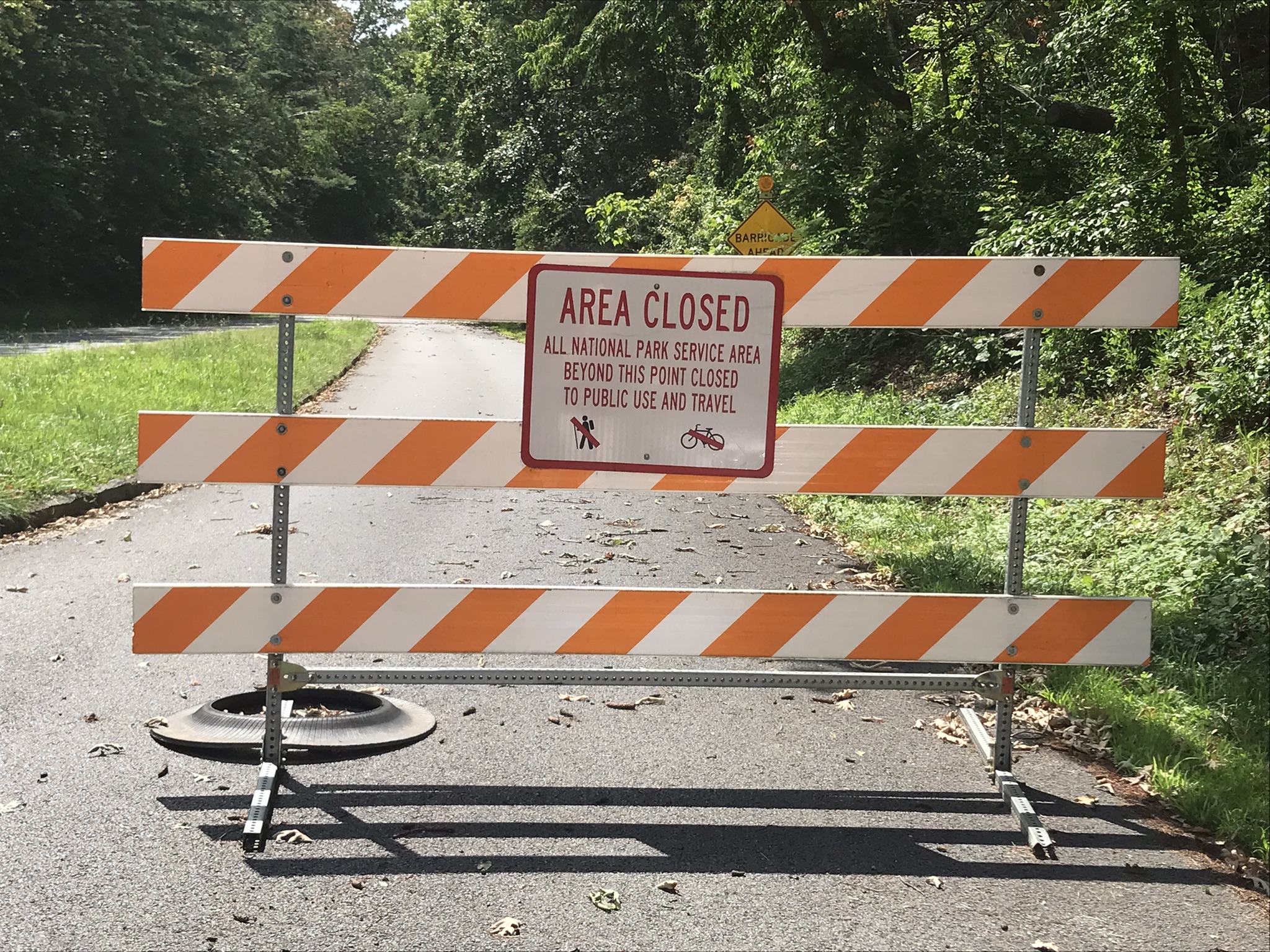





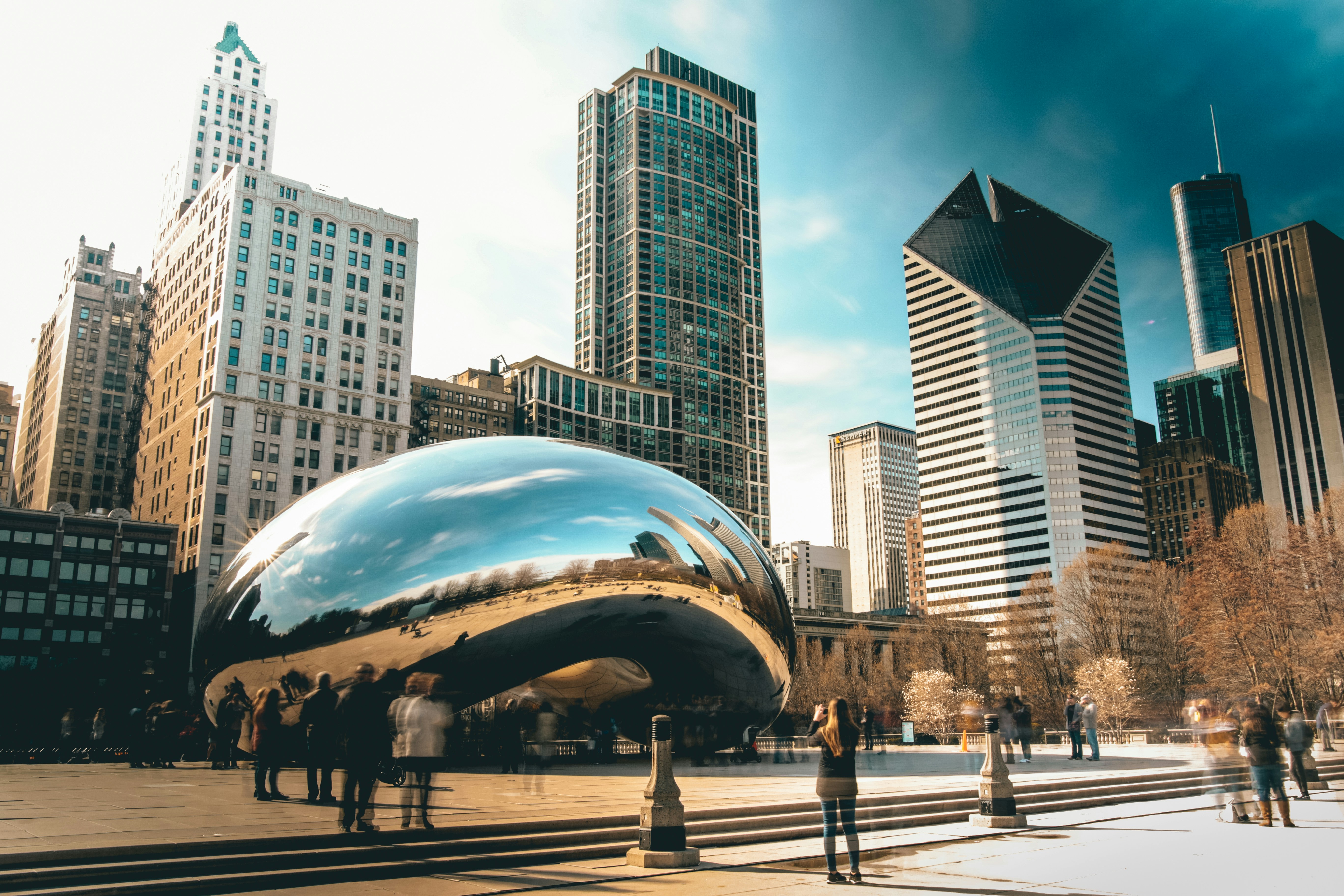


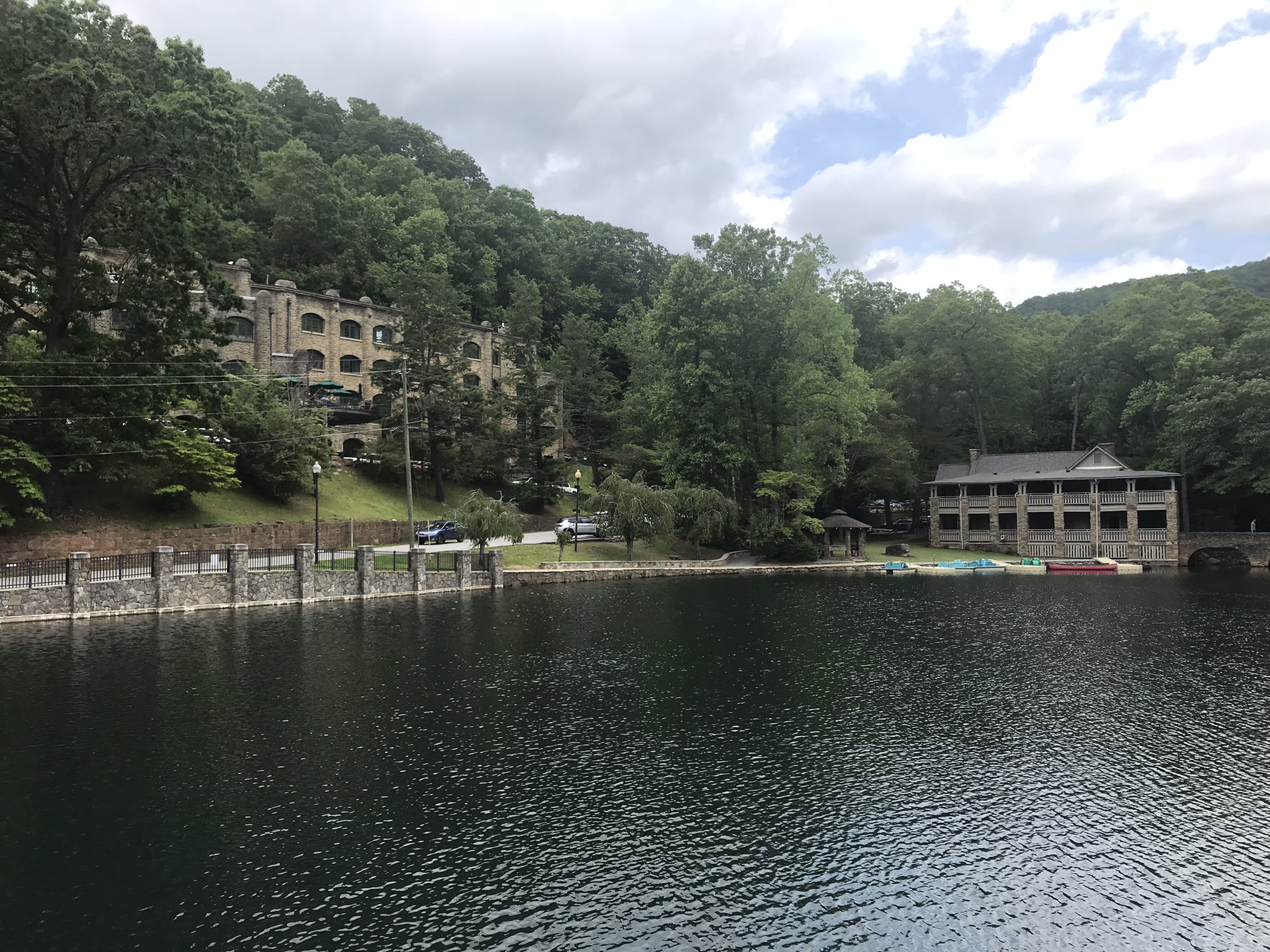


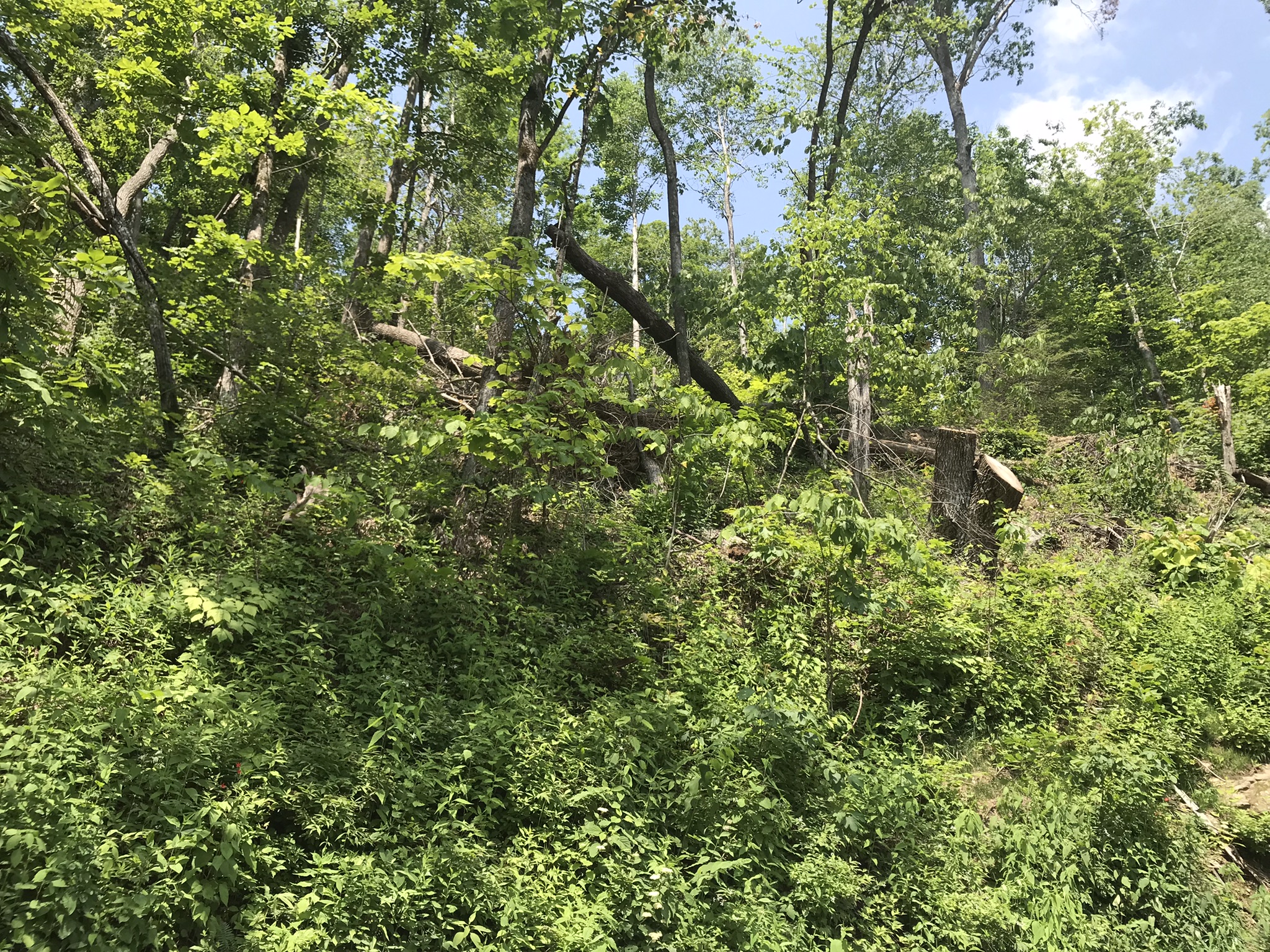
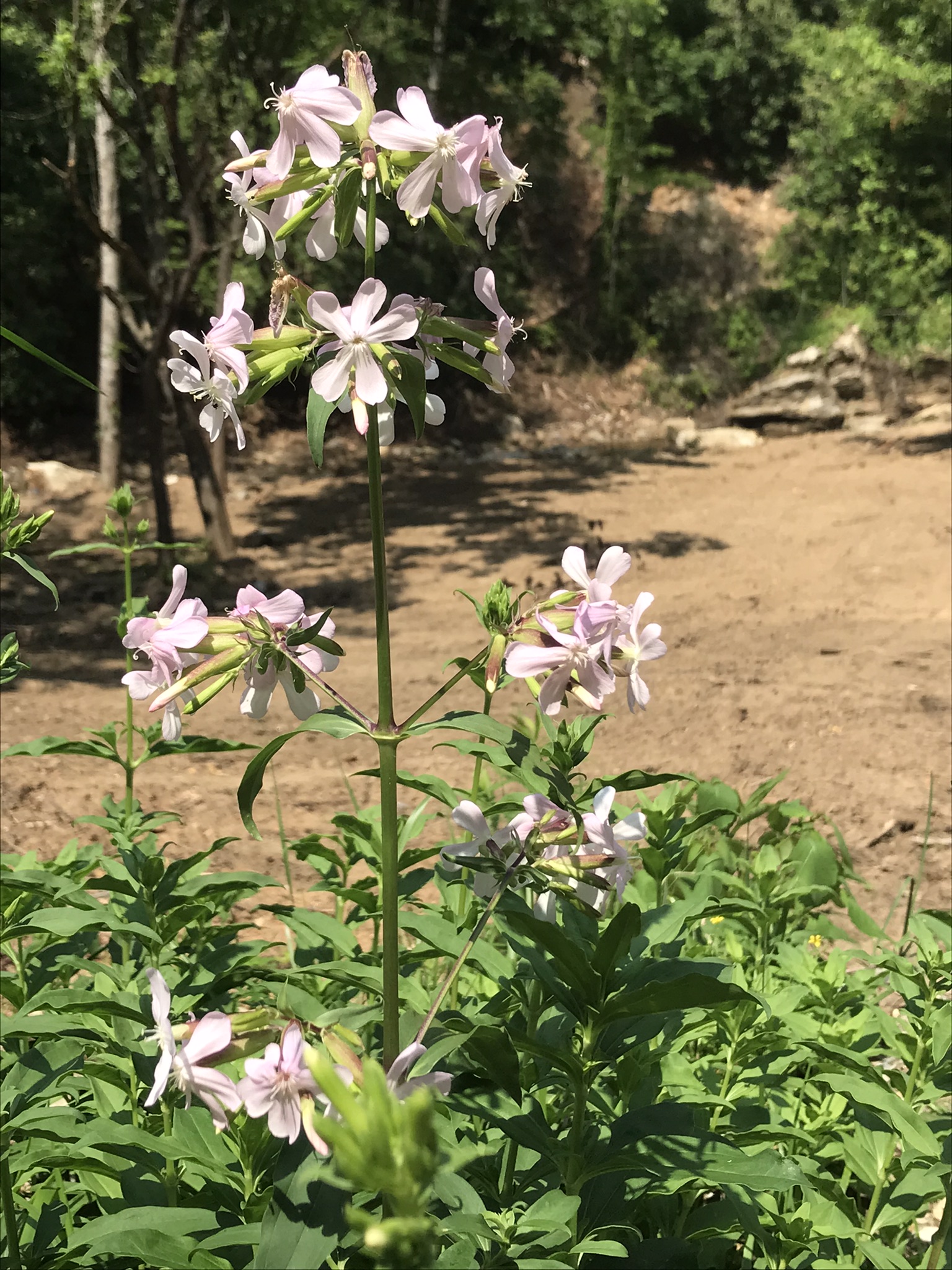


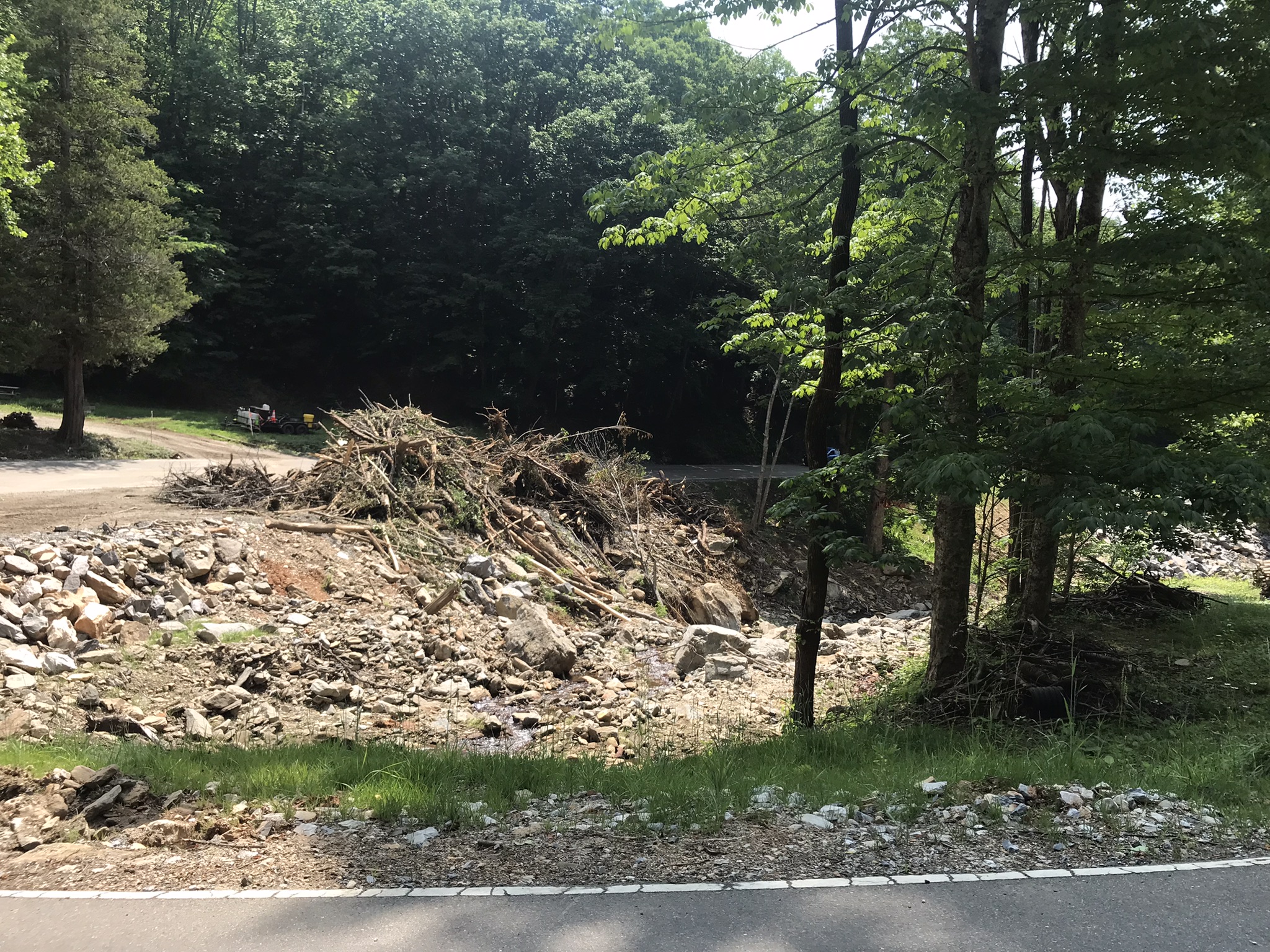

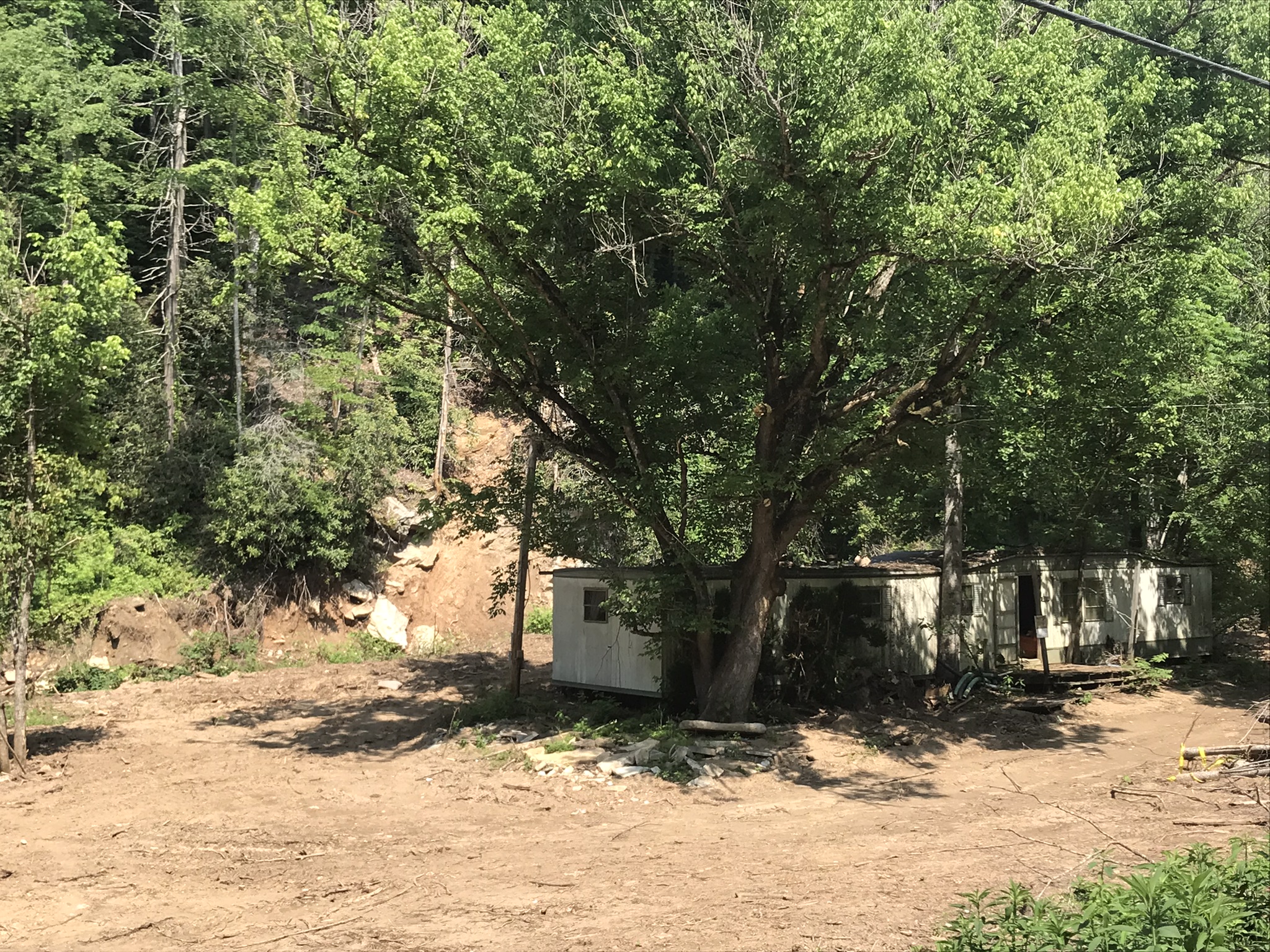
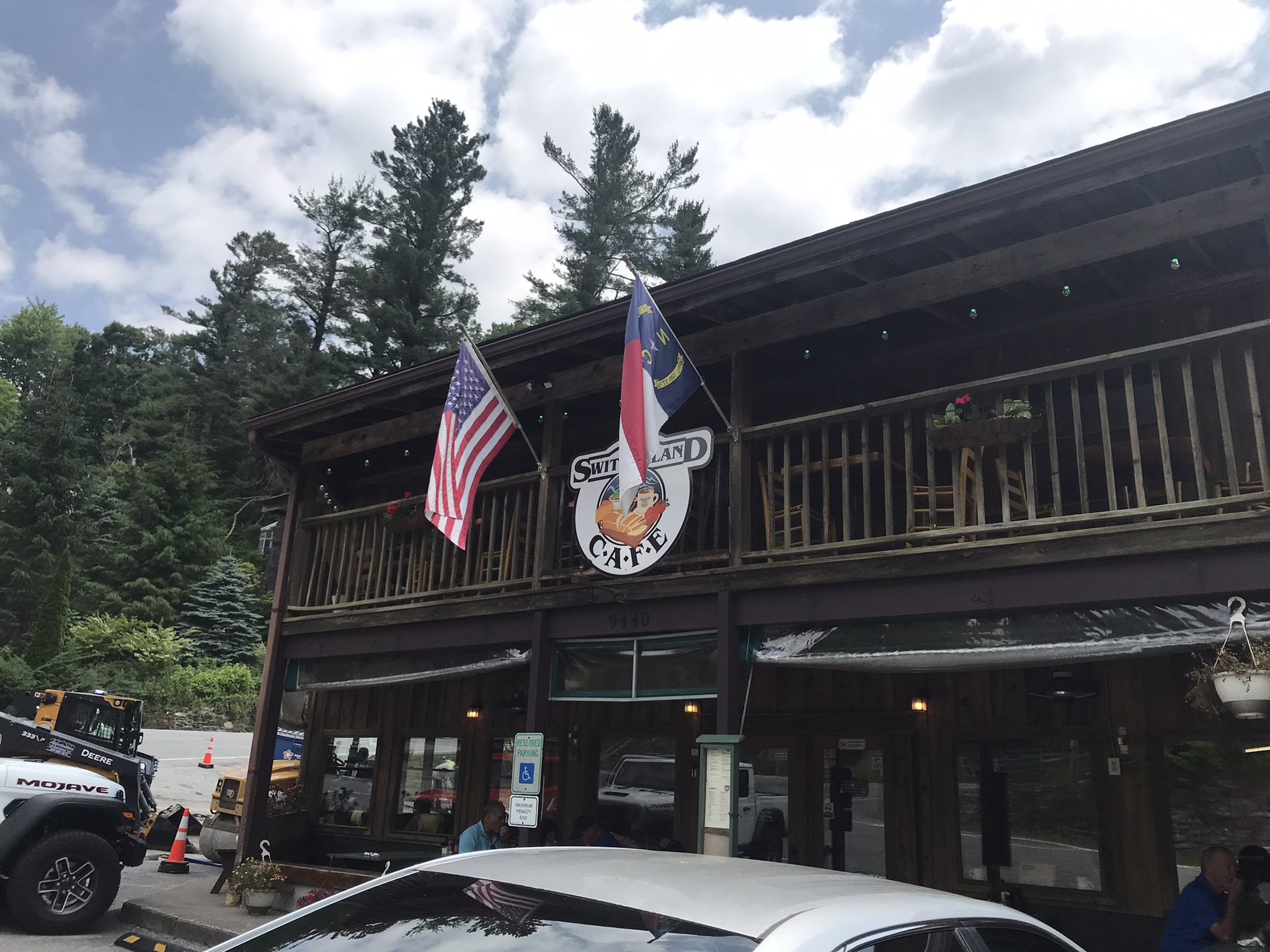

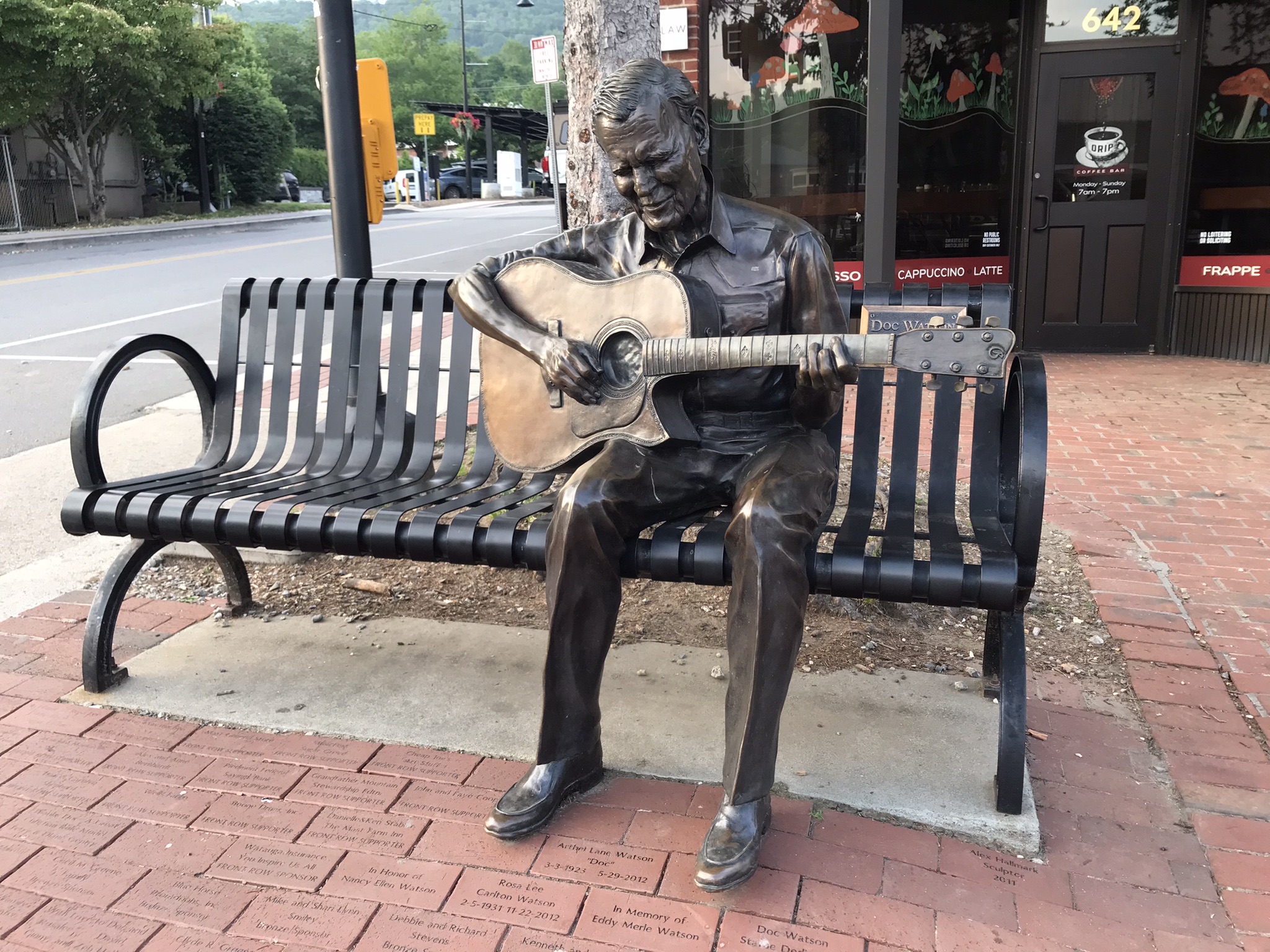


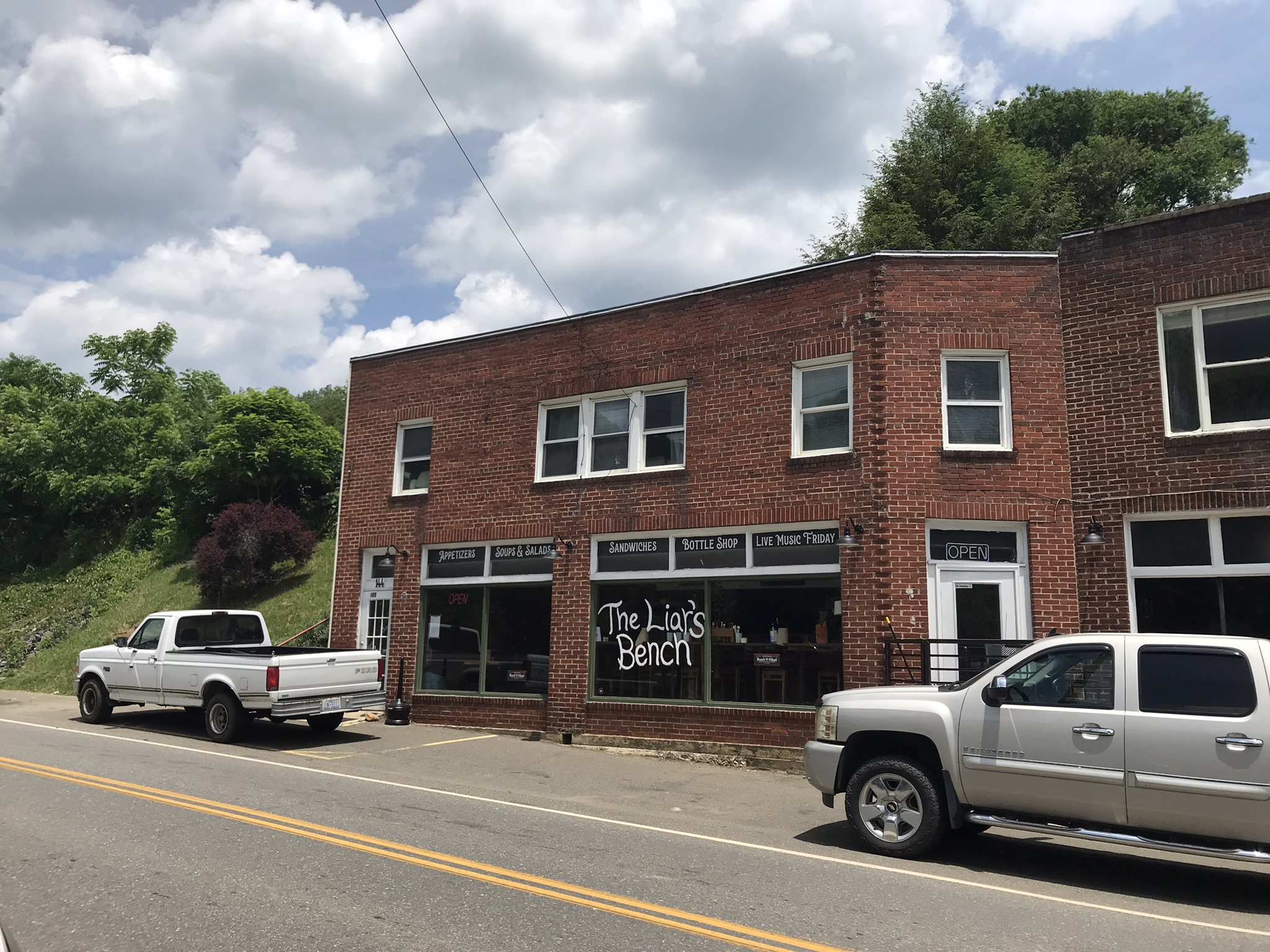





 Janet's Writing Blog