#OnThisDay: Ramifications of Backgrounds of US Supreme Court Justices

When I read that today is the anniversary of the 1777 birth of Roger Brooke Taney, I wondered why his birthday appeared on any lists. When I learned that Mr. Taney was a US Supreme Court Chief Justice when the landmark Dred Scott decision was made, I knew there was a story behind the story.

We are all products of the times in which we live but, fortunately, we can be influenced by forces other than majority or peer pressure. We each have freewill to come to our own conclusions and beliefs.

Some US Supreme Court Justices try harder than others to disregard their personal backgrounds and experiences when considering a case. Some don’t seem to try at all in the 2020s.

Photo of US Supreme Court Building in Washington, DC
US Supreme Court Building, Washington, DC. (Photo by Brad Weaver on Unsplash.)

Let’s learn who Dred Scott was, and then we’ll look at how the life experiences of Roger Brooke Taney and the other six Justices in majority vote probably played into the US Supreme Court Dred Scott v. Sandford case.

Settle in. This gets complicated.

Who was Dred Scott?

Dred Scott was born a slave in Southampton County, Virginia around 1799. He moved to Alabama with his owner, Peter Blow, in 1818. In 1830, he moved to St. Louis, Missouri where Mr. Blow ran a boarding house.

Dr. John Emerson purchased Mr. Scott after Mr. Blow died in 1832. Dr. Emerson took Mr. Scott to Illinois and later to the Wisconsin Territory. Illinois was a free state, and slavery was illegal in the Wisconsin Territory.

Mr. Scott married Harriet Robinson, who was also a slave. Ms. Robinson’s owner sold her to Dr. Emerson. Things got more and more confusing in the ensuing years after Dr. Emerson moved back to St. Louis, but hired out Mr. and Mrs. Scott, leaving them in Wisconsin.

Dr. Emerson moved to Louisiana. He married Eliza (Irene) Sandford in 1838. Dred Scott went there, but shortly thereafter the Emersons and their slaves, including Mr. Scott, moved back to Wisconsin.

Dr. Emerson was discharged from the US Army in 1842 and – you guessed it – he and his wife and the Scotts moved back to St. Louis. Mr. and Mrs. Scott, by then, had two daughters.

Dr. Emerson seemed to have financial problems, so he and his wife moved to Iowa. It is unclear whether the Scotts went with them or if they were hired out and remained in Missouri.

When Dr. Emerson died in 1843, the Scotts and all his other slaves became the property of his widow, Irene Sandford. She moved back to St. Louis, retained ownership of the Scotts, and hired them out.

Mr. Scott tried repeatedly to purchase his freedom from Irene, but she would not hear of it.

Photo of a dark-skin wrist and clenched fist with a rope tied around it.
Photo by Tasha Jolley on Unsplash

Dred and Harriet Scott lawsuits

Dred and Harriet Scott separately filed lawsuits against Irene Emerson in April 1846. They were firmly based on two Missouri statutes. One allowed anyone of any color to sue for wrongful enslavement. The other statute said that any slave transported to a free territory automatically became free and would remain free even when taken back into a slave state.

The Scotts’ church, abolitionists, and you’ll never guess who:  Dred’s previous owner’s family, the Blows, gave their support. Since neither Mr. or Mrs. Scott could read or write, they needed all kinds of support to fight their cases.

The St. Louis Circuit Court ruled against the Scotts in 1847, on a technicality. The cases were heard again in 1850 and the Scotts won their freedom. That should have been the end of it, but it wasn’t.

Irene Emerson appealed to the Missouri Supreme Court. That court combined the two cases and reversed the decision of the lower court in 1852, making the Scotts slaves again!

Then, Irene Emerson transferred ownership of the Scotts to her brother, John Sandford, or so was thought. (Actually, the transfer did not happen, but that’s why the case was called Dred Scott v. Sandford as the Scotts’ legal struggle continued.)

In 1853, Dred Scott filed a federal lawsuit with the United States Circuit Court for the District of Missouri. The case was heard in May 1854, and the court ruled against Mr. Scott.

The Dred Scott Decision/Dred Scott v. Sandford

US Supreme Court Building, Washington, DC. (Photo by Tim Mossholder on Unsplash.)

Later that year, Mr. Scott appealed his case to the US Supreme Court. The case gained support and notoriety by the time the Justices heard the case in 1856. A curious aside is that by then, Irene Sandford Emerson had married Calvin Chaffee. An abolitionist, Mr. Chaffee was also a US Congressman.

When Mr. Chaffee learned that Irene still owned Dred Scott and his family, he sold the Scotts to Taylor Blow, the son of Scott’s original owner, Peter Blow.

On March 6, 1857, the US Supreme Court announced its 7-2 decision in favor of Mr. Sandford.

On May 26, 1857, Taylor Blow freed the Dred Scott family. Sadly, Mr. Scott died of tuberculosis just 16 months after finally becoming a free man.

What was Chief Justice Roger Brooke Taney’s background?

Roger Brooke Taney was born in Maryland on March 17, 1777. He was educated in France. After coming home from France, he graduated from Dickinson College in Pennsylvania, and studied law with Judge Jeremiah Chase of the Maryland General Court.

In 1806 he married Francis Scott Key’s sister, Anne.

He had a private law practice. After being nominated by President Andrew Jackson, Roger Taney was sworn in as Chief Justice of the US Supreme Court in March 1836, replacing John Marshall.

Oh… and did I mention that he was a slave owner?

But what was Roger Taney’s personal track record with slaves?

Taney freed seven of his slaves on July 14, 1818. He also provided for the emancipation of the three older children of one of his freed slaves at later dates – one of them would be freed in 1836 at age 25, one in 1843 at the age of 30, and the other one in 1845 at the age of 30.

As a young lawyer, Taney was quoted as calling slavery a “blot on our national character,” but by 1857 (the year of the Dred Scott decision) he was an advocate in favor of slavery. It was then that he called the abolitionist movement “northern aggression.”

He wrote for the majority in favor of Dred Scott’s owner in Dred Scott v. Sandford.

Taney seemed to be conflicted on the subject of slavery. Yes, he gradually freed his slaves, but why did he drag it out over 27 years? If he was indeed against slavery as a young man, what didn’t he free all his slaves at that time instead of waiting until 1845 to free the last one? He made the children remain slaves until they were 25 to 30 years old. Where is the humanity in that?

What about the six Justices who sided with Chief Justice Taney?

Justice John Catron, a lifelong slave owner, joined in the majority opinion.

Justice Peter V. Daniel, who owned slaves throughout his adult life, joined in the majority opinion.

Justice Samuel Nelson voted with the majority but disagreed with Chief Justice Taney’s reasoning. Justice Nelson maintained that the states had the right to determine whether slavery was legal within their boundaries and that the federal government did not have the authority to tell the states what to do in that matter.

Justice Robert Cooper Grier voted with the majority and concurred that slaves were not citizens.

Justice James M. Wayne was a lawyer, politician, and judge from Savannah, Georgia. I did not find that he owned slaves. He agreed with President Andrew Jackson on the forced removal of Indians to the Oklahoma Territory. Surprisingly, he was against the formation of the Confederate States of America.

Justice John A. Campbell was a lawyer in Georgia and Alabama. Even though Justice Campbell did not believe that the Court could determine whether Dred Scott was a citizen, he agreed with the Chief Justice on most other points. He agreed that, as a slave under Missouri law, Mr. Scott could not sue in federal court.

The Majority Opinion of the US Supreme Court in Dred Scott v. Sandford

Although basing its decision on what was stated in the US Constitution at that time, the words are chilling. I’ll share just a fraction of the decision here.

Writing for the majority in the Dred Scott case, Chief Justice Taney stated, “A free negro of the African race, whose ancestors were brought to this country and sold as slaves, is not a ‘citizen’ within the meaning of the Constitution of the United States.

“When the Constitution was adopted, they were not regarded in any of the States as members of the community which constituted the State, and were not numbered among its ‘people or citizen.’ Consequently, the special rights and immunities guarantied to citizens do not apply to them.

“And not being ‘citizens’ within the meaning of the Constitution, they are not entitled to sue in that character in a court of the United States, and the Circuit Court has not jurisdiction in such a suit. The only two clauses in the Constitution which point to this race, treat them as persons whom it was morally lawful to deal in as articles of property and to hold as slaves.”

And, “The plaintiff having admitted, by his demurrer to the plea in abatement, that his ancestors were imported from Africa and sold as slaves, he is not a citizen of the State of Missouri according to the Constitution of the United States, and was not entitled to sue in that character in the Circuit Court. This being the case, the judgment of the court below, in favor of the plaintiff of the plea in abatement, was erroneous.”

Chief Justice Taney said in the majority decision that slaves were property and the ownership of slaves was on the same footing as the ownership or anything else. It said, that the courts could not at that time, under the Constitution, deprive a citizen of their property. It said that just because a citizen took their property into “a particular Territory of the United States,” (Rock Island, Illinois) did not mean they did not still own that property.

The majority decision referred to the Missouri Compromise, enacted in 1820, which admitted Missouri to the Union as a state allowing slavery, but it outlawed slavery from the rest of the Louisiana Purchase lands located north of the southern border of Missouri (the 36-degree 30-minute parallel.)

In the Dred Scott decision, the court ruled that the Missouri Compromise (which had been repealed by the Kansas-Nebraska Act of 1854) was unconstitutional and, therefore, Dred Scott and his family “were not made free by being carried into this territory….”

Background of the 36-degree 30-minute parallel

Since our current president likes to call borders artificial lines drawn by someone with a ruler decades ago, I looked into the history of the 36-degree 30-minute parallel. It was originally drawn as the boundary between the Colonies of Virginia and North Carolina. Later, it was extended to be the border between Kentucky and Tennessee. When the Missouri Compromise came along, that line was extended to balance the number of states that allowed slavery and the states that did not allow slavery.

The moral of the story

The next time there is a vacancy on the US Supreme Court or on your state’s Supreme Court, you need to pay attention. Dig into the nominee’s background and let your elected officials know what your concerns are or if you think that nominee will make be a fair, honest, law-abiding Justice with integrity. Watch the Congressional hearings and listen carefully to the nominee’s answers – to what they say and what they don’t say. Watch their body language. Are they at ease? Do they smirk? Do they easily lose their cool?


Hurricane Helene Update

As of Friday, 152 roads in North Carolina were closed due to Hurricane Helene damage and repairs. That count included 11 US highways, 17 state highways, and 124 state roads. This is an overall increase over a couple of weeks ago.

Asheville’s application for a $225 million Disaster Recovery Block Grant from the US Department of Housing and Urban Development (HUD) is in limbo because it includes a $15 million Small Business Support Program that would prioritize Minority and Women Owned Businesses. The City, which sustained more than $1 billion in damage in Hurricane Helene, has been given until April to submit a plan that is in line with Trump’s anti-minority and anti-women regime.

Keep in mind that the application was submitted last year according to the regulations that were in place at the time. Does anyone else found it ironic that HUD Secretary Scott Turner, who is a black man, wrote that “DEI [Diversity, Equity, and Inclusion] is dead at HUD”?

As employees of the National Park Service and National Forestry Service are fired by the Trump Administration in the name of “waste and fraud,” you can expect to see fewer post-Helene clean-up activities in the parks and forests in western North Carolina.

Photo by Janet Morrison.

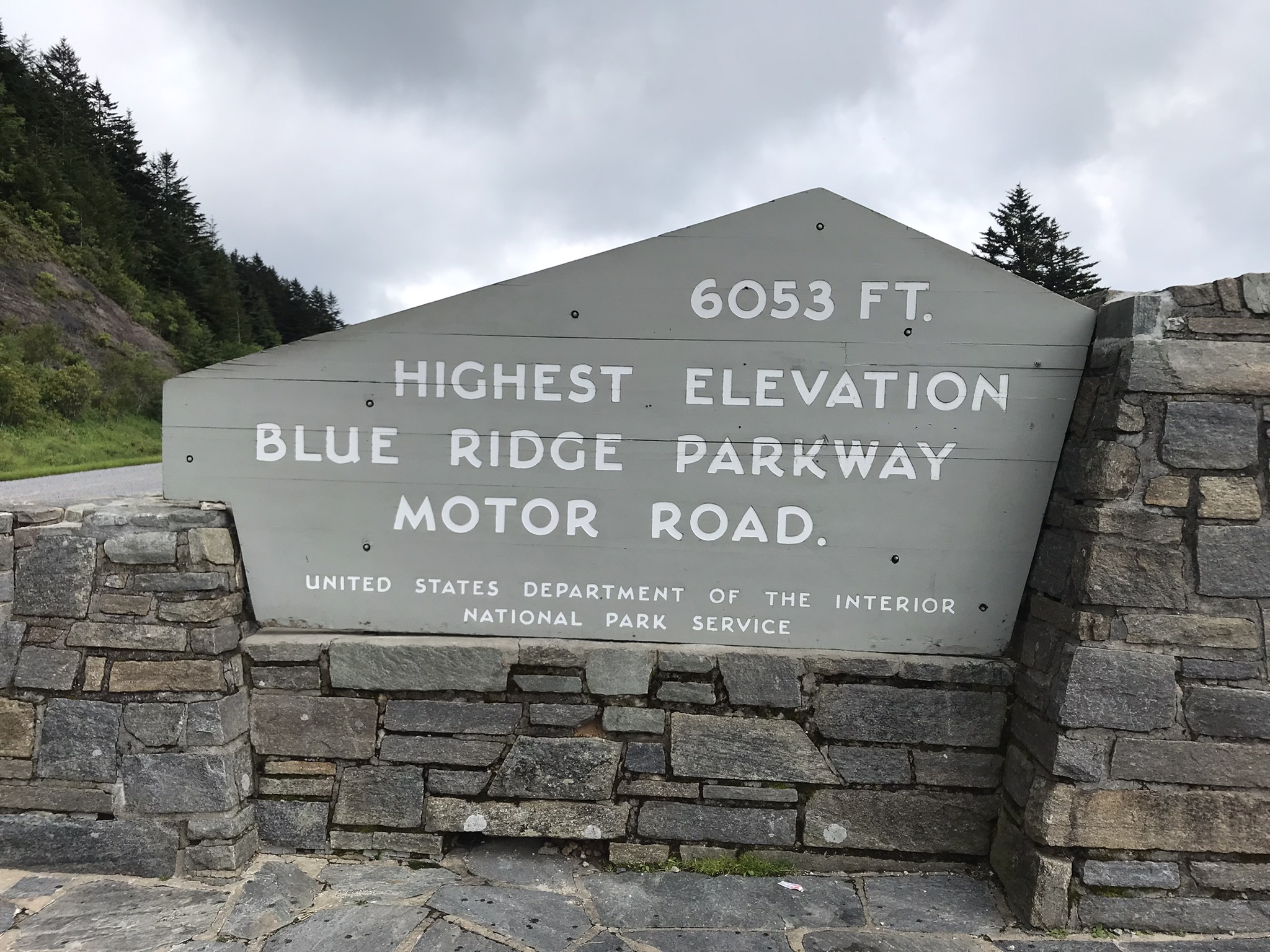
As you plan a trip to the mountains in western North Carolina this spring, here’s a link to important details about the Blue Ridge Parkway: https://www.nps.gov/blri/planyourvisit/helene-recovery-projects-at-a-glance.htm. We probably need to continue to plan our mountain visits avoiding most of the parkway.


Since my last blog post

I heard from a number of you in reference to my March 10, 2025, blog post. I heard from fellow-Americans, and I heard from people in various parts of Europe and the Caribbean.

It seems we still have a lot in common with our European allies (I can’t bring myself to refer to them as “former allies” yet): We’re all deeply concerned – and dare I say scared – over the current political situation into which the US President has thrown us.

The people in Mexico, Canada, and Europe did not ask for this… and half of the Americans didn’t ask for or vote for this. The brave people of Ukraine certainly didn’t ask for and don’t deserve this chaos.


Until my next blog post

I hope you find a good book to read that will inform you and/or give you a few hours to escape into a fictional place or time.

We didn’t all vote for this, but we’re all in it together now. We’ll be watching in the coming days, months, and years to see how the US Supreme Court will rule on cases resulting from the chaos we’ve been thrown into since January 20th.

Photo by Gayatri Malhotra on Unsplash

I hope my next blog post will be shorter than this one. It depends on what’s going on.

Please remember the people of Ukraine and western North Carolina… and all the people terrorized by tornadoes over the weekend.

Janet

Books I Read in February 2025 & Hurricane Helene Update

I read three books last month that I want to share with you today. The three are very different from each other, so perhaps at least one of them with pique your interest. I recommend each of them.

After my comments about the books I read, I have my weekly update on Hurricane Helene recovery in western North Carolina. I look forward to the day that I no longer need to report on that September 2024 natural disaster.


I Was Anastasia, by Ariel Lawhon

Photo of the cover of I Was Anastasia, by Ariel Lawhon
I Was Anastasia,
by Ariel Lawhon

I was so impressed with Ariel Lawhon’s writing style and writing voice while reading The Frozen River in January, that I requested I Was Anastasia from the public library.

Reading this novel transported me back to the book and movie, Dr. Zhivago.

The Romanov family ruled Russia from 1613 until 1917. In 1918, Bolshevik revolutionaries executed Nicholas II, his wife, and their five children by firing squad. History tells us there were no survivors.

The Anastasia in this novel is the alleged daughter of Czar Nicholas II.

Anastasia’s survival of the Romanov family being executed by a firing squad has remained one of those mysteries of the last 100 years. Is it fact or fiction? Is it what would be called an urban legend today or a conspiracy theory or the truth?

The Serviceberry: Abundance and Reciprocity in the Natural World, by Robin Wall Kimmerer

Photo of the front cover of The Serviceberry: Abundance and Reciprocity in the Natural World, by Robin Wall Kimmerer
The Serviceberry: Abundance and Reciprocity in the Natural World, by Robin Wall Kimmerer

I was on the waitlist for this book for so long that I forgot what it was about. It was worth the wait, though, as this 118-page book was a fast read and thought-provoking.

The author is a member of the Citizen Potawatomi Nation and is a professor of Environmental Biology at The State University of New York. She pulls on the wisdom in those Potawatomi Nation roots to offer us a path to economies of sharing and reciprocity. Ms. Kimmerer’s premise is that Mother Earth holds all the resources we need.

The problem comes in when people see those resources as commodities instead of gifts. When something is a commodity, the idea of scarcity enters the picture. Scarcity triggers greed. When a resource is valued as a gift, it is treated with respect and is cared for.

The title of the book comes from the Serviceberry, which she calls a “calendar plant.” The author encourages us to adopt the wisdom of earlier times when we enjoyed only the seasonal produce. Referring to the seasonal practices of traditional Indigenous People, she writes, “Eating with the seasons is a way of honoring abundance, by going to meet it when and where it arrives.”

She writes, “We force the food to come to us, at considerable financial and ecological costs, rather than following the practice of taking what has been given to us, each in its own time.”

I must admit that I love the convenience of freezing the blueberries I pick in July so I can enjoy them on my oatmeal and in muffins throughout the winter, but do I really need to have access to watermelon from southern Mexico in January?

Taking the ideas presented in The Serviceberry: Abundance and Reciprocity in the Natural World, by Robin Wall Kimmerer to heart even in small, incremental ways by each of us could have a impact on how we view the gifts of the Earth.

The Lady’s Handbook for Her Mysterious Illness: A Memoir, by Sarah Ramey

Photo of the front cover of The Lady's Handbook for Her Mysterious Illness, by Sarah Ramey
The Lady’s Handbook for Her Mysterious Illness,
by Sarah Ramey

I learned about this book through Ann Patchett on Instagram. Ms. Patchett, in addition to being a well-respected author, owns Parnassus Bookstore in Nashville, Tennessee. She and her dog post videos on Instagram highlighting books she wants to publicize.

Little did I know when I requested The Lady’s Handbook for Her Mysterious Illness: A Memoir, by Sarah Ramey from the public library that it was going to in a multitude of ways describe my own health journey!

Ms. Ramey has some health problems I do not have; however, we share the diagnosis of Chronic Fatigue Syndrome/Myalgic Encephalomyelitis. In her book, Ms. Ramey details the physically- and emotionally-painful 14 years it took for her to get a diagnosis. I can identify with her journey, although it did not take me that long to get a diagnosis.

As Ann Patchett did, I recommend this book to everyone.

If you have not personally experienced years of being brushed off by doctors who are ignorant of this or some other mysterious illness, if you have never been told by a doctor that your painful and debilitating symptoms “are all in your head and you need to see a psychiatrist,” consider yourself lucky. Whether you know it or not, you probably know someone who has had such an experience.


Hurricane Helene Update

Interstate 40 in the Pigeon River Gorge in western NC: A full five months since Hurricane Helene dumped up to three feet of rain and hurricane-force winds on western North Carolina, on Saturday, March 1, one lane of I-40 in each direction opened with a 35-mph speed limit. The lanes are narrow and they’re separated by a 9-inch wide and 9-inch high median. Tractor-trailer trucks are allowed, but most truck drivers interviewed by a Charlotte TV station said they will avoid that part of the interstate.

Alongside these rebuilt/repaired lanes, the original east-bound side of I-40 will be rebuilt from the Pigeon River up. It is said now that it will take two or three more years to completely rebuild and reopen I-40 in western North Carolina.

As of Saturday, 148 roads in North Carolina were still closed due to Hurricane Helene. That count included 11 US highways, 16 state highways, and 121 state roads. That is an overall decrease of seven in the last week.

Sadly, a number of wildfires have broken out in Polk and Buncombe counties (and maybe others) over the weekend in the areas that have suffered so much from the hurricane damage. It will take years and years for all the trees that were downed by the hurricane to be cleared up. Until then, they lie as dead wood on the forest floors.

Nantahala National Forest: Perhaps Elon Musk didn’t hear President Trump say in January that he was going to take care of western North Carolina that was ravaged by Hurricane Helene last September. He claimed that President Biden hadn’t helped western North Carolina at all.

Here is an example of how President Trump is helping western North Carolina recover from that natural disaster: Last week 17 federal employees working to continue to clean up the 531,148- acre Nantahala National Forest lost their jobs because some teenaged computer nerds working for Elon Musk are being paid to eliminate the federal work force. I guess rich people and geeks don’t appreciate our national parks and forests – the enjoyment they bring to taxpayers and the tax dollars they generate from the tourists who spend money for lodging, food, and shopping in the surrounding areas.

Nantahala National Forest ranges in elevation from 1,200 feet to 5,800 feet. Recreational activities include whitewater rafting and camping. There are more than 600 miles of trails for hikers, horse-back riders, mountain bikers, and off-highway vehicle riders.

Great Smoky Mountains National Park

As of Friday, 12 National Park Service employees stationed in Great Smoky Mountains National Park had lost their jobs. I can’t help but wonder if one or more of them assisted me in some way when I visited the park last summer.

Perhaps the park ranger who led a group of us on a hike to see three remote waterfalls lost her dream job last week. No doubt most, if not all of those 12 people, were still working to clear hiking trails and rebuild foot bridges damaged or destroyed by Hurricane Helene.

Visited by more than 13 million people in 2023, Great Smoky Mountains National Park is the most-visited US national park. It covers 552,427 acres in NC and TN.

Blue Ridge Parkway

At least one National Park Service employee assigned to the Blue Ridge Parkway lost their job last week. I report on the post-Helene status of the Blue Ridge Parkway almost every week in my blog. How are repairs and the rebuilding of that road and strip of right-of-way supposed to be accomplished with fewer employees than it had before the hurricane?

As I reported on February 17, 2025: “The flooding and wind from Hurricane Helene last September caused 48 landslides in one 38-mile section of the parkway between Asheville and Linville. There are no estimates for when those 38 miles will be completely rebuilt or if all of it can even be rebuilt, but it will not happen in 2025.”

While I’m on the topic of National Park Service cuts… six employees assigned to Cape Hatteras National Seashore lost their jobs last week. The Outer Banks of North Carolina were not damaged by Hurricane Helene, but the Cape Hatteras National Seashore is a fragile, beautiful, and wild strip of land that is buffeted by the part of the Atlantic Ocean known as “the Graveyard of the Atlantic” due to its storms and hundreds of shipwrecks.

The Blue Ridge Parkway, Great Smoky Mountains National Park, and Cape Hatteras National Seashore are among the most-visited parks in the United States. The statistics I include today are just a few of the some 1,000 national park service employees and 3,400 national forest service employees Elon and Trump are letting go.

You know the National Forest Service slogan: “Only you can prevent forest fires”? It is true today, and apparently only you can put out a fire in a national forest. The employees have been fired in the name of government efficiency.

WNC Nature Center in Asheville will reopen on March 17. The 42-acre park includes the 100-year-old Recreation Park Zoo and the Nature Center which opened in 1977. The center showcases wildlife of the Southern Appalachian Mountains. As western NC slowly reopens to visitors, check out the center’s website (https://wildwnc.org/) and start planning your vacation!

Innovative Bridge Company of Petal, Mississippi has built 40 bridges in seven western NC counties since Hurricane Helene. The company had never done disaster recovery work until the City of Asheville and the NC Department of Transportation reached out to them last October.

The company repurposes flat rail cars and boxcars into foot bridges and vehicular traffic bridges. These temporary emergency bridges will be in place until permanent bridges can be constructed over the next two-to-three years. There are two short videos on the company’s website showing the work they’re doing in western NC.

Precision Grading of Saluda, NC continues to donate his time, materials, and equipment to help individuals at no cost to them. He is doing this through his own money and donations from the public. So far, he has done this hard work for more than 150 days.

The 21st Century Packhorse Librarian continues to take, organize, and distribute book donations to put books in the homes of people who lost their access to books or income due to the disaster.

Brother Wolf Animal Rescue in Asheville is continuing to work from temporary quarters. After five months of fundraising, the organization is looking for a safe location where they can rebuild.


Until my next blog post

Thank you for reading my blog.

I hope you have a good book to read to take your mind off what happened at the White House on Friday.

Remember the people of Ukraine and western North Carolina.

Janet

The Amazing Dr. Nicholas E. Lubchenko

Plan A:  The Ida Nicholson

I wanted to blog about the sinking of the Ida Nicholson, a schooner that sank off Ocracoke Island, North Carolina in 1870, but I was unable to find sufficient information about the incident. It was hauling 101,600 of the one million bricks needed for the construction of the Hatteras Lighthouse when it went down in a gale in the infamous “Graveyard of the Atlantic.” The entire cargo was lost.


Plan B: My chance to introduce you to Dr. Nicholas E. Lubchenko

The amazing Dr. Nicholas E. Lubchenko was a topic I kept on the backburner to use when I didn’t have another blog subject calling my name. Today is that day!

In case you’ve wondered why I end my blog posts by asking you to remember the people of Ukraine, in addition to my heartfelt belief that Ukraine deserves to remain an independent nation, it is my small way of honoring the memory of a country doctor who served so many in my community for decades, regardless of their ability to pay the small fee he charged.

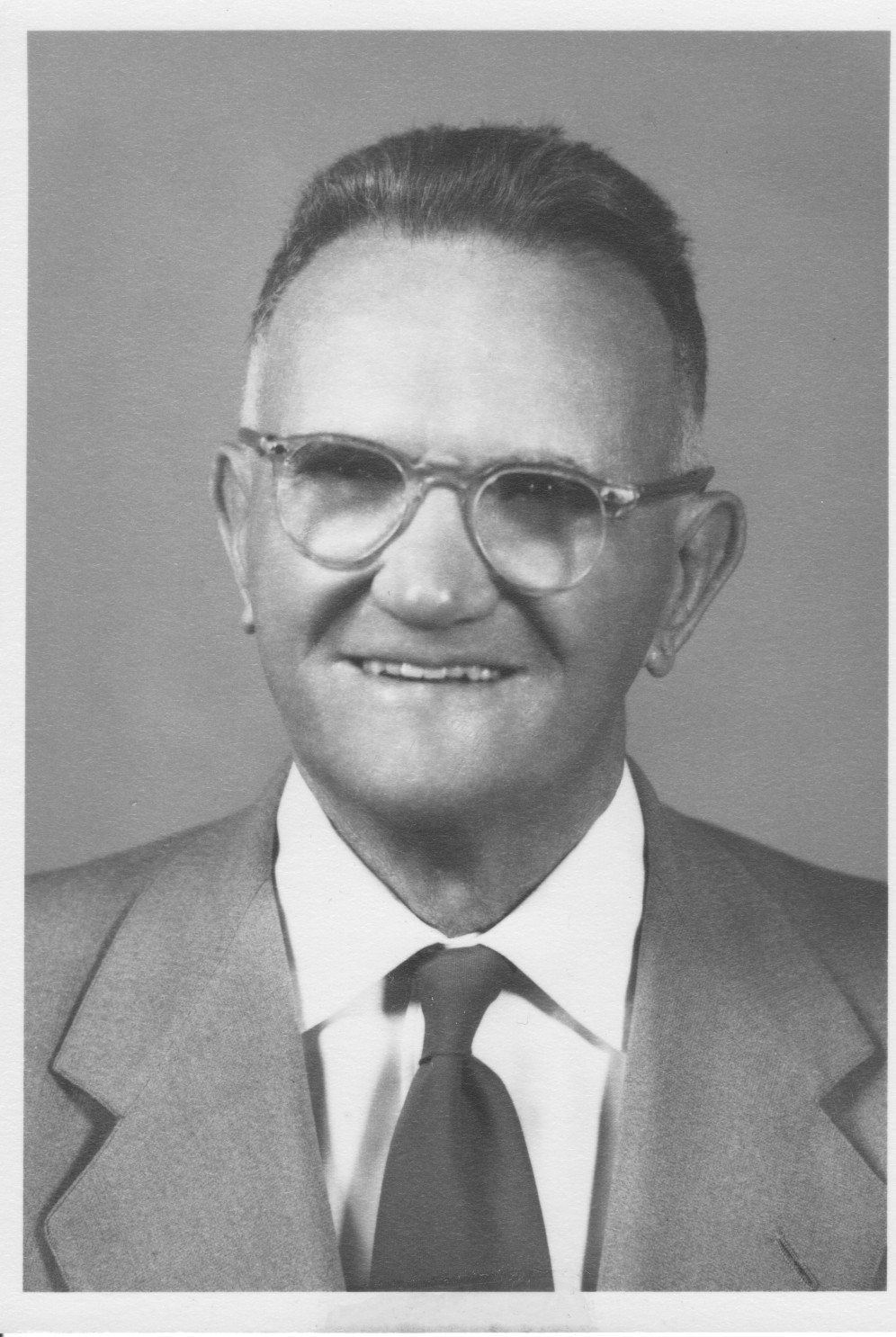
A black and white photo of Dr. Nicholas E. Lubchenko
Dr. Nicholas E. Lubchenko

Those are Dr. Lubchenko’s people in Ukraine, and they yearn to remain a free nation not under the thumb of Vladimir Putin.


Dr. Lubchenko’s Early Years, Military, and Medical School

Nicholas E. Lubchenko was born in Bulai, Zerkov, near Kiev, Russia (now, Ukraine) in 1882. One of ten children of a leather worker, he graduated from an agricultural college in Kharkov. Kharkov, Ukraine is familiar to us now since Russia’s invasion of Ukraine and the ongoing war.

By 1906, Lubchenko was in the Russian army. His dream was to get to America, which he called “the greatest country in the world.” He concluded that if he did not escape from the army, he would never make it to America.

Quoting from my book, Harrisburg, Did You Know? Cabarrus History, Book 1: “One day in 1906, while still in the arm, he walked out of Russia and crossed into Austria, with a ‘samovar (a Russian urn with a spigot made for boiling water for tea) under his arm and one change of clothing.’ He could speak French and German but not English.

“He got a job working on a ship bound for New Orleans. After he arrived in America in November of 1906, an eastern Louisiana family helped him until he saved enough money to travel to South Carolina where his brother, Alexis, lived.”

He worked on a cotton farm in Ridgeway, South Carolina, saved his money, and after five years was able to borrow money to attend the North Carolina Medical College in Charlotte, NC. He had $69 when he arrived in Charlotte.

He put himself through medical school by working for various doctors in his spare time. During World War I, the North Carolina and Virginia Medical Schools had to merge due to the economy, so Lubchenko moved to Richmond, Virginia, and graduated in 1915.


Dr. Lubchenko’s Medical Career

Dr. Lubchenko served as a medical officer in the Merchant Marine on a transport ship in World War I and then started his medical practice in Newell, NC. He married a nurse from Cabarrus County, NC.

During the 1918-1919 Spanish Influenza Epidemic, Dr. Lubchenko made house calls from morning and into the night.

Dr. Lubchenko became a naturalized American citizen on April 2, 1923. He moved his family to Anson County, NC, but then they moved to Harrisburg and he resumed serving the people of eastern Mecklenburg County and western Cabarrus County.

He tried unsuccessfully to enlist in the US Army when World War II started, but age and the vital medical service he was rendering in the Harrisburg area prevented that. It is said that he stayed angry about that for a long time.

Dr. Lubchenko operated his medical practice out of his home in Harrisburg, NC, but the majority of his work was probably done through house calls. He practiced medicine in Harrisburg until his death in 1960.


Dr. Lubchenko, the Humanitarian

In a 1989 newspaper interview, one of the Lubchenkos’ daughters said he did not send bills to his patients. As stated in my book, “She quoted him as saying, ‘If they don’t want to pay, they won’t. If they do, they will, and if they want to pay and couldn’t, it would embarrass them.’” A 1944 ledger indicates that his usual charge for services was $3.00.

In addition to being a physician around the clock, 365 days a year, Dr. Lubchenko loved his adopted community and worked  to make life better for the residents. Harrisburg was a small community of just 300 people in 1950, but Dr. Lubchenko wanted the best for the wider community.

He donated the land for and was the driving force in establishing the Harrisburg Volunteer Fire Department in 1954. It was the first volunteer fire department in Cabarrus County and served a wide area. For instance, we lived five miles from Harrisburg, but my father was a charter member of the fire department.

In 1955, Dr. Lubchenko helped organize a post of the Ground Observer Corps in Harrisburg. These were the days of the Cold War before radar was in place to detect enemy aircraft.


Reflections

As a child, I was scared of Dr. Lubchenko. I could not understand his heavy Russian accent and he was somewhat gruff. It was only as an adult, many years after his death, that I gained a true appreciation for him.

Although Harrisburg started growing rapidly a few years after Dr. Lubchenko’s death, it would be 30 years before the town had another doctor. His death left a great void in the wider Harrisburg community.

You can read all about Dr. Lubchenko, his medical practice, his house, the Harrisburg Volunteer Fire Department, the Ground Observer Corps, and many other aspects of local history in Harrisburg, Did You Know? Cabarrus History, Book 1. The book is available in paperback at Second Look Books in Harrisburg and in paperback and as an e-book from Amazon.com. (By the way, Harrisburg, Did You Know? Cabarrus History, Book 2 is also available.)


Hurricane Helene Update

As of Friday, 169 roads in North Carolina are still closed due to Hurricane Helene, including Interstate 40 near the Tennessee line. That count consists of 1 interstate, 11 US highways, 20 state highways, and 137 state roads. That’s a decrease of two roads over the report two weeks ago. More heavy rain, wind, and icy conditions hit over the weekend with more of the same predicted for midweek. Repairs are made slow under such conditions.

There has been some good news about I-40. It is thought that by March 1 one lane of I-40 in both directions will open. The speed limit will be 40 mph on that stretch just east of the TN-NC line. I have not read whether commercial vehicles will be allowed, but my hunch is that they won’t.

News about the Blue Ridge Parkway in North Carolina is not good. The flooding and wind from Hurricane Helene last September caused 48 landslides in one 38-mile section of the parkway. There are no estimates for when those 38 miles will be completely rebuilt or if all of it can even be rebuilt. That section between Asheville and Linville will not reopen in 2025.


Until my next blog post

I believe most people want to see a peaceful end to the war in Ukraine, but I don’t want Ukraine to have to do all the compromising.

I hope you have a good book to read.

Remember the people of Ukraine and western North Carolina.

Janet

Books Read in January and Hurricane Helene Update

January turned out to be a good reading month for me, and I have much to report on Hurricane Helene recovery in western North Carolina. I’ll jump right in and tell you about some of the books I read.


The Frozen River, by Ariel Lawhon

Photo of front cover of the book The Frozen River, by Ariel Lawhon.
The Frozen River,
by Ariel Lawhon

My sister recommended that I read this historical novel. Finally, when it was chosen as the January read for the book club we’re in, I checked it out. I immediately fell in love with the way Ariel Lawhon writes.

The novel is set in Maine in the 1700s. The story switches from one decade to another, not necessarily in chronological order. That’s not my favorite way to read a story, but this one worked better for me than others I’ve read.

The story is inspired by Martha Ballard, a real-life midwife in Maine at that time. As Lawhon explains in her author’s notes at the back of the book, she did take creative license in some areas to make it a more manageable story. That said, the book is well-researched and in the author notes Lawhon explains why the book sometimes deviates from the facts. After all,… it is fiction!

The novel includes murder, rape, attempted rape, young love, vengeance, lying, under-handed business dealings, the unique lifestyle along a river that freezes over in winter, and the birth of numerous babies. There is conflict between Martha Ballard and a young, inexperienced physician who moves to the town. There are court cases, and there are judges of questionable character. There is a lot going on in this novel!

As an aspiring novelist, I plan to read The Frozen River again just to study how it is written.

I highly recommend The Frozen River to anyone who likes to read historical fiction set in 18th century America.


The Lion Women of Tehran, by Marjan Kamali

Photo of front cover of book, The Lion Women of Tehran, by Marjan Kamali
The Lion Women of Tehran,
by Marjan Kamali

This novel follows the friendship of two people through the 1950s, 1960s, and 1970s against the backdrop of what was happening in Iran. Iran went from being under the rule of the Shah to being under the rule of the Ayatollah Ruhollah Khomeini.

For those of you who might not have lived through those three decades… It was under the Ayatollah Ruhollah Khomeini that women lost all their rights. The radical Islamic view that women are put on earth for one purpose – to wait on and obey men and bear their children – is what Iran has turned into. They are not to be seen. It wasn’t enough that they had to wear the hijab in public. As of a couple of weeks ago, windows in their homes through which it would be possible for a man to see them were outlawed. Let that sink in!

Back to the novel… In The Lion Women of Tehran, we see two young girls become friends although Ellie is from a privileged family and Homa is from a poor family. Ellie, in fact, defies her mother’s wishes that she not befriend someone from the poor part of town.

Ellie and Homa share their dreams of attending college and becoming professionals in a modern Iran. Homa even aspires to get a law degree and someday be a judge. This is a reasonable aspiration for a girl in Iran at that time. Girls are seeing women have jobs they\ had been excluded from until the somewhat enlightened time of the early 1960s.

The book follows the ups and downs of Ellie and Homa’s friendship and the challenges of the cultural and governmental restrictions on women and free speech.

Spoiler Alert: When the novel comes to an end, one of the two – women now – has escaped to the United States. The aspiring lawyer has been raped in prison for protesting injustice and she reaches out to her now-estranged friend in America to help her get her teenaged daughter out of Iran.

The Lion Women of Tehran had an especially chilling affect on me because I was reading during the first week of Trump’s second administration when we were witnessing what it looks like when a country’s leader daily pushes the limits of the power of the office he or she holds – even in a democracy.  

This is the second novel I’ve read by Marjan Kamali. In October 2019, I read The Stationery Shop. (See my November 4, 2019 blog post, A New Favorite Novel? in which I told how impressed I was with Marjan Kamali’s writing.)


How to Stand Up to a Dictator, by Maria Reesa

Photo of the front cover of the book, How to Stand Up to a Dictator: The Fight for Our Future, by Maria Reesa
How to Stand Up to a Dictator: The Fight for Our Future, by Maria Reesa

I wish I could take credit for reading I Was Anastasia and How to Stand Up to a Dictator in the same month, but I was at the mercy of the waitlists at the public library. Sometimes things just fall into place through no effort of our own!

After hearing Maria Reesa interviewed on NPR and learning that she had written a book, I immediately got on the waitlist for it at the public library.

Maria Reesa is from The Philippines. She was awarded The Nobel Peace Prize in 2021 for her courageous work at a journalist.

In her book, How to Stand Up to a Dictator, Reesa writes from her own experience. She was arrested for reporting the truth – a truth that ex-President Rodrigo Duterte of The Philippines did not want people to know.

Meticulously written, the book points out how in many ways what happens in politics in The Philippines eventually happens in politics in the United States. That was a revelation for me, but the examples she gave painted a compelling picture.

Near the end of the book, Reesa gives the 10-Point Plan to Address the Information Crisis that she and fellow-2021 Nobel Peace Prize recipient Dmitry Muratov presented at the Freedom of Expression Conference, Nobel Peace Center, Oslo, Norway, on September 2, 2022.

In a nutshell, points 1-3 call on transparency and a consideration for human rights by tech companies, right to privacy of citizens to be beefed up, and public condemnation of attacks on journalists.

Points 4 through 9 are directed at the European Union, and point 10 calls on the United Nations to “Create a special Envoy of the UN Secretary-General focused on the Safety of Journalists (SESJ) who would challenge the current status quo and finally raise the cost of crimes against journalists.”

Reesa calls on young people to put their phones down and focus on the people they love. She writes, “You find meaning by choosing where to spend your precious time.” We can all benefit by taking that to heart. She told a high school audience that they can’t find meaning on social media.

She writes about how social media can easily be hijacked by individuals and elected officials with ill intent, and how misinformation spreads like wildfire while fact-checking and retractions never spread as quickly or easily as lies.

Reesa says if the rest of the world wants to know what unbridled social media will do to their country, all they need to do is look at what happened in The Philippines.

In 2012, Reesa cofounded a digital only news website in the Philippines called Rappler. Rappler has exposed corruption and manipulation in government and in technology companies.

She warns, “the Philippines is ground zero for the terrible effects that social media can have on a nation’s institutions, its culture, and the minds of its populace. Every development that happens in my country eventually happens in the rest of the world – if not tomorrow, then a year or two later.”

She goes on to say, “This book is my attempt to show you that the absence of rule of law in the virtual world is devastating.” She warns us, “Don’t become a Monster to Fight a Monster. Embrace Your Fear.”


Blogging for Authors, by Barb Drozdowich

Photo of front cover of the book Blogging for Authors, by Barb Drozdowich
Blogging for Authors,
by Barb Drozdowich

Reading this book made me aware of some ways I’m falling down on the job when it comes to my blog. The author says that an author’s blog is “… by far the most important method of communicating with your readers.” She also says, “… you want readers to be able to Google the genre they read and find your site in a search.”

Since I write local history and historical fiction, there’s a slim-to-none chance someone will find my blog by typing either of those topics in a search engine. Just for fun, I tried.

I have tried to blog about historical events to convey my lifelong foundation in the study of history and my ability to do historical research. I’ve blogged about the craft of writing as I continue to learn more about it every day. I hope I’ve been successful, but now I might need to consider how to express how those things are converging in my effort to write my first historical novel. Stay tuned!


Hurricane Helene Update

As of Friday, 171 roads in North Carolina are still closed due to Hurricane Helene, including Interstate 40 near the Tennessee line, but that’s a decrease of 12 since the Friday before. That count consists of one interstate, 12 US, 19 state highways, and 139 state roads. There is no estimate for when the Blue Ridge Parkway in North Carolina will be fully reopened.

WLOS in Asheville reported that the Biltmore Estate donated at least 40 hotel rooms of furniture to the Habitat for Humanity Restore to resell. All proceeds from items sold at a Habitat for Humanity Restore, of course, funds new home construction.

WLOS is also reporting a new partnership in Haywood County between Mountain Project and Habitat for Humanity as others to build 10 homes specifically for families impacted by Hurricane Helene.

Verizon has partnered with ForgiveCo, a public benefit corporation, to pay off $10 million in debts owed by 6,500 people in the 39 North Carolina counties impacted by Hurricane Helene. A Verizon spokesperson said the company thought they needed to do more than restore customers’ telephone service. The debt forgiveness recipients were randomly selected.

The newspaper in Boone, The Watauga Democrat, reported that NC Gov. Josh Stein announced a joint $30 million small business grant program with Dogwood Health Trust to support small businesses affected by Hurricane Helene.

Businesses with annual revenue up to $2.5 million are eligible for grants up to $50,000 from the Western North Carolina Small Business Initiative Grant Program. Dogwood Health Trust, a private foundation, created the Western North Carolina Small Business Initiative last fall in response to the Hurricane Helene disaster.

Businesses in the 28 counties and the Eastern Band of Cherokee Indians covered by President Biden’s federal disaster declaration or in Dogwood Health Trust’s 18-county footprint and that meet revenue requirements are eligible to apply for a grant.

Governor Stein announced that the State of North Carolina is awarding $3 million to Baptists on Mission and $3 million to Habitat for Humanity NC for their housing repair initiatives in the western part of the state.

Photo of a man using a power saw to cut a piece of lumber
Photo by Greyson Joralemon on Unsplash

The Boone newspaper reported stated: “In the wake of Helene, impacted businesses lost $13 billion in revenue. These grants will help businesses make payroll, pay operating expenses, and stabilize the local economy as tourism slowly ramps up again.”

The work of Brother Wolf Animal Rescue and The 21st Century Packhorse Librarian continue and will appreciate your support for the foreseeable future.

Jake Jarvis of Precision Grading in Saluda continues to work in the area every day free-of-charge with his heavy earth-moving equipment. He has built bridges, reconstructed driveways and private roads, and excavated places for homes to be rebuilt.

It is said that no good deed goes unpunished. After doing what he thought was due diligence, Mr. Jarvis was scammed out of $77,000 he paid for a bulldozer in Texas. He wanted a larger bulldozer so he could help more people. A friend of his has set up a GiveSendGo fundraiser to help Mr. Jarvis replace the money he pulled out of savings for the bulldozer which never was delivered.


Until my next blog post

I hope you have a good book to read. If you’re a fan of historical fiction, I highly recommend The Frozen River. If you are concerned about the role of social media in our world and particularly in our politics, I highly recommend How to Stand Up to a Dictator.

It has been a tough week since last Monday’s blog post. The airplane and helicopter collision in Washington, DC; the Medivac plane crash in Philadelphia; wildfires in some of the Hurricane Helene-ravaged parts of western North Carolina;….

Remember the people of Ukraine and all the places where people are suffering through no fault of their own.

Janet

What I read in December 2024

After not reading a single book in its entirety in November, I hit the ground running in December. Last month I read a variety of genres and book lengths.

The Road to Wisdom: On Truth, Science, Faith, and Trust, by Francis S. Collins

Photo of front cover of The Road to Wisdom: On Truth, Science, Faith, and Trust, by Francis S. Collins
The Road to Wisdom: On Truth, Science, Faith, and Trust, by Francis S. Collins

To refresh your memory, Dr. Francis S. Collins is a geneticist who has discovered genes that cause various genetic diseases. He was Director of the National Institutes of Health (NIH) from 2009 until 2021. Prior to that, he headed the NIH’s National Human Genome Research Institute.

I had the good fortune to hear Dr. Francis S. Collins speak at Queens University of Charlotte years ago. He was a captivating and down-to-earth speaker. He spoke about how the more he learned about science, the more he believed that God created all things.

It is a point he repeats in this book. He says that there are just too many facets of nature that were created with a degree of precision that could not have happened by chance. Knowing that about him, I eagerly awaited the book to be ordered by the public library.

In the book, he addresses truth, science, faith, and trust individually and how each one contributes to the others and to wisdom. He is concerned about the public’s growing mistrust of science and how scientists and physicians such as Dr. Fauci have become scapegoats for science deniers and far too many politicians.

I highly recommend this book!


“The Answer is No,” a short story by Fredrik Backman

“The Answer is No: A Short Story,” by Fredrik Backman

This short story by the author of A Man Called Ove, is in somewhat the same vein as that novel. The main character in “The Answer is No,” just tries to have a quiet day with no contact with other human beings. He experiences one interruption after another and discovers that saying “No” is futile. He gets pulled/pushed into one neighborhood problem after another. You find yourself simultaneously laughing and feeling sorry for him.

Incidentally, the book is free to read through Kindle Unlimited and $1.99 to purchase for Kindle.


Framed, by John Grisham and Jim McCloskey

Framed, by John Grisham and Jim McCloskey

This latest book by John Grisham along with Jim McCloskey will tempt you to lose all your faith in our judicial system – from corrupt police officers to corrupt lawyers to corrupt judges… one comes away from this nonfiction book of case after case where justice was miscarried.

John Grisham and Jim McCloskey take turns writing the chapters in this book. Each chapter is about a different true example of how corrupt people on various levels have miscarried justice on purpose.

It is a sobering book. The doom and gloom of each chapter had a cumulative effect on me. I recommend you read it, but it is not a pleasant read.


“Bangkok Has Him Now: How Would You Escape?” by Emma Dhesi

“Bangkok Has Him Now: A Short Story,” by Emma Dhesi

This is a short story – a thriller short story – by a Scottish author, Emma Dhesi. I have been fortunate to watch and listen to several online writing workshops conducted by Emma Dhesi. Reading this fast-paced thriller short story was the first time I took the opportunity to read something she wrote and published. It grabbed me by the throat from the beginning and held my interest throughout.

Hurricane Helene Update

As of Friday, 184 roads in NC, including a portion of I-40 near the Tennessee line, remained closed due to the damage wreaked by Hurricane Helene. Snow has now been added to the equation and will be a given for much of the next two-to-three months.

Most of the Blue Ridge Parkway remains closed, with no estimate of when it will be fully reopened.

All the people living in temporary housing – in RVs, campers, FEMA trailers, etc. and those still waiting for repairs to the houses they’re still living in are feeling the brunt of the winter cold.

I haven’t mentioned Jake Jarvis of Precision Grading in a few weeks, but that man has hardly missed a single day since September 25 in his one-man effort to help as many people in western North Carolina as possible. He is not charging for his time or materials and he is, no doubt, wearing out his equipment.

I follow Precision Grading on Facebook. The photographs of some of the places he has taken his heavy equipment are astounding. He appears to do all this with a wonderful attitude. Thursday night he posted that it was Day 104 post Helene. That day he had cut a new driveway for a woman in Bat Cave, NC who had only had access through a neighbor’s property until then. Her driveway had been cut in half by landslides and volunteers trying to help her had been scared off by the 100-foot drop off. Jake was able to cut a new driveway for her, so she can now safely access her own home more than three months after the storm. This is just one example of the work Jake has doing. If you wish to donate to help him cover the cost of materials, fuel, and equipment maintenance, his address is Precision Grading, 99 Polaris Drive, Saluda, NC  28773.

The work of Brother Wolf Animal Rescue and The 21st Century Packhorse Librarian continue and will appreciate your support for the foreseeable future. You can search for them and Precision Grading online for more information.

Until my next blog post

I hope you have a good book to read.

As western North Carolina and other areas continue to recover from Hurricane Helene, our hearts hurt for the people affected by the wildfires in California. We know recovery will take years and their lives will never be the same. Life is fragile. Everything we know can change in the blink of an eye.

Take care of each other.

Remember the people of Ukraine, too.

Janet

#OnThisDay: 4th Anniversary of the Attempted Coup

What happened in Washington, DC four years ago today is too important for me to overlook for this blog.

          Just like September 11, 2001 is forever etched in my mind, so too is January 6, 2021. There are some things you just cannot unsee.

          On September 11, 2001 I stood in front of my TV in horror as I watched the second plane crash into the World Trade Center. On January 6, 2021 I stood (yes, stood!) in front of my TV in horror as I watched insurrectionists storm the US Capitol at the encouragement of Donald Trump.

          Until 2021, the meeting of the US Congress to certify the electoral votes in the recent presidential election was a mundane, rubber-stamp kind of meeting. Most citizens weren’t even aware that such a meeting took place. It usually received no more than a brief mention on TV news broadcasts.

Photo by Andra C Taylor Jr on Unsplash

          Until 2021.

          I will never forget the images of the rioters storming the US Capitol, bashing in windows, attacking police officers, calling for the hanging of Vice President Mike Pence, breaking into offices to break and steal whatever they could, and eventually breaking into the chambers of the House of Representatives to pillage.

          All that at the invitation and encouragement of a sitting US president who could not accept defeat at the ballot box and refused for several hours to call for the rioters to stop.

          What a disgrace!

          I fully expect the certifying of the 2024 presidential election results to go smoothly and peacefully today. Joe Biden won in 2020. It is a sad truth that Donald Trump won in 2024. I accept the 2024 election results, although my heart cannot accept the fact that half the country wanted a man with such a void of moral character to once again occupy the White House.

Photo by Brendan Beale on Unsplash

Hurricane Helene Update:

          Three months ago, I naively thought as time passed my Hurricane Helene Updates in my weekly blog posts would decrease in length. I knew recovery would take years, but I misjudged how many stories of recovery I would continue to read about and want to share with you.

          Some updates are daunting, but others shine a light on the undaunted spirit of humanity. In 2025, I will continue to share with you not only how our government agencies but also individual human beings rise to the occasion in the aftermath of disasters.

          Today is the 147th anniversary of the birth of American poet Carl Sandburg, so I’ll take this opportunity to catch you up on what happened to the grounds at his home in Flat Rock, NC during Hurricane Helene in September. The Carl Sandburg Home National Historic Site is closed indefinitely except for a hiking trail which reopened on December 23. The trail from the main parking lot to the home sustained severe erosion and damage during the storm. It is my understanding that the house itself is okay, but it will remain closed until the park’s main sewer line and other infrastructure repairs and rebuilding can take place. There is no estimated reopening date for the home. The site averages 150,000 visitors annually.

          From a post I saw on Facebook on Thursday: “Boone, NC officials have confirmed that 62 members of the Pennsylvania Amish community have completed the construction of 12 tiny homes in western North Carolina in under 48 hours. The total cost of the project was over $300,000, all of which was donated by the Amish community.” It snowed in Boone on Friday, and much of the mountainous part of NC was under a winter storm warning yesterday and all day today. All this week will be very cold.

          As of December 25, Brother Wolf Animal Rescue https://www.bwar.org/had moved into its temporary location, and as of December 30 the 501(c)3 organization which has save more than 100,000 animals since 2007, had raised 91% of the $1.5 million it hoped to raise by the end of 2024 to fund the first phase of rebuilding its facility in a new location in Asheville. Its old facility was completely wiped out in the September flood.

          The 21st Century Packhorse Librarian reported the following for the last three months of 2024:  738 brand new books were donated from the Amazon wish list and “thousands upon thousands” of gently-used books were donated and distributed to the homes that needed them most. The work continues! https://981theriver.com/news/228822-woman-brings-free-books-to-appalachia-as-modern-packhorse-librarian/

          As of Friday, 185 roads in NC, including a portion of I-40 near the Tennessee line, remained closed due to the damage wreaked by Hurricane Helene.

          Most of the Blue Ridge Parkway remains closed, with no estimate of when it will be fully reopened.

          Three inches of rain in parts of the mountains last week caused additional flooding and the washing away of several temporary bridges.

          The NC Department of Transportation will use a federal grant to launch a pilot program to strategically place “drones-in-a-box” in preparation for future natural disasters. The drones will be remotely launched after a storm to assess damages and to deliver such emergency supplies as insulin. The program will begin in Lumberton, NC, which is in the eastern part of the state and prone to flooding from Atlantic hurricanes.

Until my next blog post

If you visited my blog today expecting to find out which books I read in December, please come back next week for that information.

I hope you have a good book to read.

Hold your family close.

Remember the people of Ukraine and western North Carolina.

Janet

A Look Back at 2024 & a Hurricane Helene Update

The year 2024 has been a difficult one for many people. It has been stressful for most of us, but I’m better off than a lot of people. Here’s a brief review of 2024 from my viewpoint in North Carolina.

Travel: My sister and I took advantage of the Covid-19 pandemic being over and vaccines continuing to be available – along with relatively good health – and we took trips to Great Smoky Mountains National Park and Cherokee in the western part of NC as well as a long-anticipated return trip to the Outer Banks of NC in the early part of the summer.

Welcome Sign at Great Smoky Mountains National Park
#BlackBears in #GSMNP
Black Bear, perhaps two years old, photographed in Great Smoky Mountains National Park
Elk, photographed in Great Smoky Mountains National Park
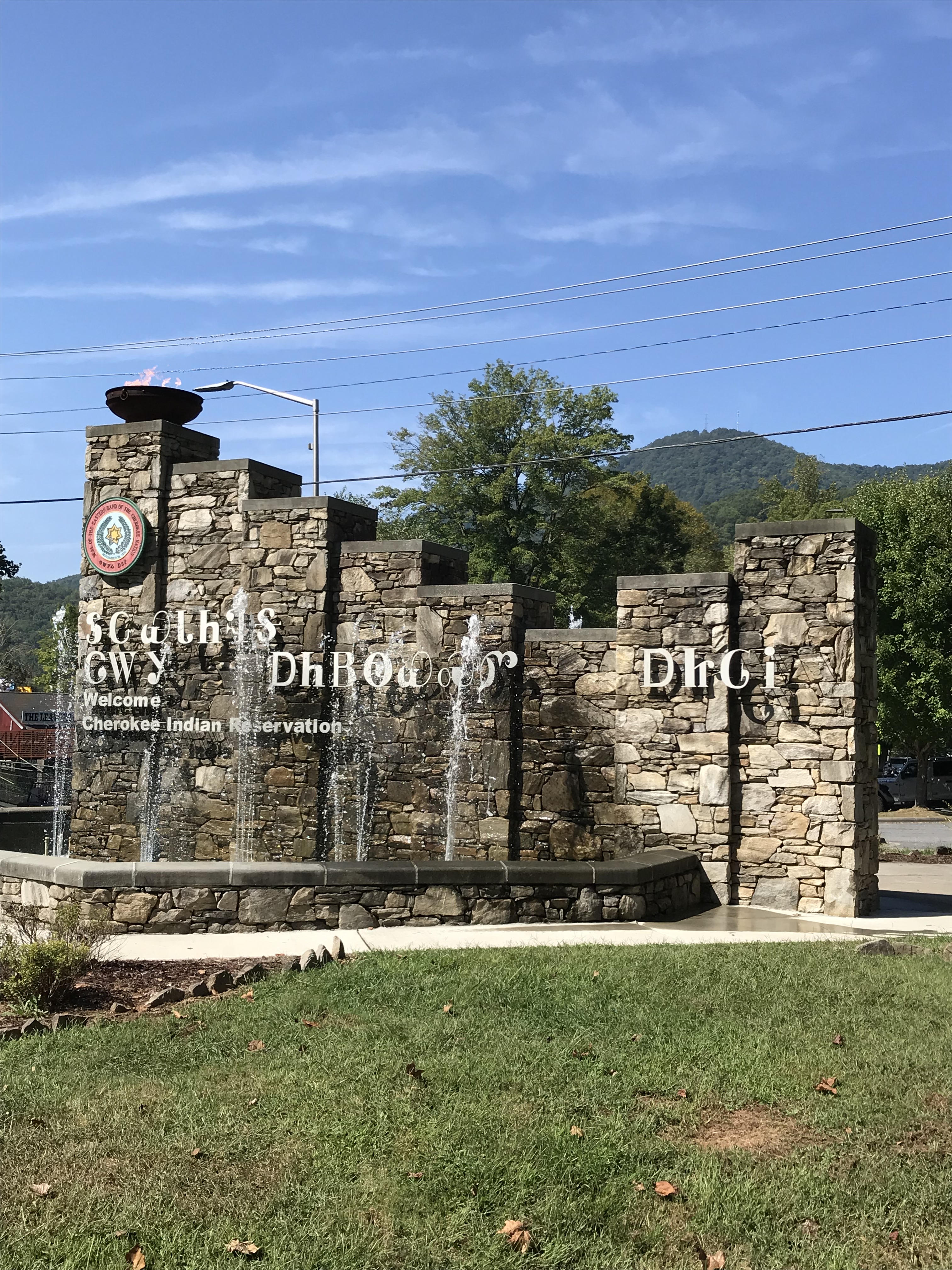
Welcome sign at Cherokee, NC
Welcome sign at Cape Hatteras National Seashore

We visited Boone and the campus of our alma mater, Appalachian State University, just two weeks before much of western NC was ravaged by Hurricane Helene. We continue to count our blessings that we did our traveling in the months and weeks before the hurricane.

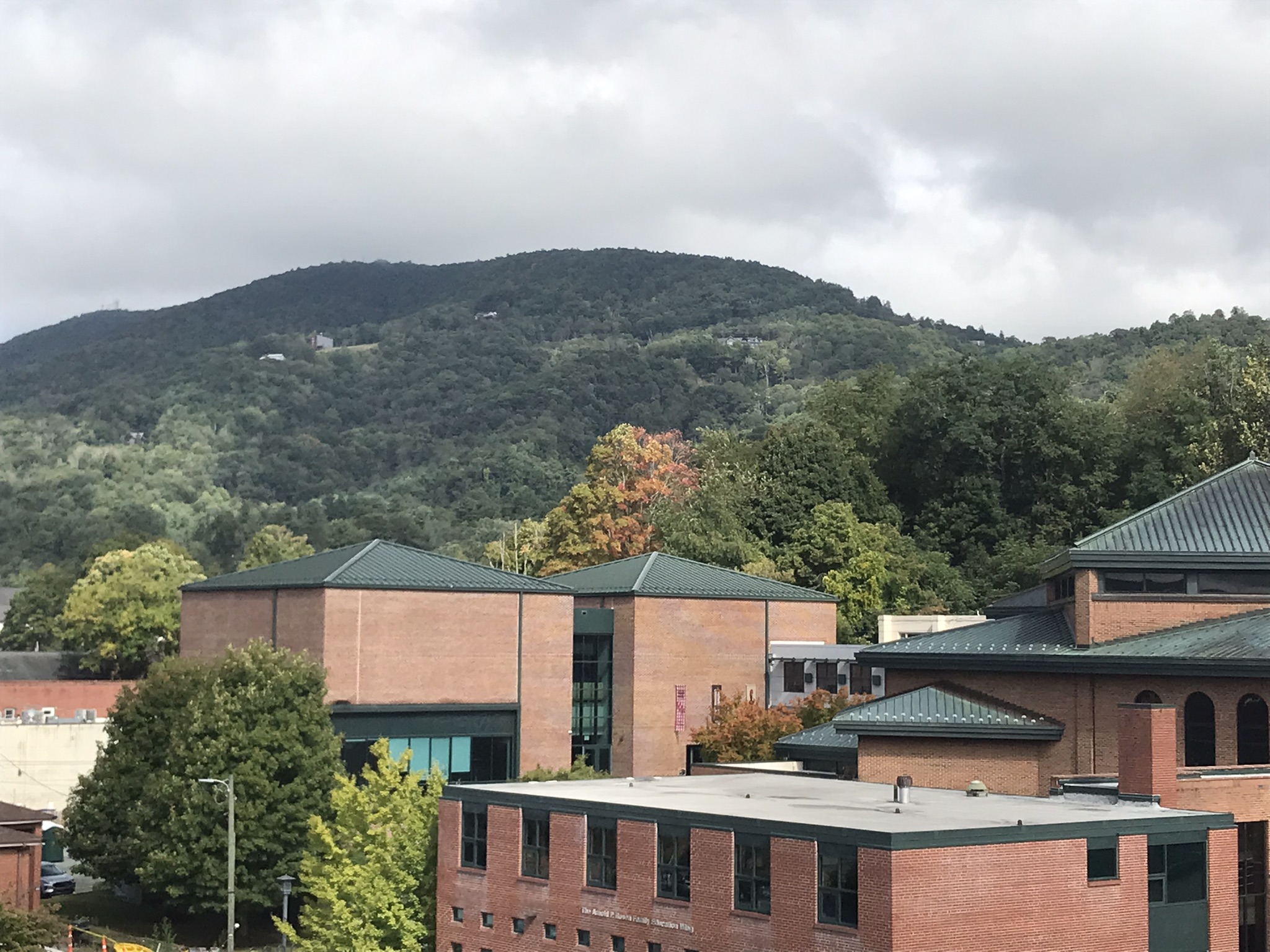
A view of Rich Mountain from the Appalachian State University campus

Hurricane Helene: September brought a “perfect storm” of days of heavy rain followed by Hurricane Helene to western North Carolina. It is the most destructive storm to hit the state in recorded history. The statistics and photographs are impossible to get one’s head around.

Of the 1,329 roads that were closed due to the flooding and landslides on September 25-26, 183 of them remain closed as of Friday, including Interstate 40 near the border with Tennessee.

I saw a video made on Wednesday of several miles of US-19 in Ramseytown, NC. You can’t even tell there was ever a road there, and it is unimaginable that the little Cane River running alongside it is capable of rising so high and doing so much damage.

Last week, 10,000 tulip bulbs were delivered to Swannanoa, NC – a gift from the head of a bulb company in The Netherlands. Next April, Swannanoa will look quite different than it has since September 25th!

A hint of what to expect in Swannanoa next spring! Photo by Krystina Rogers on Unsplash

People from all over the US and world have pulled together to help western NC begin to recover from the September storm. I’ve tried to highlight examples in my weekly blog posts. I’m not equipped to show the full picture. I’ve merely tried to keep a light shining on the situation as it disappears from the news headlines.

US Presidential Election: We survived a US Presidential campaign that seemed to last for a decade. Now we’ll get to see if our democracy and our country’s long-standing ties with other countries will survive the results.

Award for my local history books: I received The North Carolina Society of Historians Journalism Award of Excellence for Harrisburg, Did You Know? Cabarrus History, Book 1 and Harrisburg, Did You Know? Cabarrus History, Book 2 in November.

My Writing: I’ve made a lot of progress over the last couple of months on my devotional book, I Need The Light: 26 Weekly Devotionals to Help You Through the Cold Months. Work continues on my historical novel with the working title The Heirloom. Stay tuned!

If you haven’t subscribed to my e-newsletter yet, please click on the “Subscribe” button on my website: https://www.janetmorrisonbooks.com. You’ll receive a free downloadable copy of my historical short story, “Slip Sliding Away” and my e-newsletters.

In November I changed my newsletter from a several-page every-other-month format to a short weekly email.

Social Media: Technology is still pulling me into the 21st century, but I’m kicking and screaming. My new endeavor this year was Instagram. I try to share quotes I like (many of them from books I’ve read), information about my website and blog, as well as publicity for my books. I’m trying not to not come across too salesy.

Until my next blog post

I hope you have a good book to read.

I hope you’ve had an enjoyable holiday season so far.

Remember the people of Ukraine and western North Carolina where it is mighty cold for the next several months.

Happy New Year!

Janet

Merry Christmas & a Hurricane Helene Update

In all the hustle and bustle of the holiday season, my prayer is that each of us will make room in our hearts for the Christ Child and other innocent refugee children just looking for a safe place to lay their heads.

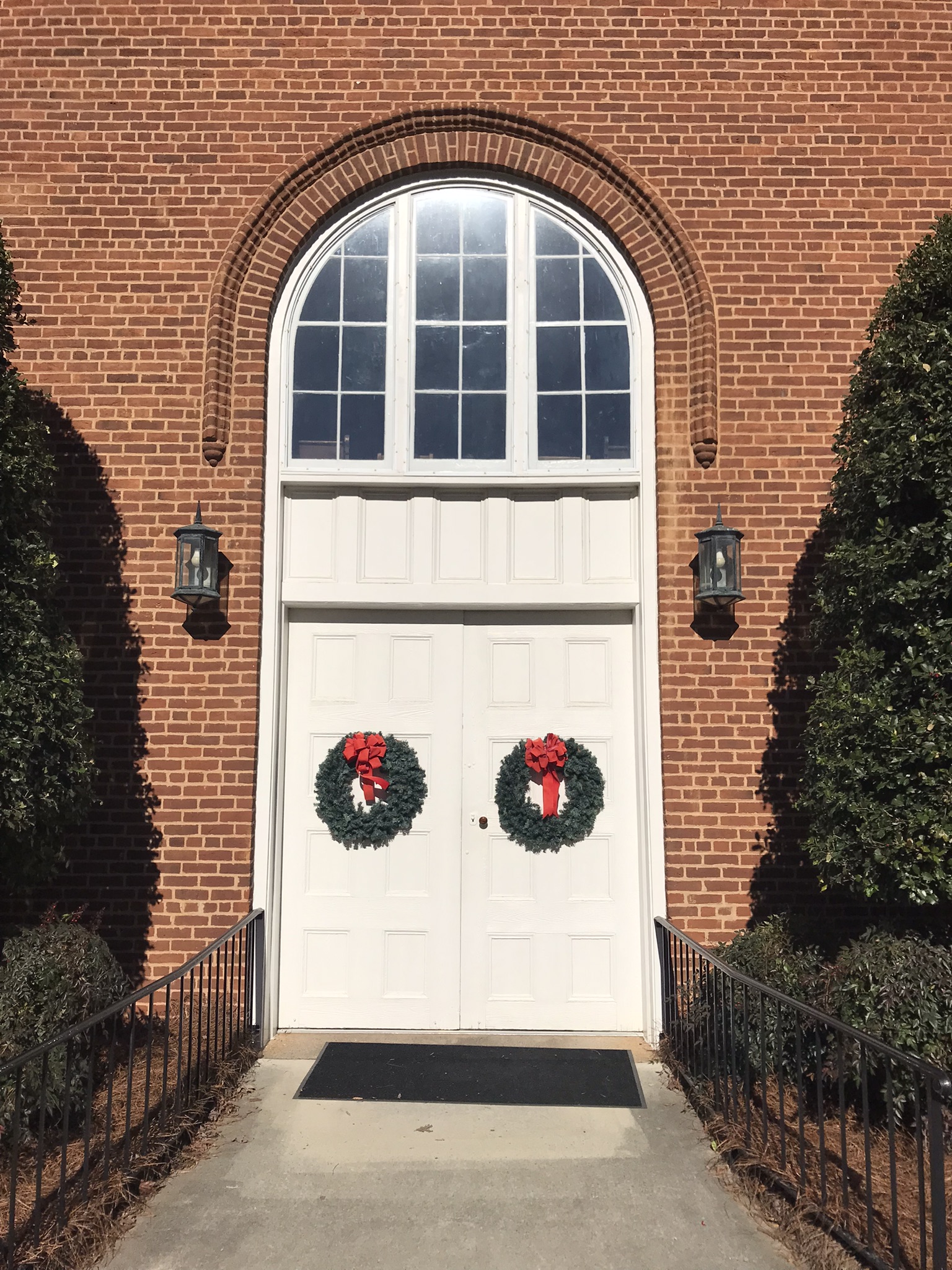
Photo of the front double doors of Rocky River Presbyterian Church in Cabarrus County, North Carolina
Entrance to the 163-year-old sanctuary of Rocky River Presbyterian Church in Cabarrus County, North Carolina, December 22, 2024

I wish you a Merry Christmas and a wonderful holiday season no matter what your religion is!

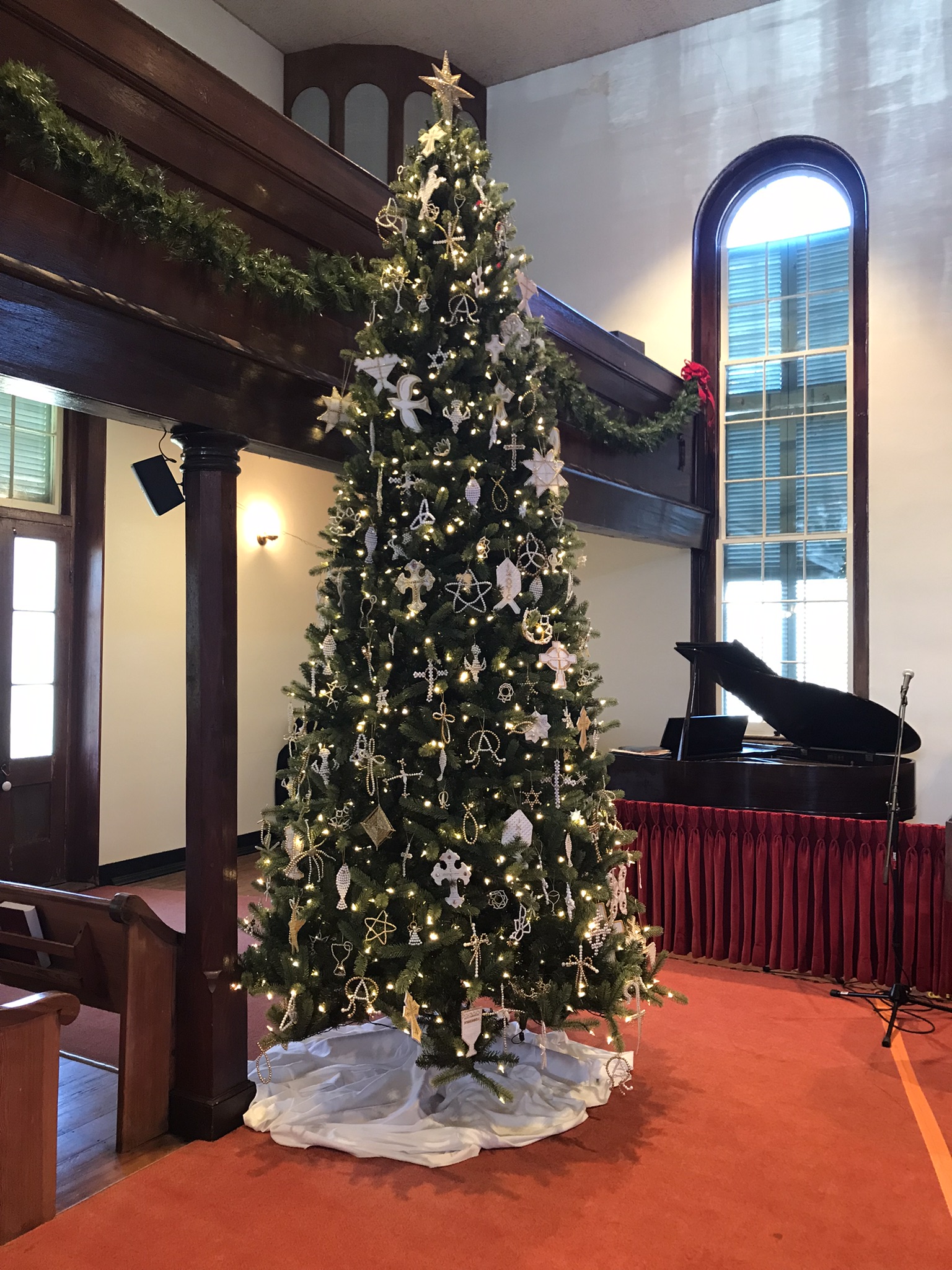
Photo of Chrismon Tree inside the sanctuary at Rocky River Presbyterian Church
Chrismon Tree at Rocky River Presbyterian Church, December 22, 2024

A Hurricane Helene Update

Eighty-eight days after the storm hit western NC…

Roads: Interstate 40 is still closed near the TN line. Last week an additional part of the eastbound lanes collapsed due to a slide caused by wet conditions, freezing, and thawing. This is in an area prone to landslides ever since the interstate was built in 1966, but the washout in September was unprecedented.

Contractors have been working to open a seven-mile stretch of the westbound lanes of the interstate for two-way traffic and had hoped for that to happen the first week in January. Last week’s slide will delay that for a yet-to-be-determine amount of time.

The bridge on US-70 between Swannanoa and Asheville was completed last week, which was a quicker rebuild than had been expected.

As of Friday, of the 1,329 roads that were closed in September due to Hurricane Helene, 184 remain closed.

Blue Ridge Parkway: There is still no estimated date for all the parkway in NC to be reopened.

Housing: Statistics on housing are much harder to find than information from the NC Department of Transportation. From what I can gather – and this isn’t very reliable information – 5,000 families have opted to take FEMA funds to pay for hotel rooms and perhaps rental property. I cannot find a number for how many families and individuals opted for FEMA trailers, nor can I find records of how many people have been housed in tiny homes constructed by the Amish and other volunteers. There are lots of moving parts to this part of the recovery. Due to the terrain, many former homesites cannot safely accommodate a FEMA trailer.

Working in conjunction with BeLoved Asheville (https://www.belovedasheville.com/), Lowe’s Home Improvement, a dozen or so homebuilders (putting together some 400 volunteers), and NASCAR teams are working together to make tiny homes available for displaced residents. Lowe’s supplies the materials, the homebuilders supply the labor, and NASCAR teams furnish their haulers to deliver the tiny houses. The report I read indicated that 100 tiny houses have been/will soon be distributed in western NC by this particular effort.

Retail: The Walmart Supercenter in Boone partially reopened on Friday. The produce, meat, and bakery departments are still being closed. I mention that just as an example of how long recovery is taking even for huge businesses. Imagine how much longer it will take for many small businesses to recover… if they ever do.

Until my next blog post

I hope you have a good book to read and time to read it.

Don’t take friends and family for granted.

Remember the people of Ukraine and western North Carolina.

Janet

Communion Table, Advent Wreath, Pulpit, and Wall Hanging at Rocky River Presbyterian Church, December 22, 2024

That’s a lot of Tea! Plus, a Hurricane Helene Update

Today is the 251st anniversary of the Boston Tea Party. If you’re like me, you will be surprised to read just how much tea ended up in Boston Harbor on December 16, 1773.

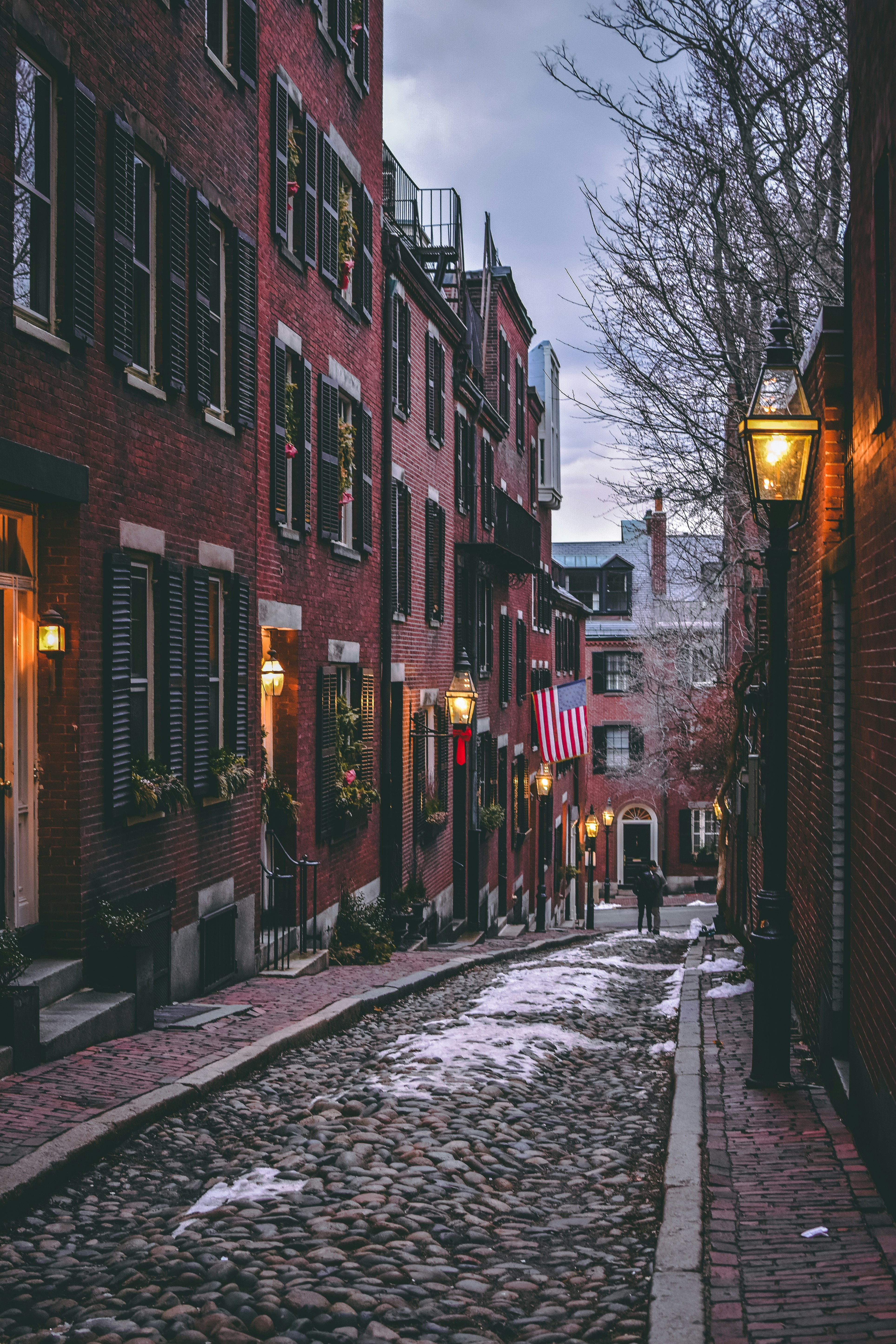
Photo of Acorn Street in Boston with brick sidewalks and cobblestone narrow street
Photo by Tiffany Chan on Unsplash

A little background

Great Britain was in debt in the 1760s, so Parliament passed a succession of acts to inflict taxes on the American colonists to generate money for the British coffers.

Photo of the tower on a castle with the Union Jack flying on a flagpole at the top.
Photo by Andrik Langfield on Unsplash

My ancestors in Scotland had been subjected to the Hearth Tax in the 1690s, so they were no strangers to the lengths Parliament would take to ring money out of its subjects. (In the 1690s in Scotland a person had to pay a tax “if smoke rose from their chimney.” Hence, it was called the Hearth Tax.) Forgive me if I’m not completely objective in writing about the Boston Tea Party.

The Stamp Act in 1765 began what became a domino effect until by the early 1770s the colonists were in an uproar over “taxation without representation.” Britain maintained that the taxes were fair exchange for the mother country’s fighting wars such as the French and Indian War to protect the colonists. (Actually, I think they were fighting to keep control over the thirteen colonies, but I digress.)

The “Boston Massacre” occurred on March 5, 1770 because residents did not appreciate the presence of British soldiers on their streets.

In other words, one thing led to another.

Fast forward to December 1773

On December 15, 1773, Dartmouth, a ship operated by the East India Company (a British company) was moored in Boston Harbor. It was known that the ship was laden with tea from China. Brits and British immigrants loved (and still love!) their tea. They were drinking more than one million pounds of tea every year, so the Tea Tax was a lucrative money-maker for Great Britain.

The colonists were no dummies. They started smuggling tea in from The Netherlands. In fact, did you know that John Hancock and Samuel Adams were in on it? (I don’t remember ever being taught that in school.)

Things were going well until the price of Dutch tea increased to the point that it was no cheaper than the tea being brought in by Great Britain with the tax included in the equation.

It was not just out of the goodness of their hearts or their dislike for taxation without representation that John Hancock and Samuel Adams objected to the tax on tea.

John Hancock had inherited his uncle’s shipping business. Samuel Adams was a provocateur. As a leader in the Sons of Liberty organization, he was more than a rabble-rouser; he was a serious political theorist. It was people like Adams who encouraged moderates to resist the British taxes. One source I read indicated that Adams might have helped plan the Boston Tea Party.

The Sons of Liberty protested the arrival of the East India Company’s ship, Dartmouth. It was soon joined by ships Beaver and Eleanor at Griffin’s Wharf in Boston Harbor. The tea they carried was from China, but the shipping costs and taxes would go to Great Britain.

A meeting was held at the Old South Meeting House where a vote decided that the ships would not be unloaded and the cargo would not be stored, sold, or used. When Governor Thomas Hutchison ordered the tea tariff to be paid and the tea to be unloaded, local residents refused to comply.

On the night of December 16, 1773, men disguised as Native Americans boarded the three ships and threw 342 chests of tea into the water. (My apologies to the Native Americans. It’s sad that more than once in the American Revolution the white guys chose to disguise themselves as Indians. It happened right here in Cabarrus County in 1771.)

Meanwhile, back in Boston… the men hacked into the chests to ensure the tea would mix with the water once thrown overboard. It took more than 100 men almost three hours to do the deed. More than 90,000 pounds of tea was dumped in Boston Harbor that night!

The moral of the story: Tariffs don’t always turn out the way politicians think they will. Just sayin’.

Hurricane Helene Update

Just to give you an idea about the recovery situation 81 days after the storm hit western NC…

Roads: Interstate 40 is still closed near the TN line. As of Friday, of the 1,329 roads that were closed in September due to Hurricane Helene, 189 remain closed. That’s down from 270 from a week ago!

Blue Ridge Parkway: There is still no estimated date for all the parkway in NC to be reopened.

Housing: Temporary housing from FEMA continues to arrive so displaced people can move out of hotels. The Amish continue to build tiny houses for the people who cannot yet move back into their homes. Individuals and companies have donated RVs and campers for the people needing housing. With more than 125,000 homes damaged or destroyed, the recovery will take years.

Books: The 21st Century Packhorse Librarian continues to collect new books to give away to the children and adults who lost all their books in the storm. Look for her on Facebook and Instagram. Here’s a good article about the founder, Kristin Turner: https://981theriver.com/news/228822-woman-brings-free-books-to-appalachia-as-modern-packhorse-librarian/.

Lake Lure: The US Army Corps of Engineers, AshBritt Environmental, and local contractors continue to remove debris from the lake. A Colonel with the Army Corps of Engineers indicated on Saturday that their work will take more than six additional months. More than 17,143 cubic yards of debris have been removed from the lake, over 15,900 cubic yards of debris have been removed from the right-of-way, and more than 9,680 tons of sediment and silt have been removed from the town of Lake Lure. When all storm debris has been removed from the lake, sediment removal will begin.

Old Orchard Creek General Store: After being severely damaged by the flood, the Old Orchard Creek General Store reopened on Saturday! It is a landmark in the small town of Lansing in Ashe County, NC. Look for their website, and find them on Facebook and Instagram.

Help of all kinds has poured into western North Carolina from all over the United States. Thank you!

Until my next blog post

I hope you have a good book to read.

If you haven’t already done so, please visit https://www.janetmorrisonbooks.com and subscribe to my weekly email newsletter. You’ll receive a free downloadable copy of my historical short story, “Slip Sliding Away.”

Treasure your time with friends and family.

Remember the people of Ukraine and western North Carolina.

Janet

#OnThisDay: Evacuation of British Troops from NYC, 1783 & a Hurricane Helene Update

When did the American Revolutionary War end?

It depends on how technical you want to be, and – like they say about real estate – it might depend on location, location, location.
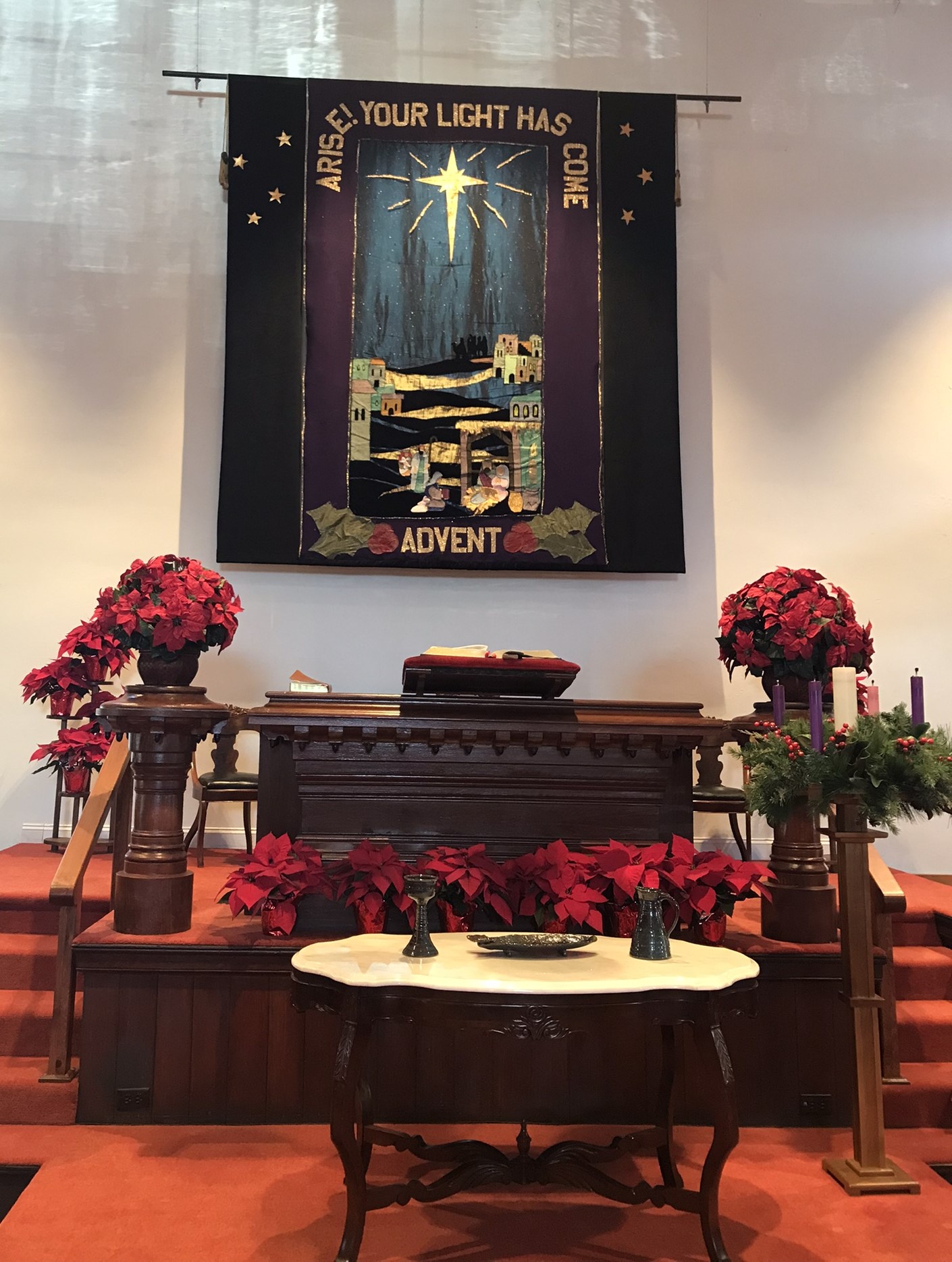
Photo from Bookbrush.com

Dates of various events

In school we learned that it ended on October 19, 1781 with British General Charles Cornwallis’ surrender to General George Washington at Yorktown, Virginia.

We also learned that the Treaty of Paris was signed on September 3, 1783.

The treaty had to be ratified by Congress. That happened on January 14, 1784.

I never gave any thought about the logistics of the departure of British troops. Do you know when that happened?

November 25, 1783. It was 241 years ago today that the last British troops left the United States of America via New York City.

In school we tended to study the battles of the American Revolution but not the day in and day out of the war. New York City was occupied by British troops from September 1776 until November 25, 1783. That’s more than seven years! With the outcome of the war in question until 1781, those years of British occupation must have been nerve wracking for residents.

After the last of the British troops left, George Washington received a hero’s welcome in New York City. Four months later, the city was declared the capital of the new nation. It remained the capital until Philadelphia was chosen in 1790.

How would you answer?

If asked when the American Revolutionary War ended, which date would you think of?

October 19, 1781 – Cornwallis’ surrender

September 3, 1783 – Signing of the Treaty of Paris

November 25, 1783 – Departure of last British troops from the US

January 14, 1784 – Ratification of the Treaty of Paris by the US Congress

Location, location, location

I imagine most citizens considered the war over when Cornwallis surrendered, but the residents of New York City probably did not consider it over until the last of the British troops left.

This isn’t a quiz. It’s just something to think about.

Hurricane Helene Update on Western North Carolina

Just to give you an idea about the recovery situation 60 days after the storm hit western NC…

Roads: Of the 1,329 road closures due to Hurricane Helene, 1,076 are fully open as of Saturday. Interstate 40 is still closed near the TN line. It is hoped that two lanes – a lane for each direction – can be opened by January 1. It is my understanding that this will not be open for commercial traffic. Prior to Hurricane Helene, this nine-mile stretch of I-40 carried more than 7,600, trucks per day and more than 26,000 total vehicles per day.  

Water system in Asheville: The City of Asheville Water Resources serves about 160,000 people in Buncombe and Henderson counties. The Boil Water Notice was lifted last Monday! That is huge!

Photo of a glass of clear, clean water
Photo by engin akyurt on Unsplash

Blue Ridge Parkway: There is still no estimated date for all the parkway in NC to be reopened. It’s winter now and the first measurable snow of the season fell on Friday. For mile marker-to-mile marker closures, visit https://www.nps.gov/blri/planyourvisit/roadclosures.htm. For photographs of the damage and clean up along the parkway, visit https://www.nps.gov/blri/planyourvisit/hurricane-helene.htm.

Public School Systems: All the affected counties continue to struggle with bus routes due to so many road closures.

Baxter International in Marion: I mentioned weeks ago that this facility that makes 60% of the IVs used in the US was completely shut down by the flooding. They’re finally back in business! The first shipment of product left the business last Monday, and they hope to be back to full operation by the end of the year.

Until my next blog post

I hope you have at least one good book to read this week – and the time to read it.

Take time for friends and family. Brace yourself for Thanksgiving, if members of your family come from different political persuasions. Wouldn’t it be nice if politics could be put aside for just one day?

Remember the people of Ukraine; western NC; and Valencia, Spain.

Janet