I write southern historical fiction, local history, and I've written a devotional book. The two novels I'm writing are set in Virginia and the Carolinas in the 1760s. My weekly blog started out to follow my journey as a writer and a reader, but in 2025 it has been greatly expanded to include current events and politics in the United States as I see our democracy under attack from within. The political science major in me cannot sit idly by and remain silent.
Today’s blog post is about the last story in my new book, Traveling Through History: A Collection of Historical Short Stories.
Traveling Through History: A Collection of Historical Short Stories, by Janet Morrison
The house
Actually, “If This House Could Talk” is more of an essay than a short story. It is written from the viewpoint of an old abandoned one-and-a-half-story wooden farmhouse that I saw a thousand times in my life.
That house fascinated me because it did not face the main road. It faced a dirt driveway that led to a couple of other houses. Often, when we would pass it, my father would point and say, “the old Snell place was over there.” I didn’t know any Snells and, as a child, did not care that they once “lived over there.”
It was only after I was an adult and discovered the 1777 estate papers of my Morrison 4th-great-grandparents that I discovered that Francis Snell taught my 3rd-great-grandfather in the 1770s. By then, I had also met a descendant of Mr. Snell’s who lived in Ohio.
Why is it that you don’t know what questions to ask your parents until after they are gone? But I digress.
The essay/story
“If This House Could Talk” is set in the 1970s, a few years before the house at the center of this essay was demolished. After doing some genealogical and Civil War research, I discovered some incredible things about the family that occupied that house in the mid-1800s.
I did not know the history of the house until I was researching the 72 men and boys from Rocky River Presbyterian Church in Cabarrus County, North Carolina, who were killed or died of disease during the Civil War.
“If This House Could Talk” gives that house an opportunity to tell us what it witnessed during that time as it reminisced about a much different time more than 100 years earlier. There were happy times and sad times for the family that house sheltered when it was young.
What kind of memories is your home making, in case a writer decides to let it talk years from now?
Links to the blog posts about the other 12 stories
I hope you have enjoyed reading about each of the stories in Traveling Through History: A Collection of Historical Short Stories over the last several months in my blog. If you like my book or know someone who might, tell them that they can get a print or electronic copy on Amazon or a print copy at Second Look Books in Harrisburg, NC.
Update on Hurricane Helene recovery in North Carolina
As we get further away from September 2024’s Hurricane Helene, it is easy to forget how long it takes for a place and a people to recover from a natural disaster of such proportions. I have little new to report since my last update on February 2.
Hurricane Helene has dropped from the news cycles even here in North Carolina, except for an occasional reference, but I’m still trying to shine an occasional light on the recovery on my blog.
Via Facebook I keep up with some of the things Beloved Asheville has done and continues to do since the hurricane. As of last week, Beloved Asheville delivered its 140th new home to a family who lost their home in the flood. After living in an RV for 17 months, another family finally has a home. It might just look like a mobile home to a lot of people, but it is life-changing for this family. To learn more about Beloved Asheville, go to https://www.belovedasheville.com.
Several roads remain closed in the mountains due to the record-breaking rain (upwards of 30 inches in some places) during Hurricane Helene. For example, I read that Sampson Road in Watauga County reopened a couple of weeks ago after two sections were washed out during the storm. When a road “washes out” in the mountains, it often means that the road and all the soil beneath it slid down the mountainside. It is a feat of engineering to rebuild the roadbed so the road can be reconstructed. That is one reason why recovery takes so long in the mountains.
Portions of the Blue Ridge Parkway have not reopened since Hurricane Helene. I-40 at the North Carolina-Tennessee border remains just one lane in each direction with a 35 mile-per-hour speed limit. Highway construction is hampered by snow and ice in the winter months.
The National Park Service reported: “As of February 12, 2026, many sections of the Parkway remain closed due to winter weather, though recreation is authorized at your own risk in these areas. Specific closures include a bridge rehabilitation project from milepost 63.5 to 63.9, with detours in place. Visitors should exercise caution, as ungated sections may still be accessible but are subject to emergency closures.”
There were at least 57 landslides in the 269 miles of the Blue Ridge Parkway in North Carolina. Work is ongoing and has moved into Phase 2 in which repairs to 21 landslides between milepost 318.2 and 323.4 are underway, with completion expected by fall 2026. That includes the North Toe River Valley Overlook, Chestoa View Trail, and Bear Den Overlook.
A road closure sign on the Blue Ridge Parkway in June 2025.
The thousands of us who are fans of the Blue Ridge Parkway can hardly wait for all of it to reopen. I’ve read hints that that might occur by the end of 2026.
One of my best vacations ever was a leisurely drive down the Blue Ridge Parkway from its beginning just southeast of Waynesboro, Virginia to its end near Great Smoky Mountains National Park in North Carolina. The wildflowers were spectacular and so varied all along the 469 miles!
Businesses in the affected areas continue to rebuild and reopen. Many had to relocate and many will not reopen. Brother Wolf Animal Rescue, which I have mentioned in earlier blog posts, is relocating to higher ground in Asheville. I understand that the town of Lake Lure is well on its way to reopening for the summer tourist season and the lake itself is expected to be back to full-pond stage in May.
The town of Chimney Rock, just a few miles up US-74 from Lake Lure, is still in recovery mode, as the little tourist village was almost wiped off the map by the hurricane.
Life in my part of the state quickly returned to normal after the hurricane, with only small pockets of flooding, but life and the landscape were changed forever in various hard-hit parts of the Appalachian Mountains in the western part of North Carolina.
Janet
The government should be afraid of its citizens, not the other way around.
I don’t know whether American students still learn about Nathan Hale. I’ve heard that students are now taught that U.S. History began when George Washington became President.
I hope that is an urban myth. If a child isn’t taught that there was an American Revolution, a Revolutionary War, and why those came about, it will not mean anything to them to know that George Washington was our first President.
In case you need a refresher about who Nathan Hale was, I’ll give a brief summary.
Nathan Hale
Nathan Hale was born in Connecticut in 1755. He graduated from Yale University in 1773 and became a teacher. He joined a Connecticut regiment in 1775 and was commissioned as a captain the next year.
Hale went behind enemy lines on Long Island during the siege of New York. Deemed guilty of spying, he was captured on September 21, 1776. He was hanged by the British in Manhattan on September 22, 1776.
He was barely 21 years old! I did not realize he was that young until I was doing some research to write today’s blog post.
Things were not going well for the Americans, so leaders used Nathan Hale’s hanging as a rallying cry.
Hale has often been quoted as saying, “I regret that I have but one life to give for my country,” but there is no proof that he uttered those words. British Captain Frederick Macenzie, who witnessed the hanging, wrote in his diary that Hale’s last words were, “it is the duty of every good officer to obey any orders given him by his commander-in-chief.”
Hurricane Helene Update, 51.5 weeks after the disaster
As of Friday, 38 roads in North Carolina were still closed due to Hurricane Helene. That count included five US highways, two state highways, and 31 state roads.
Interstate 40 is, of course, still just two lanes, 35 miles-per-hour.
Don’t hesitate to travel to western North Carolina. Just be aware that there are still spotty road closures. The area needs tourists to support all the small businesses struggling to recover from this September 26, 2024, natural disaster. Eat at a diner instead of a fast-food chain restaurant. Make sure the souvenir you buy was handmade by a local artisan and not mass-produced by a large corporation.
A Note in Closing
I’m pleased to announce the publication of I Need The Light! Companion Journal and Diary to go along with I Need The Light! 26 Weekly Devotionals to Help You Through Winter. Both books are available on Amazon.
We are living in strange times. Pay attention to what is happening. Ignore the attacks on free speech at your own peril.
One of these days I hope to be able to enjoy reading fiction again. I miss the days when I wanted to read every historical novel that was published. I can’t remember the last one I read. I’m pretty sure it was before Inauguration Day 2025.
I miss not having books I’ve read to blog about the first Monday of each month. I read parts of several books in August, but I didn’t finish reading any of them.
I settled down at the computer on Friday evening after supper to look for that afternoon’s weekly update on the status of road repairs in western North Carolina since Hurricane Helene a full eleven months ago. I can’t imagine the stress the people who live or work along some of those roads must be under at this point.
For eleven months, I have tried to give an update on Mondays of the progress being made in repairing western North Carolina since the hurricane. Roads are not the most important things being repaired or needing to be repaired. People lost family members, their homes, their businesses, their friends, their communities, and their sense of security. But I don’t know how to report on how those losses are being coped with or healed. I report the progress being made in rebuilding roads and highways because that is something tangible that I can find statistics about. I hope in some way it reminds people in other parts of the United States that just because Hurricane Helene is no longer in the headlines, it doesn’t mean it is over.
On Friday evening, I didn’t know what I was going to blog about today, but I knew I needed to include my weekly update about the roads. I sat down at the computer to get that part of today’s blog written.
But before I could put anything in the search engine, a disturbing piece of breaking news popped up. Although the announcement was put online shortly before 6:30 p.m., the national news channel I watched at 6:30 did not mention it. I guess it was more important to talk about this being Labor Day weekend and how that would specifically bring in lots of business for a particular convenience store chain on steroids.
The free publicity the network gave that convenience store chain was bizarre. It was the kind of story one would expect on “a slow day for news.” But we have not had “a slow day for news” in this country in eight months.
Instead of reporting on how busy the franchises in that convenience store chain would be over the long holiday weekend, I wish that network had reported on what the U.S. Supreme Court did on Friday.
National Institutes of Health
The piece of news that was not reported is devastating to a lot of people. In a 5-4 vote, the U.S. Supreme Court ruled that the Trump Administration can indeed cut $783 million in National Institutes of Health grants connected to diversity programs. Thus, the injunction that a federal judge had put on the action has been lifted.
Too bad that 90,000-square foot ballroom that’s going to dwarf the White House isn’t in place. I’m sure lots of people in The White House would love to go dancing to celebrate this victory over medical research and diversity.
Voice of America
Photo by Jono Hirst on Unsplash
Another thing Trump could celebrate over the Labor Day weekend was the firing of more than 500 employees of Voice of America and its parent agency, the U.S. Agency for Global Media, on Friday night. It comes across as, “Happy Labor Day! You’re fired!”
Voice of America was founded by the United States in 1942 to combat Nazi propaganda. Every week for 83 years, it has delivered news to 420 million people in 63 languages in more than 100 countries.
But the Trump Administration does not see the need for it and has been working for eight months to destroy it. One of his Executive Orders in March placed more than 1,000 journalists on indefinite administrative leave.
Kari Lake, an Arizona politician, is tasked by Trump to dismantle Voice of America. She fired 500 contractors in May and tried to fire 600 federal employees in June.
Trump says the Voice of America is speaking for our adversaries and not for the American people. He has produced no evidence. By “our adversaries” does he mean North Korea, China, and Russia? Or does he mean his Democratic political adversaries? I tend to think he means the Democrats. He cannot tolerate people speaking the truth.
Some tariffs ruled illegal
Photo by Markus Winkler on Unsplash
A Federal Appeals Court has ruled that some of the tariffs ordered by the Trump Administration are illegal. We haven’t heard the last of this. Like a dog with a bone, Trump won’t let go without a fight.
Chicago prepares for Trump
Photo by Sawyer Bengtson on Unsplash
The City of Chicago and the Governor of Illinois prepare for an invasion by Trump’s military this week. The mayor of Chicago vows to not roll over and play dead.
Mayor Brandon Johnson signed an order on Saturday stating that the Chicago police will not “collaborate with federal agents on joint law enforcement patrols, arrest operations, or other law enforcement duties including civil immigration enforcement.”
The mayor’s order “urges” federal officers in Chicago “to refrain from wearing masks, to wear and use body cameras and to identify themselves to members of the public with names and badge numbers.”
That is what local law enforcement officers do, so why shouldn’t federal officers be required to do the same? The argument that Trump’s thugs must wear masks because their lives are in danger doesn’t hold water. Every law enforcement officer’s life is in danger when they are on the job, but they don’t get to hide behind masks like Trump’s people or the Ku Klux Klan.
Hurricane Helene Update
As of Friday, of the 1,469 roads and highways that had to be closed in western North Carolina due to Hurricane Helene, 33 were still closed and 38 have partial access.
A temporary US-64/US-74 between Chimney Rock and Bat Cave opened last week.
Another section of the Blue Ridge Parkway reopened on Friday, meaning that the 85 miles from Asheville to the parkway’s southern terminus near Cherokee are now open! Work continues on various sections of the road north of Asheville.
It was announced last Thursday that the rebuilding of I-40 in the Pigeon River Gorge North Carolina at the Tennessee line is expected to be completed by the end of 2028. That’s not a typo. 2028.
The NC Department of Transportation is constructing a retaining wall along the Pigeon River below the highway, which will be 30 feet thick and 100 feet tall in some places.
A temporary wall now allows two lanes (one in each direction) to be open with a 35 mile-per-hour speed limit. Monitoring devices are in place to alert drivers to possible landslides.
The reconstruction of five miles of the interstate in the gorge is expected to cost $1.3 billion.
Great Smoky Mountains National Park Alert Update
US-441/Newfound Gap Road in the Tennessee side of Great Smoky Mountains National Park is expected to be repaired and reopened by September 30. Earlier estimates were in October. Heavy rainfall caused the undercutting a section of the road between Mile Marker 12 and Mile Mark 13 during flooding on August 2.
Hurricane Erin Update
NC-12 on the north end of Ocracoke Island, NC reopened last Monday and ferry service to Hatteras Island resumed. By the end of last week, what was left of Hurricane Erin was lashing the Butt of Lewis on the northern tip of the Isle of Lewis in the Outer Hebrides. Erin did not give up easily.
Too much news
In less than 24 hours from Friday night until midday on Saturday, I went from not knowing what I could blog about today to having an abundance of topics vying for my attention. I miss the good old days of 2024 when there wasn’t much news on weekends.
One aspect of the things the Trump Administration has cut that I have not blogged about is the Digital Equity Act.
In their slash and burn attack on the federal government to supposedly eliminate waste, Elon Musk and Donald Trump simply took a chainsaw to everything that included the word “equity” and cut it off at the ground. Then, they pulled up the roots and tossed them away.
“This bill requires the National Telecommunications and Information Administration to establish grant programs for promoting digital equity, supporting digital inclusion activities, and building capacity for state-led efforts to increase adoption of broadband by their residents.
“Specifically, the bill establishes the State Digital Equity Capacity Grant Program to make distributions to states based on their populations, demographics, and availability and adoption of broadband. The bill also establishes the Digital Equity Competitive Grant Program for supporting efforts to achieve digital equity, promote digital inclusion, and stimulate adoption of broadband.”
The objective of the Digital Equity Act was to help expand broadband internet service to rural and underserved parts of the country. It was meant to help level the playing field.
Photo by Stephen Tauro on Unsplash
Trump has pulled the funding for the Act. If the rural and underserved parts of the US do not get broadband internet service, he doesn’t care.
Public libraries in underserved areas were the recipients of some of the grants until the program disappeared. Donald Trump cannot imagine being in a situation where his only access to the internet would be the local public library – which might be 25 miles or more from his home.
As he said in his campaign for office, “I love the uneducated.” Wannabe dictators love the uneducated because they are easily tricked and easily led.
No one knows what goes on in Donald Trump’s mind. Does he want to keep the populous uninformed, or is he so narcissistic and uncaring that he does not ever for one second consider the human ramifications for the services he slashes with a scratch of his pen?
Trump has loudly and proudly bragged about doing away with everything having to do with diversity, equity, and inclusion (DEI). With the full support of the Republicans in Congress, Trump has said that anything DEI is discriminatory against white males.
White males have always been in charge in the United States, ever since they arrived and immediately started killing and pushing the indigenous peoples off the land.
White men got used to being in charge, so when black people and women of all colors started taking their rightful place as citizens in the 1960s, white men had to make some adjustments. In most cases, they did not adjust gracefully.
I came of age in the early 1970s, so I met some white male backlash head-on when I entered the workforce. Now, after 50 years of advancement toward equality, it seems that Trump and his ilk have had enough. The Trump Administration has come down on diversity, equity, and inclusion with a sledgehammer.
The sledgehammer is hitting diversity, equity, and inclusion across the board with no concern for the inflicted damage. Trump and his ilk don’t see it as damage. Damage to people of color and women is not damage to them; it is just the way things should be.
One example I read about was medical research being done about a correlation between menopause and Alzheimer’s Disease. The research had to end because it only studied women. Have any studies of prostate cancer been halted? I doubt it.
It will take years for us to see the full ramifications of what the Trump Administration and his supporters have done to our society – to education, to scientific and medical research, to our military, and to our workforce. People of color and women will be passed over for college scholarships and job opportunities. It might not be as blatant as it was in the 1960s and 1970s, but it will be there. It already was there, but now the Trump Administration has put its seal of approval on the practice and once again made it “the way it is supposed to be.”
Hurricane Helene Update and the Acting FEMA Director
As of Friday, 50 roads in North Carolina were still closed due to Hurricane Helene. That count included five US highways, three state highways, and 42 state roads.
I-40 near the Tennessee line remains at just one lane in both directions with a 35 mph speed limit. And, most of the Blue Ridge Parkway in North Carolina is still closed due to landslides and the downing of thousands of trees during the storm.
The long-term ramifications on the entire state of North Carolina are massive, although the hurricane only hit the western part of the state. For instance, rebuilding and repairing state highways and roads from Hurricane Helene takes that money away from regular road and bridge repairs. It is estimated that the Hurricane Helene transportation expenses for the state will amount to $1 billion, which is what the state would normally spend on highways and bridges in a three-year period.
Last Tuesday, The Washington Post, The New York Times, and various TV media reported that the Acting Director of the Federal Emergency Management Agency (FEMA) David Richardson said he was not aware that the United States had a hurricane season.
We do. It begins on June 1 and ends on November 30. Every year. Those are the months, Mr. Richardson, when tropical storms and hurricanes are likely to form in the Atlantic Ocean and the Gulf of Mexico due to seasonal weather patterns and the temperature of the sea waters. It’s called science and common sense. Study history, Mr. Richardson, and you might notice a trend.
Are you wondering what Mr. Richardson’s qualifications are for the job? He is a former US Marine who has been a Department of Homeland Security’s assistant secretary for countering weapons of mass destruction. I couldn’t find that he has any experience in responding to natural disasters.
I’ll take this opportunity, since I have some new blog readers, to repeat that I know there are other places where the people are suffering from natural disasters; however, I am a North Carolinian, so I will continue to concentrate on the unprecedented damage Hurricane Helene did in western North Carolina last September.
Disasters are covered for a short time by the media, but then other matters and events grab the headlines. I want my readers to be reminded that recovery from any natural disaster is not an easy undertaking and cannot be accomplished in a short period of time.
Thank you to my loyal readers who have hung in there with me as I’ve reported on Hurricane Helene weekly for the last eight months. That will continue.
The parts of the mountains in NC that are open desperately need our support, as much of the economy there is based on tourism, So, plan your trip carefully and concentrate your travel dollars on supporting small businesses. Remember to pack patience for when you run into road construction or detours.
It was announced on Friday that Chimney Rock State Park will reopen on June 27, exactly nine months after the hurricane. It is normally open year-round.
Until my next blog post
I’m going to take two or three days off from blogging this week. I need a break, and you probably do, too! If all goes as planned, my next post will be on Friday, June 13. Let’s all try to have a pleasant week.
By the way, when you finish reading a good book, take the time to leave a brief review of it or at least a four- or five-star rating for it online. That really helps the author, especially if it is their first book.
Remember the people of Ukraine and western North Carolina.
When I have an #OnThisDay topic to blog about, I try to tie it in with a current event. Sometimes that’s easier than other times.
When I created my 2025 editorial calendar for my blog months ago, I wondered what I could do with Jame Monroe’s birthday for my April 28, 2025, blog post. How could I make James Monroe’s 267th birthday interesting?
Then, the Trump Administration came along and US-international relations were disrupted like eggs in a turned over basket rolling in all directions and breaking.
Monroe Doctrine! US and Western Hemisphere relations! Bingo!
But what about James Monroe’s Birthday and early years?
Born in Virginia, he had to withdraw from the Campbelltown Academy at the age of 16 when his parent died. He was needed to manage the family farm and take care of his three younger brothers. One of his maternal uncles stepped in as sort of a surrogate father. He was a member of the Virginia House of Burgesses, so he took Monroe to Williamsburg and enrolled him in the College of William and Mary in June 1774.
About 18 months later, Monroe dropped out of college to join the Continental Army. He suffered a severed artery in the Battle of Trenton and nearly died.
After the Revolutionary War, he resumed his law studies under Thomas Jefferson until 1783.
Monroe served in the US Senate, but he left the Senate in 1794 to be George Washington’s Ambassador to France. He later served as Ambassador to Britain.
He was elected Governor of Virginia in 1799. As President Jefferson’s special envoy, he helped negotiate the Louisiana Purchase. He served as President James Madison’s Secretary of State beginning in 1811. During the War of 1812, he served as both Secretary of State and Secretary of War.
He was what one might call an “over achiever.” And I haven’t even mentioned that he was elected US President in 1816 and was reelected for a second term in 1820.
And what about the Monroe Doctrine?
Are they still teaching school children about the Monroe Doctrine. I hope so, but it’s hard for me to keep up since I don’t have a close family member in grade school now.
In his annual speech before the US Congress in 1823, Monroe outlined his plans for a new American foreign policy.
Why did the Monroe Doctrine came about?
The US and Britain were both concerned that Spain was going to gain more control in Latin America, and the US was concerned about Russia’s territorial ambitions along the northwest coast of North America.
George Canning, British Foreign Minister, wanted a joint US-Britain agreement, but US Secretary of State John Quincy Adams argued against that and won. Hence, the Monroe Doctrine was officially just a US policy.
The four main points of the Monroe Doctrine, which made the US the protectorate of the Western Hemisphere:
The US would not interfere in the internal affairs or wars between European countries;
The US would recognize and not interfere with existing European colonies in the Western Hemisphere;
There would be no further colonization in the Western Hemisphere; and
The US would consider further European colonization, military intervention, or other interference in the Western Hemisphere as a potentially hostile act.
Jump forward 200 years
In 1962, US President John F. Kennedy invoked the Monroe Doctrine during the Cuban Missile Crisis. Kennedy ordered a naval and air quarantine of Cuba after the Soviet Union started building missile-launching sites there.
President Ronald Reagan used the Monroe Doctrine as policy principle in the 1980s to justify US intervention in El Salvador and Nicaragua.
President George H.W. Bush invoked the Monroe Doctrine to justify a US invasion of Panama to oust Manuel Noriega.
After the Cold War and as the 21st century approached, US involvement in Latin America decreased, but there was a growing resentment in some countries over the US thinking it could call the shots.
Then comes the illicit drug trade.
Then comes a flood of immigrants trying to enter the United States legally and illegal.
Then comes Donald Trump.
The more things change, the more they stay the same. 202 years later!
US President Trump in 2025 took it upon himself to rename the Gulf of Mexico “the Gulf of America,” but only Republicans are calling it that.
In 2025, the US President has cozied up with the President/Dictator of El Salvador to the point that we’re helping to finance the most notorious prison in the world. Trump is threatening to steal the Panama Canal from Panama even though the two-fold Torrijos-Carter Treaties in 1977 transferred the canal to Panama as of December 31, 1999. Trump repeatedly says President Jimmy Carter sold the canal for one dollar, but the Torrijos-Carter Treaties were not a financial transaction. The Panama Canal Treaty gave Panama control of the canal over a 20-year period. The Treaty of Permanent Neutrality guaranteed the Panama Canal will remain open to international shipping.
President Trump claims he can make Canada the 51st state. Too bad for Puerto Rico. It’s been waiting to become the 51st state for decades.
President Trump threatens to steal Greenland from Denmark “any way we have to.”
Come to think of it… Trump claims he can make Canada, Greenland, Denmark, and Europe jump at his command, but he said he has no power to make El Salvador return to the US a man his Homeland Security people mistakenly kidnapped and shipped to the CECOT Prison. Who knew El Salvador was more powerful than the US? Well, we know now.
US Secretary of State Marco Rubio promised Guyana that we’ll protect it if Venezuela invades it.
Just wait until Trump learns the names of some other Central and South American countries. He’ll want to take them, too, or maybe bow the knee to them like he has El Salvador.
Geography is not Trump’s strong point. Has he figured out what or where the Republic of the Congo is yet?
Incidentally, what has become of James Monroe’s house? OR… Don’t look a gift horse in the mouth
In February, 2025, the owners of Oak Hill in Loudoun County, Virginia, offered to give the estate to the State of Virginia so the home and 1,200 acres could be turned into a State Park. It turns out that the State doesn’t want it!
The property owners were reportedly offered $55 million for the house and estate, but they were willing to take a fraction of that amount if the State of Virginia would make it a State Park.
The last I read about it the State hasn’t budged.
Hurricane Helene Update
As of Friday, 58 roads in North Carolina were still closed due to Hurricane Helene. That count included five US highways, three state highways, and 50 state roads. That’s an incredible improvement over the 105 roads that were still closed a week earlier. Good weather has surely helped.
Although technically “open” now, I-40 in Haywood County at the Tennessee line is still open for just one lane in both directions with a 35 mile-per-hour speed limit.
There are still no estimates of when all the Blue Ridge Parkway in North Carolina will reopen. I encourage you to watch the 18-minute early April video at https://www.nps.gov/blri/planyourvisit/helene-impacts-and-recovery.htm. Scroll down below “Common Questions” to get to the video. This is a wonderful recent update on the progress being made and the monumental task that lies ahead to get 157 more miles of the parkway open. Below the video is a map showing where the parkway is open and where it is still closed.
Until my next blog post tomorrow
Keep reading good books.
Remember the people of Ukraine, Myanmar, and western North Carolina.
When I read that today is the anniversary of the 1777 birth of Roger Brooke Taney, I wondered why his birthday appeared on any lists. When I learned that Mr. Taney was a US Supreme Court Chief Justice when the landmark Dred Scott decision was made, I knew there was a story behind the story.
We are all products of the times in which we live but, fortunately, we can be influenced by forces other than majority or peer pressure. We each have freewill to come to our own conclusions and beliefs.
Some US Supreme Court Justices try harder than others to disregard their personal backgrounds and experiences when considering a case. Some don’t seem to try at all in the 2020s.
US Supreme Court Building, Washington, DC. (Photo by Brad Weaver on Unsplash.)
Let’s learn who Dred Scott was, and then we’ll look at how the life experiences of Roger Brooke Taney and the other six Justices in majority vote probably played into the US Supreme Court Dred Scott v. Sandford case.
Settle in. This gets complicated.
Who was Dred Scott?
Dred Scott was born a slave in Southampton County, Virginia around 1799. He moved to Alabama with his owner, Peter Blow, in 1818. In 1830, he moved to St. Louis, Missouri where Mr. Blow ran a boarding house.
Dr. John Emerson purchased Mr. Scott after Mr. Blow died in 1832. Dr. Emerson took Mr. Scott to Illinois and later to the Wisconsin Territory. Illinois was a free state, and slavery was illegal in the Wisconsin Territory.
Mr. Scott married Harriet Robinson, who was also a slave. Ms. Robinson’s owner sold her to Dr. Emerson. Things got more and more confusing in the ensuing years after Dr. Emerson moved back to St. Louis, but hired out Mr. and Mrs. Scott, leaving them in Wisconsin.
Dr. Emerson moved to Louisiana. He married Eliza (Irene) Sandford in 1838. Dred Scott went there, but shortly thereafter the Emersons and their slaves, including Mr. Scott, moved back to Wisconsin.
Dr. Emerson was discharged from the US Army in 1842 and – you guessed it – he and his wife and the Scotts moved back to St. Louis. Mr. and Mrs. Scott, by then, had two daughters.
Dr. Emerson seemed to have financial problems, so he and his wife moved to Iowa. It is unclear whether the Scotts went with them or if they were hired out and remained in Missouri.
When Dr. Emerson died in 1843, the Scotts and all his other slaves became the property of his widow, Irene Sandford. She moved back to St. Louis, retained ownership of the Scotts, and hired them out.
Mr. Scott tried repeatedly to purchase his freedom from Irene, but she would not hear of it.
Photo by Tasha Jolley on Unsplash
Dred and Harriet Scott lawsuits
Dred and Harriet Scott separately filed lawsuits against Irene Emerson in April 1846. They were firmly based on two Missouri statutes. One allowed anyone of any color to sue for wrongful enslavement. The other statute said that any slave transported to a free territory automatically became free and would remain free even when taken back into a slave state.
The Scotts’ church, abolitionists, and you’ll never guess who: Dred’s previous owner’s family, the Blows, gave their support. Since neither Mr. or Mrs. Scott could read or write, they needed all kinds of support to fight their cases.
The St. Louis Circuit Court ruled against the Scotts in 1847, on a technicality. The cases were heard again in 1850 and the Scotts won their freedom. That should have been the end of it, but it wasn’t.
Irene Emerson appealed to the Missouri Supreme Court. That court combined the two cases and reversed the decision of the lower court in 1852, making the Scotts slaves again!
Then, Irene Emerson transferred ownership of the Scotts to her brother, John Sandford, or so was thought. (Actually, the transfer did not happen, but that’s why the case was called Dred Scott v. Sandford as the Scotts’ legal struggle continued.)
In 1853, Dred Scott filed a federal lawsuit with the United States Circuit Court for the District of Missouri. The case was heard in May 1854, and the court ruled against Mr. Scott.
The Dred Scott Decision/Dred Scott v. Sandford
US Supreme Court Building, Washington, DC. (Photo by Tim Mossholder on Unsplash.)
Later that year, Mr. Scott appealed his case to the US Supreme Court. The case gained support and notoriety by the time the Justices heard the case in 1856. A curious aside is that by then, Irene Sandford Emerson had married Calvin Chaffee. An abolitionist, Mr. Chaffee was also a US Congressman.
When Mr. Chaffee learned that Irene still owned Dred Scott and his family, he sold the Scotts to Taylor Blow, the son of Scott’s original owner, Peter Blow.
On March 6, 1857, the US Supreme Court announced its 7-2 decision in favor of Mr. Sandford.
On May 26, 1857, Taylor Blow freed the Dred Scott family. Sadly, Mr. Scott died of tuberculosis just 16 months after finally becoming a free man.
What was Chief Justice Roger Brooke Taney’s background?
Roger Brooke Taney was born in Maryland on March 17, 1777. He was educated in France. After coming home from France, he graduated from Dickinson College in Pennsylvania, and studied law with Judge Jeremiah Chase of the Maryland General Court.
In 1806 he married Francis Scott Key’s sister, Anne.
He had a private law practice. After being nominated by President Andrew Jackson, Roger Taney was sworn in as Chief Justice of the US Supreme Court in March 1836, replacing John Marshall.
Oh… and did I mention that he was a slave owner?
But what was Roger Taney’s personal track record with slaves?
Taney freed seven of his slaves on July 14, 1818. He also provided for the emancipation of the three older children of one of his freed slaves at later dates – one of them would be freed in 1836 at age 25, one in 1843 at the age of 30, and the other one in 1845 at the age of 30.
As a young lawyer, Taney was quoted as calling slavery a “blot on our national character,” but by 1857 (the year of the Dred Scott decision) he was an advocate in favor of slavery. It was then that he called the abolitionist movement “northern aggression.”
He wrote for the majority in favor of Dred Scott’s owner in Dred Scott v. Sandford.
Taney seemed to be conflicted on the subject of slavery. Yes, he gradually freed his slaves, but why did he drag it out over 27 years? If he was indeed against slavery as a young man, what didn’t he free all his slaves at that time instead of waiting until 1845 to free the last one? He made the children remain slaves until they were 25 to 30 years old. Where is the humanity in that?
What about the six Justices who sided with Chief Justice Taney?
Justice John Catron, a lifelong slave owner, joined in the majority opinion.
Justice Peter V. Daniel, who owned slaves throughout his adult life, joined in the majority opinion.
Justice Samuel Nelson voted with the majority but disagreed with Chief Justice Taney’s reasoning. Justice Nelson maintained that the states had the right to determine whether slavery was legal within their boundaries and that the federal government did not have the authority to tell the states what to do in that matter.
Justice Robert Cooper Grier voted with the majority and concurred that slaves were not citizens.
Justice James M. Wayne was a lawyer, politician, and judge from Savannah, Georgia. I did not find that he owned slaves. He agreed with President Andrew Jackson on the forced removal of Indians to the Oklahoma Territory. Surprisingly, he was against the formation of the Confederate States of America.
Justice John A. Campbell was a lawyer in Georgia and Alabama. Even though Justice Campbell did not believe that the Court could determine whether Dred Scott was a citizen, he agreed with the Chief Justice on most other points. He agreed that, as a slave under Missouri law, Mr. Scott could not sue in federal court.
The Majority Opinion of the US Supreme Court in Dred Scott v. Sandford
Although basing its decision on what was stated in the US Constitution at that time, the words are chilling. I’ll share just a fraction of the decision here.
Writing for the majority in the Dred Scott case, Chief Justice Taney stated, “A free negro of the African race, whose ancestors were brought to this country and sold as slaves, is not a ‘citizen’ within the meaning of the Constitution of the United States.
“When the Constitution was adopted, they were not regarded in any of the States as members of the community which constituted the State, and were not numbered among its ‘people or citizen.’ Consequently, the special rights and immunities guarantied to citizens do not apply to them.
“And not being ‘citizens’ within the meaning of the Constitution, they are not entitled to sue in that character in a court of the United States, and the Circuit Court has not jurisdiction in such a suit. The only two clauses in the Constitution which point to this race, treat them as persons whom it was morally lawful to deal in as articles of property and to hold as slaves.”
And, “The plaintiff having admitted, by his demurrer to the plea in abatement, that his ancestors were imported from Africa and sold as slaves, he is not a citizen of the State of Missouri according to the Constitution of the United States, and was not entitled to sue in that character in the Circuit Court. This being the case, the judgment of the court below, in favor of the plaintiff of the plea in abatement, was erroneous.”
Chief Justice Taney said in the majority decision that slaves were property and the ownership of slaves was on the same footing as the ownership or anything else. It said, that the courts could not at that time, under the Constitution, deprive a citizen of their property. It said that just because a citizen took their property into “a particular Territory of the United States,” (Rock Island, Illinois) did not mean they did not still own that property.
The majority decision referred to the Missouri Compromise, enacted in 1820, which admitted Missouri to the Union as a state allowing slavery, but it outlawed slavery from the rest of the Louisiana Purchase lands located north of the southern border of Missouri (the 36-degree 30-minute parallel.)
In the Dred Scott decision, the court ruled that the Missouri Compromise (which had been repealed by the Kansas-Nebraska Act of 1854) was unconstitutional and, therefore, Dred Scott and his family “were not made free by being carried into this territory….”
Background of the 36-degree 30-minute parallel
Since our current president likes to call borders artificial lines drawn by someone with a ruler decades ago, I looked into the history of the 36-degree 30-minute parallel. It was originally drawn as the boundary between the Colonies of Virginia and North Carolina. Later, it was extended to be the border between Kentucky and Tennessee. When the Missouri Compromise came along, that line was extended to balance the number of states that allowed slavery and the states that did not allow slavery.
The moral of the story
The next time there is a vacancy on the US Supreme Court or on your state’s Supreme Court, you need to pay attention. Dig into the nominee’s background and let your elected officials know what your concerns are or if you think that nominee will make be a fair, honest, law-abiding Justice with integrity. Watch the Congressional hearings and listen carefully to the nominee’s answers – to what they say and what they don’t say. Watch their body language. Are they at ease? Do they smirk? Do they easily lose their cool?
Hurricane Helene Update
As of Friday, 152 roads in North Carolina were closed due to Hurricane Helene damage and repairs. That count included 11 US highways, 17 state highways, and 124 state roads. This is an overall increase over a couple of weeks ago.
Asheville’s application for a $225 million Disaster Recovery Block Grant from the US Department of Housing and Urban Development (HUD) is in limbo because it includes a $15 million Small Business Support Program that would prioritize Minority and Women Owned Businesses. The City, which sustained more than $1 billion in damage in Hurricane Helene, has been given until April to submit a plan that is in line with Trump’s anti-minority and anti-women regime.
Keep in mind that the application was submitted last year according to the regulations that were in place at the time. Does anyone else found it ironic that HUD Secretary Scott Turner, who is a black man, wrote that “DEI [Diversity, Equity, and Inclusion] is dead at HUD”?
As employees of the National Park Service and National Forestry Service are fired by the Trump Administration in the name of “waste and fraud,” you can expect to see fewer post-Helene clean-up activities in the parks and forests in western North Carolina.
I heard from a number of you in reference to my March 10, 2025, blog post. I heard from fellow-Americans, and I heard from people in various parts of Europe and the Caribbean.
It seems we still have a lot in common with our European allies (I can’t bring myself to refer to them as “former allies” yet): We’re all deeply concerned – and dare I say scared – over the current political situation into which the US President has thrown us.
The people in Mexico, Canada, and Europe did not ask for this… and half of the Americans didn’t ask for or vote for this. The brave people of Ukraine certainly didn’t ask for and don’t deserve this chaos.
Until my next blog post
I hope you find a good book to read that will inform you and/or give you a few hours to escape into a fictional place or time.
We didn’t all vote for this, but we’re all in it together now. We’ll be watching in the coming days, months, and years to see how the US Supreme Court will rule on cases resulting from the chaos we’ve been thrown into since January 20th.
Photo by Gayatri Malhotra on Unsplash
I hope my next blog post will be shorter than this one. It depends on what’s going on.
Please remember the people of Ukraine and western North Carolina… and all the people terrorized by tornadoes over the weekend.
I read three books last month that I want to share with you today. The three are very different from each other, so perhaps at least one of them with pique your interest. I recommend each of them.
After my comments about the books I read, I have my weekly update on Hurricane Helene recovery in western North Carolina. I look forward to the day that I no longer need to report on that September 2024 natural disaster.
I Was Anastasia, by Ariel Lawhon
I Was Anastasia, by Ariel Lawhon
I was so impressed with Ariel Lawhon’s writing style and writing voice while reading The Frozen River in January, that I requested I Was Anastasia from the public library.
Reading this novel transported me back to the book and movie, Dr. Zhivago.
The Romanov family ruled Russia from 1613 until 1917. In 1918, Bolshevik revolutionaries executed Nicholas II, his wife, and their five children by firing squad. History tells us there were no survivors.
The Anastasia in this novel is the alleged daughter of Czar Nicholas II.
Anastasia’s survival of the Romanov family being executed by a firing squad has remained one of those mysteries of the last 100 years. Is it fact or fiction? Is it what would be called an urban legend today or a conspiracy theory or the truth?
The Serviceberry: Abundance and Reciprocity in the Natural World, by Robin Wall Kimmerer
The Serviceberry: Abundance and Reciprocity in the Natural World, by Robin Wall Kimmerer
I was on the waitlist for this book for so long that I forgot what it was about. It was worth the wait, though, as this 118-page book was a fast read and thought-provoking.
The author is a member of the Citizen Potawatomi Nation and is a professor of Environmental Biology at The State University of New York. She pulls on the wisdom in those Potawatomi Nation roots to offer us a path to economies of sharing and reciprocity. Ms. Kimmerer’s premise is that Mother Earth holds all the resources we need.
The problem comes in when people see those resources as commodities instead of gifts. When something is a commodity, the idea of scarcity enters the picture. Scarcity triggers greed. When a resource is valued as a gift, it is treated with respect and is cared for.
The title of the book comes from the Serviceberry, which she calls a “calendar plant.” The author encourages us to adopt the wisdom of earlier times when we enjoyed only the seasonal produce. Referring to the seasonal practices of traditional Indigenous People, she writes, “Eating with the seasons is a way of honoring abundance, by going to meet it when and where it arrives.”
She writes, “We force the food to come to us, at considerable financial and ecological costs, rather than following the practice of taking what has been given to us, each in its own time.”
I must admit that I love the convenience of freezing the blueberries I pick in July so I can enjoy them on my oatmeal and in muffins throughout the winter, but do I really need to have access to watermelon from southern Mexico in January?
Taking the ideas presented in The Serviceberry: Abundance and Reciprocity in the Natural World, by Robin Wall Kimmerer to heart even in small, incremental ways by each of us could have a impact on how we view the gifts of the Earth.
The Lady’s Handbook for Her Mysterious Illness: A Memoir, by Sarah Ramey
The Lady’s Handbook for Her Mysterious Illness, by Sarah Ramey
I learned about this book through Ann Patchett on Instagram. Ms. Patchett, in addition to being a well-respected author, owns Parnassus Bookstore in Nashville, Tennessee. She and her dog post videos on Instagram highlighting books she wants to publicize.
Little did I know when I requested The Lady’s Handbook for Her Mysterious Illness: A Memoir, by Sarah Ramey from the public library that it was going to in a multitude of ways describe my own health journey!
Ms. Ramey has some health problems I do not have; however, we share the diagnosis of Chronic Fatigue Syndrome/Myalgic Encephalomyelitis. In her book, Ms. Ramey details the physically- and emotionally-painful 14 years it took for her to get a diagnosis. I can identify with her journey, although it did not take me that long to get a diagnosis.
As Ann Patchett did, I recommend this book to everyone.
If you have not personally experienced years of being brushed off by doctors who are ignorant of this or some other mysterious illness, if you have never been told by a doctor that your painful and debilitating symptoms “are all in your head and you need to see a psychiatrist,” consider yourself lucky. Whether you know it or not, you probably know someone who has had such an experience.
Hurricane Helene Update
Interstate 40 in the Pigeon River Gorge in western NC: A full five months since Hurricane Helene dumped up to three feet of rain and hurricane-force winds on western North Carolina, on Saturday, March 1, one lane of I-40 in each direction opened with a 35-mph speed limit. The lanes are narrow and they’re separated by a 9-inch wide and 9-inch high median. Tractor-trailer trucks are allowed, but most truck drivers interviewed by a Charlotte TV station said they will avoid that part of the interstate.
Alongside these rebuilt/repaired lanes, the original east-bound side of I-40 will be rebuilt from the Pigeon River up. It is said now that it will take two or three more years to completely rebuild and reopen I-40 in western North Carolina.
As of Saturday, 148 roads in North Carolina were still closed due to Hurricane Helene. That count included 11 US highways, 16 state highways, and 121 state roads. That is an overall decrease of seven in the last week.
Sadly, a number of wildfires have broken out in Polk and Buncombe counties (and maybe others) over the weekend in the areas that have suffered so much from the hurricane damage. It will take years and years for all the trees that were downed by the hurricane to be cleared up. Until then, they lie as dead wood on the forest floors.
Nantahala National Forest: Perhaps Elon Musk didn’t hear President Trump say in January that he was going to take care of western North Carolina that was ravaged by Hurricane Helene last September. He claimed that President Biden hadn’t helped western North Carolina at all.
Here is an example of how President Trump is helping western North Carolina recover from that natural disaster: Last week 17 federal employees working to continue to clean up the 531,148- acre Nantahala National Forest lost their jobs because some teenaged computer nerds working for Elon Musk are being paid to eliminate the federal work force. I guess rich people and geeks don’t appreciate our national parks and forests – the enjoyment they bring to taxpayers and the tax dollars they generate from the tourists who spend money for lodging, food, and shopping in the surrounding areas.
Nantahala National Forest ranges in elevation from 1,200 feet to 5,800 feet. Recreational activities include whitewater rafting and camping. There are more than 600 miles of trails for hikers, horse-back riders, mountain bikers, and off-highway vehicle riders.
Great Smoky Mountains National Park
As of Friday, 12 National Park Service employees stationed in Great Smoky Mountains National Park had lost their jobs. I can’t help but wonder if one or more of them assisted me in some way when I visited the park last summer.
Perhaps the park ranger who led a group of us on a hike to see three remote waterfalls lost her dream job last week. No doubt most, if not all of those 12 people, were still working to clear hiking trails and rebuild foot bridges damaged or destroyed by Hurricane Helene.
Visited by more than 13 million people in 2023, Great Smoky Mountains National Park is the most-visited US national park. It covers 552,427 acres in NC and TN.
Blue Ridge Parkway
At least one National Park Service employee assigned to the Blue Ridge Parkway lost their job last week. I report on the post-Helene status of the Blue Ridge Parkway almost every week in my blog. How are repairs and the rebuilding of that road and strip of right-of-way supposed to be accomplished with fewer employees than it had before the hurricane?
As I reported on February 17, 2025: “The flooding and wind from Hurricane Helene last September caused 48 landslides in one 38-mile section of the parkway between Asheville and Linville. There are no estimates for when those 38 miles will be completely rebuilt or if all of it can even be rebuilt, but it will not happen in 2025.”
While I’m on the topic of National Park Service cuts… six employees assigned to Cape Hatteras National Seashore lost their jobs last week. The Outer Banks of North Carolina were not damaged by Hurricane Helene, but the Cape Hatteras National Seashore is a fragile, beautiful, and wild strip of land that is buffeted by the part of the Atlantic Ocean known as “the Graveyard of the Atlantic” due to its storms and hundreds of shipwrecks.
The Blue Ridge Parkway, Great Smoky Mountains National Park, and Cape Hatteras National Seashore are among the most-visited parks in the United States. The statistics I include today are just a few of the some 1,000 national park service employees and 3,400 national forest service employees Elon and Trump are letting go.
You know the National Forest Service slogan: “Only you can prevent forest fires”? It is true today, and apparently only you can put out a fire in a national forest. The employees have been fired in the name of government efficiency.
WNC Nature Center in Asheville will reopen on March 17. The 42-acre park includes the 100-year-old Recreation Park Zoo and the Nature Center which opened in 1977. The center showcases wildlife of the Southern Appalachian Mountains. As western NC slowly reopens to visitors, check out the center’s website (https://wildwnc.org/) and start planning your vacation!
Innovative Bridge Company of Petal, Mississippi has built 40 bridges in seven western NC counties since Hurricane Helene. The company had never done disaster recovery work until the City of Asheville and the NC Department of Transportation reached out to them last October.
The company repurposes flat rail cars and boxcars into foot bridges and vehicular traffic bridges. These temporary emergency bridges will be in place until permanent bridges can be constructed over the next two-to-three years. There are two short videos on the company’s website showing the work they’re doing in western NC.
Precision Grading of Saluda, NC continues to donate his time, materials, and equipment to help individuals at no cost to them. He is doing this through his own money and donations from the public. So far, he has done this hard work for more than 150 days.
The21st Century Packhorse Librarian continues to take, organize, and distribute book donations to put books in the homes of people who lost their access to books or income due to the disaster.
Brother Wolf Animal Rescue in Asheville is continuing to work from temporary quarters. After five months of fundraising, the organization is looking for a safe location where they can rebuild.
Until my next blog post
Thank you for reading my blog.
I hope you have a good book to read to take your mind off what happened at the White House on Friday.
Remember the people of Ukraine and western North Carolina.
January turned out to be a good reading month for me, and I have much to report on Hurricane Helene recovery in western North Carolina. I’ll jump right in and tell you about some of the books I read.
The Frozen River, by Ariel Lawhon
The Frozen River, by Ariel Lawhon
My sister recommended that I read this historical novel. Finally, when it was chosen as the January read for the book club we’re in, I checked it out. I immediately fell in love with the way Ariel Lawhon writes.
The novel is set in Maine in the 1700s. The story switches from one decade to another, not necessarily in chronological order. That’s not my favorite way to read a story, but this one worked better for me than others I’ve read.
The story is inspired by Martha Ballard, a real-life midwife in Maine at that time. As Lawhon explains in her author’s notes at the back of the book, she did take creative license in some areas to make it a more manageable story. That said, the book is well-researched and in the author notes Lawhon explains why the book sometimes deviates from the facts. After all,… it is fiction!
The novel includes murder, rape, attempted rape, young love, vengeance, lying, under-handed business dealings, the unique lifestyle along a river that freezes over in winter, and the birth of numerous babies. There is conflict between Martha Ballard and a young, inexperienced physician who moves to the town. There are court cases, and there are judges of questionable character. There is a lot going on in this novel!
As an aspiring novelist, I plan to read The Frozen River again just to study how it is written.
I highly recommend The Frozen River to anyone who likes to read historical fiction set in 18th century America.
The Lion Women of Tehran, by Marjan Kamali
The Lion Women of Tehran, by Marjan Kamali
This novel follows the friendship of two people through the 1950s, 1960s, and 1970s against the backdrop of what was happening in Iran. Iran went from being under the rule of the Shah to being under the rule of the Ayatollah Ruhollah Khomeini.
For those of you who might not have lived through those three decades… It was under the Ayatollah Ruhollah Khomeini that women lost all their rights. The radical Islamic view that women are put on earth for one purpose – to wait on and obey men and bear their children – is what Iran has turned into. They are not to be seen. It wasn’t enough that they had to wear the hijab in public. As of a couple of weeks ago, windows in their homes through which it would be possible for a man to see them were outlawed. Let that sink in!
Back to the novel… In The Lion Women of Tehran, we see two young girls become friends although Ellie is from a privileged family and Homa is from a poor family. Ellie, in fact, defies her mother’s wishes that she not befriend someone from the poor part of town.
Ellie and Homa share their dreams of attending college and becoming professionals in a modern Iran. Homa even aspires to get a law degree and someday be a judge. This is a reasonable aspiration for a girl in Iran at that time. Girls are seeing women have jobs they\ had been excluded from until the somewhat enlightened time of the early 1960s.
The book follows the ups and downs of Ellie and Homa’s friendship and the challenges of the cultural and governmental restrictions on women and free speech.
Spoiler Alert: When the novel comes to an end, one of the two – women now – has escaped to the United States. The aspiring lawyer has been raped in prison for protesting injustice and she reaches out to her now-estranged friend in America to help her get her teenaged daughter out of Iran.
The Lion Women of Tehran had an especially chilling affect on me because I was reading during the first week of Trump’s second administration when we were witnessing what it looks like when a country’s leader daily pushes the limits of the power of the office he or she holds – even in a democracy.
This is the second novel I’ve read by Marjan Kamali. In October 2019, I read The Stationery Shop. (See my November 4, 2019 blog post, A New Favorite Novel? in which I told how impressed I was with Marjan Kamali’s writing.)
How to Stand Up to a Dictator, by Maria Reesa
How to Stand Up to a Dictator: The Fight for Our Future, by Maria Reesa
I wish I could take credit for reading I Was Anastasia and How to Stand Up to a Dictator in the same month, but I was at the mercy of the waitlists at the public library. Sometimes things just fall into place through no effort of our own!
After hearing Maria Reesa interviewed on NPR and learning that she had written a book, I immediately got on the waitlist for it at the public library.
Maria Reesa is from The Philippines. She was awarded The Nobel Peace Prize in 2021 for her courageous work at a journalist.
In her book, How to Stand Up to a Dictator, Reesa writes from her own experience. She was arrested for reporting the truth – a truth that ex-President Rodrigo Duterte of The Philippines did not want people to know.
Meticulously written, the book points out how in many ways what happens in politics in The Philippines eventually happens in politics in the United States. That was a revelation for me, but the examples she gave painted a compelling picture.
Near the end of the book, Reesa gives the 10-Point Plan to Address the Information Crisis that she and fellow-2021 Nobel Peace Prize recipient Dmitry Muratov presented at the Freedom of Expression Conference, Nobel Peace Center, Oslo, Norway, on September 2, 2022.
In a nutshell, points 1-3 call on transparency and a consideration for human rights by tech companies, right to privacy of citizens to be beefed up, and public condemnation of attacks on journalists.
Points 4 through 9 are directed at the European Union, and point 10 calls on the United Nations to “Create a special Envoy of the UN Secretary-General focused on the Safety of Journalists (SESJ) who would challenge the current status quo and finally raise the cost of crimes against journalists.”
Reesa calls on young people to put their phones down and focus on the people they love. She writes, “You find meaning by choosing where to spend your precious time.” We can all benefit by taking that to heart. She told a high school audience that they can’t find meaning on social media.
She writes about how social media can easily be hijacked by individuals and elected officials with ill intent, and how misinformation spreads like wildfire while fact-checking and retractions never spread as quickly or easily as lies.
Reesa says if the rest of the world wants to know what unbridled social media will do to their country, all they need to do is look at what happened in The Philippines.
In 2012, Reesa cofounded a digital only news website in the Philippines called Rappler. Rappler has exposed corruption and manipulation in government and in technology companies.
She warns, “the Philippines is ground zero for the terrible effects that social media can have on a nation’s institutions, its culture, and the minds of its populace. Every development that happens in my country eventually happens in the rest of the world – if not tomorrow, then a year or two later.”
She goes on to say, “This book is my attempt to show you that the absence of rule of law in the virtual world is devastating.” She warns us, “Don’t become a Monster to Fight a Monster. Embrace Your Fear.”
Blogging for Authors, by Barb Drozdowich
Blogging for Authors, by Barb Drozdowich
Reading this book made me aware of some ways I’m falling down on the job when it comes to my blog. The author says that an author’s blog is “… by far the most important method of communicating with your readers.” She also says, “… you want readers to be able to Google the genre they read and find your site in a search.”
Since I write local history and historical fiction, there’s a slim-to-none chance someone will find my blog by typing either of those topics in a search engine. Just for fun, I tried.
I have tried to blog about historical events to convey my lifelong foundation in the study of history and my ability to do historical research. I’ve blogged about the craft of writing as I continue to learn more about it every day. I hope I’ve been successful, but now I might need to consider how to express how those things are converging in my effort to write my first historical novel. Stay tuned!
Hurricane Helene Update
As of Friday, 171 roads in North Carolina are still closed due to Hurricane Helene, including Interstate 40 near the Tennessee line, but that’s a decrease of 12 since the Friday before. That count consists of one interstate, 12 US, 19 state highways, and 139 state roads. There is no estimate for when the Blue Ridge Parkway in North Carolina will be fully reopened.
WLOS in Asheville reported that the Biltmore Estate donated at least 40 hotel rooms of furniture to the Habitat for Humanity Restore to resell. All proceeds from items sold at a Habitat for Humanity Restore, of course, funds new home construction.
WLOS is also reporting a new partnership in Haywood County between Mountain Project and Habitat for Humanity as others to build 10 homes specifically for families impacted by Hurricane Helene.
Verizon has partnered with ForgiveCo, a public benefit corporation, to pay off $10 million in debts owed by 6,500 people in the 39 North Carolina counties impacted by Hurricane Helene. A Verizon spokesperson said the company thought they needed to do more than restore customers’ telephone service. The debt forgiveness recipients were randomly selected.
The newspaper in Boone, The Watauga Democrat, reported that NC Gov. Josh Stein announced a joint $30 million small business grant program with Dogwood Health Trust to support small businesses affected by Hurricane Helene.
Businesses with annual revenue up to $2.5 million are eligible for grants up to $50,000 from the Western North Carolina Small Business Initiative Grant Program. Dogwood Health Trust, a private foundation, created the Western North Carolina Small Business Initiative last fall in response to the Hurricane Helene disaster.
Businesses in the 28 counties and the Eastern Band of Cherokee Indians covered by President Biden’s federal disaster declaration or in Dogwood Health Trust’s 18-county footprint and that meet revenue requirements are eligible to apply for a grant.
Governor Stein announced that the State of North Carolina is awarding $3 million to Baptists on Mission and $3 million to Habitat for Humanity NC for their housing repair initiatives in the western part of the state.
Photo by Greyson Joralemon on Unsplash
The Boone newspaper reported stated: “In the wake of Helene, impacted businesses lost $13 billion in revenue. These grants will help businesses make payroll, pay operating expenses, and stabilize the local economy as tourism slowly ramps up again.”
The work of Brother Wolf Animal Rescue and The21st Century Packhorse Librarian continue and will appreciate your support for the foreseeable future.
Jake Jarvis of Precision Grading in Saluda continues to work in the area every day free-of-charge with his heavy earth-moving equipment. He has built bridges, reconstructed driveways and private roads, and excavated places for homes to be rebuilt.
It is said that no good deed goes unpunished. After doing what he thought was due diligence, Mr. Jarvis was scammed out of $77,000 he paid for a bulldozer in Texas. He wanted a larger bulldozer so he could help more people. A friend of his has set up a GiveSendGo fundraiser to help Mr. Jarvis replace the money he pulled out of savings for the bulldozer which never was delivered.
Until my next blog post
I hope you have a good book to read. If you’re a fan of historical fiction, I highly recommend The Frozen River. If you are concerned about the role of social media in our world and particularly in our politics, I highly recommend How to Stand Up to a Dictator.
It has been a tough week since last Monday’s blog post. The airplane and helicopter collision in Washington, DC; the Medivac plane crash in Philadelphia; wildfires in some of the Hurricane Helene-ravaged parts of western North Carolina;….
Remember the people of Ukraine and all the places where people are suffering through no fault of their own.
After not reading a single book in its entirety in November, I hit the ground running in December. Last month I read a variety of genres and book lengths.
The Road to Wisdom: On Truth, Science, Faith, and Trust, by Francis S. Collins
The Road to Wisdom: On Truth, Science, Faith, and Trust, by Francis S. Collins
To refresh your memory, Dr. Francis S. Collins is a geneticist who has discovered genes that cause various genetic diseases. He was Director of the National Institutes of Health (NIH) from 2009 until 2021. Prior to that, he headed the NIH’s National Human Genome Research Institute.
I had the good fortune to hear Dr. Francis S. Collins speak at Queens University of Charlotte years ago. He was a captivating and down-to-earth speaker. He spoke about how the more he learned about science, the more he believed that God created all things.
It is a point he repeats in this book. He says that there are just too many facets of nature that were created with a degree of precision that could not have happened by chance. Knowing that about him, I eagerly awaited the book to be ordered by the public library.
In the book, he addresses truth, science, faith, and trust individually and how each one contributes to the others and to wisdom. He is concerned about the public’s growing mistrust of science and how scientists and physicians such as Dr. Fauci have become scapegoats for science deniers and far too many politicians.
I highly recommend this book!
“The Answer is No,” a short story by Fredrik Backman
“The Answer is No: A Short Story,” by Fredrik Backman
This short story by the author of A Man Called Ove, is in somewhat the same vein as that novel. The main character in “The Answer is No,” just tries to have a quiet day with no contact with other human beings. He experiences one interruption after another and discovers that saying “No” is futile. He gets pulled/pushed into one neighborhood problem after another. You find yourself simultaneously laughing and feeling sorry for him.
Incidentally, the book is free to read through Kindle Unlimited and $1.99 to purchase for Kindle.
Framed, by John Grisham and Jim McCloskey
Framed, by John Grisham and Jim McCloskey
This latest book by John Grisham along with Jim McCloskey will tempt you to lose all your faith in our judicial system – from corrupt police officers to corrupt lawyers to corrupt judges… one comes away from this nonfiction book of case after case where justice was miscarried.
John Grisham and Jim McCloskey take turns writing the chapters in this book. Each chapter is about a different true example of how corrupt people on various levels have miscarried justice on purpose.
It is a sobering book. The doom and gloom of each chapter had a cumulative effect on me. I recommend you read it, but it is not a pleasant read.
“Bangkok Has Him Now: How Would You Escape?” by Emma Dhesi
“Bangkok Has Him Now: A Short Story,” by Emma Dhesi
This is a short story – a thriller short story – by a Scottish author, Emma Dhesi. I have been fortunate to watch and listen to several online writing workshops conducted by Emma Dhesi. Reading this fast-paced thriller short story was the first time I took the opportunity to read something she wrote and published. It grabbed me by the throat from the beginning and held my interest throughout.
Hurricane Helene Update
As of Friday, 184 roads in NC, including a portion of I-40 near the Tennessee line, remained closed due to the damage wreaked by Hurricane Helene. Snow has now been added to the equation and will be a given for much of the next two-to-three months.
Most of the Blue Ridge Parkway remains closed, with no estimate of when it will be fully reopened.
All the people living in temporary housing – in RVs, campers, FEMA trailers, etc. and those still waiting for repairs to the houses they’re still living in are feeling the brunt of the winter cold.
I haven’t mentioned Jake Jarvis of Precision Grading in a few weeks, but that man has hardly missed a single day since September 25 in his one-man effort to help as many people in western North Carolina as possible. He is not charging for his time or materials and he is, no doubt, wearing out his equipment.
I follow Precision Grading on Facebook. The photographs of some of the places he has taken his heavy equipment are astounding. He appears to do all this with a wonderful attitude. Thursday night he posted that it was Day 104 post Helene. That day he had cut a new driveway for a woman in Bat Cave, NC who had only had access through a neighbor’s property until then. Her driveway had been cut in half by landslides and volunteers trying to help her had been scared off by the 100-foot drop off. Jake was able to cut a new driveway for her, so she can now safely access her own home more than three months after the storm. This is just one example of the work Jake has doing. If you wish to donate to help him cover the cost of materials, fuel, and equipment maintenance, his address is Precision Grading, 99 Polaris Drive, Saluda, NC 28773.
The work of Brother Wolf Animal Rescue and The21st Century Packhorse Librarian continue and will appreciate your support for the foreseeable future. You can search for them and Precision Grading online for more information.
Until my next blog post
I hope you have a good book to read.
As western North Carolina and other areas continue to recover from Hurricane Helene, our hearts hurt for the people affected by the wildfires in California. We know recovery will take years and their lives will never be the same. Life is fragile. Everything we know can change in the blink of an eye.
What happened in Washington, DC four years ago today is too important for me to overlook for this blog.
Just like September 11, 2001 is forever etched in my mind, so too is January 6, 2021. There are some things you just cannot unsee.
On September 11, 2001 I stood in front of my TV in horror as I watched the second plane crash into the World Trade Center. On January 6, 2021 I stood (yes, stood!) in front of my TV in horror as I watched insurrectionists storm the US Capitol at the encouragement of Donald Trump.
Until 2021, the meeting of the US Congress to certify the electoral votes in the recent presidential election was a mundane, rubber-stamp kind of meeting. Most citizens weren’t even aware that such a meeting took place. It usually received no more than a brief mention on TV news broadcasts.
I will never forget the images of the rioters storming the US Capitol, bashing in windows, attacking police officers, calling for the hanging of Vice President Mike Pence, breaking into offices to break and steal whatever they could, and eventually breaking into the chambers of the House of Representatives to pillage.
All that at the invitation and encouragement of a sitting US president who could not accept defeat at the ballot box and refused for several hours to call for the rioters to stop.
What a disgrace!
I fully expect the certifying of the 2024 presidential election results to go smoothly and peacefully today. Joe Biden won in 2020. It is a sad truth that Donald Trump won in 2024. I accept the 2024 election results, although my heart cannot accept the fact that half the country wanted a man with such a void of moral character to once again occupy the White House.
Three months ago, I naively thought as time passed my Hurricane Helene Updates in my weekly blog posts would decrease in length. I knew recovery would take years, but I misjudged how many stories of recovery I would continue to read about and want to share with you.
Some updates are daunting, but others shine a light on the undaunted spirit of humanity. In 2025, I will continue to share with you not only how our government agencies but also individual human beings rise to the occasion in the aftermath of disasters.
Today is the 147th anniversary of the birth of American poet Carl Sandburg, so I’ll take this opportunity to catch you up on what happened to the grounds at his home in Flat Rock, NC during Hurricane Helene in September. The Carl Sandburg Home National Historic Site is closed indefinitely except for a hiking trail which reopened on December 23. The trail from the main parking lot to the home sustained severe erosion and damage during the storm. It is my understanding that the house itself is okay, but it will remain closed until the park’s main sewer line and other infrastructure repairs and rebuilding can take place. There is no estimated reopening date for the home. The site averages 150,000 visitors annually.
From a post I saw on Facebook on Thursday: “Boone, NC officials have confirmed that 62 members of the Pennsylvania Amish community have completed the construction of 12 tiny homes in western North Carolina in under 48 hours. The total cost of the project was over $300,000, all of which was donated by the Amish community.” It snowed in Boone on Friday, and much of the mountainous part of NC was under a winter storm warning yesterday and all day today. All this week will be very cold.
As of December 25, Brother Wolf Animal Rescuehttps://www.bwar.org/had moved into its temporary location, and as of December 30 the 501(c)3 organization which has save more than 100,000 animals since 2007, had raised 91% of the $1.5 million it hoped to raise by the end of 2024 to fund the first phase of rebuilding its facility in a new location in Asheville. Its old facility was completely wiped out in the September flood.
As of Friday, 185 roads in NC, including a portion of I-40 near the Tennessee line, remained closed due to the damage wreaked by Hurricane Helene.
Most of the Blue Ridge Parkway remains closed, with no estimate of when it will be fully reopened.
Three inches of rain in parts of the mountains last week caused additional flooding and the washing away of several temporary bridges.
The NC Department of Transportation will use a federal grant to launch a pilot program to strategically place “drones-in-a-box” in preparation for future natural disasters. The drones will be remotely launched after a storm to assess damages and to deliver such emergency supplies as insulin. The program will begin in Lumberton, NC, which is in the eastern part of the state and prone to flooding from Atlantic hurricanes.
Until my next blog post
If you visited my blog today expecting to find out which books I read in December, please come back next week for that information.
I hope you have a good book to read.
Hold your family close.
Remember the people of Ukraine and western North Carolina.


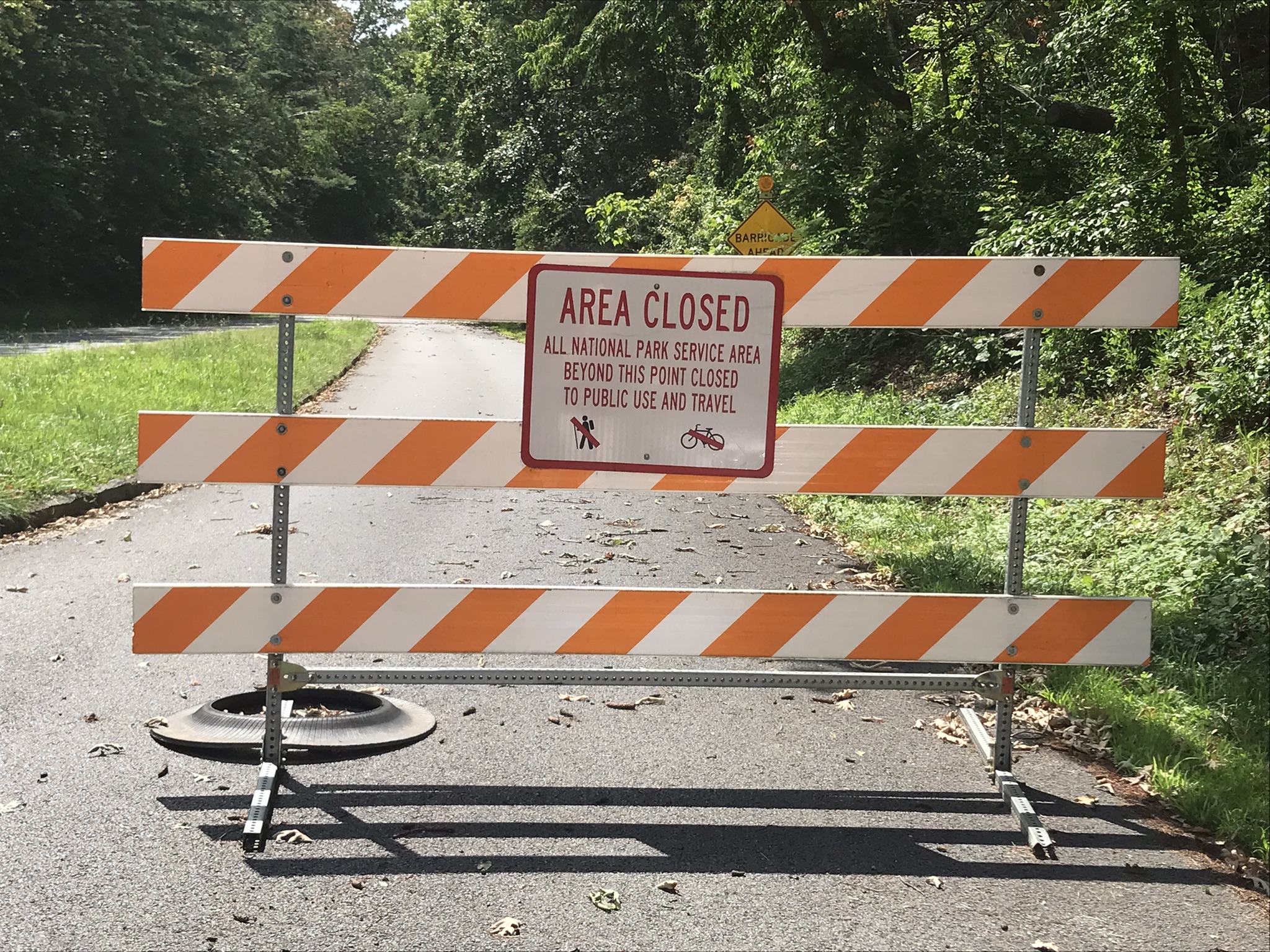





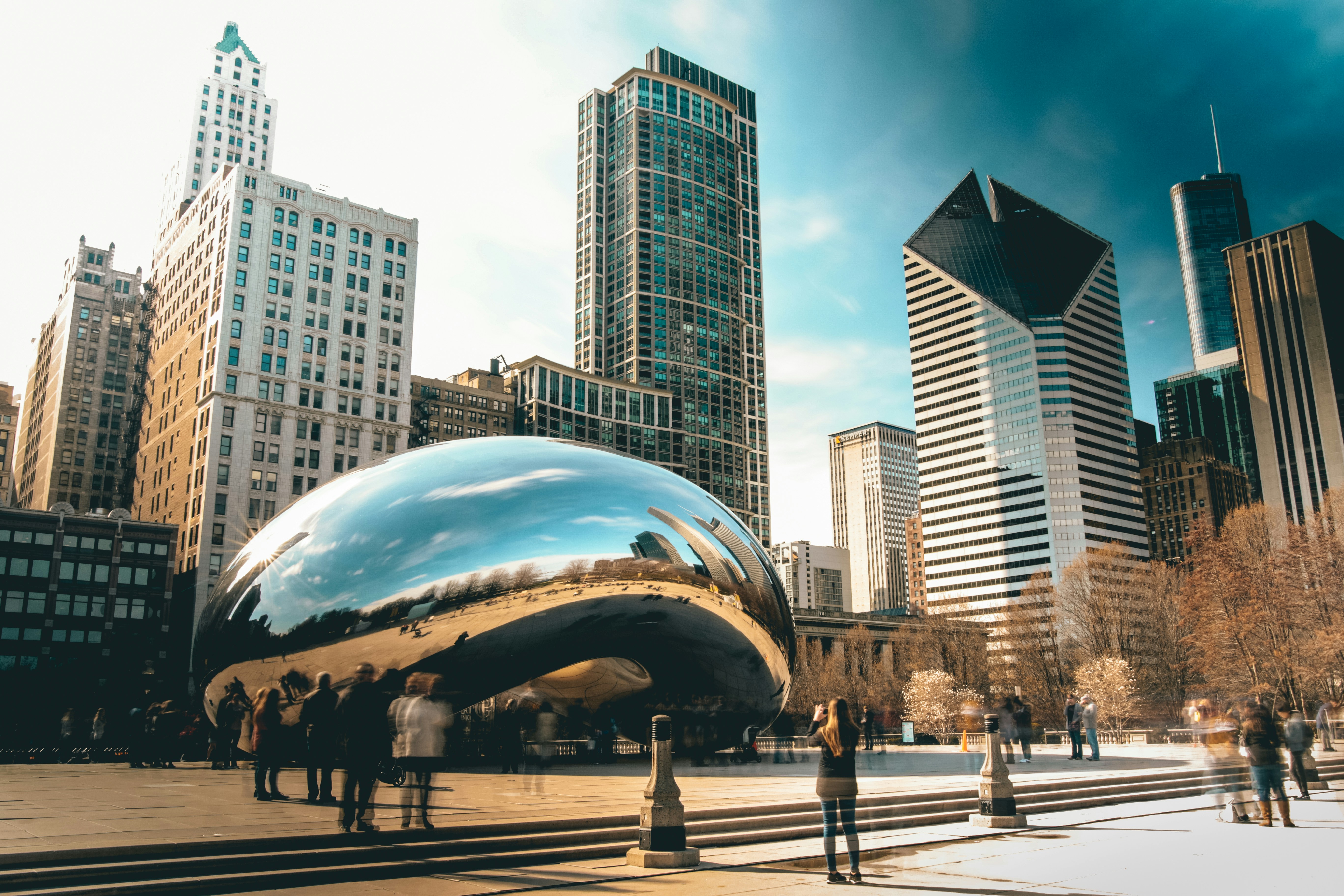




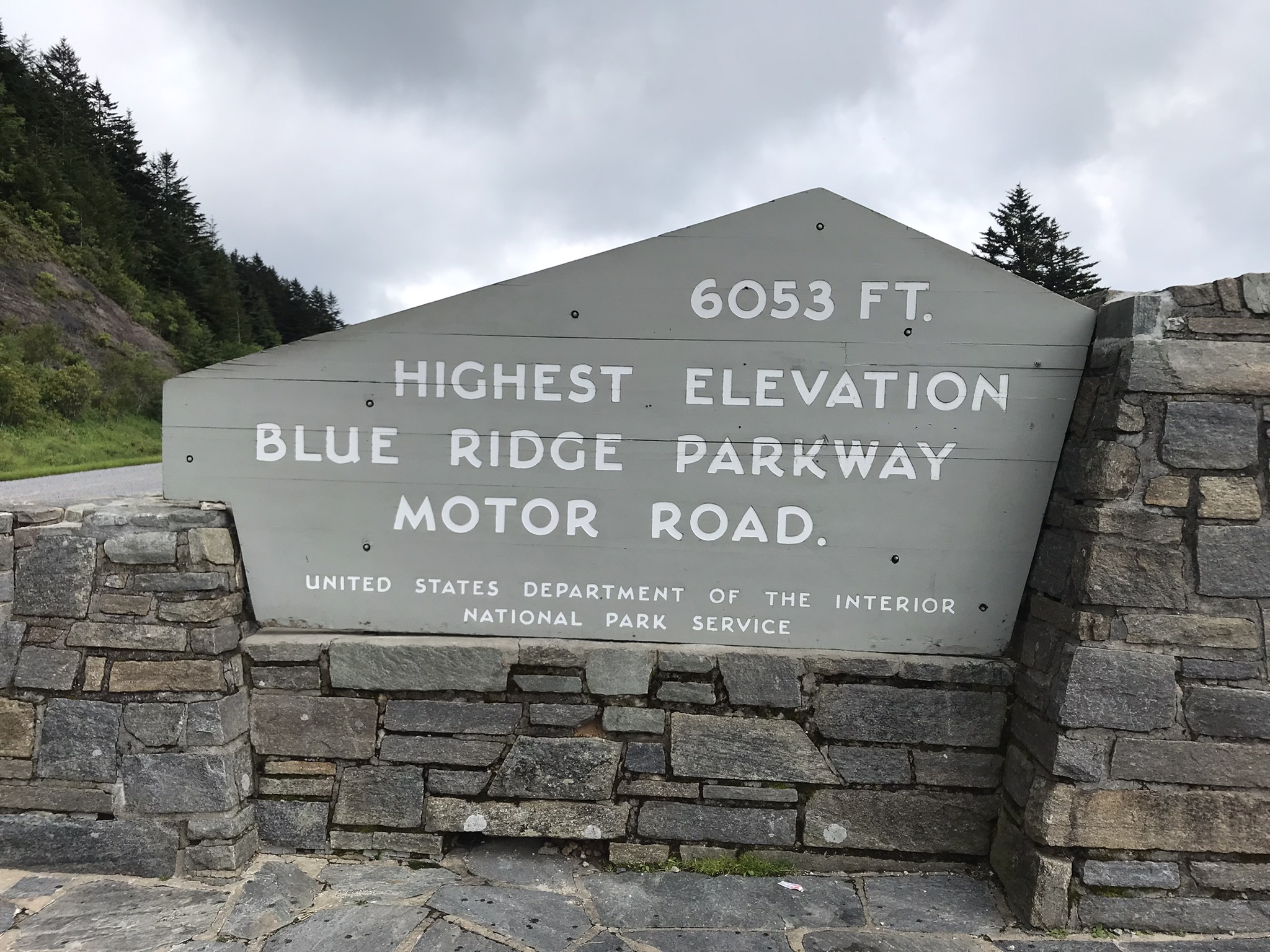










 Janet's Writing Blog