I write southern historical fiction, local history, and I've written a devotional book. The two novels I'm writing are set in Virginia and the Carolinas in the 1760s. My weekly blog started out to follow my journey as a writer and a reader, but in 2025 it has been greatly expanded to include current events and politics in the United States as I see our democracy under attack from within. The political science major in me cannot sit idly by and remain silent.
I see you’re scratching your head over the topic of my blog post today. I don’t blame you. Unless you are a graduate of Dartmouth, a resident of New Hampshire, or an expert on contract law, you’ve probably never heard of this U.S. Supreme Court case.
I was tempted to just brush it off and blog about a story in my new book, Traveling Through History: A Collection of Historical Short Stories, but then I remembered the significance of the case and why learning about it is important for us today.
I’ll give a brief version of the story, for that’s really all you probably want to know. If you want to know more, you can dive into it.
An iconic building at Dartmouth College. Photo by Ronni Kurtz on Unsplash.
In 1769, King George III of Great Britain issued a charter to Dartmouth College as a privately-funded school.
In 1816, the state legislature in New Hampshire decided to convert Dartmouth College into a state university. The legislators, as state legislators tend to do, thought they could just change Dartmouth’s charter by shifting control of the college to a board of trustees appointed by the governor. The school’s corporate seal, other corporate property, and record books were removed.
“Not so fast!” said the former trustees. Those earlier trustees filed a lawsuit against William H. Woodward, the secretary of the new board of trustees. They hired none other than Daniel Webster to represent them. He was a graduate of Dartmouth, but was yet to gain fame as a U.S. Senator and as the 14th and 19th U.S. Secretary of State.
It is reported that Mr. Webster made such an impassioned argument before the Supreme Court in Trustees of Dartmouth College v. Woodward that Chief Justice John Marshall was nearly moved to tears.
Webster was apparently extremely convincing, for the Court handed down its decision in favor of Dartmouth on February 2, 1819. The actions taken by the New Hampshire Legislature were invalidated, and Dartmouth returned to being a privately-funded institution of higher learning.
Photo by Markus Winkler on Unsplash
The Court’s decision was based on the sanctity of a contract. The Dartmouth College’s corporate charter qualified as a contract between the King and the school’s trustees, and the United States Constitution, Article 1, Section 10 prohibits a state from passing laws to impair a contract.
In case you’re wondering why I thought it apropos to blog about Dartmouth today…
Dartmouth’s administration refused to sign the agreement that U.S. Secretary of Education Linda McMahon sent to nine colleges and universities (Brown University, Dartmouth College, Massachusetts Institute of Technology, University of Arizona, University of Pennsylvania, University of Southern California, University of Texas at Austin, University of Virginia, and Vanderbilt University) on October 1, 2025.
To refresh your memory, the agreement would dictate how the signing colleges and universities would change their admissions policies and the way faculty would be hired. As I stated in that blog post, “By signing the compact, the colleges and universities give up their right to make public a stance on societal or political events. They must be neutral, as in no opinion, no free thinking, no thoughts whatsoever. You know, sort of like operating in an authoritarian nation.
“They must also agree to define sex as ‘male’ and ‘female.’ They must do all this while they ensure there is ‘a broad spectrum of viewpoints’ on their campuses. I’m not sure how you can do that while meeting the other requirements. Some of the requirements appear to negate the others.
“In return for signing the compact, a college would receive preferential treatment for federal funding. It seems like a high price to pay.”
The ten-page agreement was called “Compact for Academic Excellence in Higher Education,” which strikes me as a misnomer.
The President of the Massachusetts Institute of Technology (MIT) was the first to refuse to sign the agreement, so that’s what I wrote about in that October 15 blog post.
Two days later, Dartmouth College and the University of Virginia joined MIT in rejecting the agreement.
Being from North Carolina, I don’t know a lot about Dartmouth, but Trustees of Dartmouth College v. Woodward and the Dartmouth administrators’ October 2025 refusal to cave in to the blackmail deal offered by the Trump Administration tell me all I need to know.
Hurrah for college and university administrators with morals and courage to stand up to bullies!
Hurricane Helene Recovery Update
I haven’t given a Hurricane Helene recovery update since January 8, so I will do so today. The rest of the nation may have forgotten about Hurricane Helene, but North Carolinians have not forgotten.
Portions of the Blue Ridge Parkway have not reopened since Hurricane Helene damage in September 2024. I-40 at the North Carolina-Tennessee border remains just one lane in each direction with a 35 mile-per-hour speed limit.
I was unable to find a detailed report from the North Carolina Department of Transportation about the roads still closed due to the hurricane. Friday’s report dealt with road closures due to ice and snow.
Governor Josh Stein and North Carolina Attorney General Jeff Jackson continue to seek funding and reimbursement from the federal government, but the response lags behind the U.S. Government’s response to earlier national disasters. It is a sign of the times.
Repair work continues on the Lake Lure dam on the Broad River, and debris removal there also continues. It is hoped that the lake will be back to full pond and ready to reopen in May in time for the summer tourist season.
Local TV stations in Charlotte have hurricane recovery news items occasionally. They try to remind us that our lives in the piedmont went on after Helene, but our fellow citizens here and there in the mountains are still dealing with the loss of homes and businesses as well as transportation routes that were destroyed.
There was a news item from WLOS in Asheville last week celebrating the reopening of a Walgreen’s on Tunnel Road in Asheville. It was so heavily damaged by the flooding of the Swannanoa River during Helene that it closed for 16 months for a complete remodel. It reopened on January 22. The article noted that a U-Haul store had also reopened. That’s indicative of how long it has taken for life to return to normal in the mountains in North Carolina and Tennessee since the hurricane. Businesses – even national chain businesses – have struggled to rebuild. I have no idea how many small family-owned businesses will never recover.
Life has not returned to “normal” in portions of the mountains in North Carolina. I think the people are adjusting to a new normal. Hurricane Helene changed much of the landscape forever.
Janet
The government should be afraid of its citizens, not the other way around.
I planned to write one of my #OnThisDay history blog posts today about the Treaty of 1818, which established the 49th parallel as the Canada-United States border from the Great Lakes, west. However, I couldn’t get very excited about that topic.
I’m sure it was a big deal in 1818, during President James Monroe’s first term in office, and I’m sure it meant a lot to the people in the border states and provinces in the two countries. I just couldn’t come up with much to say about it.
I’ll just say, “I think I can speak for all Americans when I say, ‘We love you, Canada.’”
With that said, I will jump into what I am excited to write about today: a book I finished reading Friday night.
The Weight of Snow and Regret, by Elizabeth Gauffreau
If you regularly read my blog, you know I used to blog the first Monday of each month about the books I read the previous month. Some months I read so many books, it took two posts to write about all of them.
Then, January 2025 came along. I read The Frozen River, by Ariel Lawhon, in January, but then I hit a dry spell. I became so distracted by politics that I found it impossible to find a novel that I could concentrate on long enough to get interested, much less finish reading.
Then came October, and the release of The Weight of Snow and Regret, by Elizabeth Gauffreau. Historical fiction is my “go to” genre for reading and writing, and I had yearned all year for another book that would grab me like Ariel Lawhon’s book.
The Weight of Snow and Regret, by Elizabeth Gauffreau
The Weight of Snow and Regret is written in a way that would not let me go. Ms. Gauffreau was inspired to write the book after learning about the Sheldon Poor Farm in Vermont, which closed in 1968.
The book is expertly researched, which made it possible for the talented writer that Ms. Gauffreau is to infuse every scene with a level of authenticity that puts the reader in the story.
Each resident at Sheldon has a distinct personality and way of speaking that makes them easy to remember and tell apart.
The main character, Hazel, is matron at the Sheldon Poor Farm. Her husband runs the farm. The reader can’t help but be drawn to Hazel as she has the overwhelming job of cooking, cleaning, and in all ways caring for the residents of this very real poor farm. She has a heart for the job, and as her backstory is revealed the reader learns why she is the way she is.
Every time I thought I could close the book, I found myself plunging into the next chapter to see what was going to happen next. Every time I thought life couldn’t get more difficult for Hazel… it got more difficult. Somehow, Hazel kept her sense of humor, and that comes through in the book.
This novel is set in the 1920s, 1940s, and 1960s. I usually don’t enjoy novels that move back and forth between decades, but Ms. Gauffreau pulled this off masterfully. I think it was the perfect way for this story to be told.
The characters in The Weight of Snow and Regret will stay with me for a long time. It’s that kind of story.
There were “poor houses” when I was a child for people who were too poor to live anywhere else and had no relatives willing to take them into their homes. This novel made me stop and wonder where those people go now. I guess they are the people who live under bridges on the streets and highways in the cities.
If you like to read historical fiction, I highly recommend The Weight of Snow and Regret, by Elizabeth Gauffreau.
Hurricane Helene Update
As of Friday, 33 roads in North Carolina were still closed due to the September 26, 2024, Hurricane Helene. That count included five US highways, two state highways, and 26 state roads, meaning two state roads opened since my last blog update two weeks ago.
Of course, sections of the Blue Ridge Parkway in North Carolina will remain closed for another year or more, and I-40 at the Tennessee line will continue to be just two lanes at 35 miles-per-hour for a couple more years while five miles of the highway are being rebuilt in the Pigeon River Gorge.
But western North Carolina is open for business and tourists this fall. Just be aware that you might run into a detour, and you can’t drive the full length of the Blue Ridge Parkway.
Until this year, I could not imagine a world in which a hurricane could sneak up on a country. I have been blessed to grow up in a country where meteorologists tracked weather systems and, with growing precision every year, could forecast where such a storm would make landfall and how wide an area would likely experience hurricane-force or tropical storm-force wind.
With a few exceptions, with the support of the National Weather Bureau, meteorologists have been able to predict within a margin of error how much rain and the wind velocity localities can expect from a hurricane.
The Trump Administration sees no benefit in science, and that includes the work of the National Weather Bureau. If the National Weather Bureau is dismantled, we will not be much better off than the people of Galveston, Texas were in 1900.
Note: Not the hurricane that hit Galveston in 1900, of course. Photo by NASA on Unsplash
Galveston, Texas, in 1900
Galveston, Texas was a thriving city of 37,700 people in 1900. It claimed to be the “third richest city in the United States in proportion to population.” The seaport was booming. Sixty percent of the cotton grown in Texas was being exported through the port at Galveston.
Victorian mansions and public buildings were being built with elaborate architecture. The banking industry was booming. Grand social events filled the calendars of the elite citizens. All the modern conveniences of the time could be enjoyed in Galveston.
Things couldn’t have been going better!
In fact, things were going so well that residents became complacent, ignoring the fact that their city was on an island in the Gulf of Mexico and it’s highest point was just nine feet above sea level.
September 8, 1900
Although the U.S. Weather Bureau issued a hurricane warning on September 4, most Galveston residents ignored it.
Accustomed to weathering tropical storms, the residents paid little attention to the downpours of rain on the morning of September 8, 1900, even as Isaac Cline, the chief meteorologist at the Galveston Weather Bureau went door-to-door to warn people of the imminent danger. By afternoon, though, the tide was rising at an alarming rate and the wind had picked up.
By mid-afternoon, much of the city was flooded, but the worst was yet to come. It is now estimated that sustained winds reached at least 145 miles per hour that evening and there was a fifteen-foot storm surge.
When the next morning came, the sea was calm but 3,600 houses and businesses were gone. Entire blocks closest to the beach had been wiped away, and more than 6,000 people had died.
With all transportation and communication with the mainland destroyed, Galveston was cut off from the outside world for days as the survivors faced the grim task of disposing of bodies.
After burials at sea turned out to be unsatisfactory, funeral pyres were put up along the beach and bodies were burned for weeks after the storm.
After the Galveston hurricane
A seventeen-foot seawall was constructed in Galveston, which saved the city during future hurricane.
On a wider scope, the hurricane drew focus on the need for improved weather forecasting and warning systems. Weather stations were established through the Caribbean, and ships started tracking storms.
Late-20th-century and early 21st-century technological advances have made hurricane tracking and route predictions more precise, yet Mother Nature is a force stronger than any system of predictions. Even with all the various computer models that predict the path a hurricane will take, they are so large and so powerful that there is still uncertainty.
No one predicted the speed with which Hurricane Hugo would plow across South Carolina and the southern piedmont of North Carolina 200 miles inland in 1989. And no one predicted the extent of flooding and damage Hurricane Helene would do more than 500 miles inland in September 2024.
Even with the best technology, we are still vulnerable to hurricanes, but the warning system we have had in place in the 21st century is light years ahead of the warnings that were possible in 1900.
One hundred and twenty-five years later, the September 8, 1900, hurricane that hit Galveston still holds the record as the worst natural disaster to ever hit the United States, in terms of lives lost.
In 2025, we must fight for the National Weather Bureau to remain intact so no city is walloped with little warning like Galveston was in 1900.
Speaking of hurricanes…
Hurricane Helene Update
As of Friday, 37 roads in North Carolina were still closed due to Hurricane Helene, which hit the mountains in the western part of the state on September 26, 2024. That count includes five US highways, two state highways, and 30 state roads.
Tangie’s blog was about the man who, in 1920, started the first hospital for black people in Miami. After reading her post, I wanted to find out more about the first hospital for blacks in my area.
You just never know where a little research is going to take you. I started out looking for the history of Good Samaritan Hospital in Charlotte and in the process I learned about a train wreck in 1911, the murder by a mob in 1913, and a woman who was instrumental in the establishment of the hospital. The hospital and that July 17, 1911, train wreck are connected, so I decided to write about both during this anniversary week.
I was aware of Good Samaritan Hospital because it was still in existence when I was growing up. It makes me feel ancient to remember that when I was born there was still racial segregation in medical care.
Good Samaritan Hospital, or “Good Sam” as it was affectionately called, was built in Charlotte in 1891 after the project was spearheaded by the congregation of St. Peter’s Episcopal Church. The first hospital for white people in Charlotte, St. Peter’s Hospital, was built in 1876.
In the beginning, Good Samaritan Hospital had 20 beds. A School of Nursing was established there in 1903, which trained nurses for the next 50 years.
With the help of the Duke Foundation and the Colored Sunday School Union, it more than doubled in size in 1925. A major expansion was completed in 1937, bringing the bed count to 100.
Good Samaritan Hospital’s response to a train wreck
The importance of Good Samaritan being the only hospital to serve black people in North Carolina was brought to the forefront on July 17, 1911, when a freight train and a passenger train collided head-on near Hamlet, North Carolina, some 75 miles east of Charlotte.
Brandon Lunsford’s article indicates that 83 black patients were brought from the train wreck to Good Samaritan Hospital. Eighty of the 83 survived their injuries. The way in which medical care was given to the victims of the train wreck raised Good Samaritan’s reputation.
(I don’t have the time right now to take a deep dive into that discrepancy. It could be something as simple as a typographical error in the resource material used for either article. I hope it is not because so many of those injured were black people. I couldn’t help but wonder if the early newspaper accounts only reported the number of white people injured. I’ll leave it to someone else to go down that rabbit hole.)
Regardless of the total number injured, all of the black people injured in the accident had to be transported 75 miles to Charlotte to the only hospital serving black patients in the North Carolina, and Good Samaritan Hospital should be remembered and celebrated for that.
The Richmond County, NC newspaper article cited above states, “Many of the injured were members of St. Joseph’s AME Church. They were located in an inferior, wooden passenger train [car] due to segregation laws at the time.”
Back to the history of Good Samaritan Hospital
Good Samaritan Hospital was in the news again on August 26, 1913. Brandon Lunsford’s article reports the following: “A mob of about thirty-five armed men stormed the hospital and captured a black man named Joe McNeely, who was arrested five days earlier for the shooting of Charlotte policeman L.L. Wilson. McNeely, who was also shot and recovering at Good Samaritan, was dragged out into the street by the angry mob, shot and mortally wounded. No one was ever convicted for McNeely’s death, and the crime remains an ugly mark on Charlotte’s history.” (That is another piece of local history I was not aware of.)
The Episcopal churches in Charlotte continued to support and take administrative responsibilities for Good Samaritan Hospital in to the 1950s, but the financial burden was making that increasingly difficult.
In 1961, the City of Charlotte and Charlotte Memorial Hospital took ownership of Good Samaritan. Its name was changed to Charlotte Community Hospital. It closed in 1982 and became the Magnolias Rest Home.
To make land available for the construction of Bank of America Stadium (formerly, Ericsson Stadium), the former Good Samaritan Hospital was demolished in 1996.
Good Samaritan Hospital Historical Marker
The Richmond County Daily Journal article cited above includes a photograph of the historical marker outside Bank of America Stadium in downtown Charlotte. It reads as follows: “Good Samaritan Hospital (1891-1961) Site of the first independent private hospital in North Carolina built exclusively for African-Americans. Established by Jane Renwick Smedburg Wilkes of St. Peter’s Episcopal Church. One of the oldest black hospitals then in operation in the U.S.”
Jane Renwick Smedburg Wilkes?
Who was Jane Renwick Smedburg Wilkes and why am I just now hearing about her?
You’ll have to read my blog post scheduled for tomorrow to find out who she was.
Hurricane Helene Update
The North Carolina Department of Transportation has changed how it is reporting road closures on its website, so my weekly updates will change accordingly. At least, I could not find the detail presented in quite the same way as it was in the past. Also, there was lots of flooding in the northern piedmont and eastern parts of the state due to Tropical Storm Chantal last week.
As of Friday, 37 roads in North Carolina were still closed due to Hurricane Helene and 50 had limited access. Five road were reopened last week.
Of course, I-40 through the Pigeon River Gorge is still just two lanes with a 35-mph speed limit, and most of the Blue Ridge Parkway in North Carolina is still closed.
Until my next blog post
I hope you have a good book to read.
Remember the people of Ukraine and western North Carolina.
This has not been a good reading year for me when it comes to fiction. You may recall that I did not read any novels in April and only read a couple of books in May. There are plenty of wonderful novels out there, I’m just not in a good place mentally right now to concentrate on a plot and enjoy them. The memory problems caused by Chronic Fatigue Syndrome are a daily frustration.
Nevertheless, my blog today is about two of the four books I read or attempted to read in the month of June. I will blog about the other two tomorrow.
My Name is Emilia Del Valle, by Isabel Allende
I thought this would be the historical novel that would rescue me from my drought of reading since January 20, but not even Isabel Allende could do that.
My Name is Emilia Del Valle, by Isabel Allende
I enjoyed the first half of the book, but then I was too distracted by current affairs to concentrate on the war in Chile in the 1890s. I wanted to see if Emilia would locate her biological father in Chile and, if she did, I wanted to see how that meeting took place and if they formed a relationship. (Spoiler alert: After that meeting took place, I began to lose interest in the rest of the plot.”
I cheered Emilia on because she was a female trying to be a writer. I cheered her n when she got a job as a reporter for The Daily Examiner in San Francisco, for that would unheard of for any newspaper in the US in the 19th century.
It was disappointing for me when I lost interest in the story. That’s not a reflection on the writing, for Isabel Allende is a wonderful novelist. Some of her other novels have held me spellbound. I think it just was not the right time for me to read this book.
Please don’t let my comments deter you from reading it.
Who Is Government?: The Untold Story of Public Service, edited by Michael Lewis, with essays by Michael Lewis, Casey Cep, Dave Eggers, John Lanchester, Geraldine Brooks, Sarah Vowell, and W. Kamau Bell
This book pulled at my heartstrings, because in my early adult life I was a public servant. That was what I prepared myself for in six years of college. As is true for most public servants/government employees in the United States, I had little interest in politics.
If that statement sounds strange to you, then you have a misunderstanding of how government in the United States works.
If that statement sounds strange to you, you need to read Who Is Government?
Who Is Government? The Untold Story of Public Service, edited by Michael Lewis.
This book is a collection of stories about specific unsung heroes who work in our government. None of them wanted fame or fortune. You don’t know their names.
They were just doing their jobs, all the while dodging the arrows being shot at them daily by a general populous who choose to believe and perpetuate the myth that all government employees are incompetent and lazy.
The writers of Who Is Government? beg to differ with that long-standing misconception of government employees.
The essays in this book are about a government employees who did such things as:
Figuring out how to make “roofs” in coal mines so they would not collapse – a problem that has killed thousands of coal miners worldwide;
Figuring out an almost flawless way to run the National Cemetery Administration so that the 140,000 veterans and their families are interred annually are treated with the utmost precision and care as well as immaculately maintaining the final resting place for more than 4 million other veterans in our 155 national cemeteries;
Figuring out how to build the future Nancy Grace Roman Space Telescope “which will have a panoramic field of vision a hundred times greater than the Hubble Space Telescope” and will perform something called starlight suppression to enable us to see behind and around faraway stars;
Keeping track of every statistic imaginable, which is what the Consumer Price Index actually is – and it doesn’t just happen – it takes lots of government employees measuring things and keeping meticulous records that an individual could never do but all our lives are affected by that number;
Catching and arresting cyber criminals who are defrauding people or perpetuating pedophilia on the internet and the dark web;
Overseeing and accomplishing the digitalization so far of 300 million of the 13 billion government documents so that every American, regardless of their location, will have access to all the records housed by the National Archives and Records Administration;
Working in the US Department of Justice (I hope Olivia still has a job there!) in the antitrust section because she sees helping to enforce antitrust laws as a way to make sure one person’s American Dream does not “impede on other people’s American Dream”; and
Helping doctors find new treatments for rare deadly diseases. (I sincerely hope Heather still has her job, but I’m not optimistic.)
Each of the above stories is fascinating. Each one renews my faith in the United State Government and serves as a reminder that ours is a “government if the people, by the people, and for the people” as so eloquently stated by Abraham Lincoln in The Gettysburg Address.
As I stated a few paragraphs ago, the writers of Who Is Government beg to differ with that long-standing misconception of government employees being incompetent and lazy – that misconception that the Trump Administration and the teenagers working for Elon Musk latched onto with all their might and money this year. And thousands of hard-working, knowledgeable, dedicated, non-political government employees lost their careers.
The brain-drain and experience-drain that resulted from the massive firings and layoffs in the US Government and the trickle down through various state and local government programs won’t be recognized or calculated in its entirety for decades.
In many cases, we will never know what we lost. We will never know the cures for cancer or Alzheimer’s Disease that were missed because the researchers that were on the cusp of those discoveries were let go in the name of “government efficiency.”
We won’t be able to ever recover the beauty and plants and animals that have been and will be lost to mining and deforestation in the name of “government efficiency” and “Make America Great Again.”
If I sound bitter, it is because I am. If I sound unforgiving, it is because I am.
Who Is Government? should be required-reading for all Americans – or at least for everyone in Congress and in the Trump Administration. If they read it, they might not be so quick to paint all government employees with that “incompetent, inefficient, and lazy” brush.
I will close by quoting a paragraph in The Cyber Sleuth” essay in Who Is Government? written by Geraldine Brooks. That essay tells how effective Jarod Koopman and his cyber crime team at the Internal Revenue Service (IRS) have been in catching criminals ranging from bitcoin fraudsters to pedophiles.
This is my favorite paragraph in the book: “The next time a politician or a pundit traduces the IRS, or JD Vance suggests firing half the civil service and putting in ‘our people,’ consider whether a system that filled out its ranks with a new batch of political loyalists every four years would have the expertise of these dedicated lifelong civil servants.”
In 2016, many Trump supporters said, “We need a businessman in the White House.”
I might not be the sharpest knife in the drawer, but I’d like to know what business fires their employees without any consideration of their value or merit every four years just so they can hire all new people. I don’t think that business would last long. That business model makes no sense for a for-profit enterprise and it certainly makes no sense for the United States Government.
Hurricane Helene Update
As of Friday, of the 1,448 roads in North Carolina that were closed due to Hurricane Helene last September, 1,409 were fully open, 39 were closed, 50 had partial access, and one was closed to truck traffic. Eight roads reopened last week.
The statistics posted online by the NC DOT are a little difficult to follow as it is unclear in the chart by geographical divisions which roads are completely closed and which ones of partially closed, etc. Five US highways, three state highways, and 43 state roads are indicated on the chart without explanation of exact closure status.
I-40 is still just one lane in each direction with a 35-mph speed limit, and most the Blue Ridge Parkway in NC is still closed. That road is not included in the DOT chart since it is a federal park-maintained road.
Until my next blog post
Keep reading for pleasure.
Hold your family and friends close.
Remember the people of Ukraine and western North Carolina.
And remember the people of Texas where there was devastating flooding in the wee, dark hours of Friday morning. The death toll continues to rise as I write this, and there are still 11 missing from Camp Mystic along the Guadelupe River. From my Hurricane Helene update above, we know they have a long, difficult road ahead.
I can always remember the year the 26th Amendment to the United States Constitution was ratified. It lowered the legal voting age in the United States from 21 years old to the age of 18.
Photo by Element5 Digital on Unsplash
The argument that ultimately won the day and the ratification of the 26th Amendment was that if 18-year-olds were old enough to fight a war in Vietnam, they were old enough to vote.
I just happened to turn 18 years old in 1971. My high school male classmates were receiving draft notices (and at least two of the females in my senior class did, too, because their first names could also be the first names of males), so the argument made sense to me.
What puzzled me was the fact that 18-year-old males had been drafted and sent to war as early as 1778, so why did the voting age not get lowered to 18 before the last years of the Vietnam War?
To find the answer to that question, I went down a rabbit hole. When will I learn that nothing has a simple answer?
It turns out that the question of the draft and the question of at what age an American should be given the right to vote have been intertwined for a very long time and started coming to a head during World War II.
I found it impossible to address the voting age without addressing the age of conscription.
Keep in mind that until 1920 women could not vote in the United States, and black men were not drafted until 1943. And black men and women were not allowed to vote in various states until the 1960s despite the adoption of the 15th Amendment in 1870 which gave black men the right to vote.
Depending upon your age, this might seem like ancient history, but I assure you it is not.
I have divided today’s post by wars or eras up to but not including World War II, in case you aren’t interested in the total progression of this and how the 26th Amendment became part of the US Constitution in 1971.
Tomorrow’s post will pick up with World War II to the ratification of the 26th Amendment.
Revolutionary War
A regular army (the Continental Army) was raised from 1775 until 1783 by men who enlisted given cash bonuses and a promise of land “on the western waters) when the war was over.
My great-great-great-great-grandfather Morrison’s youngest brother took advantage of that offer. After 84 months of service, he was awarded 640 acres of land “on the western waters”, i.e. in Tennessee. Six of his 11 children pulled up stakes in piedmont North Carolina and moved to that land approximately 400 miles away in Tennessee.
War of 1812
The US Government recruited men to serve for 13 months. They were given a $16 sign-up bonus and were promised three months’ pay and 160 acres of land after their service. The US Congress authorized President James Madison to call up 100,000 militiamen from the states, but some of the states refused to cooperate.
Mexican War (1846-1848)
One-year enlistment times for many troops expired and military operations had to wait for replacements to arrive.
Civil War
In the North, Congress authorized President Abraham Lincoln to draft men from 20 to 45 years old. For $300, a rich man could hire another man to serve in his place. Draft riots occurred for four days in New York City on July 13, 1863, after Governor Horatio Seymour declared the conscription act unconstitutional. Government offices were burned, shops were looted, and black men and anyone else refusing to join the protest were tortured. Less than two weeks after the Battle of Gettysburg, New York soldiers there were called home to put down the riot. Approximately 1,000 people died! Governor Seymour finally gave in and the draft in New York started again.
In the South, the Congress of the Confederate States of America passed a conscription law in April 1862. All white men ages 18 to 35 were required to serve for three years in the military. As in the North, substitutes were allowed which contributed to low morale and low number. That eventually resulted in conscription between the ages of 17 and 50. By 1865, slaves were being called into service.
Spanish-American War (1898)
The US Congress made all white men between the ages of 18 and 45 subject to the draft.
World War I
In May 1917, the Selective Service Act was passed by the US Congress. It established local, district, state, and territorial civilian boards to register white men between the ages of 21 and 30 to serve in World War I. There was widespread opposition to the Act which resulted in tens of thousands of men applying for exemptions. More than 250,000 men did not even register. Arrests were made, including one round-up of 16,000 men in New York City in 1918. In light of all that, all attempts to set up military training standards and service were defeated in Congress in the years immediately after the war.
The National Defense Act of 1920
That act established a system of voluntary military service. After all, World War I/The Great War was supposed to be “the war to end all wars.”
Leading up to World War II
The US was reticent to get involved militarily in World War II. The Burke-Wadsworth Act passed in both houses of the US Congress in September 1940. It imposed the first peacetime military draft in US history. In December 1940, all white men ages 21 to 36 were required to register for the draft. Although 20 million men fell into that category, half of them were rejected for military service during the first year due to either health reasons or illiteracy. (An astounding 20 percent of them were illiterate!)
Hurricane Helene Update
Surprise news: I-40 reopened on Friday, just two days after Tennessee Department of Transportation indicated they were trying to get it reopened by July 4.
More good news: Chimney Rock State Park has reopened after being closed for nine months due to hurricane damage to the park and the Town of Chimney Rock.
As of Friday, 62 roads in North Carolina were still closed due to Hurricane Helene. That count included five US highways, nine state highways, and 48 state roads.
Like my report as of Friday, June 20 showed an increase in closures due to Hurricane Helene over the Friday before, this report is a slight increase in closures over the one for June 20. There is no explanation, just a chart showing each category of closures by NC DOT district. I assume some damages were longer showing up than others and/or some roads that were passable for the months immediately after the storm have now been closed for repairs.
Until my next blog post, which will be tomorrow
I hope you have a good book to read.
Keep family and friends close in your thought, prayers, and activities.
Remember the people of Ukraine and western North Carolina.
There are more pressing worries today in the Middle East than what is happening at the Smithsonian Institute, but I am posting this as planned.
I mentioned my concerns about the Smithsonian Institution in my March 31, 2025, blog post, Words Trump wants federal agencies to “limit or avoid”, but like many parts of the US Government that don’t directly affect our lives on a daily basis, the Smithsonian has dropped from the headlines.
“The Castle” – the most iconic building of the Smithsonian Institution in Washington, DC. Photo by Sara Cottle on Unsplash
My only other substantive mention of the Smithsonian in my blog since then was on June 3, 2025, when I wrote, “On Friday, Trump fired Kim Sajet, the Director of the Smithsonian’s National Portrait Gallery. She had held the position for 12 years. Her crime, according to Trump was for being ‘a highly partisan person, and a strong supporter of DEI.’”
President Trump replaced Ms. Sajet with Lindsey Halligan, Esq.
I have wondered since then what Ms. Halligan is up to, but I’m afraid to ask. Plus, who would I ask? My United States Senators and my US Representative certainly would not know.
The National Portrait Gallery in Washington, DC Photo by Sung Jin Cho on Unsplash
On March 27, President Trump signed an Executive Order titled “Restoring Truth and Sanity to American History.” I don’t know about you, but as a student of history, the title alone makes me cringe.
It turns out there is one person mentioned by name in that Executive Order: Lindsey Halligan, Esq.
The Executive Order states that Halligan will consult with Vice President J.D. Vance to “remove improper ideology” from Smithsonian properties. That sounds like she is going to have some say so in more than the National Portraits Gallery.
So, again, what are her qualifications? I ask, because so many of Trump’s appointees have no qualifications for their jobs. You know who they are, and they know who they are.
According to Maura Judkis’s article in The Washington Post, Halligan is a Trump attorney who moved to Washington in January. She visited the Smithsonian museums of Natural History, American History, and American Art and she did not like what she saw.
It seems that she thought the Smithsonian was “weaponizing history.” To me, those words coming from a Trump associate translate into “We don’t want to be reminded that America was never perfect.” Halligan told the newspaper that she reported her concerns to the President.
Poof! She is now consulting with the Vice President to apparently rid the Smithsonian of collections and exhibits that offend her sensitivities.
But how did she get in a position to have such a level of access to and influence over Donald Trump? She competed in the Miss Colorado USA Pageant back in 2009 when Trump co-owned the parent organization of the Miss Universe pageant, for which the state Miss USA pageants is a preliminary event.
Ms. Halligan might be a well-qualified attorney. What she knows about art or portraits was not covered in the newspaper article.
The Smithsonian’s Mission
According to the website for The Smithsonian Institution (https://www.si.edu/), its purpose is: “The increase and diffusion of knowledge.”
The Smithsonian’s stated vision: “Through our unparalleled collections and research capabilities, and the insight and creativity we foster through art, history, and culture, the Smithsonian strives to provide Americans and the world with the tools and information they need to forge Our Shared Future.”
In other words, the Smithsonian Institution is for the whole world. Keep that in mind, as we delve into what Lindsey Halligan did not like when she visited a few of its museums in January.
What is “improper ideology” at the Smithsonian?
More troublesome than Ms. Halligan’s credentials is, “What is considered ‘improper ideology’ for the Smithsonian?”
I will quote two paragraphs from Maura Judkis’s newspaper article:
“During her visits to the museums, Halligan says she saw ‘exhibits that have to do with either another country’s history entirely or art and sculpture that describes on the placards next to it that America and sculpture are inherently racist,’ though she did not offer specific details.
“She says she also saw exhibitions that did not focus on America at all. ‘There’s a lot about other countries’ history that has nothing to do with America, and I think, you know, America is so special,’ she says, adding: ‘We should all be focused on how amazing our country is and how much America has to offer.’”
What happens to the history of slavery in the US?
Today we mark the 160th anniversary of the day that the last black slaves in the state of Texas found out that they were free: June 19, 1865. That’s the day U.S. Army Major General Gordon Granger ordered the final enforcement of the Emancipation Proclamation in Texas. It is now a recognized holiday known as Juneteenth, a portmanteau of “June” and “nineteenth.”
But what is happening to the history of slavery in the United States, when the Trump Administration wants to erase all traces of the unpleasant chapters in our national history?
Photo by Tasha Jolley on Unsplash
We know certain museum exhibits have been removed from the Smithsonian. What happened to them? Were they thrown in the trash?
We know the Trump Administration doesn’t want any mention of slavery in our children’s history textbooks or any discussion of such things in our classrooms because it might make the white children feel bad. That is absurd, short-sighted, and evil.
Need we know more?
If you want to know more, Ms. Judkis’s article gives many more details, but I think those two paragraphs tell us everything I need to know.
Ms. Halligan’s statements as quoted above are in direct conflict with the stated purpose and vision of the Smithsonian.
I hope when the Trump regime is a distant memory, people who have knowledge of world history and how to operate museums will be able to piece the Smithsonian back together.
Crackdown on ideology to the extreme
It has been reported that there are now signs up (or will be soon) at the National Zoo in Washington, DC instructing visitors to report anything they see that they think is in conflict with the ideology of the US Government.
It is a zoo, people! It. is. a. zoo.
This does not bode well for Bao Li and Qing Bao, the two pandas on loan from China. I hope they will keep their anti-American thoughts to themselves!
Photo by Harrison Mitchell on Unsplash
If they aren’t careful, Trump will place a tariff on them like he did that island inhabited only by penguins.
Read everything you can get your hands on. Watch a little bit of the news every day.
Learn the history of your country and the world. Your democracy and way of life might depend on that someday. The knowledge of history needs to influence for whom you vote on every level of government.
Do whatever you can to make this world a better place.
Remember the people of Ukraine and eastern Tennessee and western North Carolina. I-40 in Cocke County, Tennessee sustained major flooding again yesterday and a new landslide. The interstate highway is closed in both directions near the TN/NC line until damage can be cleaned up and assessed. Motorists must use I-40 to I-81 in TN to I-26 to Asheville, NC to I-40. The Hurricane Helene saga continues. That area just can’t seem to get a break as we approach ten months since the hurricane.
I have been wanting to go to the mountains in western North Carolina for months, not to sightsee but to try to support some small businesses. My sister and I were in the mountains for three days last week. We were on a mission.
I tend to plan trips in detail. Sometimes things go as planned, but I have a poor track record when it comes to selecting restaurants in advance.
Our first stop on Tuesday was Montreat. The Presbyterian Church USA has its conference facilities there, and the place is near and dear to our hearts. The town suffered much landscape and street damage from the flood that accompanied Hurricane Helene last September. We knew from Facebook that Lake Susan had been completely cleaned out and restored. It was good to see people enjoying the lake again. Recovery work in Montreat continues.
Lake Susan, Montreat, NC June 10, 2025
We planned to eat lunch at a small diner in Swannanoa. I had read online that it had been owned and operated by the same family for 30 years. Unfortunately, when we got there, the sign on the door said they were closed for the week. Maybe The Breakfast Shop will be open the next time we’re in the area.
We drove back to Black Mountain and ate lunch at the Black Mountain Bistro, so we were still able to patronize a local business. Lunch there is always good.
We continued back through Swannanoa on US-70. The little town of Swannanoa had a lot of damage from the flood. Recovery will take a long time. One thing we noticed along US-70 for many miles is that there is still much dirt by the curb – a sign that street and highway crews have had much more pressing work to do than to get the dirt from the curb. The state of things indicates that every rain washes more dirt and debris into the highway. It wasn’t a major issue. It was just something we don’t normally notice.
US-70 become Tunnel Road in Asheville, and from Tunnel Road we were able to access a couple of miles of the Blue Ridge Parkway. At the entrance to the wonderful Folk Art Center on the parkway we were faced with this signage.
Barricade on Blue Ridge Parkway beside entrance to Folk Art Center at Asheville, June 10, 2025
It was sad to see the parkway closed. In the distance, we could see work being done and we met a dump truck hauling away storm debris.
We bought a couple of items at the Folk Art Center. Artisans from the Southern Appalachian Mountains sell their handcrafted merchandise there. There are quilts, blown-glass, leatherwork, woodwork, pottery, Christmas ornaments, and pottery.
Folk Art Center on Blue Ridge Parkway at Asheville, NC, June 10, 2025
From Asheville, we took Interstate 26 west through Weaverville to Mars Hill, where we had reservations for the night. We had never been to Hot Springs in Madison County, so we set out to have dinner at a small restaurant there, Smoky Mountain Diner. My mouth was watering for local trout, but the restaurant was closed for a private party.
We returned to Mars Hill. By then, it was getting late and we’d had a long day. “Plan B” was Stackhouse Restaurant in downtown Mars Hill, but when the hostess told us it would be a 45-minute wait we reluctantly settled for sandwiches at Subway. Not a good substitute for local mountain trout or a burger at Stackhouse.
So, Day One was more than a little disappointing. We were beginning to wonder if our trip was going to help the local economy at all.
On Wednesday we took US-19E through Burnsville to NC-226A to Little Switzerland. We went into downtown Burnsville. Recovery work was still being done on at least one street, and tree damage was obvious. Some roads that turned off US-19E were still closed, and we could only imagine the extent of tree and infrastructure damage.
There was lots of storm damage visible along NC-226-A and many asphalt patches in the highway. As was true on our entire trip, damage wasn’t constant, but was especially noticeable where there had been landslides or near creeks where there was obvious flood damage.
Here are a series of random photos I took on June 11, 2025, where we could safely pull off the highway as we drove from Mars Hill, NC to Little Switzerland, NC.
Area beside a creek with obvious major repairs having been done.
Example of tree damage on the side of a mountain, although by far not the worst we saw.
A sign of hope: a wildflower blooming in the midst of Hurricane Helene flood damage on June 11, 2025
Tree and underbrush damage by the roadside.
Small stream, but evidence of major creek bank repairs and reseeding.
Throughout the three days we were amazed at the massive water damage still visible along what were once again tiny creeks and branches. It is amazing what 30 inches of rain in a couple of days can do to little mountain streams!
Storm debris waiting to be hauled away.
Tiny stream now, but look at the damage it did last September.
The remains of a home surrounded by evidence of the flood and a small landslide in the background.
We ate lunch, as planned (success at last!) at Little Switzerland Café. We had eaten there before. It is a good place to get soup, a sandwich, or homemade quiche. It is a short distance off the Blue Ridge Parkway near the Orchard at Altapass. The address of the orchard is Spruce Pine, but it is out in the country, right on the parkway.
Little Switzerland Cafe, Little Switzerland, NC, June 11, 2025
After lunch we had planned to visit the orchard. There is a general store there and walking trails, but the Blue Ridge Parkway was unexpectedly closed there. When I checked online a few days before our trip, the National Park Service website hade indicated that a couple of miles of the parkway were open there and the orchard was accessible. Apparently, more damage occurred or was discovered and the website couldn’t keep up. That’s understandable.
As is stated on https://altapassorchard.org/, “The mission of the Altapass Foundation, Inc. is to preserve the history, heritage, and culture of the Blue Ridge Mountains; protect the underlying orchard land with its apples, wetlands, butterflies, and other natural features; and educate the public about the Appalachian experience.”
Please take eight minutes to watch this 2023 PBS NC video clip, “How an apple orchard is preserving Appalachian views | State of Change: Seeds of Hope” about The Orchard at Altapass: https://www.youtube.com/watch?v=3bTKjLipjGI, so you can see why we wanted to visit it again and why you should include it on your itinerary the next time you’re in the area.
The orchard was planted by the Clinchfield Railroad at the lowest pass through the Blue Ridge Mountains for 100 miles. The railroad constructed 18 tunnels in 13 miles of track beside and below the present-day orchard and opened in 1908. Some of the trees in the orchard are still producing apples at nearly 100 years old. Hurricane Helene killed hundreds of the apple trees, but thousands survived.
From there, we made our way to Newland, Linville, Grandfather Mountain, and Boone, where we had reservations for the night. Along the way, especially where we crossed or drove beside mountain streams, the ravages of Hurricane Helene were visible.
We ate supper at Mike’s Inland Seafood in Boone. We discovered it on our last visit, which was exactly two weeks before the hurricane hit and Boone was flooded. We drove around the college town and were amazed at how the town and Appalachian State University campus have been almost completely cleaned up and restored since last September. From what we saw, someone who did not know there had been a flood would not be able to tell there was one less than a year ago unless they veer off the main streets.
A side street in Boone being repaired on June 11, 2025. That’s part of Rich Mountain in the background.
We enjoyed walking up and down King Street in Boone. We bought “Go Mountaineers! And Boone tee-shirts and postcards. My sister just happened to be reading a book about Watauga County musician, Doc Watson, so it was nice to stop and see his statue again at the corner of King and Depot Streets.
Alex Hallmark, a sculptor from nearby Blowing Rock, designed the statue of the blind musician seated and playing his guitar. A black steel bench was designed to fit the seated statue, so visitors can stop and sit awhile next to Doc. When we arrived, a mother and her little girl were sitting with Doc and enjoying ice cream cones. I wanted to take a picture, but I did not want to intrude.
We walked and shopped for a few minutes and I took this picture later.
Statue of Doc Watson at corner of King and Depot streets in Boone, NC, June 11, 2025
Thursday was the day that really made our trip worthwhile. From Boone, we drove to West Jefferson. We can’t go to West Jefferson without stopping by the Ashe County Cheese store. We purchased some of the cheese made at the factory across the street from the store along with some jams and jellies made especially for Ashe County Cheese Company. We looked at the fudge counter but resisted temptation.
There were jars at the cash registers at the Ashe County Cheese Company store for monetary donations to the Ashe Food Pantry, Inc. The organization accepts online donations at https://ashefoodpantry.org/ or a check can be mailed to Ashe Food Pantry, Inc., P. O. Box 705, Jefferson, NC 28640.
From West Jefferson, we headed north on NC-194 toward Lansing. We passed through Warrensville where I had planned for us to stop at The Baker’s Addict Bakery on our way back from Lansing, but we made a spontaneous decision to come home another way. My apologies to The Baker’s Addict Bakery. We’ll be sure to stop by on our next trip to northwestern North Carolina.
The little community of Lansing was hit extremely hard by Hurricane Helene. The community was left isolated for weeks and weeks after the storm. The little creek that flows beside NC-194/Big Horse Creek Road appears to be just a nice little bubbling brook last Thursday morning. There is a lovely park there and we delighted in seeing a group of young girls skating on the sidewalk in the park. We assumed they were local girls and we were so glad to see them having fun again after the natural disaster they lived through. The way it flooded all of the little business district last September was hard to imagine.
The park in Lansing, NC
There are just several businesses there, and we tried to support each of them. We had never been to Lansing before, so our knowledge of the businesses there came from the internet.
Part of the business district in Lansing, NC, June 11, 2025
Our first stop was at The Squirrel and The Nut. It is a delightful shop that specializes in locally-made handcrafted items and vintage items. I had looked at the rope bowls and was trying to decide what to buy – those or a quilted item or a vintage pitcher or a hand-painted necklace. My sister had done the same thing. For some reason, those rope bowls kept calling my name.
I returned to the display and was contemplating which ones to buy. About that time, my sister stopped beside me and picked up one of the bowls. The shop owner noticed us and explained why there were several color variations on the insides and outsides of the bowls. I had noticed that on the price tags was handwritten: “Suggested donation” along with a dollar amount. What I did not notice on the tag was where it was printed: “Helene Bowl.”
As I studied two of the bowls, the shop owner said, “Those rope bowls survived the hurricane. They were in the mud. The woman who made them lost a lot of her supplies and finished products in the flood. It was five months before she could bring herself to try to wash the mud out of those bowls. The discolorations were caused by other rope bowls fading on the ropes bowls during the flood.” By then I was tearing up. I went to the cash register with two of the rope bowls and my sister followed with another rope bowl and the vintage pitcher we had both picked up and considered.
Our Hurricane Helene rope bowls made by The Infinite Daisy, Lansing, NC.
The larger of the two I purchased had been designed and made to be a dough proofing bowl, but the shop owner cautioned me that it probably shouldn’t be used for a food product considering its history. I was so emotional, I could scarcely say anything as the shop owner wrapped my bowls in tissue.
There was a hint of a strain in the shop owner’s voice as she told us about the items she lost in the flood and the bookcase that she knew she was going to need to discard. She said it just takes a while to come to grips with such losses.
She smiled and told us of the vintage cabinet radio she purchased the week before and laughed about how her partner struggled to carry it into the shop and place it exactly where she wanted it beside the front window.
Before we left, she recommended the dress shop two doors down and lunch at The Liar’s Bench at the end of the row of old businesses. We told her we had already planned to eat lunch there, so that worked out great.
We stopped in the little clothing store and I bought a pretty, soft, pastel yellow tee-shirt with various wildflowers on the front. I was tempted to buy a wristlet/crossbody purse, but I did not need it. It would have been perfect for our great-niece’s wedding last February.
We visited Old Orchard General Store, where Marie purchased a book to give to a friend and I bought a loaf of locally-made Country Multigrain Sourdough sliced bread made by Stick Boy Bread in nearby Boone. That bread is delicious! I should have bought more than one loaf!
We ate turkey BLT croissant sandwiches and drank the best sweet tea I’ve had in I don’t know when at The Liar’s Bench at 144 S. Big Horse Creek Road. It was a one-man operation and there were just four other customers the entire time we were there. The sign said they have live music every Friday night.
The Liar’s Bench Restaurant in Lansing, NC
The sandwiches were delicious, but I felt compelled to tell the cook/cashier how good the tea was. He laughed and said, “I was afraid I’d ruined it. I put in four cups of sugar.” We were afraid to ask him how much tea he had sweetened with four cups of sugar! I told him it was perfect and my sister and I left with take-out cups of more iced tea for our trip home.
My sister asked him if the flood waters got in all the businesses along the road. He pointed out the window to a stop sign and said, “It got up to there. It was really bad.” His voice nearly broke. There was a sorrow in his voice and a sadness in his eyes. One couldn’t help but notice.
Lots of character inside The Liar’s Bench Restaurant in Lansing, NC.
It was obvious that the people in the little community of Lansing, North Carolina, have had a traumatic experience and already a difficult nine-and-a-half-month recovery.
My sister overheard one of the other restaurant customers saying, “I have 1,100 tomato plants, and if he doesn’t open and take them to sell, I don’t know what I’m going to do. I don’t want to take them all the way to West Jefferson.” Apparently, she is hoping another local business will reopen in time for her to sell her tomato plants.
After lunch, we decided to take NC-194 north to US-58 in Virginia instead of heading back to the bakery in Warrensville. I hate we missed giving the little bakery some business, and we wished we had stopped on our way to Lansing; however our spontaneous change in routing turned out to be a very interesting decision.
First of all, we unknowingly missed that NC-194 makes a 90-degree turn, so we happily continued straight on S. Big Horse Creek Road. Since we had never been in that part of Ashe County before, we did not realize we had missed a turn.
Sometimes a missed turn can lead to trouble, but sometimes it takes you on a bit of an adventure. Looking back on the route we took from Lansing, we know that God was looking out for us. We could have easily come to a road closing or worse, but we did not.
After returning home, I pulled up the map online and figured out exactly where we went after leaving Lansing. We continued north on S. Big Horse Creek Road for many miles. It became Big Horse Creek Road. We then took Mud Creek Road which took us into Virginia and to US-58/Highlands Parkway a few miles east of Damascus, Virginia.
We stopped at Tuckerdale Baptist Church in the community of Tuckerdale, NC because it was such a beautiful, peaceful place. A calm little creek ran between the church and the road. There is a one-lane steel bridge over the creek to the church. A huge poplar tree between the creek and the sanctuary provides shade for much of the parking lot. That tree is well over 100 years old. What a story it would have if it could talk!
Tuckerdale Baptist Church, Tuckerdale, NC.
A new one-lane bridge across Big Horse Creek to the parking lot of Tuckerdale Baptist Church at Tuckerdale NC.
We saw storm damage all along the way on the above referenced roads. Damage to the landscape and to houses was sobering. There were some houses that had been completely gutted by the flood waters. Their remains stood guard beside and above the little stream of water that had destroyed them as if daring the creek to rise again.
Bridges had been replaced, and there were numerous cases where we saw new bridges across the streams and creeks giving the people who live on the other side of the water access to the highway. We saw that time after time after time. We saw where the flood waters had gouged out the sides of the mountains.
We saw some tree debris that has not yet been picked up. It brought back memories of Hurricane Hugo here in 1989 and six months of tree debris lining the streets of Charlotte until it could all eventually be picked up.
We saw dump trucks hauling tree debris all three days in the mountains. It is overwhelming to realize those trucks have been hauling away debris for more than 200 days… and the work remaining to be done is massive. We saw staging areas where tree debris is piled high. Some of it has been converted into mulch… mountains of mulch.
We saw more places than I can estimate where trees are down all up and down the mountainsides. We saw where there were landslides. I have seen photos of the tree damage along the Blue Ridge Parkway, but I now have a better idea of how hundreds of miles along the parkway must still look. And it would be impossible for all those trees to ever be sawed up and removed, even if the National Park Service budget and workforce had not been slashed. It is literally thousands and thousands of trees and huge rhododendrons that were destroyed or badly damaged by the storm.
We reached a point where the pavement ended and we wondered if we were still on the state highway. Little did we know… we weren’t! I guess we were on Mud Creek Road by then. In a couple of miles, we got to paved road again.
One of the sights we happened upon after crossing into Virginia was this historical marker about the Virginia Creeper Railroad at Whitetop. The Virginia Creek Recreational Trail is the path that’s visible in the photographs below. The trail’s southern terminus is at Whitetop.
Virginia Creeper Trail alongside the old Whitetop, Virginia, train station.
It was a quiet, peaceful place. There were a couple of houses in sight, but we didn’t see anyone. There was a rabbit enjoying the trail, but I couldn’t get a picture of it. I didn’t want to disturb it.
“Virginia Creeper” Railroad historical marker at Whitetop, Virginia, with a little of the Virginia Creeper Recreational Trail visible beside the sign.
Even after we got on US-58 between Damasus and Independence in Virginia, the damage continued. I knew the southwestern part of Virginia was heavily damaged by Hurricane Helene, but I didn’t know to what extent.
All along US-58, we saw trees down here and there and we could tell where what looked like a quiet little stream last Thursday had been a raging river last September. The first part of US-58 that we were on was a very winding mountain road – the kind I love to drive on! –with many switchbacks and 90-degree curves posted with “Speed Limit 15” signs.
Orange daylilies blooming along a roadside
A highlight on all three days of our trip was the profusion of old-timey orange daylilies here and there along roadsides and by highways. The largest patches of them were where I could not safely get a picture. We had never seen so many of them as we did on this trip!
At Independence, Virginia, we took US-21 by Sparta, North Carolina, and got on Interstate 77 to come home.
It was a trip we had anticipated for many months, and we really did not know what to expect. We put 500 miles on the car and visited some places in our own state that we’d never been to before. We are already hoping to return to that area and other parts of the mountains of North Carolina before the year is over. Those restaurants and shops will still need our support. Next time, we’ll look for a sign telling us that NC-194 hangs a right in Lansing!
In conclusion
After we returned home and had time to reflect on what we saw on our trip, we realized that in addition to the natural and physical damage we saw, we don’t know about the losses we did not see. We don’t know what we did not see because it was there no more. We don’t know about the houses and businesses we did not see because they were washed away in the flood.
We don’t know about the people we did not see at the restaurants and shops because they did not survive the hurricane.
We’ll never know who and what we did not see.
If our time in The Squirrel and The Nut in Lansing had been the only stop we made on our trip, it would have been worth it. My sister and I did not “need” those rope bowls or the vintage pitcher. We’re in that stage of life when we are getting rid of stuff instead of buying more stuff!
Our beautiful and priceless Hurricane Helene rope bowls made by The Infinite Daisy, Lansing, NC.
Those three rope bowls now have a place of honor in our family room. Knowing they literally survived the mud produced by Hurricane Helene makes them priceless works of art. Don’t you agree?
Hurricane Helene Update
As of Friday, 49 roads in North Carolina were still closed due to Hurricane Helene. That count included five US highways, three state highways, and 41 state roads.
Until my next blog post
Keep reading good books.
Hold your family and friends close.
Remember the people of Ukraine and western North Carolina.
One aspect of the things the Trump Administration has cut that I have not blogged about is the Digital Equity Act.
In their slash and burn attack on the federal government to supposedly eliminate waste, Elon Musk and Donald Trump simply took a chainsaw to everything that included the word “equity” and cut it off at the ground. Then, they pulled up the roots and tossed them away.
“This bill requires the National Telecommunications and Information Administration to establish grant programs for promoting digital equity, supporting digital inclusion activities, and building capacity for state-led efforts to increase adoption of broadband by their residents.
“Specifically, the bill establishes the State Digital Equity Capacity Grant Program to make distributions to states based on their populations, demographics, and availability and adoption of broadband. The bill also establishes the Digital Equity Competitive Grant Program for supporting efforts to achieve digital equity, promote digital inclusion, and stimulate adoption of broadband.”
The objective of the Digital Equity Act was to help expand broadband internet service to rural and underserved parts of the country. It was meant to help level the playing field.
Photo by Stephen Tauro on Unsplash
Trump has pulled the funding for the Act. If the rural and underserved parts of the US do not get broadband internet service, he doesn’t care.
Public libraries in underserved areas were the recipients of some of the grants until the program disappeared. Donald Trump cannot imagine being in a situation where his only access to the internet would be the local public library – which might be 25 miles or more from his home.
As he said in his campaign for office, “I love the uneducated.” Wannabe dictators love the uneducated because they are easily tricked and easily led.
No one knows what goes on in Donald Trump’s mind. Does he want to keep the populous uninformed, or is he so narcissistic and uncaring that he does not ever for one second consider the human ramifications for the services he slashes with a scratch of his pen?
Trump has loudly and proudly bragged about doing away with everything having to do with diversity, equity, and inclusion (DEI). With the full support of the Republicans in Congress, Trump has said that anything DEI is discriminatory against white males.
White males have always been in charge in the United States, ever since they arrived and immediately started killing and pushing the indigenous peoples off the land.
White men got used to being in charge, so when black people and women of all colors started taking their rightful place as citizens in the 1960s, white men had to make some adjustments. In most cases, they did not adjust gracefully.
I came of age in the early 1970s, so I met some white male backlash head-on when I entered the workforce. Now, after 50 years of advancement toward equality, it seems that Trump and his ilk have had enough. The Trump Administration has come down on diversity, equity, and inclusion with a sledgehammer.
The sledgehammer is hitting diversity, equity, and inclusion across the board with no concern for the inflicted damage. Trump and his ilk don’t see it as damage. Damage to people of color and women is not damage to them; it is just the way things should be.
One example I read about was medical research being done about a correlation between menopause and Alzheimer’s Disease. The research had to end because it only studied women. Have any studies of prostate cancer been halted? I doubt it.
It will take years for us to see the full ramifications of what the Trump Administration and his supporters have done to our society – to education, to scientific and medical research, to our military, and to our workforce. People of color and women will be passed over for college scholarships and job opportunities. It might not be as blatant as it was in the 1960s and 1970s, but it will be there. It already was there, but now the Trump Administration has put its seal of approval on the practice and once again made it “the way it is supposed to be.”
Hurricane Helene Update and the Acting FEMA Director
As of Friday, 50 roads in North Carolina were still closed due to Hurricane Helene. That count included five US highways, three state highways, and 42 state roads.
I-40 near the Tennessee line remains at just one lane in both directions with a 35 mph speed limit. And, most of the Blue Ridge Parkway in North Carolina is still closed due to landslides and the downing of thousands of trees during the storm.
The long-term ramifications on the entire state of North Carolina are massive, although the hurricane only hit the western part of the state. For instance, rebuilding and repairing state highways and roads from Hurricane Helene takes that money away from regular road and bridge repairs. It is estimated that the Hurricane Helene transportation expenses for the state will amount to $1 billion, which is what the state would normally spend on highways and bridges in a three-year period.
Last Tuesday, The Washington Post, The New York Times, and various TV media reported that the Acting Director of the Federal Emergency Management Agency (FEMA) David Richardson said he was not aware that the United States had a hurricane season.
We do. It begins on June 1 and ends on November 30. Every year. Those are the months, Mr. Richardson, when tropical storms and hurricanes are likely to form in the Atlantic Ocean and the Gulf of Mexico due to seasonal weather patterns and the temperature of the sea waters. It’s called science and common sense. Study history, Mr. Richardson, and you might notice a trend.
Are you wondering what Mr. Richardson’s qualifications are for the job? He is a former US Marine who has been a Department of Homeland Security’s assistant secretary for countering weapons of mass destruction. I couldn’t find that he has any experience in responding to natural disasters.
I’ll take this opportunity, since I have some new blog readers, to repeat that I know there are other places where the people are suffering from natural disasters; however, I am a North Carolinian, so I will continue to concentrate on the unprecedented damage Hurricane Helene did in western North Carolina last September.
Disasters are covered for a short time by the media, but then other matters and events grab the headlines. I want my readers to be reminded that recovery from any natural disaster is not an easy undertaking and cannot be accomplished in a short period of time.
Thank you to my loyal readers who have hung in there with me as I’ve reported on Hurricane Helene weekly for the last eight months. That will continue.
The parts of the mountains in NC that are open desperately need our support, as much of the economy there is based on tourism, So, plan your trip carefully and concentrate your travel dollars on supporting small businesses. Remember to pack patience for when you run into road construction or detours.
It was announced on Friday that Chimney Rock State Park will reopen on June 27, exactly nine months after the hurricane. It is normally open year-round.
Until my next blog post
I’m going to take two or three days off from blogging this week. I need a break, and you probably do, too! If all goes as planned, my next post will be on Friday, June 13. Let’s all try to have a pleasant week.
By the way, when you finish reading a good book, take the time to leave a brief review of it or at least a four- or five-star rating for it online. That really helps the author, especially if it is their first book.
Remember the people of Ukraine and western North Carolina.
I usually blog about the books I read the previous month in my blog post on the first Monday in the next month, but on May 5 I blogged about the Cabarrus Black Boys blowing up King George III’s munitions shipment on May 2, 1771.
I felt compelled to blog about the US being added to the CIVICUS Monitor Watchlist on May 12. The rest of the story of the Cabarrus Black Boys needed another Monday post, and I blogged about Memorial Day on May26.
Therefore, here I am on the first Monday in June needing to report to you about the books I read in April and May. Fortunately for you, I didn’t get but two books read in those 61 days. I have a lot to say about both, so settle in.
My reading in April
I was too distracted by the dismantling of the US Government and its worthwhile programs and projects to read any fiction in April. I was unable in April to read or write any fiction. I missed both.
If you’ve been reading all or most of my blog posts over the last three months, you know the majority of my reading has been current events. You also know that I am distressed, angry, and depressed over the state of things in the United States.
It is that distress and depression from the daily flood of bad news from and about the US Government that prevented my reading any fiction. As of the end of April, I had read nothing for pure enjoyment since reading The Frozen River, by Ariel Lawhon and The Lion Women of Tehran, by Marjan Kamali in January and I Was Anastasia, by Ariel Lawhon in February.
That is the longest I’ve gone in my memory without reading a novel since I finally realized in 2001 that fiction can be as educational and thought-provoking as nonfiction.
Since I deal with Seasonal Affective Disorder in the fall and winter, this is my favorite time of year (except for the snakes reappearing in my yard after their winter hibernation!) Therefore, I should have been loving each day in April and May, feeling free and confident, and simultaneously reading two or three novels at any given time. Instead, Instead, I felt like I was living in a dark cave. I checked books out from the library, but many of them were returned unread. I was in a reading slump.
My reading in May
Worth Fighting For: Finding Courage and Compassion When Cruelty is Trending, by John Pavlovitz
I mentioned a few weeks ago that I was reading this book in April. I finished it in May. John Pavlovitz wrote this book in 2024. As I mentioned in an earlier blog post, he was a pastor but his congregation left him. They decided they didn’t agree with him about welcoming the stranger and caring for the poor, so he and the congregation parted ways.
This book was right down my alley, so it may or may not be to your liking.
Worth Fighting For, by John Pavlovitz
Mr. Pavlovitz points out that, “Fighting for the stuff that matters isn’t for the faint of heart. If courage and compassion were easy, we’d experience a lot more of them in the world…. Keep breathing, stay hydrated, and fight well!”
He writes, “As we go about the work of being compassionate human beings in days when cruelty is trending, there are two wounds we need to be constantly mindful of and sensitive to: the wounds of the world and the wounds we sustain attending to them.”
Also, “The only way humanity loses is if decent human beings allow the inhumanity to win, if they stop fighting, if they resign themselves to their circumstances.”
At the end of many chapters, Mr. Pavlovitz states a truth, asks a question, and then gives a strategy.” It took me several weeks to read the entire book because I stopped to give some thoughtful time to each of those. I did a lot of journaling. Some of it was soul searching. It was a helpful spiritual and ethical exercise.
He writes about righteous anger, and says, “…everyone believes their anger is righteous, their cause is just, and their motives are pure.” He goes on to say that Christians need to “aspire to … redemptive anger, focusing on what results from our responses, the fruit of our efforts and our activism: Do they bring justice, equity, wholeness? Are more people heard and seen and respected in their wake? Is diversity nurtured or assailed because of them?”
He says, “The beautiful collective outrage of good people is actually the antidote to hateful religion.”
As we continue through 2025, Mr. Pavlovitz has not been shy about voicing his concerns about the Trump Administration online and on social media. I think he has lost some of the optimism he held when he wrote Worth Fighting For a year ago. I’m right there with him on that!
He writes, “It’s easy to blame Donald Trump for the collective heart sickness we’ve seen here in recent years, but he didn’t create this cruelty – he simply revealed it and leveraged it to his advantage. He didn’t invent the malevolence that social media trolls revel in, but he did make it go mainstream. He didn’t pollute an entire party, but he set a precedent for open ugliness that scores of politicians have fully embraced in order to court his base – and that’s simply the ugliest truth about where we are in this moment: while those who serve as our representatives in the world continue to lower the depths of human decency, we, too, will continue to descend unless we resist it fully”
And all that just comes from the first 15% of the book.
He writes about the MAGA movement and how he wrestled with trying to figure out what made so many people fall for Donald Trump’s lies. I can identify with that. I’ve been trying to figure that out since 2016.
I gather from his more recent writings that he is not wasting anymore time on that.
The present situation and indications that the former United States as a democracy with a caring and compassionate population is rapidly becoming a hate-filled money-hungry nation turning its back on its long-time allies are the things we must focus on today.
I’m afraid it is. There is much about my country that I do not recognize in 2025.
I could write a lot more about and from Worth Fighting For, but I’ll leave it for you to read the book for yourself and do some soul searching.
We Will Not Be Silent, by Russell Freedman
When I searched my county’s public library system for books about the White Rose resistance in World War II Germany, this was the only book I found. It is a book of fewer than 100 pages, but it packs a real punch. It is nonfiction.
We Will Not Be Silent, by Russell Freedman
The book follows the Scholl family and several friends of the older Scholl children. Each of the boys joined the Hitler Youth and each of the girls joined the League of German Girls; however, each one became disillusioned with the militarism and lack of socialization. The drills became drudgery and the propaganda got more and more irritating.
The older son and daughter were instrumental in the secret resistance movement called the White Rose. White Rose leaflets started appearing in a few mailboxes at the end of 1942. They started with just 100 copies and asked people who received them to pass them around and copy them. The leaflets told people to resist “wherever you may be… before it is too late….”
Those words are now especially chilling to me in the United States in 2025.
The name “White Rose” was arbitrarily chosen when it was started by four medical school students. It was decided from the start that their resistance would be nonviolent.
Eventually, 12 students were involved in the movement and three more leaflets were written. A Munich architect let them use his basement and duplicating machine at night. This enabled them to print thousands of copies. They fanned out individually to purchase small amounts of supplies so as not to create suspicion.
The third leaflet encouraged acts of sabotage anywhere possible.
The fourth leaflet called Hitler a liar. It ended with, “We will not be silent. We are your bad conscience. The White Rose will not leave you in peace.”
Hans Scholl and his fellow medical students were sent to the Russian front as medics, and Sophie Scholl had to work in a German munitions factory during her summer breaks from studying at the university.
Hans’ girlfriend got a larger mimeograph machine and started a White Rose branch in Hamburg. The network then spread to Berlin and Saarbrucken.
The fifth leaflet was titled, “Leaflet of the Resistance in Germany.” Philosophy Professor Kurt Huber got involved.
Hitler was losing the war. Germany lost 330,000 of 420,000 troops in the siege on Stalingrad. It was that battle that inspired Professor Huber to write the 6th leaflet.
Thousands of copies of Leaflet Six were made. Hans, Sophie, three of their named friends and others took turns as couriers. They carried backpacks and suitcases filled with leaflets to distant towns by train and mailed some so they’d have various postmarks.
Hundreds of copies were left in phone booths at night, on parked cars, etc. Always traveling alone, they hoisted their luggage up into overhead bins on the trains, then went to sit in another car so if their luggage was searched the police could not trace who put it there. (It was another day and time, for sure!)
While Professor Huber wrote the 6th leaflet, Hans and his friends Alex and Willi took turns painting anti-Nazi slogans on university walls and public buildings. They used black tar-based paint, so the slogans would be especially difficult to remove.
Trouble hit, though, when Hans and Sophie went into a classroom building to distribute the 6th leaflet. From a third-floor stairway balcony, Sophie dropped leaflets that floated down to the lobby where a janitor saw them. He looked up and saw her.
Sophie and Hans were arrested. Others were eventually arrested, including Christophe Probst. Hans and Sophie took full blame, hoping to save the others. They were tried on February 22, 1943. It was not a real trial, of course. It was just a show to root out opposition.
Sophie, Hans, and Christophe were sentenced to be beheaded by guillotine.
More White Rose participants were arrested and beheaded, but the Resistance grew, spurred on by the executions. Leaflets were smuggled into Sweden and Switzerland. By the end of 1943, British warplanes were dropping the leaflets by the tens of thousands.
The Voice of America broadcasted praise for the White Rose students.
The White Rose students who had not yet been executed were liberated from their prisons by Allied forces after Germany surrendered.
There is a memorial to the White Rose students in the square outside the main entrance to Munich University. It is a unique memorial of white ceramic tiles made to look like the White Rose leaflets. They give the appearance of leaflets dropped on the pavement.
In the entrance hall in that classroom building where Sophie and Hans were caught, there is a bronze bust of Sophie Scholl.
The White Rose Museum was founded in 1984 by the surviving White Rose members and relatives of those who lost their lives. It is housed in that same building and is staffed by volunteers from the White Rose Foundation.
One thing that was pictured in the book that was news to me was that prior to the development of the gas chambers at the concentration camps, the Nazis used mobile gas vans in which to exterminate disabled people. “The victims were locked in an airtight compartment into which exhaust fumes were piped while the van’s engine was running, resulting in death by carbon monoxide poisoning.” In the big scheme of the atrocities of the Nazis, I suppose that isn’t surprising. I just have an image in my mind now of these vans going all over the countryside to murder people who were physically unable to be herded into boxcars to be carried off to concentration camps.
Hurricane Helene Update
As of Friday, 51 roads in North Carolina were still closed due to Hurricane Helene. That five US highways, three state highways, and 43 state roads. That report is identical to the one from Friday, May 23.
I-40 near the Tennessee line is still just two lanes with a 35 mph speed limit, and most of the Blue Ridge Parkway in NC is still closed. It will be news when I can report otherwise on either one of them.
Last Wednesday, US Secretary of Transportation Sean Duffy announced that a little more than $400 million will be going to North Carolina to reimburse the State for highway repairs and reconstruction due to Hurricane Helene. This is wonderful news!
I reported in my May 28, 2025, blog post, Hurricane Helene Recovery Update about the denial of additional matching funds from FEMA, so it was especially good news from the Department of Transportation the next day.
Governor Josh Stein says that the requested funding from FEMA that was turned down will mean the State will have less money to spend to help small businesses and municipalities.
Until my next blog post
Read! Read! Read! Please don’t be one of those people who says, “I haven’t read a book since I graduated from high school.”
Keep friends and family close.
Don’t forget the people of Ukraine and western North Carolina.

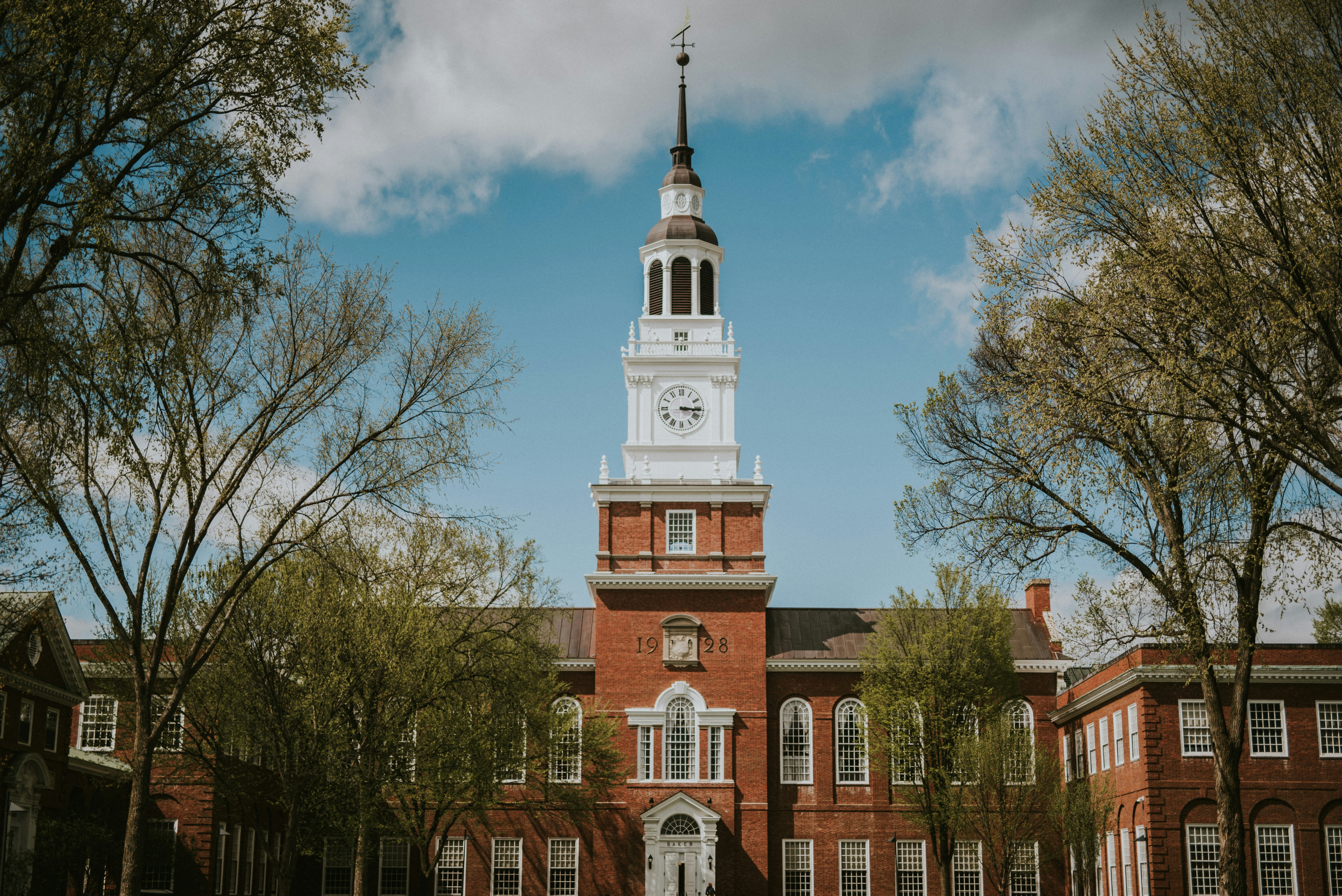



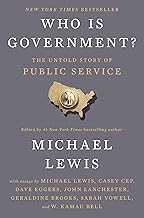




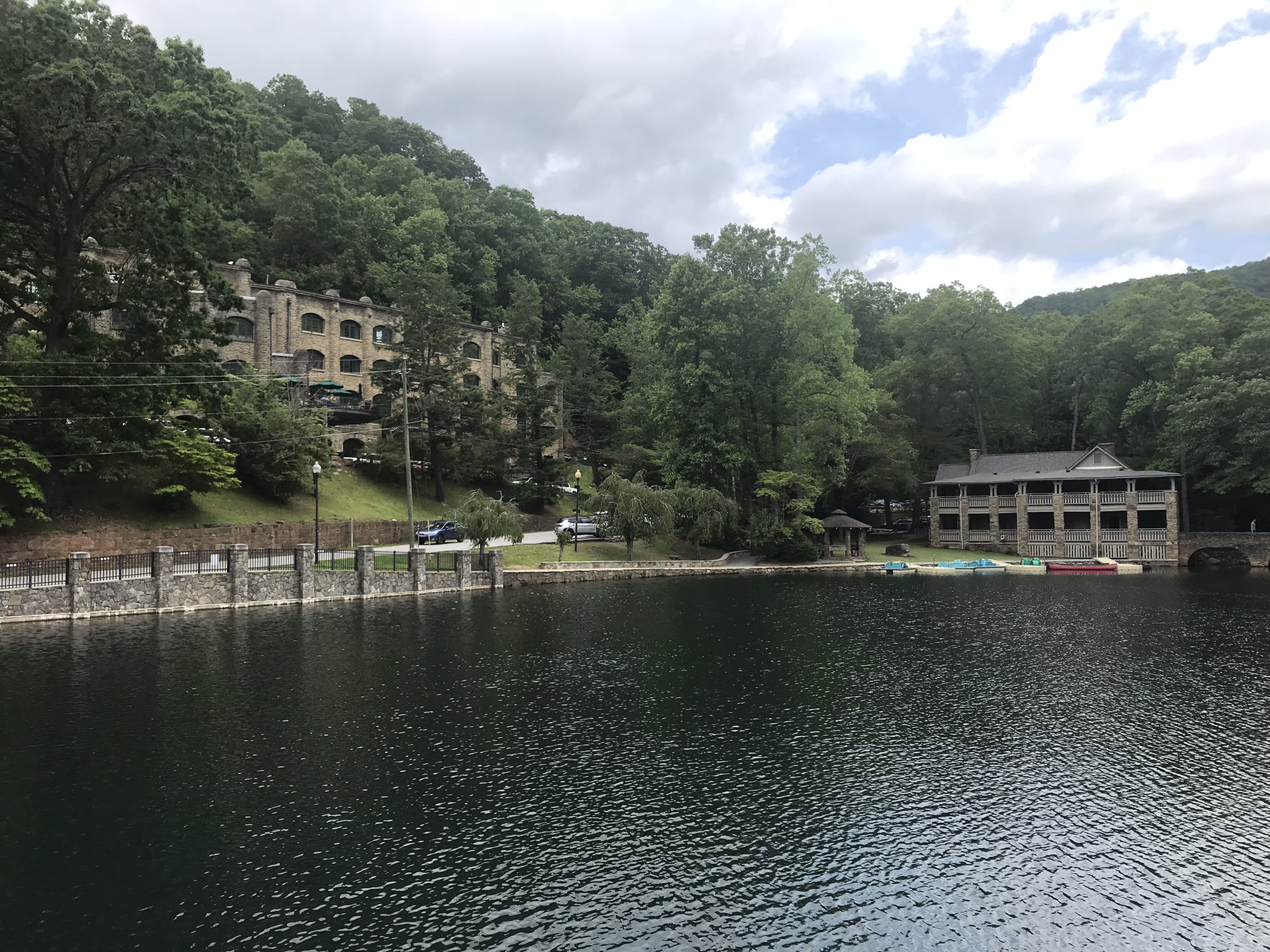
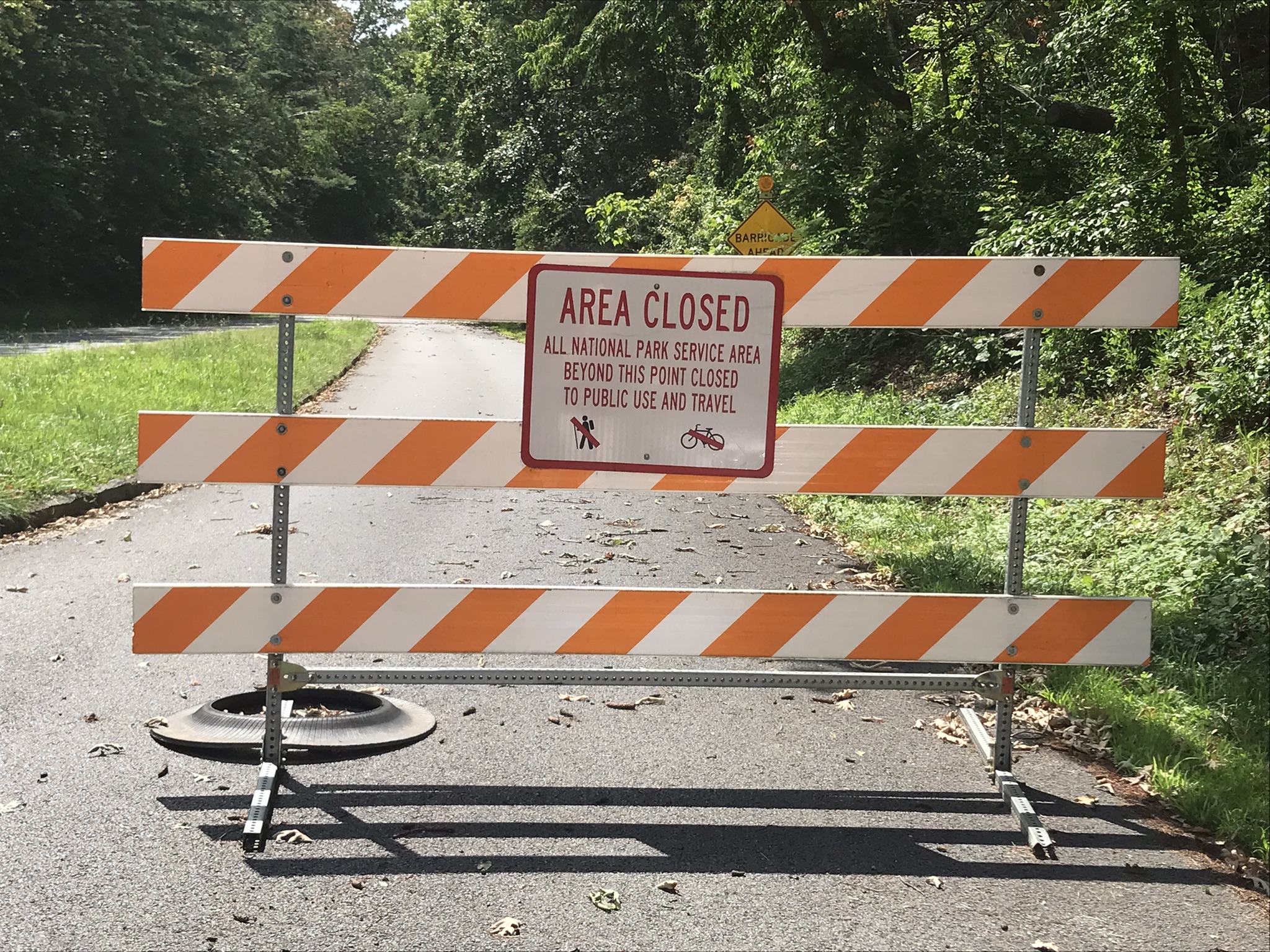


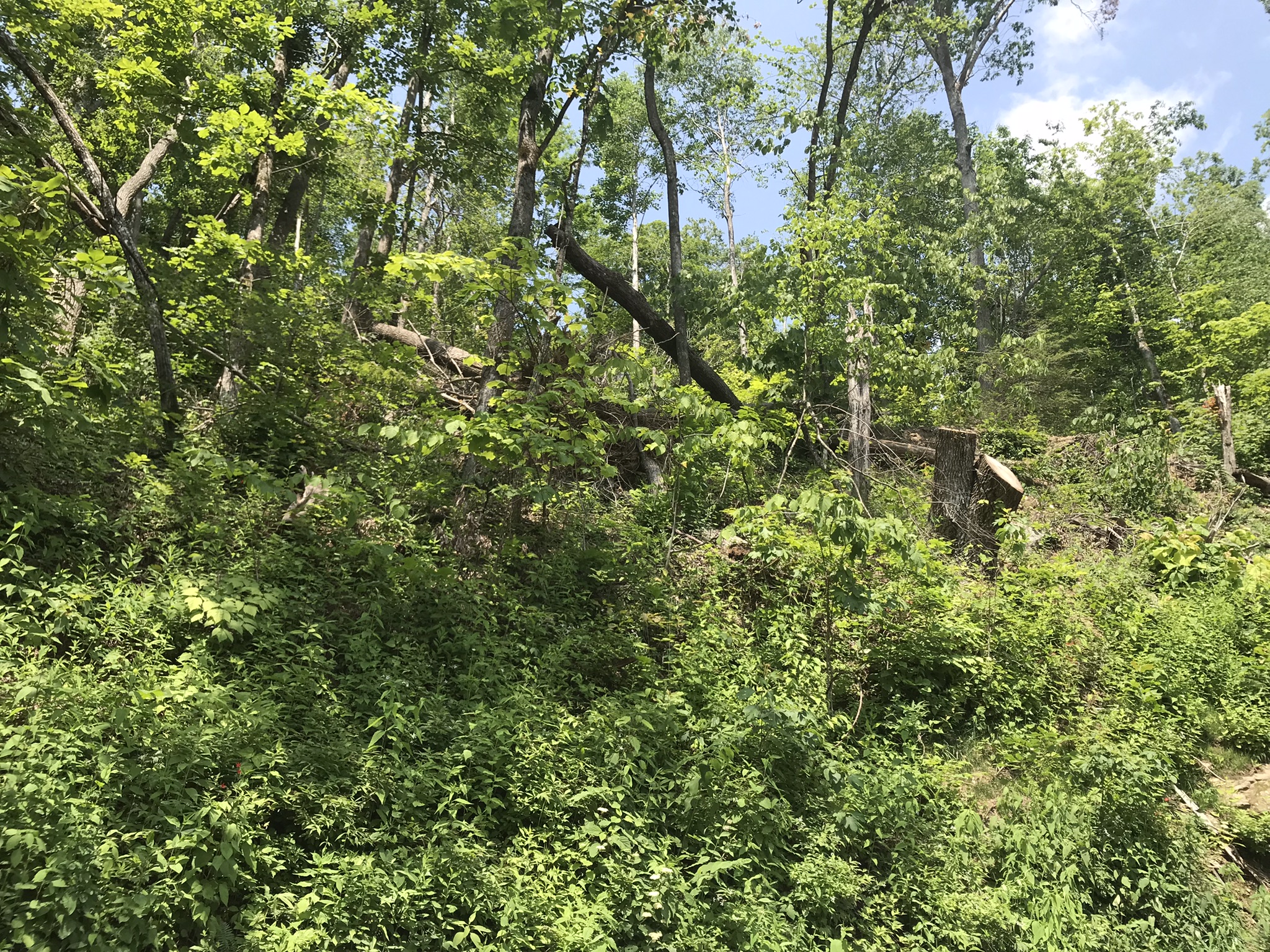
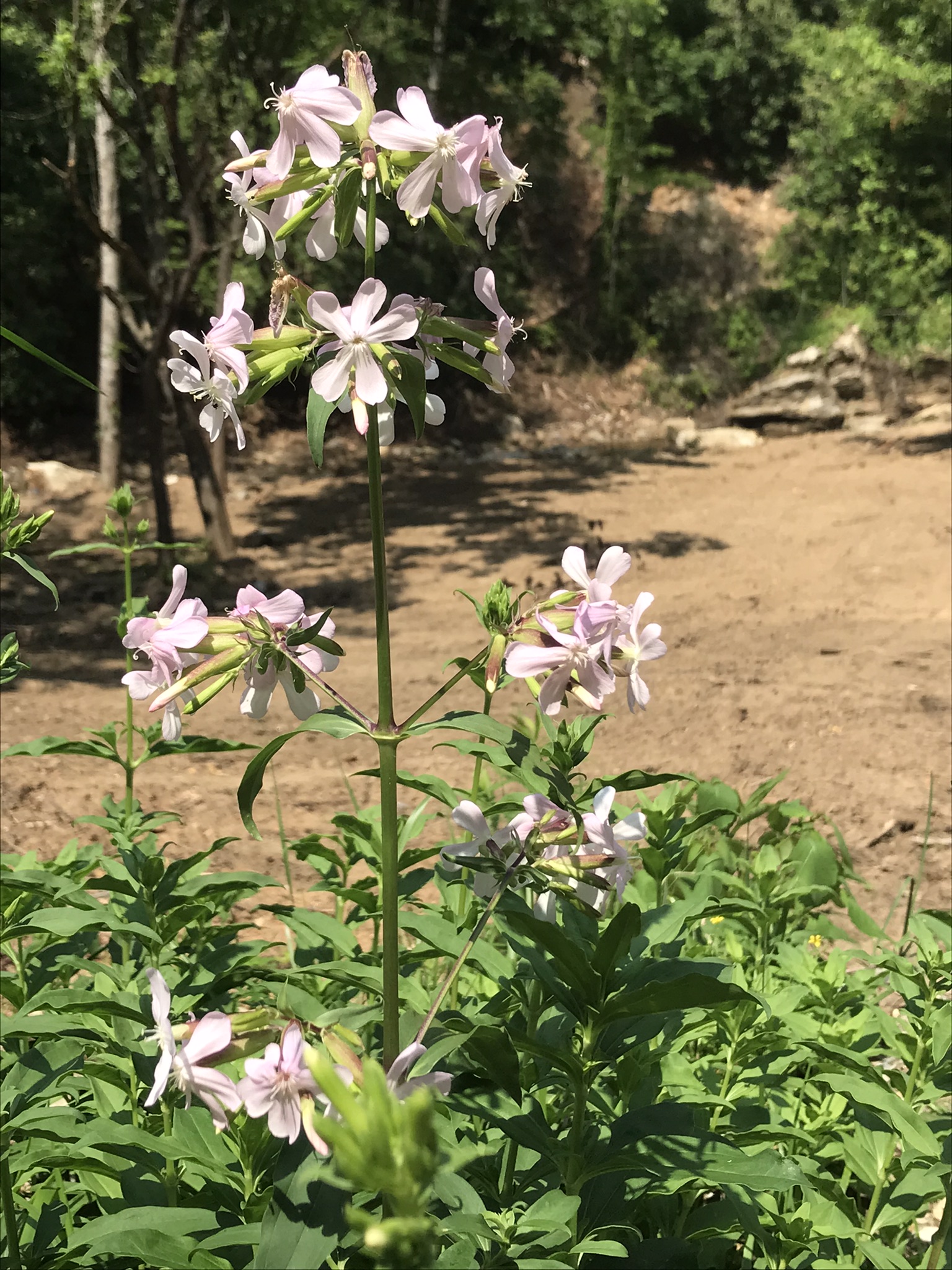


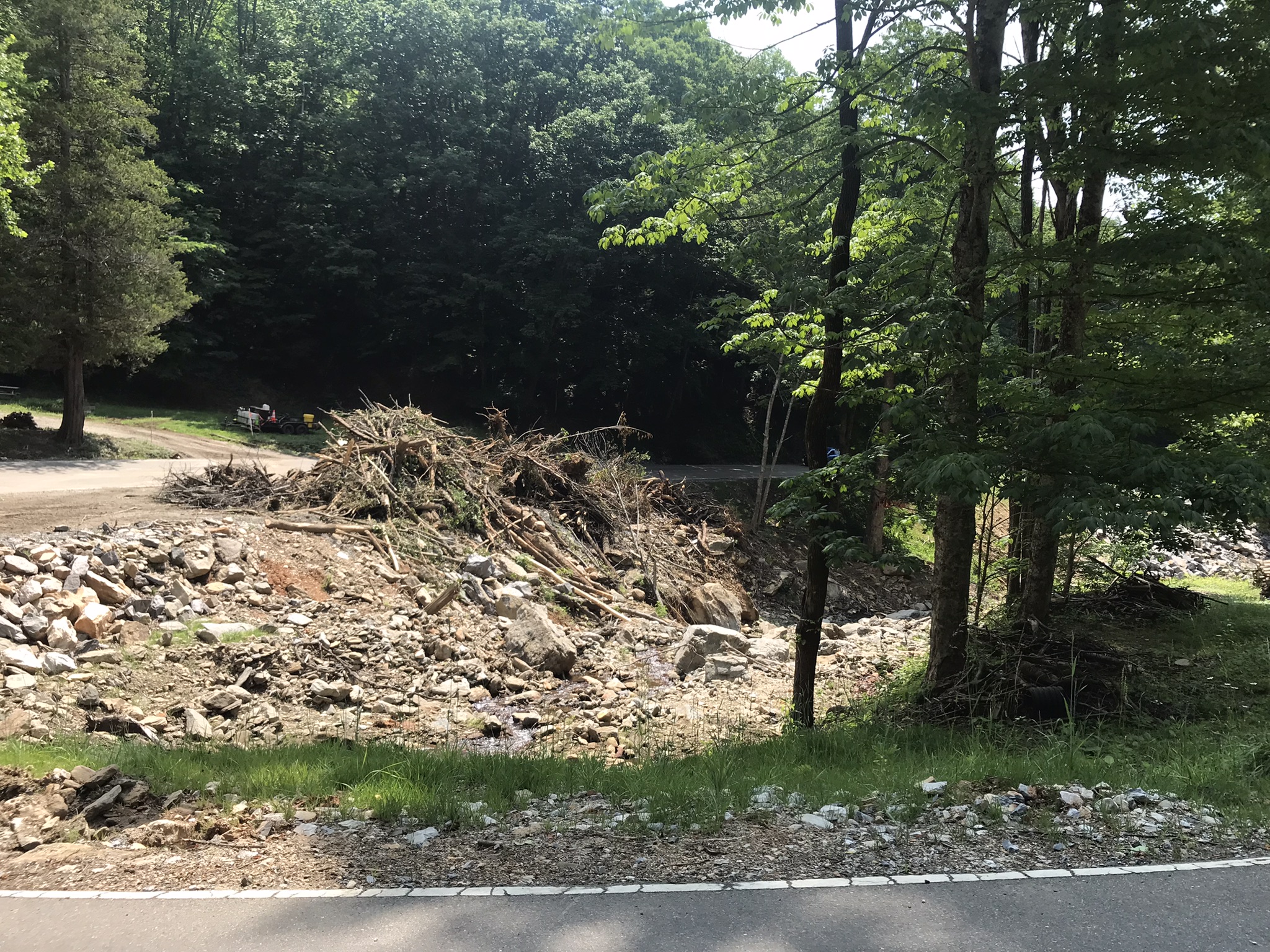

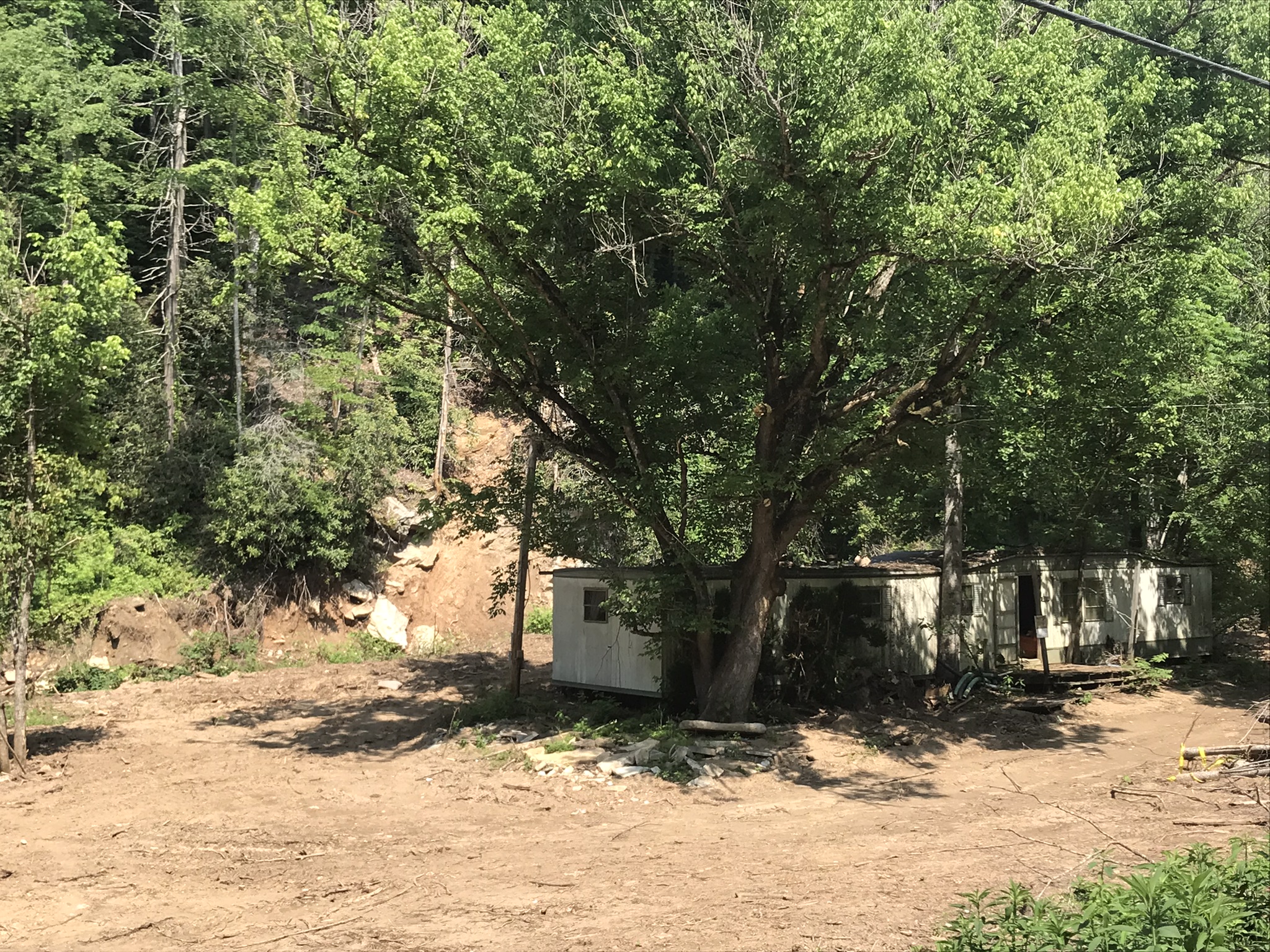
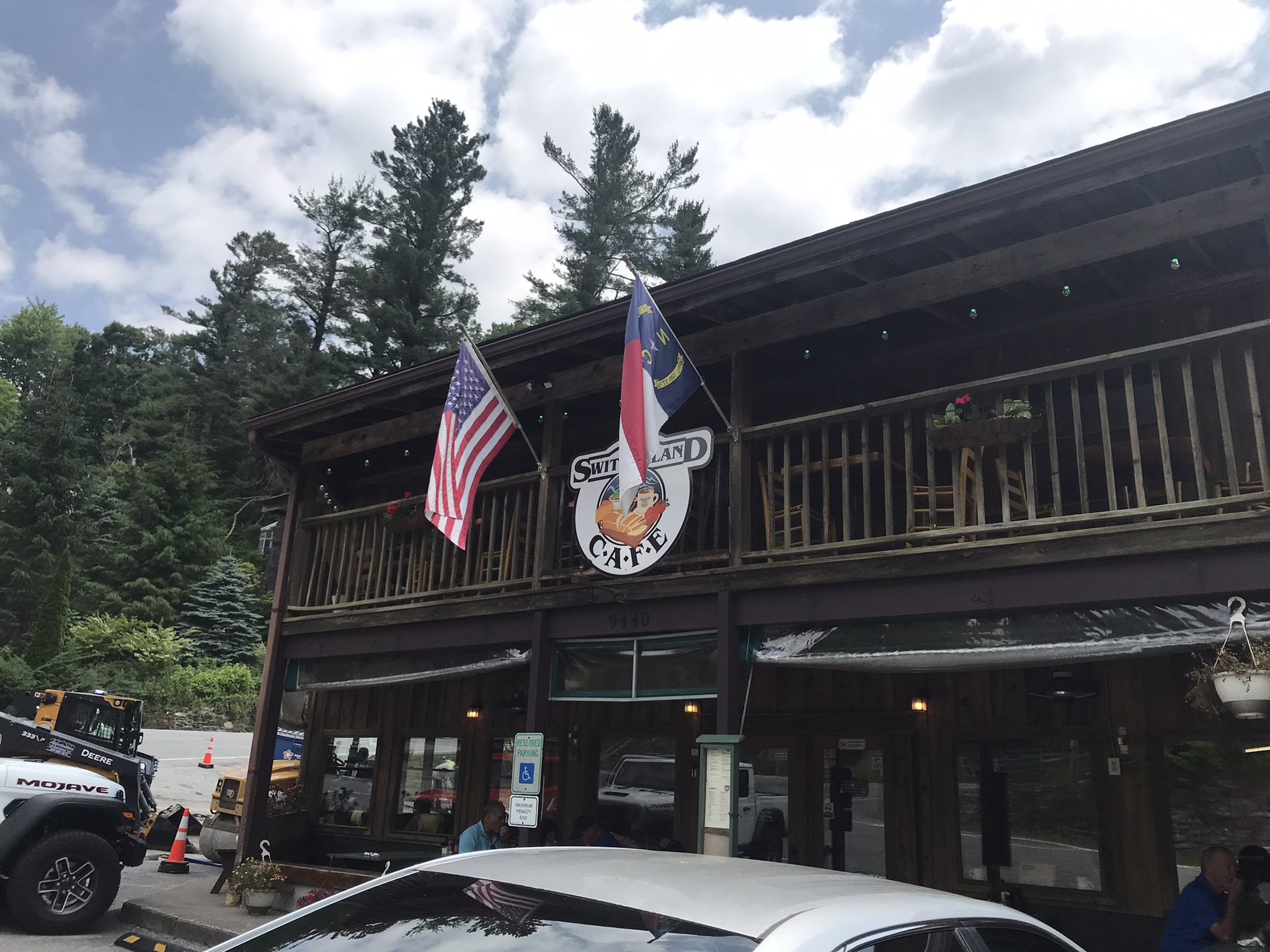

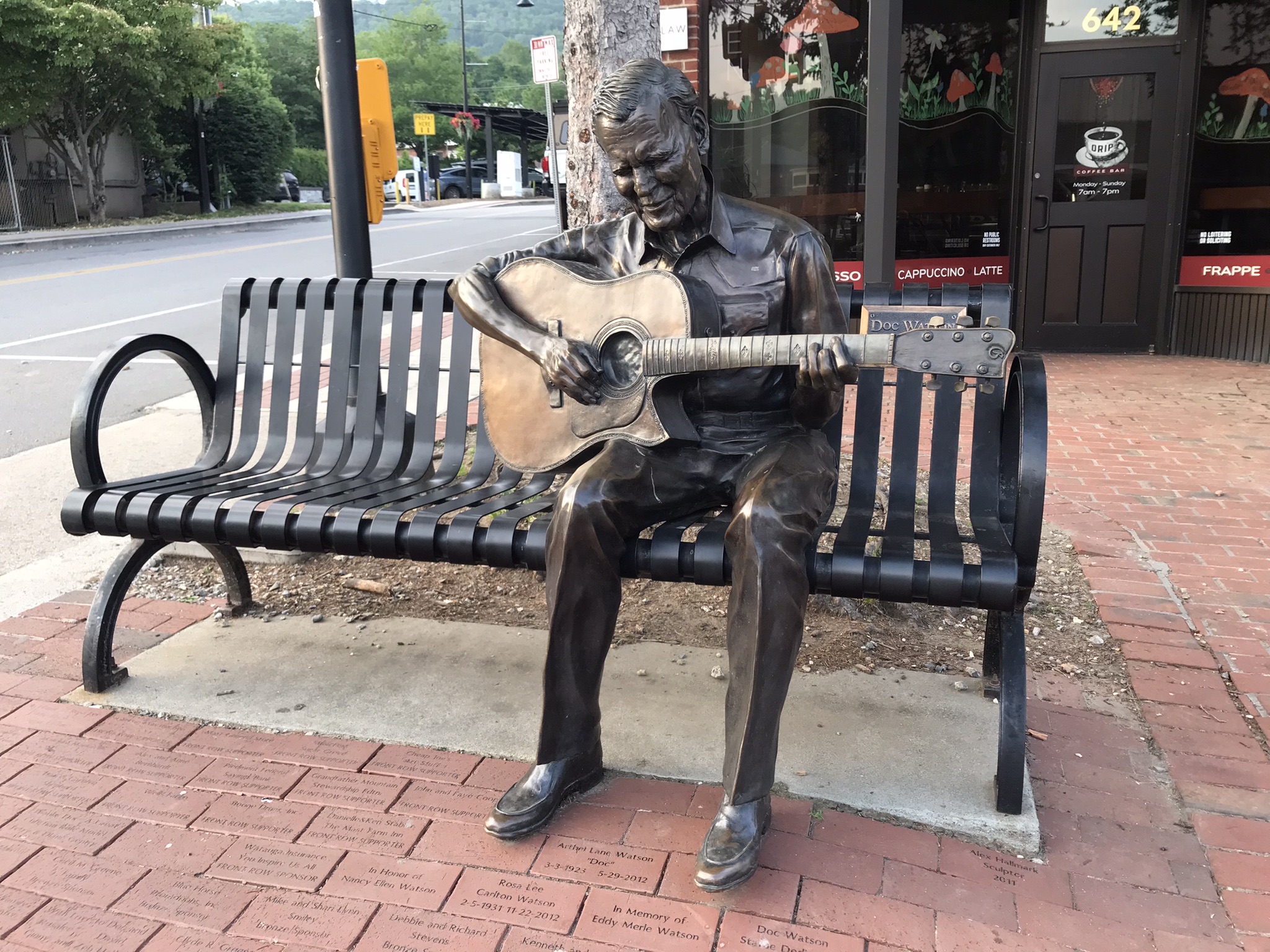


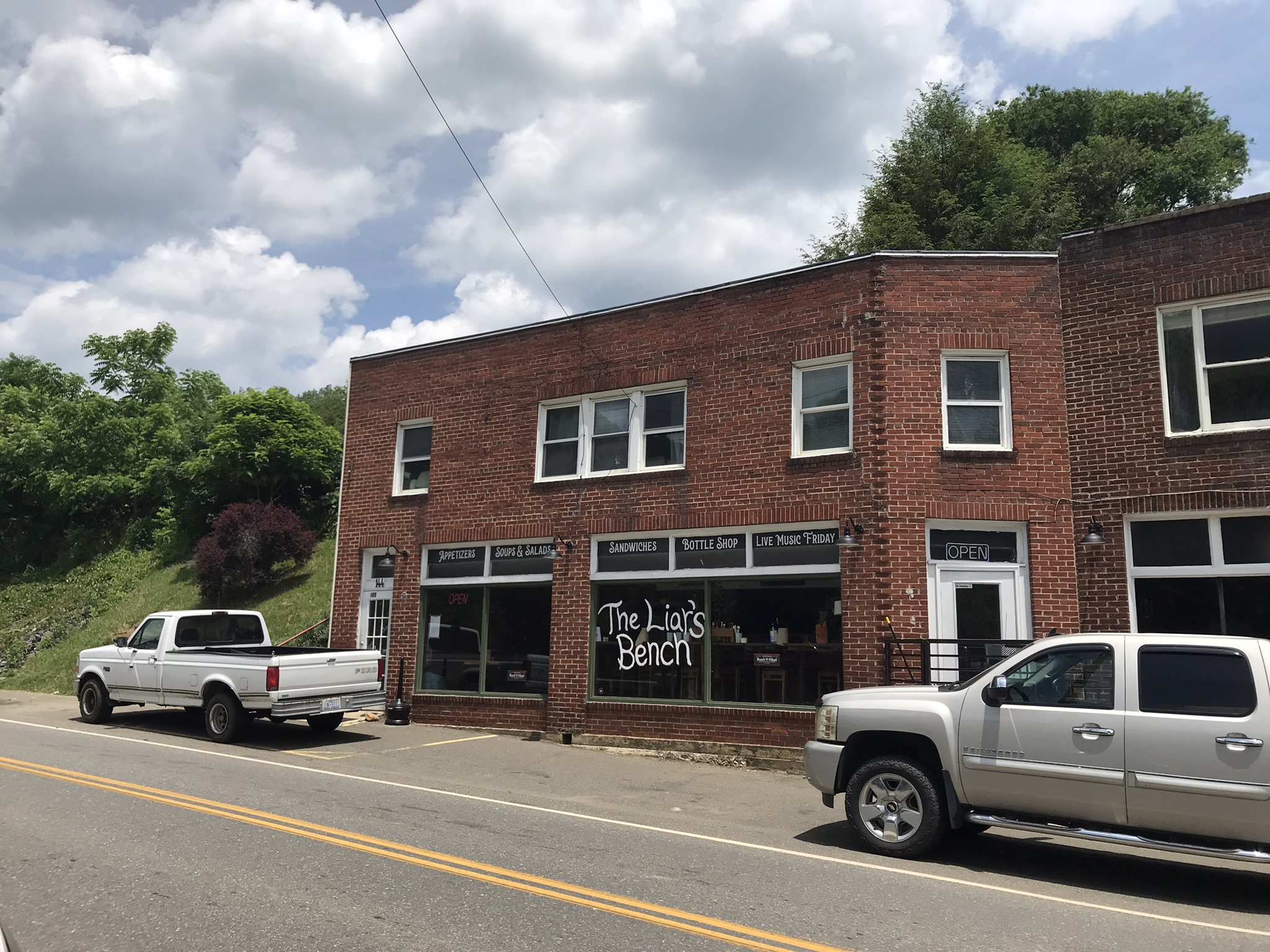





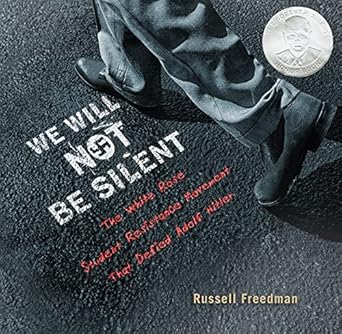

 Janet's Writing Blog