
When we think about earthquakes in the United States, our thoughts usually jump to California, but 140 years ago today Charleston, South Carolina experienced a powerful one.
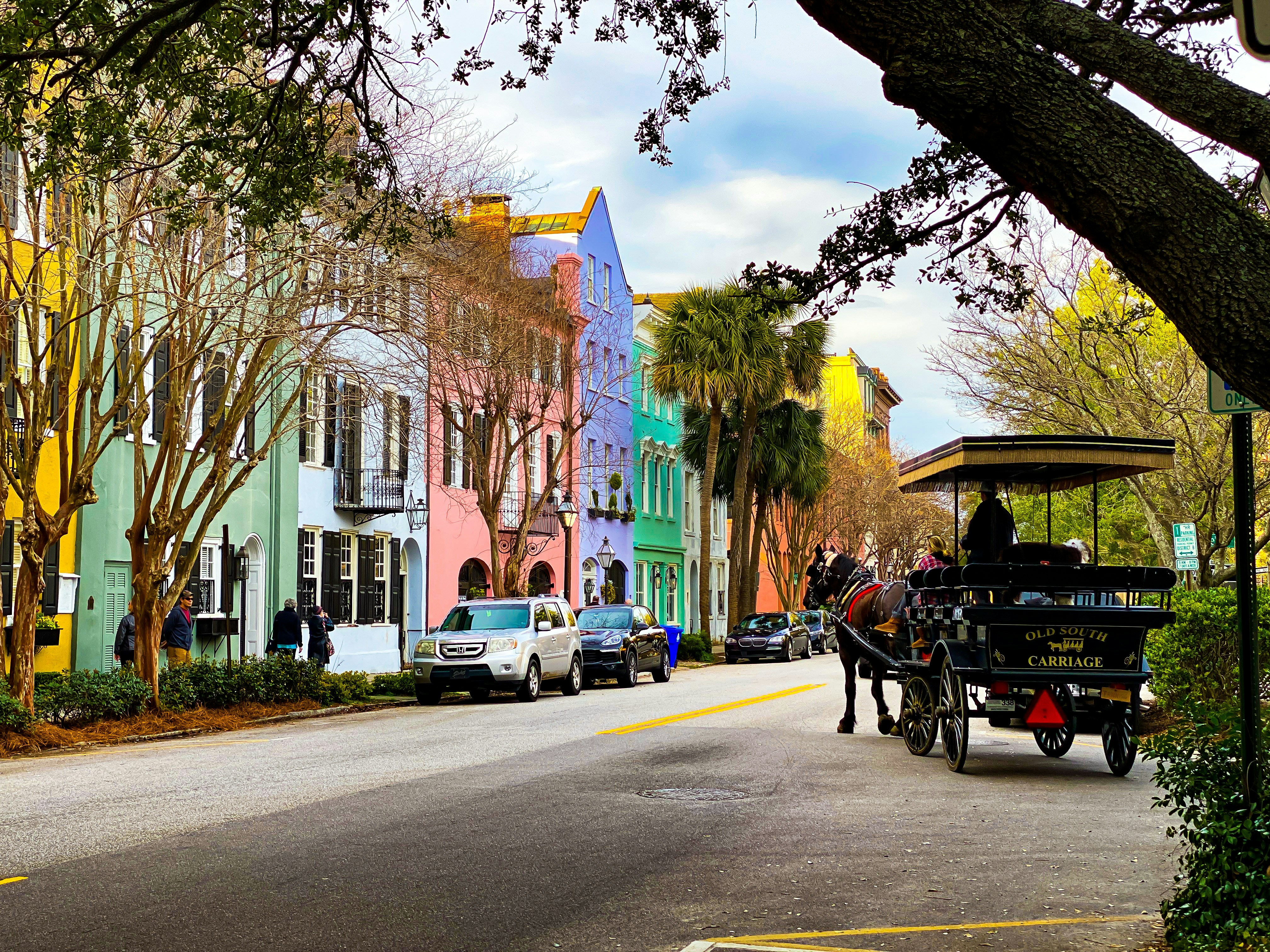
The Charleston Earthquake predated the Richter Scale, but it is estimated now that it was probably a magnitude 6.9 to 7.3. It was felt as far north as Boston, as far west as New Orleans, as far south as Cuba, and as far east as Bermuda.
It was felt here in the southern piedmont of North Carolina, so I wrote about it in 2010 when I was writing a local history column for a newspaper. Therefore, my two-part newspaper series about “Earthquakes Felt Here” is included in my book, Harrisburg, Did You Know? Cabarrus History, Book 2.
Sand and water spewed from fissures in the ground approximately 12 miles west of Charleston, and it is believed that the earthquake was most intense in that area. The sound was compared to that of steam escaping from a boiler. The term for that is soil liquefaction.
Reading that was the first time I remembered hearing about that possible result of an earthquake.
The Times, a newspaper in Concord, North Carolina, reported that the first shock at 9:52 pm toppled chimneys and kerosene lamps in homes. That three-and-a-half-minute shock caused houses to crack and sway.
A second shock came fifteen minutes later, and a third one came about fifteen minutes later. Aftershocks were felt here in Cabarrus County, North Carolina (200 miles northwest of Charleston) through at least September 5.
Other topics in Harrisburg, Did You Know? Cabarrus History, Book 2 include the following: an 1849 meteorite, the 22-mile ring dike Harrisburg sits in, the building of the Rocky River Presbyterian Church’s fourth sanctuary in 1861, baseball, the Piedmont Area Development Association, the incorporation of Harrisburg in 1973, the Sauline Players, bridges built over Rocky River in the 1870s, Rocky River Academy, an attempted train robbery in 1907, a tribute to George L. Govan, a year without a summer (1816), gristmills, early schools, the push to get electricity in 1928, the coming of the “high-speed” rail in 2012, and the Pioneer Mills goldmining community.
Harrisburg, Did You Know? Cabarrus History, Book 2 is available at Second Look Books in Harrisburg, NC and also on Amazon at https://www.amazon.com/Harrisburg-Did-You-Know-Cabarrus-ebook/dp/B0BXBQ1F79/ for the e-book and https://www.amazon.com/Harrisburg-Did-You-Know-Cabarrus/dp/B0BW2QMLHC/ for the paperback.

Janet
All history is local, but no history is just local
Note: I failed to include the following information in my original post: There were at least 60 deaths. Approximately 2,000 buildings were severely damaged and most of the chimneys in Charleston and the Summerville area were toppled. Damages were estimated at more than $5 million at the time of the earthquake, which would be around $200 million in today’s dollars.


