A rare author event

The title of today’s blog post might be misleading. I am not writing about rare authors but rather a rare event for this author.

I could look back through prior years’ records to determine when my last author event was, but let it suffice to say it has been quite a while.

I was delighted to participate in a “Local Author Showcase” at Thornwell Books in Morganton, North Carolina this past Saturday! Being a fan and cheerleaders for independent bookstores, I jumped at the chance to be included in this third annual event at Thornwell Books.

Ad for Third Annual Local Author Showcase at Thornwell Books, Morganton, NC

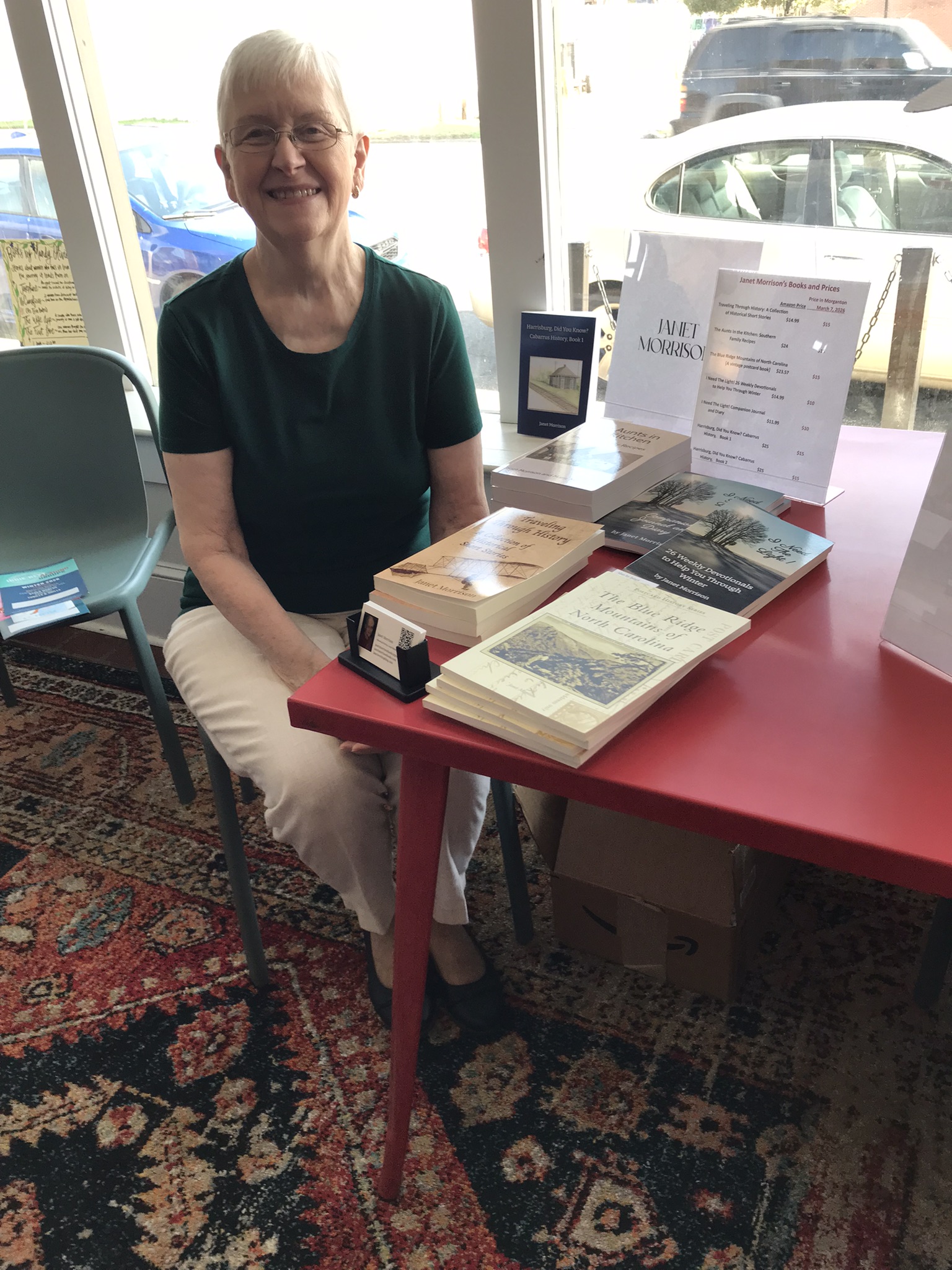
I had contacted Thornwell Books last year when I published my devotional book and its companion journal. I contacted the store’s owner again in November 2025, when I published Traveling Through History: A Collection of Historical Short Stories. I did not know if the store had any of my books in stock, but I thought it wise to participate on Saturday and meet Ashley Ewing, Thornwell’s Bookseller and Socia Media & Events Coordinator.

Thornwell Books was on my list of bookstores to visit the next time I got to travel in the Hickory to Asheville area, but I had not made it there yet. Even though I am not technically “local” to Morganton, I was invited to take part in the bookstore’s three-hour event last Saturday.

It turned out there were 11 authors there from all over North Carolina and one from Columbia, South Carolina, so I was not the only one who traveled 100 miles or so to the event.

Janet and her half-table display space at Local Author Showcase March 7, 2026, at Thornwell Books, Morganton, NC

It was fun to get acquainted with other writers from the region and see what they writer. There were several children’s books authors, a fantasy author, an author of LGBTQ romance, a couple of self-help/inspirational authors, two non-fiction history authors, and the founder of the Spoken Word Society in Mt. Airy, North Carolina. If Mt. Airy sounds familiar, that’s because it is the hometown of Andy Griffin, one of North Carolina’s favorite sons.

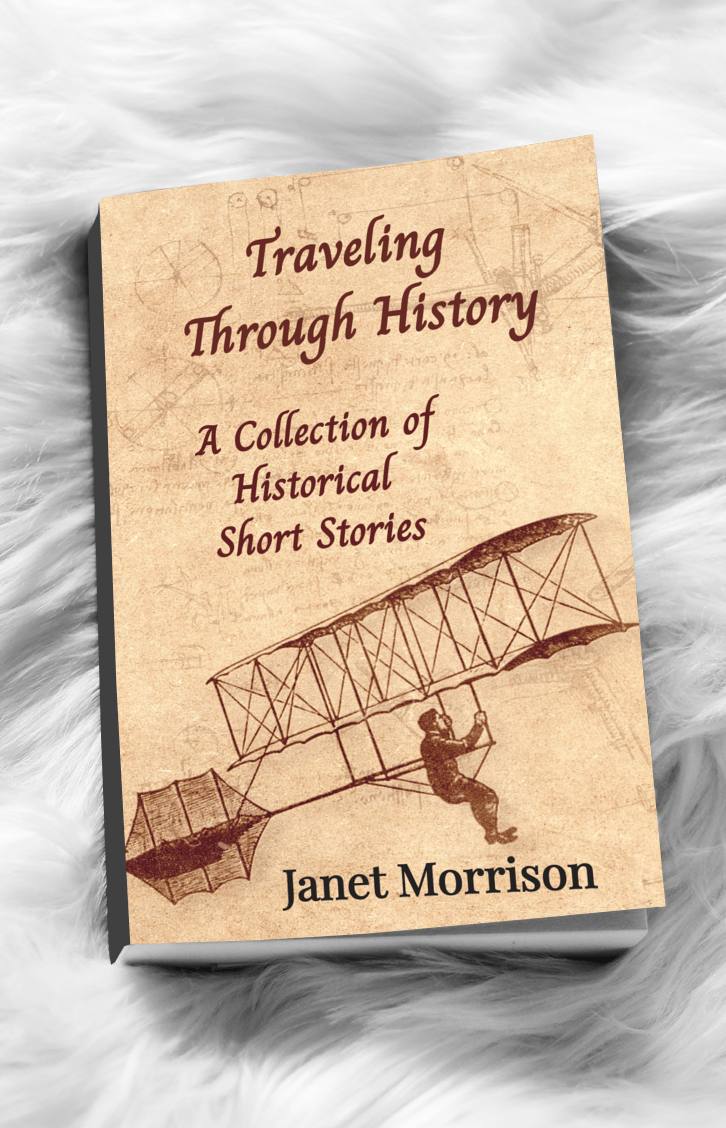
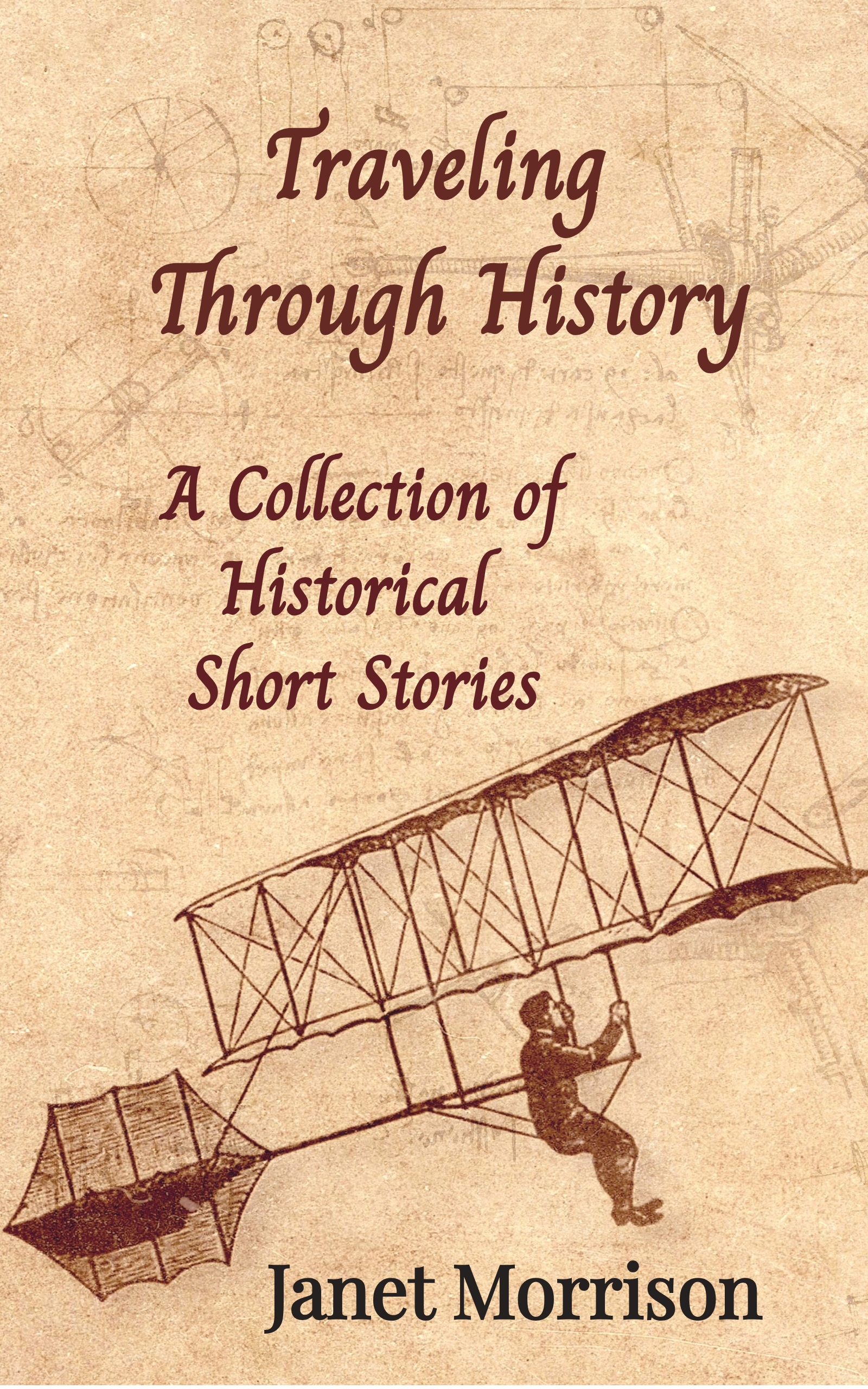
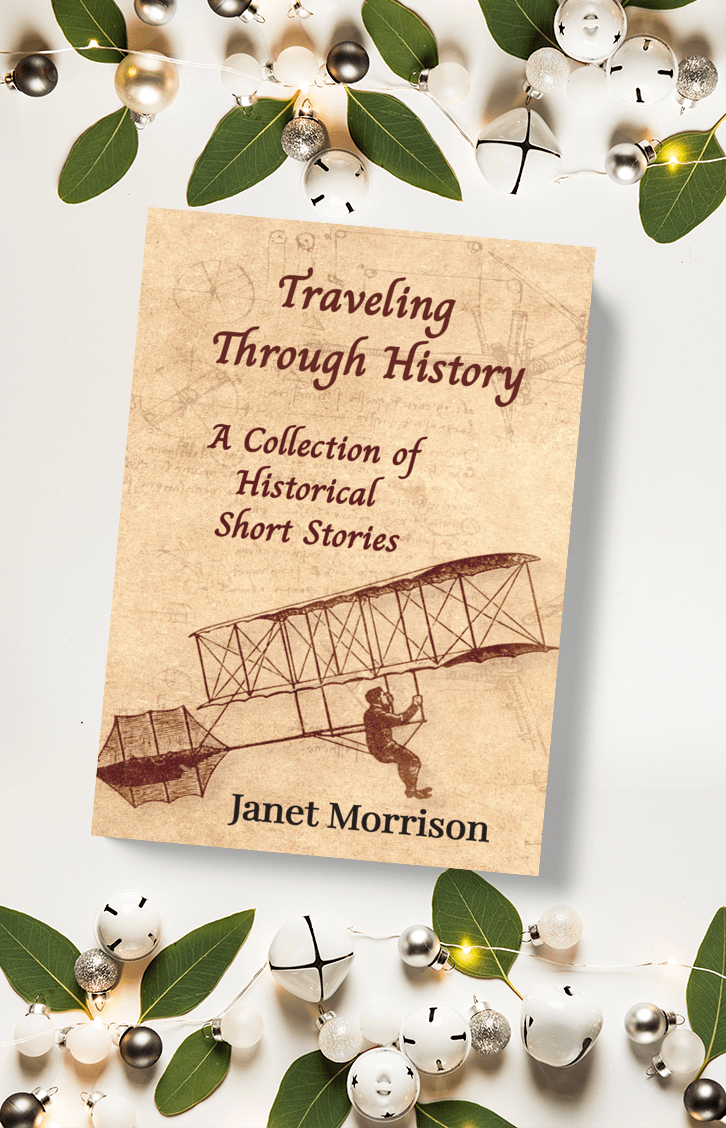
Photo of the front cover of Traveling Through History: A Collection of Historical Short Stories, by Janet Morrison
Traveling Through History: A Collection of Historical Short Stories, by Janet Morrison

Two or three of the authors made more sales than the rest of us. I only sold one copy of Traveling Through History: A Collection of Historical Short Stories, but I knew going in that it might not be a lucrative financial venture. You just never know how author events will be received, and it was a beautiful and uncommonly warm late winter day that felt more like late April or May. It was more of a networking opportunity.

It was interesting to see how other authors displayed their books, and during slow times we had the opportunity to commiserate about the pitfalls of being a writer such as looking for publishers, the various routes to self-publishing, and how different writers structure (or don’t structure) their writing time. Some of us are outliners and others are “pantsers.” (Pantsers write by the seat of their pants, with no idea where their book’s plot is going. Yikes!)

Thornwell Books

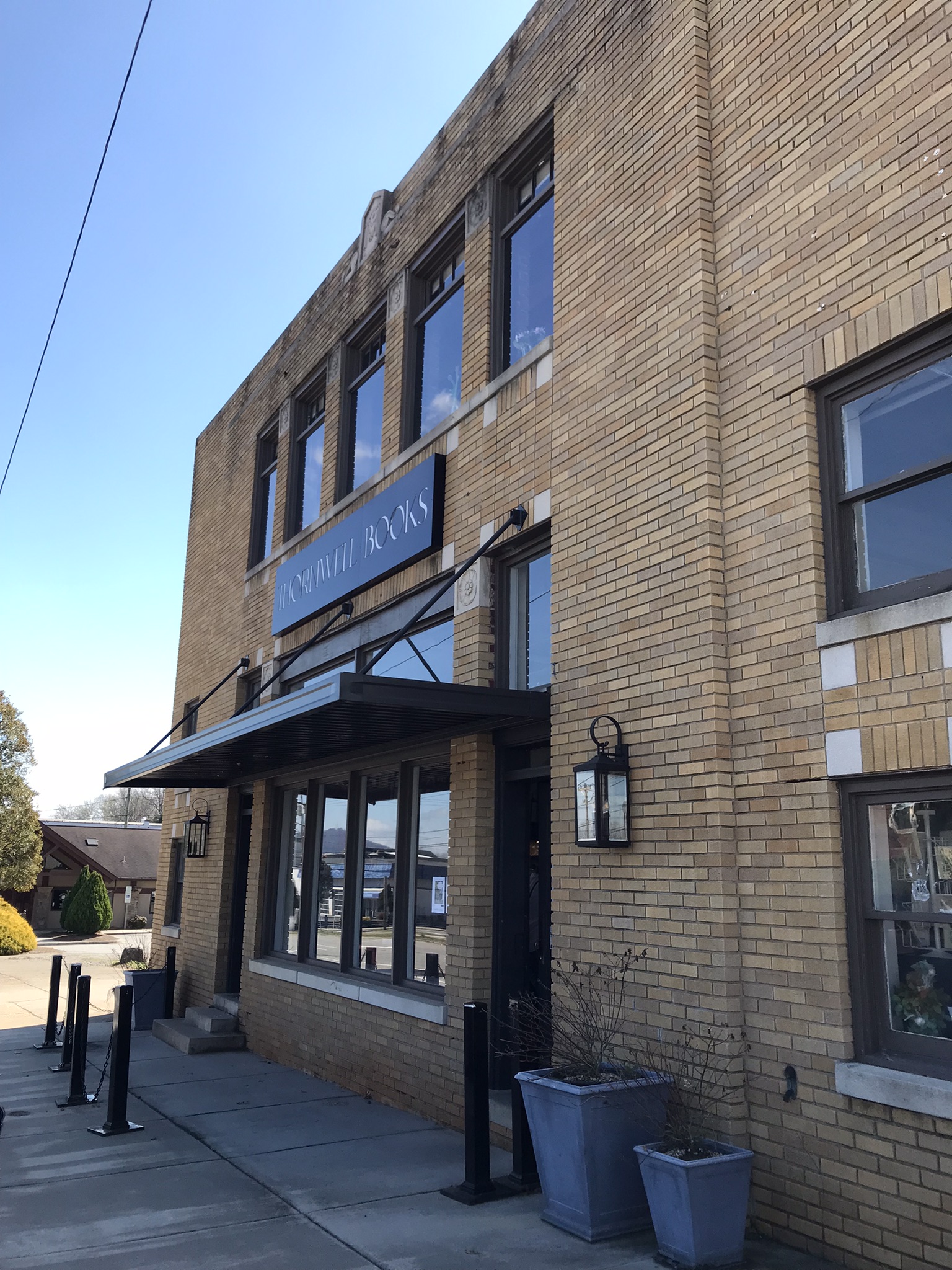
Front entrance to Thornwell Books

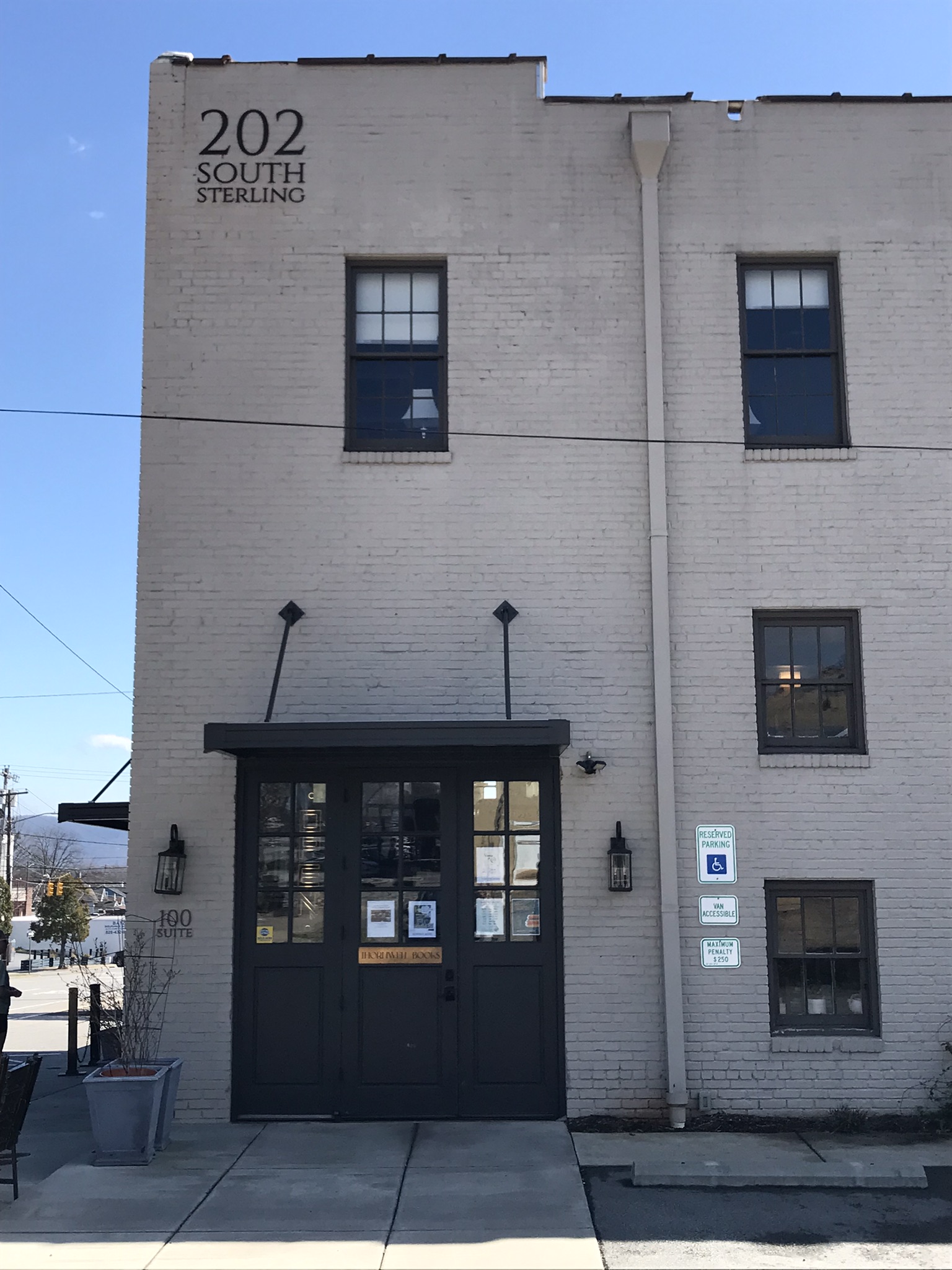
Thornwell Books is located at 202 S. Sterling Street in Morganton, NC. Morganton is the county seat of a very old county (Burke) in the foothills of the Blue Ridge Mountains, some 60 miles east of Asheville and sits along I-40. The population is around 18,000.

Side entrance to Thornwell Books

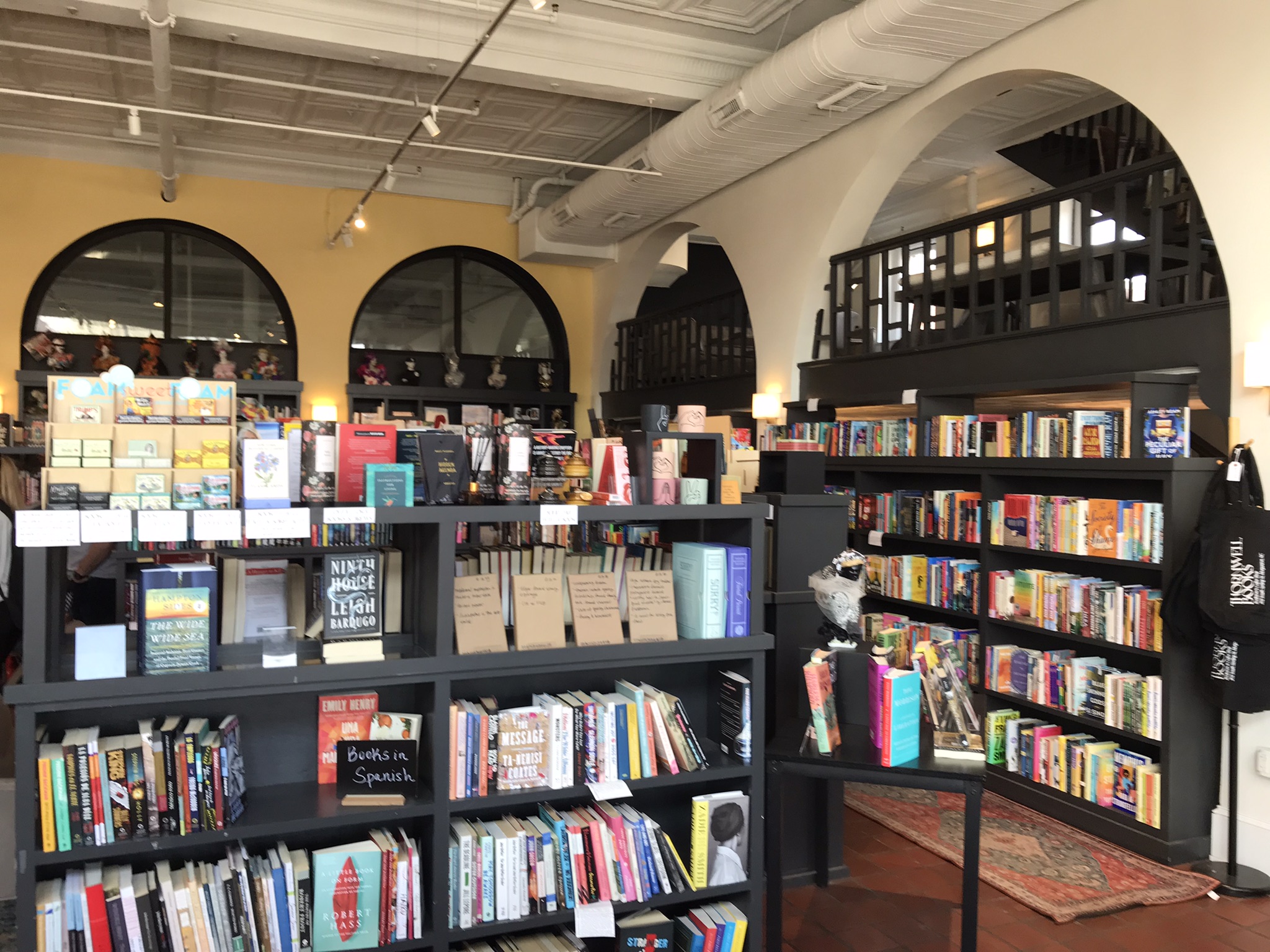
The bookstore is in a former Ford car dealership. The architecture is unique and quite interesting. The shop includes a coffee and pastry bar. There are numerous tables in the second-floor loft to accommodate students wanting a place to work on their laptops and study. That area was extremely busy on Saturday, as was the coffee shop. Many locals popped in to get a coffee and buy a newspaper.

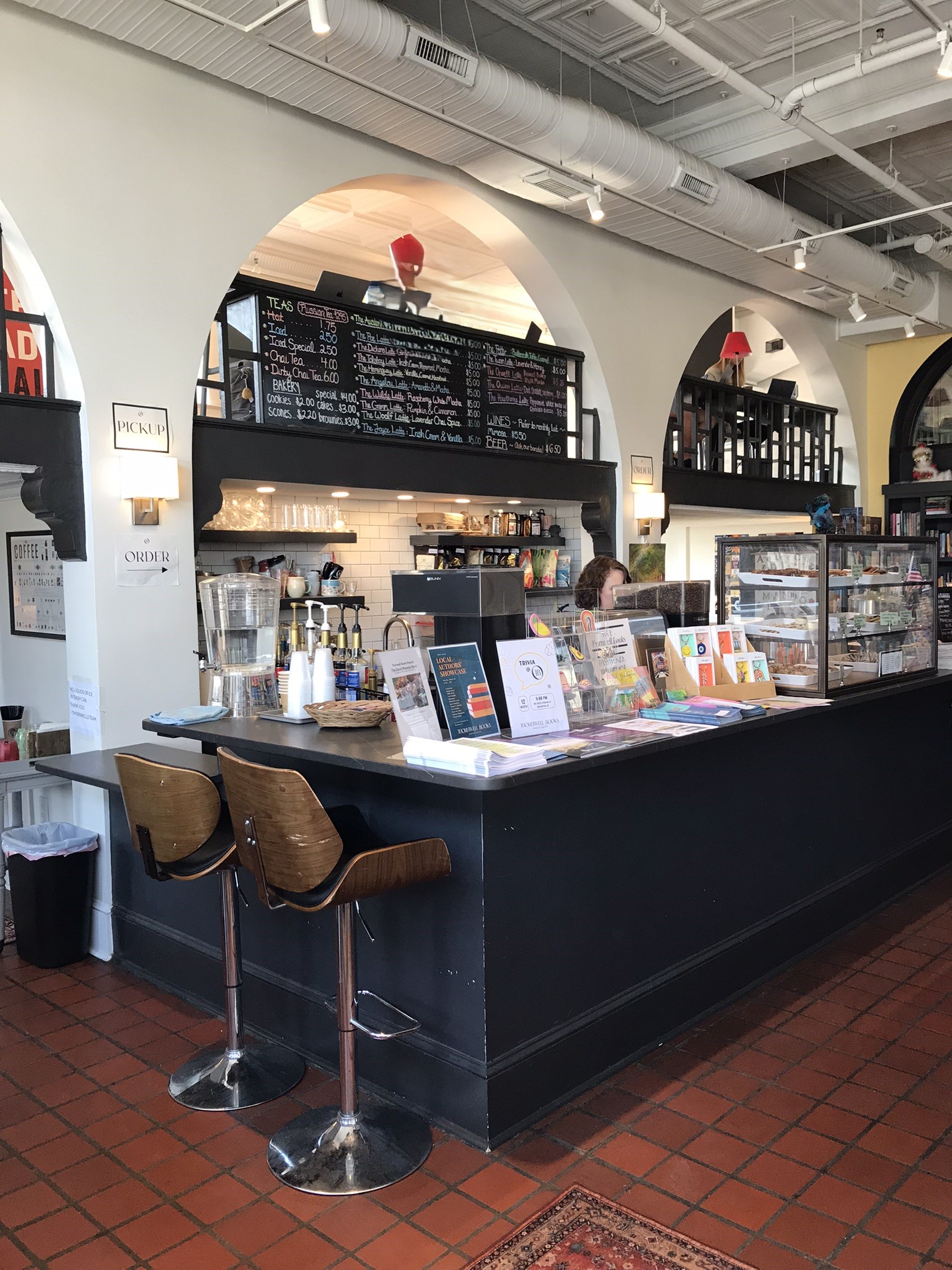
Coffee Bar at Thornwell Books and view of part of the reading and study loft

It is the kind of independent bookstore that every town needs. It’s a shame there are so few independent bookstores in existence.

Morganton, North Carolina

If you are ever in Morganton or simply passing through on I-40 on your way to somewhere else, take time to get off the busy interstate and drive into the town. Sterling Street is one of the main streets in the town and easy to find. Thornwell Books is just a couple of blocks from the old courthouse. There is on-street parking and parking on both sides of the store.

There is a downtown shopping district, an old courthouse to drive around in the center of town which features a wonderful statue of the late U.S. Senator Sam Ervin who was born and lived there, a local history museum, Western Piedmont Community College, a building that houses branches of several colleges including Appalachian State University, the North Carolina School for the Deaf, and a state-operated mental hospital.

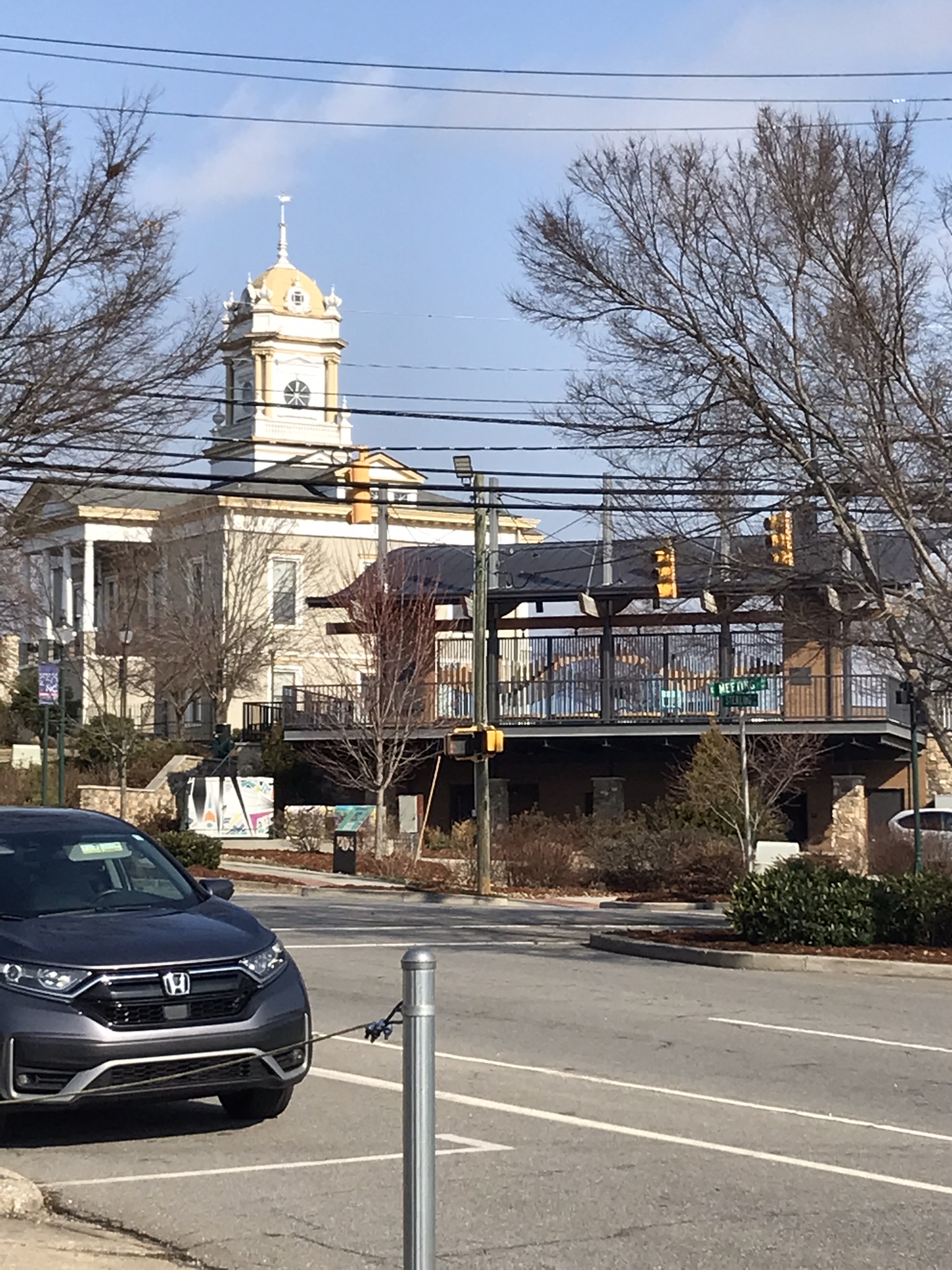
Burke County Old Courthouse, Morganton, NC, as seen from Thornwell Books

The City of Morganton Municipal Center for the Arts (COMMA) is a beautiful facility that hosts various performances. “The Jazz Legacy Project – Billie Holiday: God Bless the Child” is scheduled for April 17, and the website says the tickets are selling fast. It sounds like a delightful event!

Big cities tend to look down their noses at small cities like Morganton but, as you can see, many of them offer wonderful cultural opportunities and great independent bookstore!

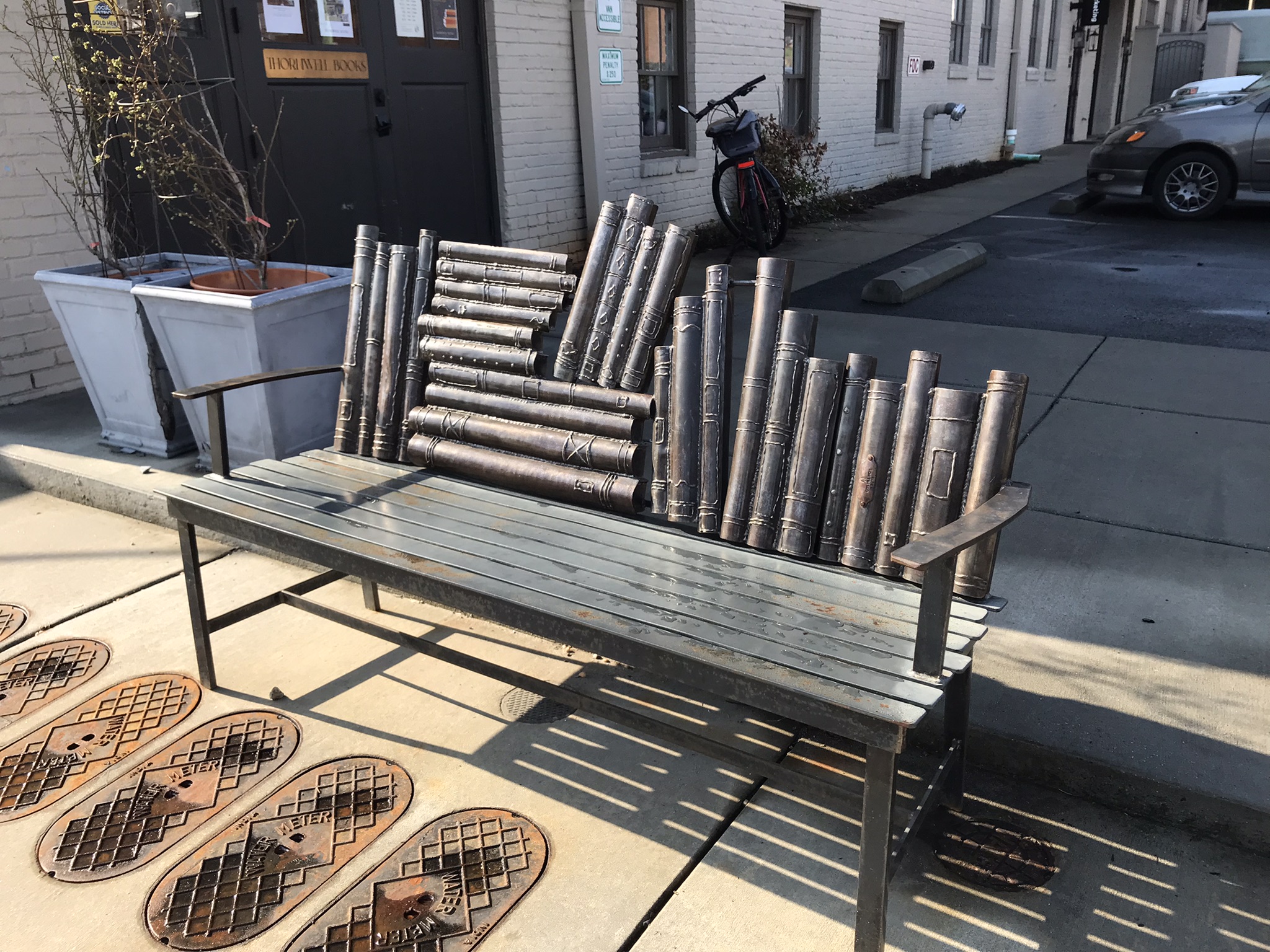
Interesting bench outside Thornwell Books

Meanwhile…

The war in the Middle East rages on as attacks spread throughout the region. A committee in Iran selected a new Ayatollah this weekend – the 56-year-old son of the one killed in the war the previous weekend. The bodies of the first six U.S. military personnel killed in the war were returned to Dover Air Force Base in Delaware on Saturday. A seventh U.S. military service person died this weekend from injuries sustained on Iran’s attack on Saudi Arabia on March 1. Russia is reportedly giving intelligence information about the U.S. military to Iran. Ukraine is going to help the United States with drone expertise.

Our European allies continue to watch and wait without making any commitments, except for Germany and Italy. And who can blame them? This is Trump and Netanyahu’s war of choice.

As more countries get dragged into the war to various degrees, it remains a dangerous situation without a clear path to an end.

Janet

The government should be afraid of its citizens, not the other way around.

“If This House Could Talk” – historical essay

Today’s blog post is about the last story in my new book, Traveling Through History: A Collection of Historical Short Stories.

Traveling Through History: A Collection of Historical Short Stories, by Janet Morrison

The house

Actually, “If This House Could Talk” is more of an essay than a short story. It is written from the viewpoint of an old abandoned one-and-a-half-story wooden farmhouse that I saw a thousand times in my life.

That house fascinated me because it did not face the main road. It faced a dirt driveway that led to a couple of other houses. Often, when we would pass it, my father would point and say, “the old Snell place was over there.” I didn’t know any Snells and, as a child, did not care that they once “lived over there.”

It was only after I was an adult and discovered the 1777 estate papers of my Morrison 4th-great-grandparents that I discovered that Francis Snell taught my 3rd-great-grandfather in the 1770s. By then, I had also met a descendant of Mr. Snell’s who lived in Ohio.

Why is it that you don’t know what questions to ask your parents until after they are gone? But I digress.

The essay/story

“If This House Could Talk” is set in the 1970s, a few years before the house at the center of this essay was demolished. After doing some genealogical and Civil War research, I discovered some incredible things about the family that occupied that house in the mid-1800s.

I did not know the history of the house until I was researching the 72 men and boys from Rocky River Presbyterian Church in Cabarrus County, North Carolina, who were killed or died of disease during the Civil War.

“If This House Could Talk” gives that house an opportunity to tell us what it witnessed during that time as it reminisced about a much different time more than 100 years earlier. There were happy times and sad times for the family that house sheltered when it was young.

What kind of memories is your home making, in case a writer decides to let it talk years from now?

Links to the blog posts about the other 12 stories

I hope you have enjoyed reading about each of the stories in Traveling Through History: A Collection of Historical Short Stories over the last several months in my blog. If you like my book or know someone who might, tell them that they can get a print or electronic copy on Amazon or a print copy at Second Look Books in Harrisburg, NC.

In case you missed any of the 12 earlier blog posts about the stories in my book, here are the links: “The Tailor’s Shears” – Historical Short Story; “You Couldn’t Help But Like Bob” — historical short story; “To Run or Not to Run” – historical short story; “Making the Best of a Tragedy” – historical short story; “From Scotland to America” – historical short story; “Whom Can We Trust?” – historical short story; “Go fight, Johnny!” – historical short story; “A Letter from Sharpsburg” – historical fiction; “Slip Sliding Away” – historical short story; “Plott Hound Called Buddy” – historical short story; “Secrets of a Foster Child” – historical short story; and “Ghost of the Battle of Guilford Courthouse” – historical ghost story.

Update on Hurricane Helene recovery in North Carolina

As we get further away from September 2024’s Hurricane Helene, it is easy to forget how long it takes for a place and a people to recover from a natural disaster of such proportions. I have little new to report since my last update on February 2.

Hurricane Helene has dropped from the news cycles even here in North Carolina, except for an occasional reference, but I’m still trying to shine an occasional light on the recovery on my blog.

Via Facebook I keep up with some of the things Beloved Asheville has done and continues to do since the hurricane. As of last week, Beloved Asheville delivered its 140th new home to a family who lost their home in the flood. After living in an RV for 17 months, another family finally has a home. It might just look like a mobile home to a lot of people, but it is life-changing for this family. To learn more about Beloved Asheville, go to https://www.belovedasheville.com.

Several roads remain closed in the mountains due to the record-breaking rain (upwards of 30 inches in some places) during Hurricane Helene. For example, I read that Sampson Road in Watauga County reopened a couple of weeks ago after two sections were washed out during the storm. When a road “washes out” in the mountains, it often means that the road and all the soil beneath it slid down the mountainside. It is a feat of engineering to rebuild the roadbed so the road can be reconstructed. That is one reason why recovery takes so long in the mountains.

Portions of the Blue Ridge Parkway have not reopened since Hurricane Helene. I-40 at the North Carolina-Tennessee border remains just one lane in each direction with a 35 mile-per-hour speed limit. Highway construction is hampered by snow and ice in the winter months.

The National Park Service reported: “As of February 12, 2026, many sections of the Parkway remain closed due to winter weather, though recreation is authorized at your own risk in these areas. Specific closures include a bridge rehabilitation project from milepost 63.5 to 63.9, with detours in place. Visitors should exercise caution, as ungated sections may still be accessible but are subject to emergency closures.”

There were at least 57 landslides in the 269 miles of the Blue Ridge Parkway in North Carolina. Work is ongoing and has moved into Phase 2 in which repairs to 21 landslides between milepost 318.2 and 323.4 are underway, with completion expected by fall 2026. That includes the North Toe River Valley Overlook, Chestoa View Trail, and Bear Den Overlook.

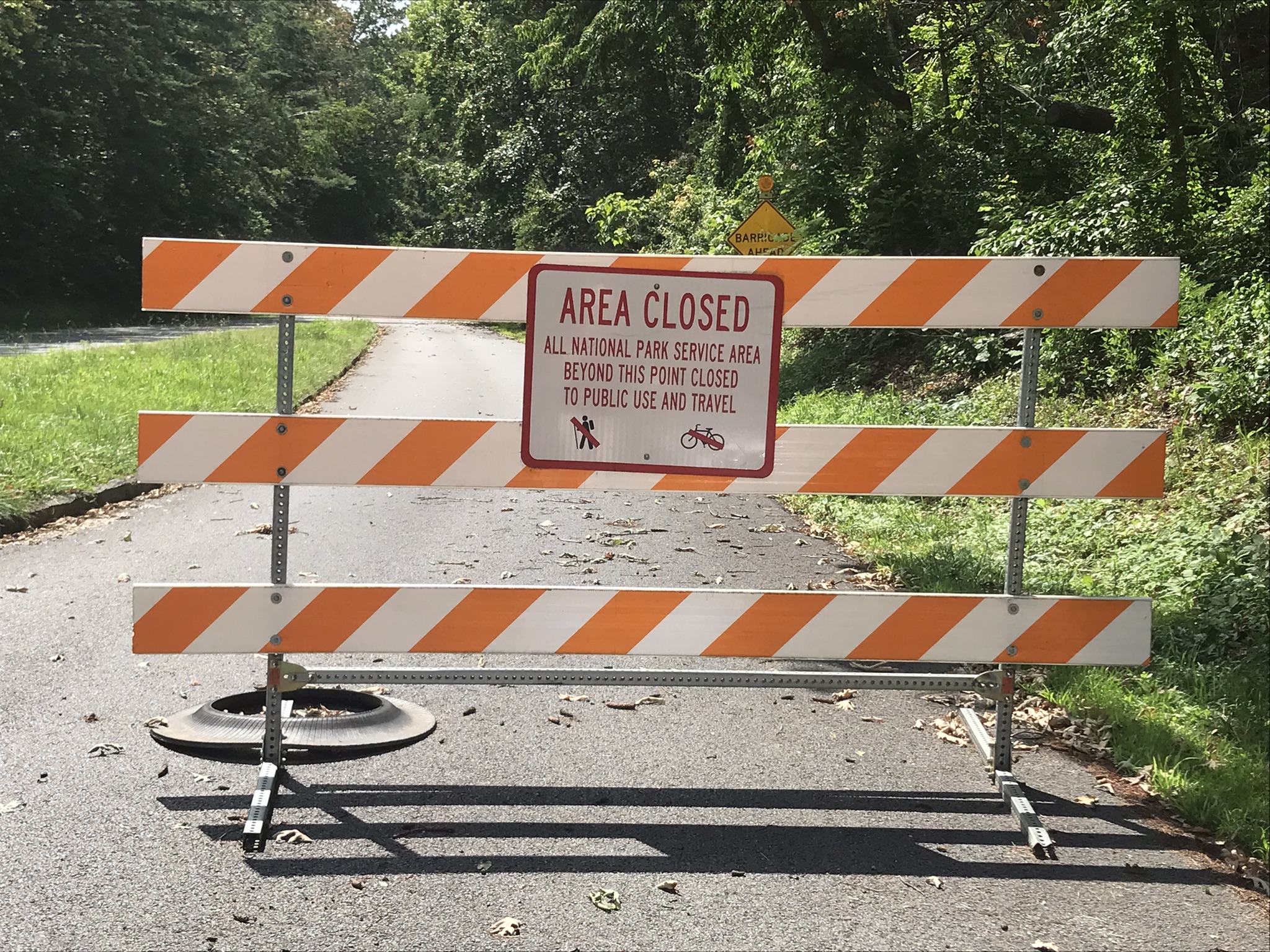
Sign blocking travel by car, bike, or on foot on National Park Service property on Blue Ridge Parkway at Asheville, NC, June 10, 2025
A road closure sign on the Blue Ridge Parkway in June 2025.

The thousands of us who are fans of the Blue Ridge Parkway can hardly wait for all of it to reopen. I’ve read hints that that might occur by the end of 2026.

One of my best vacations ever was a leisurely drive down the Blue Ridge Parkway from its beginning just southeast of Waynesboro, Virginia to its end near Great Smoky Mountains National Park in North Carolina. The wildflowers were spectacular and so varied all along the 469 miles!

Businesses in the affected areas continue to rebuild and reopen. Many had to relocate and many will not reopen. Brother Wolf Animal Rescue, which I have mentioned in earlier blog posts, is relocating to higher ground in Asheville. I understand that the town of Lake Lure is well on its way to reopening for the summer tourist season and the lake itself is expected to be back to full-pond stage in May.

The town of Chimney Rock, just a few miles up US-74 from Lake Lure, is still in recovery mode, as the little tourist village was almost wiped off the map by the hurricane.

Life in my part of the state quickly returned to normal after the hurricane, with only small pockets of flooding, but life and the landscape were changed forever in various hard-hit parts of the Appalachian Mountains in the western part of North Carolina.

Janet

The government should be afraid of its citizens, not the other way around.

War in Iran and My Second DIY Writing Retreat

Donald Trump and Israel started a war with Iran just after midnight Eastern Time on Saturday.          I say “Donald Trump” and not “the United States” because Trump did this without the blessing of the U.S. Congress. He did this after telling the American people that, if elected, he would not start a war.

This is the man who was furious over not being awarded the Nobel Peace Prize.

There must be “an imminent threat” against the American people for the U.S. President to take such an action. Democrat members of the U.S. Congress are furious and saying that intelligence reports indicated no such threat.

The U.S. Constitution gives the U.S. Congress the power to declare war. In this case, the Congress was not even informed that this was about to happen.

As I write this on Sunday night, Iran is retaliating by bombing numerous countries where the U.S. has military bases. Three U.S. military service members were killed and five seriously injured in a Iranian drone attack on a U.S. military base in Kuwait.

It has been reported that Lebanon has bombed Israel and Israel has bombed Lebanon.

No one knows what the near or far future holds as a result of this attack on Iran.

Trump says he joined Israel to take this action to save American lives – not today, but in the future. He expects the Iranian people, who are not organized and have few resources, to now waltz in and create a new government since the bombs have killed the supreme leader of Iran, the Ayatollah Ali Khamenei.

I don’t see that happening. It would be wonderful if the Iranians, who have suffered under a brutal regime for 47 years could take control of their government, but I fear they do not have the wherewithal to do that.

I see the U.S. mired in another endless war started on a whim by a man who dodged the draft five times during the Vietnam War.

By the time this blog post “goes live” eight hours from now at 5:00 a.m. Monday, Eastern Time, there is no telling what will have happened.

I’m a “night owl,” so I was still awake after midnight last Friday night when I learned that Trump and Israel had started this war in Iran. I had already planned my second DIY (Do It Yourself) Writing Retreat for Saturday afternoon.

It was difficult to turn off the TV and distract my brain from current events and focus on 1768 in North Carolina, but I managed to do that.

I needed to make a major change in my historical novel’s plotline. Research last week had uncovered a fact that changed the course of the story somewhat. That necessitated deleting many paragraphs, rewriting others, and juggling some scenes.

It was tedious work, but I committed to it for around six hours. The result was a net gain of 2,200 words – one of my most productive writing days. My word count stands at 60,000. I’m aiming for 90,000 words.

After accepting the fact last week that I am a binge writer and I cannot force myself to set daily business hours to work on my novel, freed me to stop feeling guilty for not working on it every day. I plan to schedule more DIY Writing Retreats in the near future as I continue to find a writing process that suits me.

I plan to blog about the last story – which is more of an essay – in my latest book, Traveling Through History: A Collection of Historical Short Stories, on Tuesday. I’ll just “wing it” after Tuesday, depending on what the coming days bring.

Janet

The government should be afraid of its citizens, not the other way around.
“Ghost of the Battle of Guilford Courthouse” – historical ghost story

The twelfth story in my book, Traveling Through History: A Collection of Historical Short Stories, is a story about a ghost from the American Revolutionary War.

Traveling Through History: A Collection of Historical Short Stories, by Janet Morrison

The story takes place in Greensboro, North Carolina in 1965, but it is about the ghost of a British soldier from the Battle of Guilford Courthouse which took place during the American Revolutionary War on March 15, 1781. It is my first (and possibly, last) ghost story.

Photo by Matt Briney on Unsplash

This story was inspired by some unexplained happenings at the condominium my sister and another teacher shared near the Guilford Courthouse Battleground in the 1980s.

None of us had any particular interest in ghosts until the commode upstairs would flush when no one was up there and even guests on occasion had the feeling that someone had entered their bedroom when there was no one to be seen. A can randomly falling off a pantry shelf was also unsettling.

I hope my ghost story will make you a little more knowledgeable about the Battle of Guilford Courthouse which was one of the last battles before Lord Cornwallis surrendered at Yorktown, Virginia.

There is a dog in the story for all you dog lovers.

Note: I made an error in the story. I originally had it set in the 1970s. At the last minute, I changed it to 1965. One of my 1970s characters called 9-1-1, and I forgot to change that when I shifted the story to 1965. It has been brought to my attention by an astute read and fellow writer that 9-1-1 emergency telephone service did not begin in the United States until 1968. My apologies. I try to have all details in my historical fiction writing to be accurate, but this one got past me.

If you missed any of my previous blog posts about the stories in Traveling Through History: A Collection of Historical Short Stories, here are the links: “The Tailor’s Shears” – Historical Short Story, “You Couldn’t Help But Like Bob” — historical short story, “To Run or Not to Run” – historical short story, “Making the Best of a Tragedy” – historical short story, “From Scotland to America” – historical short story, “Whom Can We Trust?” – historical short story, “Go fight, Johnny!” – historical short story, “A Letter from Sharpsburg” – historical fiction, “Slip Sliding Away” – historical short story, “Plott Hound Called Buddy” – historical short story, and “Secrets of a Foster Child” – historical short story.

Traveling Through History: A Collection of Historical Short Stories is available on Amazon, Barnes & Noble.com, or ask for it at your favorite independent bookstore. Stores that I know try to keep it in stock are Second Look Books in Harrisburg, NC; Highland Books in Brevard, NC; and Blue Ridge Books in Waynesville, NC.

I thank those stores and I thank you for supporting my writing!

Janet

The government should be afraid of its citizens, not the other way around.
“Plott Hound Called Buddy” – historical short story

The tenth story in my new book, Traveling Through History: A Collection of Historical Short Stories, is about a dog and the woman who befriends him.

I have loved dogs all my life, so I wanted to include a dog in at least one of the stories in my book. I thought about the noble Plott Hound – the State Dog of North Carolina.

Henry Plott, the son of immigrant from Germany, Johannes Plott, bred this particular hound dog to hunt black bears in the mountains in western North Carolina. Mr. Plott immigrated to North Carolina in 1750. The hound he developed is descended from the “Hanover hound” of Germany.

Mr. Plott was so successful that the Plott Hound was registered with the United Kennel Club in 1946, was recognized by the American Kennel Club in 2006, and was exhibited for the first time at the Westminster Show in 2008. It was named the official State Dog of North Carolina in 1989.

I know two of the descendants of Johannes Plott, so I have a special interest in this. Writing this story gave me an excuse to learn a little more about the Plott Hound. I hope you dog lovers will enjoy the story I wrote about “Buddy” and Lois, the retired teacher who took him in.

I wanted to include a picture of the Plott Hound, but I did not find a photograph that was in the public domain. There are several videos about the Plott Hound on YouTube. Here’s the link to one of them: https://www.bing.com/videos/riverview/relatedvideo?q=Plott+Hound&&mid=4493E23AF27D9EC24ACA4493E23AF27D9EC24ACA&FORM=VAMGZC or you can find other resources about the Plott Hound through a search engine.

Thank you for supporting my writing. Traveling Through History: A Collection of Historical Short Stories, is available from Amazon or ask for it at your favorite independent bookstore. It is available to libraries and bookstores through IngramSpark.

It can be ordered through my website, https://www.janetmorrisonbooks.com, by clicking on the Bookshop.org button. If you order the book via my website, as a Bookshop.org affiliate, I will get a small commission.

If you live in the Harrisburg area, ask for it at Second Look Books.

If you missed any of the previous nine blog posts about the stories in my book, here are the links: “The Tailor’s Shears” – Historical Short Story; “You Couldn’t Help But Like Bob” — historical short story; “To Run or Not to Run” – historical short story; “Making the Best of a Tragedy” – historical short story; “From Scotland to America” – historical short story; “Whom Can We Trust?” – historical short story; “Go fight, Johnny!” – historical short story; “A Letter from Sharpsburg” – historical fiction; and “Slip Sliding Away” – historical short story.

Tell your friends how they can find a copy of the book. If you and they enjoy it, a rating on Amazon or Goodreads will be greatly appreciated!

Janet

The government should be afraid of its citizens, not the other way around.
“Slip Sliding Away” – historical short story

With a possible major ice storm predicted here on January 24 and 25, and the accompanying possibility of power outages stretching into the week of January 26, I am scheduling this blog post on Thursday, January 22, to be published on January 27. Our power lines are not underground here, so ice storms wreak havoc with our electricity.

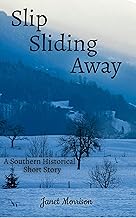
This post is about the ninth story in my historical fiction book, Traveling Through History: A Collection of Historical Short Stories. “Slip Sliding Away: A Southern Appalachian Short Story,” transports the reader to 1875 and an isolated cove in the southern Appalachian Mountains.

I originally wrote this story in the early 2000s. In fact, it was my first historical short story. It has gone through many revisions (and, hopefully, improvements!) since then. It is the story I offer as a free e-download on my website (https://www.janetmorrisonbooks.com) for subscribers to my e-newsletter. If you wish, you may do that to get a free for my fiction writing style.

In “Slip Sliding Away,” Hannah Johnson’s husband, Daniel, has seriously injured himself. A late spring blizzard sets in. Hannah retrieves an envelope of powder from her box of private treasures in the corner cupboard. She adds small amounts of the powder to her suffering husband’s tea as the night passes and she has no way to call for help.

Is she using the precious powder to ease his pain?

And what part does Daniel’s brother, James, play in this story? In fact, all of Daniel’s brothers play a part in this story as it progresses. Therein lies some humor in this otherwise serious subject matter.

You will have to read the story to find out about the powder and Daniel’s ragtag brothers.

How to get a copy of “Slip Sliding Away”

“Slip Sliding Away” is available as a standalone short story on Amazon. It is available in paperback and e-book on Amazon.

“Slip Sliding Away,” by Janet Morrison

Of course, I would be thrilled for you to purchase my book, Traveling Through History: A Collection of Historical Short Stories. “Slip Sliding Away: A Southern Appalachian Short Story” is one of more than a dozen stories in the book.

Traveling Through History is available in paperback from Amazon at (https://www.amazon.com/Traveling-Through-History-Collection-Historical/dp/B0FZSR6FPX/) and e-book at (https://www.amazon.com/Traveling-Through-History-Collection-Historical/dp/B0FZSR6FPX/.) 

Traveling Through History: A Collection of Historical Short Stories, by Janet Morrison

It is available in Harrisburg, North Carolina at Second Look Books, or you can order it from any independent bookstore in the U.S. by visiting my website (https://janetmorrisonbooks.com) and clicking on the Bookshop.org button. (Full disclosure, as an affiliate of Bookshop.org, I will receive a commission from any books you order through Bookshop.org by going through my website.)    

If you enjoy my books, please leave a brief review on such online sites as Amazon and Goodreads.

Janet

The government should be afraid of its citizens, not the other way around.
“Go fight, Johnny!” – historical short story

Once-a-week since November 25, 2025, I have blogged about a different story in my new book, Traveling Through History: A Collection of Historical Short Stories. Today’s post is about the seventh story in the book in which my great-great-great-great-grandfather, John Calvin McElwee, tells his granddaughter (my great-great-grandmother) about his experience the day that the Revolutionary War came to his family’s doorstep.

The Battle of Kings Mountain took place near the border of North and South Carolina on October 7, 1780. Hearing the first shots of the battle fired, John, his father, and one of his brothers ran from their house to join the battle. John was just 15 years old.

John, his brother, and their father are not listed in all accounts of the Battle of Kings Mountain, since they were not members of an organized military company that took part in the battle; however, they are mentioned in various publications.

It was fun to imagine my great-great-grandmother as a little girl sitting on her grandfather’s lap as he told her about his work as a weaver and what happened the day of the battle.

The McElwee’s house was on land that became part of Kings Mountain National Military Park and, therefore, the U.S. Department of the Interior had a draftsman measure and draw the house in detail. Having that information made the house come alive for me and made it easy for me to visualize how the family lived. Unfortunately, the house was demolished around 1934 when the land was acquired by the U.S. Government for the park.

How fortunate I am to have access to drawings and floor plans for my McElwee ancestors’ house from the mid-1700s!

This story is more creative nonfiction than short story. I could have created conflict within the family to make it more of a historical short story, but I chose not to embellish the facts of the family in that way. I hope you will enjoy it anyway.

In case you missed them here are the links to my blog posts about the first five stories in my book: “The Tailor’s Shears” – Historical Short Story; “You Couldn’t Help But Like Bob” — historical short story; “To Run or Not to Run” – historical short story; “Making the Best of a Tragedy” – historical short story; “From Scotland to America” – historical short story; and “Whom Can We Trust?” – historical short story.

Where to purchase Traveling Through History: A Collection of Historical Short Stories

Traveling Through History: A Collection of Historical Short Stories, by Janet Morrison

You can find my new short story collection on Amazon in paperback (https://www.amazon.com/Traveling-Through-History-Collection-Historical/dp/B0FZSR6FPX/)  and e-book (https://www.amazon.com/Traveling-Through-History-Collection-Historical-ebook/dp/B0FZQBMC2Q/.)

You can find the paperback at Second Look Books in Harrisburg, NC, or ask for it at your local independent bookstore. Bookstores can order it from IngramSpark.

If you purchase my book and enjoy it, please give it a rating on Amazon and write a brief review of it for that site or Goodreads.com. Also, recommend it to your friends!

Word of mouth publicity is the best! Thank you!

Hurricane Helene Recovery Update

As of January 2, 2026, the North Carolina Department of Transportation has reopened 90% of the roads damaged by Hurricane Helene in September 2024. Some 270 bridges and 870 culverts have been repairs or replaced. Twenty-four roads in the state remain closed due to the hurricane and, of course, I-40 in the Pigeon River Gorge near the Tennessee line is still just one lane in each direction and a 35 mile-per-hour speed limit for months, if not years, to come.

The total monetary cost of damages is estimated by the NC Department of Transportation to be $4.9 billion. The State of North Carolina has spent $2.7 billion so far and has been reimbursed $411.46 million by the federal government.

Other states, take note.

Janet

“Whom Can We Trust?” – historical short story

Once-a-week, since November 25, I have blogged about a different story from my new book, Traveling Through History: A Collection of Historical Short Stories.

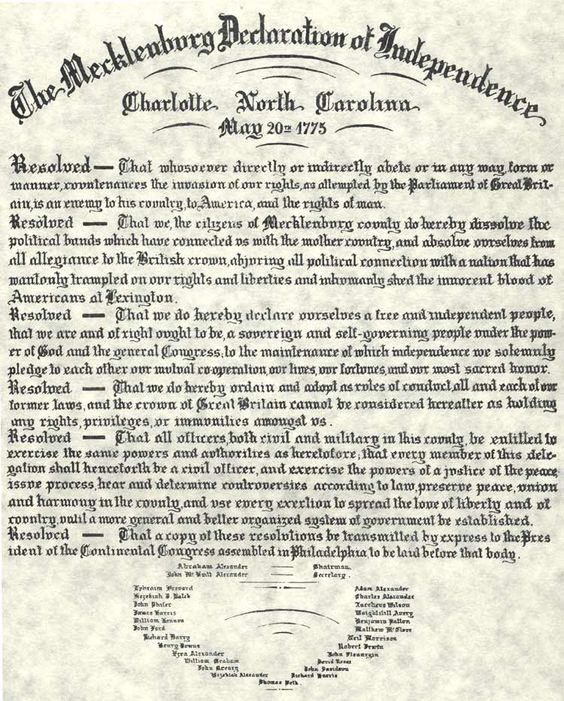
The sixth story in the book is “Whom Can We Trust? A Mecklenburg Declaration of Independence Short Story.”

Tradition tells us that Archibald and Maggie Sellers McCurdy built their log cabin in what is now Cabarrus County, North Carolina, in 1773. At that time, Cabarrus had not yet been formed out of the eastern part of old Mecklenburg County. Their house was on the National Register of Historic Places until vandals burned it down a few years ago. Sadly, I never did see the house, but I have seen photographs of it and detailed floor plans and exterior drawings have been preserved.

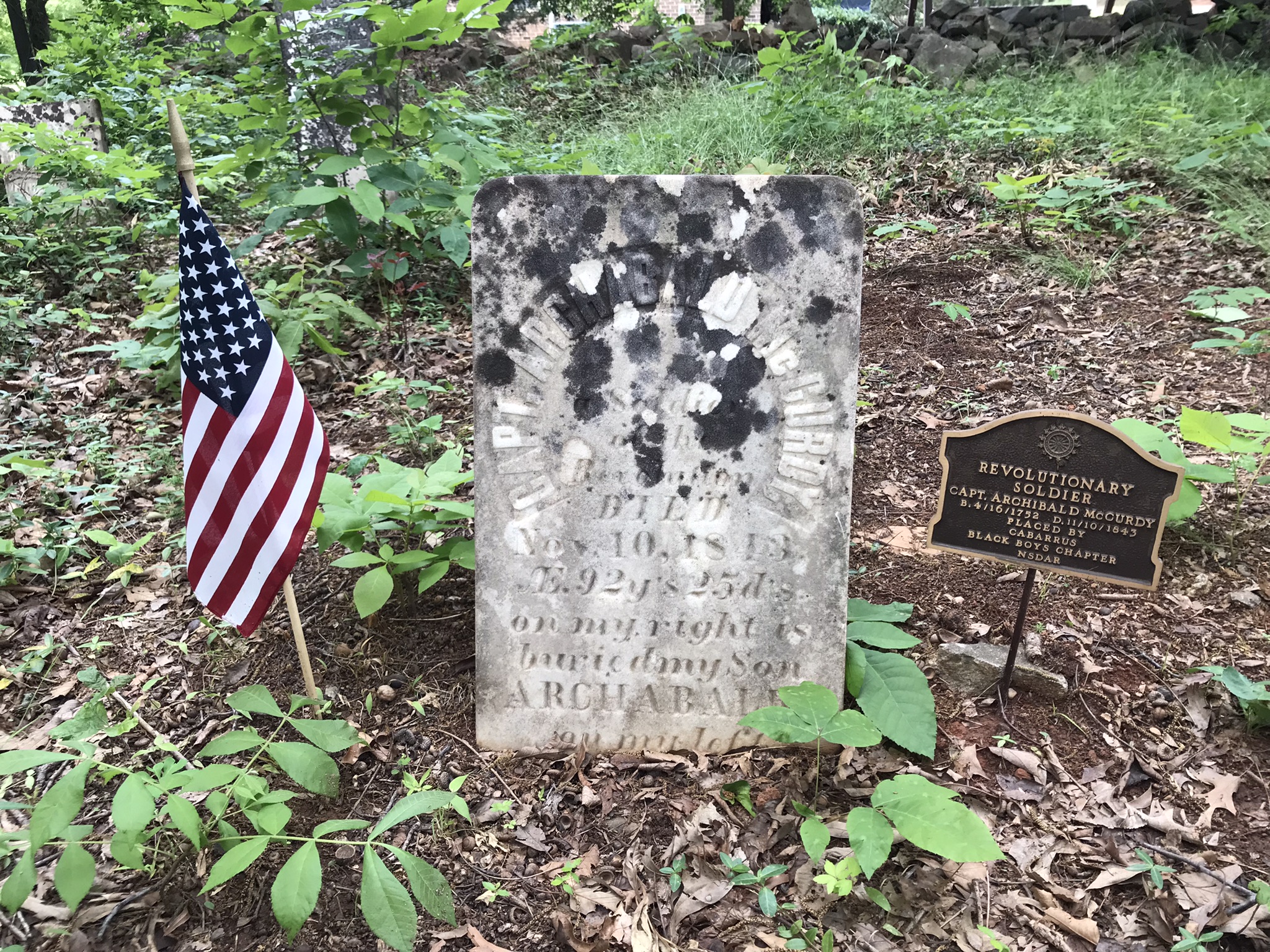
Archibald McCurdy’s gravestone at Spears Graveyard of Rocky Ri er Presbyterian Church, Cabarrus County, North Carolina

Those drawings and photographs made it easy for me to imagine the McCurdys’ lives. Theirs are names I’ve heard all my life. Archibald was a foot solider in the militia during the Revolutionary War. Maggie was a patriot in her own right, as she earned the name “She-Devil” by the British and Tories. I explain a couple of her feats in the Author’s Note at the end of “Whom Can We Trust?”

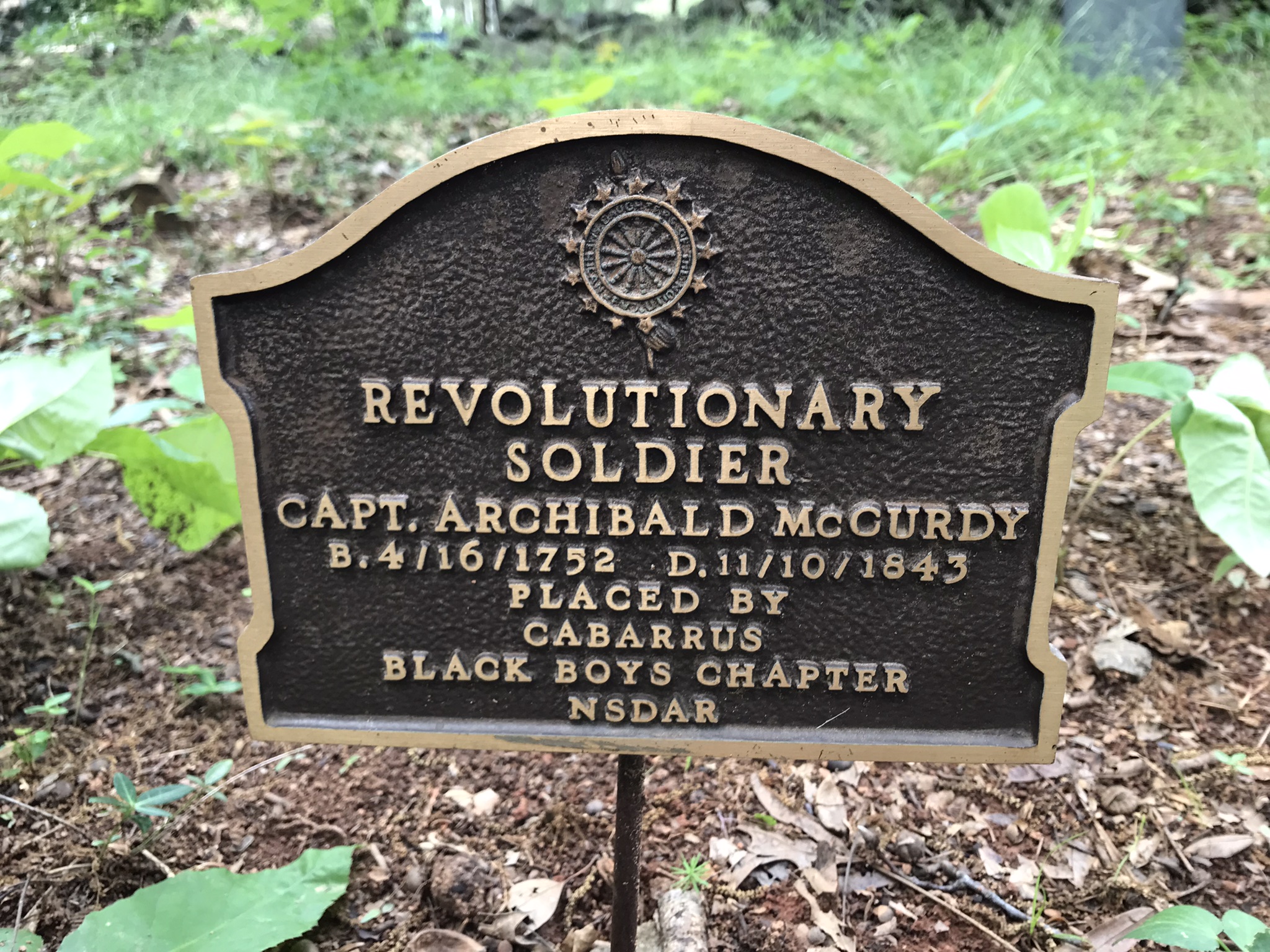
Marker placed at Archibald McCurdy’s grave by the Daughters of the American Revolution

The story is set in May 1775 at the time of the signing of the Mecklenburg Declaration of Independence. I was inspired by a story I’ve heard all my life about what Archibald McCurdy did on the day that document was signed.

In case you missed them here are the links to my blog posts about the first five stories in my book: “The Tailor’s Shears” – Historical Short Story, “You Couldn’t Help But Like Bob” — historical short story, “To Run or Not to Run” – historical short story, “Making the Best of a Tragedy” – historical short story, and “From Scotland to America” – historical short story.

Where to purchase Traveling Through History: A Collection of Historical Short Stories

You can find my new short story collection on Amazon in e-book (https://www.amazon.com/Traveling-Through-History-Collection-Historical-ebook/dp/B0FZQBMC2Q/)  and paperback (https://www.amazon.com/Traveling-Through-History-Collection-Historical/dp/B0FZSR6FPX/.)

You can find the paperback at Second Look Books in Harrisburg, NC, or ask for it at your local independent bookstore. Bookstores can order it from IngramSpark.

Janet

“From Scotland to America” – historical short story

Since November 25, I’ve blogged once-a-week about one of the stories in my new book, Traveling Through History: A Collection of Historical Short Stories. The fifth story in the book is “From Scotland to America: A 1762 Immigration Story.”

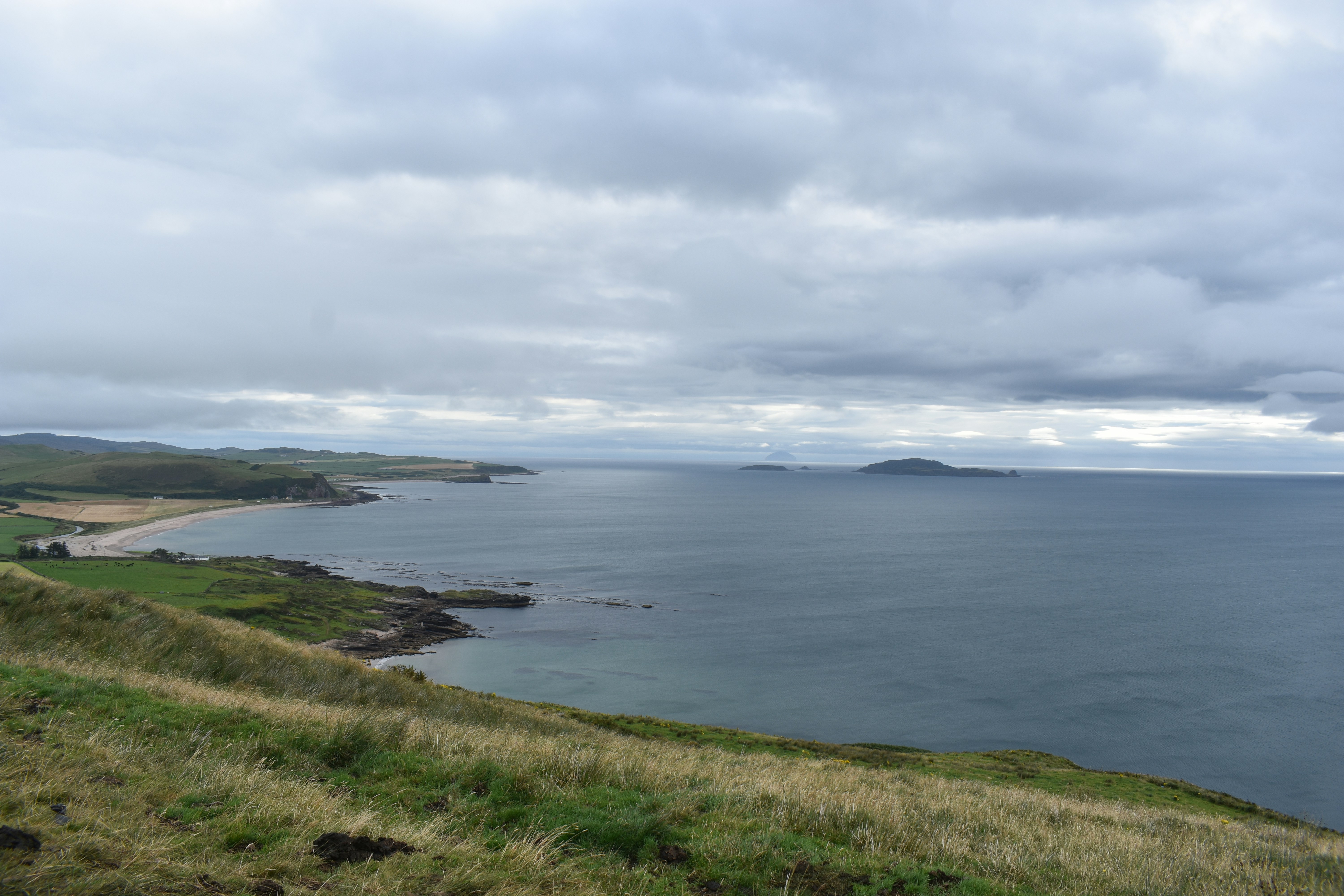
Somewhere on the Kintyre Peninsula of Scotland. Photo by Andrew Hall on Unsplash. (Andrew, we might be cousins!)

I know baptismal dates and marriage dates for my ancestors in Campbeltown and Southend, Scotland, but I don’t know when the three brothers set sail to America. I don’t know how long they lived in Pennsylvania before taking the Great Wagon Road south to the Rocky River Community in present-day Cabarrus County, North Carolina, but I had fun imagining their journey for this short story.

I’m privileged to live on a little piece of land that has passed down through seven generations to my sister and me from the 1760s. We’ve been to Scotland and visited the farms where they were tenants of the Duke of Argyll in the late 1600s and early 1700s. I feel a bond with them. Writing “From Scotland to America” was one small way for me to pay homage to them. I grew closer to them as I pondered their lives, what they saw, what they did, how they must have marveled at “the New World” and how they must have missed their homeland and living by the sea.

This story is entirely fiction except for their names, where they lived in Scotland, and from whom my great-great-great-great-grandfather purchased his first piece of land in North Carolina.

The three brothers came from a place where no common people owned their own land, so it must have been an unimaginable accomplishment to come to America and purchase land. That was something none of their ancestors could have done!

In case you missed them here are the links to my blog posts about the first four stories in my book: “The Tailor’s Shears” – Historical Short Story; “You Couldn’t Help But Like Bob” — historical short story; “To Run or Not to Run” – historical short story; and “Making the Best of a Tragedy” – historical short story.

Where to purchase Traveling Through History: A Collection of Historical Short Stories

Traveling Through History: A Collection of Historical Short Stories, by Janet Morrison

You can find my new short story collection on Amazon in e-book (https://www.amazon.com/Traveling-Through-History-Collection-Historical-ebook/dp/B0FZQBMC2Q/)  and paperback (https://www.amazon.com/Traveling-Through-History-Collection-Historical/dp/B0FZSR6FPX/.)

You can find the paperback at Second Look Books in Harrisburg, NC, or ask for it at your local independent bookstore. Bookstores can order it from IngramSpark.

Don’t forget to look for my other books, all available on Amazon: I Need The Light! 26 Weekly Devotionals to Help You Through Winter; I Need The Light! Companion Journal and Diary; The Aunts in the Kitchen: Southern Family Recipes (compiled along with my sister, Marie); Harrisburg, Did You Know? Cabarrus History, Book 1; and Harrisburg, Did You Know? Cabarrus History, Book 2.

The following genealogy books that my sister and I compiled are available through my website (https://www.janetmorrisonbooks.com): Descendants of John & Mary Morrison of Rocky River; Descendants of James & Jennet Morrison of Rocky River; and Descendants of Robert & Sarah Morrison of Rocky River.

By the way, don’t forget the people of Ukraine and their struggle to remain a free and independent nation.

Janet

“To Run or Not to Run” – historical short story

The fictional character I’m introducing to you today is George. He is a slave in South Carolina in the mid-1700s in the third story in Traveling Through History: A Collection of Historical Short Stories, “To Run of Not to Run.”

When you meet George, he is a young boy. He and his father, who was born in Senegal, have just been sold and are being taken from Camden to the Waxhaws.

Photo by Asso Myron on Unsplash

Here’s an excerpt from when George and his father are in the back of a wagon being taken to their new living situation in the Waxhaws:

“George sensed his father was tiring of his questions, so he shut his eyes tight and tried to turn off his mind. But the harder he tried not to think, the more questions flooded his head. The ones that kept crowding out all the others were ones he knew not to ask because he was afraid his papa did not know the answers. When will we see Mama again? When are we going to be free?

You will follow George as he has a lot to learn and grows up fast. His new master’s son is about his age. Therein forms a dynamic that will ultimately be further developed in the historical novels I am planning and writing.

Remember George. He is a character who grew out of my imagination and has never let me go. I don’t think he will let you forget him either.

Getting into the skin, brain, and soul of a young boy with black skin who is living as a slave in America in the mid-1700s allowed me to stretch my imagination in ways that my other fictional characters did not.

In case you missed my November 24 and December 1 blog posts about the first two stories in Traveling Through History: A Collection of Historical Short Stories, here are the links: “The Tailor’s Shears” – Historical Short Story and “You Couldn’t Help But Like Bob” — historical short story.

Where to purchase Traveling Through History: A Collection of Historical Short Stories

You can find my new short story collection on Amazon in e-book and paperback. You can find the paperback at Second Look Books in Harrisburg, NC, or ask for it at your local independent bookstore.

Hurricane Helene Recovery Update

I haven’t offered a Hurricane Helene recovery update since my November 3 blog post.

As of Friday, December 5, 25 roads in North Carolina were still closed due to Hurricane Helene’s wind, flooding, and landslides on September 26, 2024. That is a decrease of six roads since a month ago. There are three U.S. highways, two State highways, and 20 state roads closed more than 14 months after the hurricane.

In Tennessee… as of Tuesday, December 2, U.S. 321in Elk Mills, in the Watauga Lake area, is officially reopened since being heavily damaged by the hurricane.

Sections of the Blue Ridge Parkway in North Carolina will remain closed until at least next fall, and I-40 at the Tennessee line will continue to be just two lanes at 35 miles-per-hour for a couple more years while five miles of the highway are being rebuilt in the Pigeon River Gorge.

The following success story was cut and pasted from a U.S. Forest Service – National Forests in North Carolina Facebook post on December 3, 2025:  “Two decades ago, after Hurricane Frances and Ivan, our ecosystems team saw how erosion could unravel an entire ecosystem. Brady Dodd, hydrologist for the National Forests in North Carolina, developed and executed a plan to reshape eroded riverbanks, plant riparian flood resistant species and add erosion prevention structures. After Helene arrived, the banks held, and the water ran clear due to the work that had been done years prior. This story serves as a model to our forests as we continue to build resilience into each of our Helene recovery projects.”

We’ve gone from fall leaf season to snow ski season in western North Carolina since my last update. Be aware that you might run into a detour, and you can’t drive the full length of the Blue Ridge Parkway.

If you visit, please drop by Blue Ridge Books in Waynesville and Highland Books in Brevard. Tell them I sent you. They sell my books!

Janet