#OnThisDay: Plessy v. Ferguson, 1896 & Lessons for Us

Plessy v. Ferguson is one of those landmark U.S. Supreme Court cases we would like to forget. Put it behind us. Consider it ancient history from the 19th century.

Not so fast.

We have something to learn from Plessy v. Ferguson today, 130 years after the ruling.

Background

To refresh your memory from history or political science class, Homer Plessy was a man of mixed race. That meant, under the law in the United States, he was considered Black. Though reportedly seven-eighths white, he was not permitted to ride in a “whites-only” railroad car in New Orleans. The Louisiana State Legislature had passed a Separate Car Act in 1890. That law required separation train cars for white and Black passengers.

In 1891, a group of Black men in New Orleans formed “Citizens’ Committee to Test the Constitutionality of the Separate Car Law.” Bolstered by a May 15, 1892 ruling by the Louisiana State Supreme Court in favor of the Pullman Company, the Committee decided to test the law in interstate travel. On June 7, 1892, Mr. Plessy purposely took a seat in a whites-only rail car on the East Louisiana Railroad to test the law.

What happened to Mr. Plessy

Mr. Plessy was arrested for boarding a “whites-only” train car. His defenders in court argued that the Separate Car Act of 1890 violated the 13th and 14th Amendments to the U.S. Constitution.
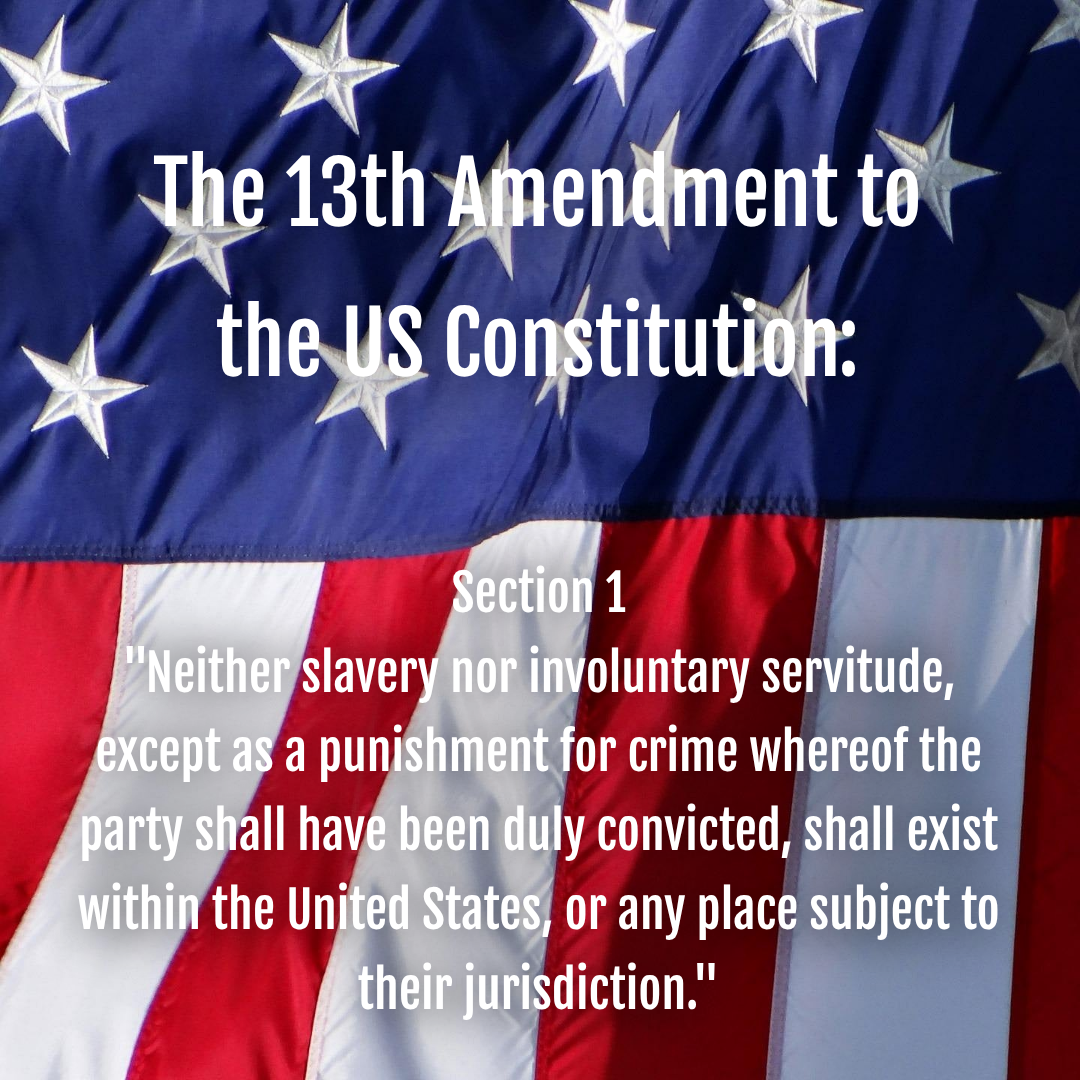
Section 1, 13th Amendment
to the U.S. Constitution

When Mr. Plessy’s case went to District Court, the judge was John H. Ferguson. Judge Ferguson denied a request to dismiss the case and then ruled that the Louisiana Separate Car Act of 1890 was constitutional because the State had the authority to regular public accommodations.

The Louisiana Supreme Court upheld the lower court’s decision, and Mr. Plessy took his case to the U.S. Supreme Court. Surely, that august body would see that the Louisiana law was unjust, discriminatory, and unconstitutional.

After all, the 13th Amendment had abolished slavery in the United States in 1865, and Section 1 of the 14th Amendment, which was ratified in 1866, not only extended citizenship to former slaves but also state, “No State shall make or enforce any law which shall abridge the privileges or immunities of citizens of the United States; nor shall any State deprive any person of life, liberty, or property, without due process of law; nor deny to any person within its jurisdiction the equal protection of the laws.”

Mr. Plessy and his lawyers maintained that the Separate Car Act on 1890 was unconstitutional under the last phrase in Section 1 of the 14th Amendment.
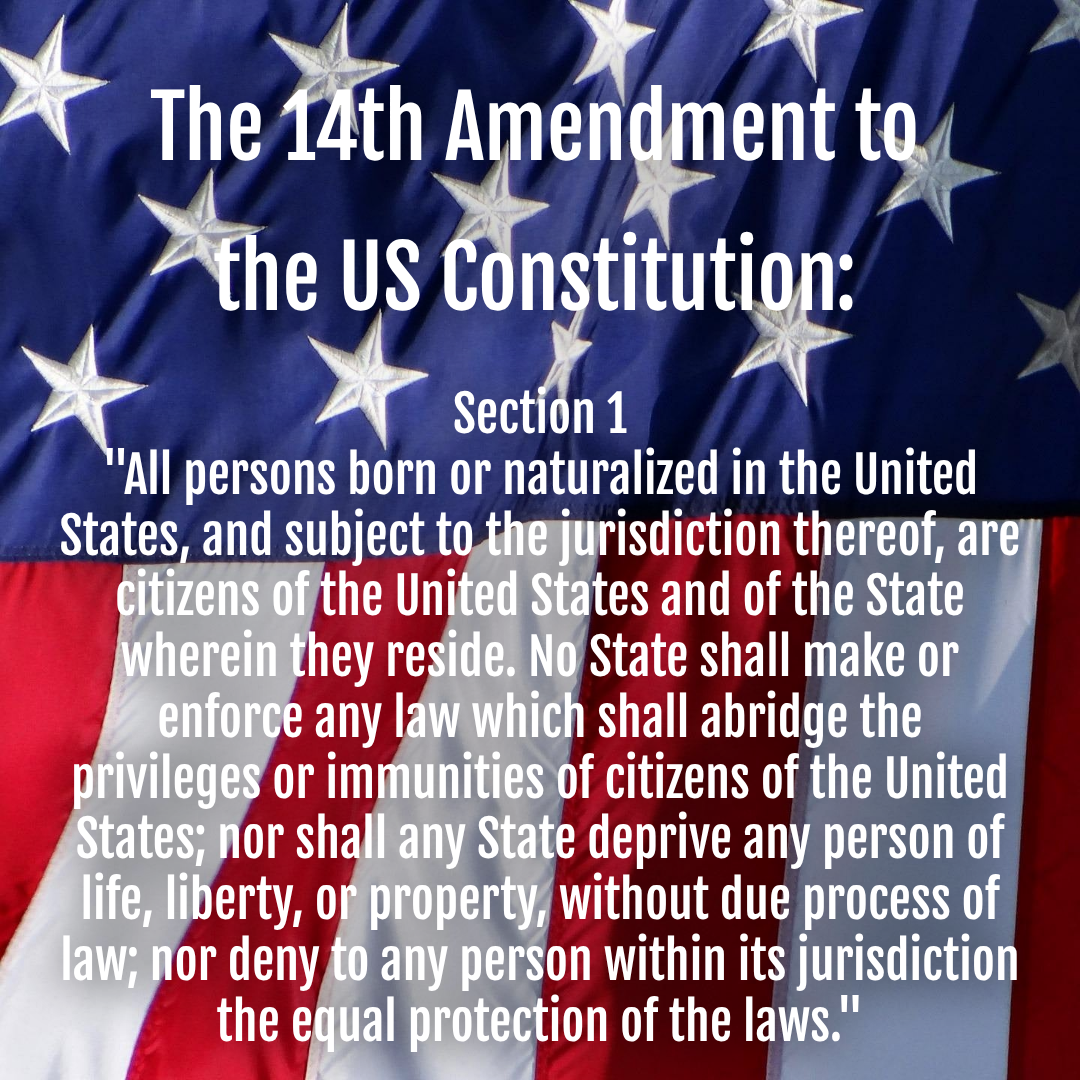
Section 1, 14th Amendment
to the U.S. Constitution

The ruling

In a 7-1 decision, the U.S. Supreme Court ruled on May 18, 1896, that the State law in Louisiana was constitutional because it provided “separation but equal” accommodations for white and Black passengers.

That famous “separate but equal” wording is what took the United States down a terrible road of discrimination for the next 70 years.

It paved the way for “Jim Crow” laws. It made racial segregation in public education, in public conveyances, restaurants, lodging, etc. lawful.

The “separate but equal” doctrine stood until the Brown v. Board of Education U.S. Supreme Court case in 1954 and the Civil Rights Acts in the 1960s. (The Brown v. Board of Education ruling, ironically, was handed done in a 9-0 decision on May 17, 1954, just one day shy of the anniversary of the Plessy v. Ferguson decision.)

We all know now that “separate but equal” was never equal; it was just separate. That doctrine became the umbrella and shield for untold acts of discrimination and violence until the late 1960s.

Who cast the dissenting vote?

Associate Justice John Marshall Harlan was the lone dissenter in the Plessy v. Ferguson ruling. Although he came from a slave-holding family in Kentucky, Justice Harlan often cast the dissenting vote in civil rights cases that went before the U.S. Supreme Court. He sat on the Court from 1877 until 1911.

Lessons to be learned from Plessy v. Ferguson in 2026

If I had penned this blog post a couple of years ago, it probably would have ended there. Just a nice little history lesson. Just the facts of the case and the final ruling.

But I’m writing this in mid-May 2026, and that 1896 U.S. Supreme Court case has taken on a whole new significance.

As in 1896, in 2026 we have a U.S. Supreme Court majority who tend to be constitutional textualists or literalists, meaning they usually view the Constitution and laws as the people at the time of a law’s enactment would have interpreted it and not necessarily taking into account the spirit of the law.

In my six years of studying political science in college, I was taught to study the time and letter of the law but to look for the spirit of the law.

I offer a current example of how some people now want to interpret the 14th Amendment as applying only to the people who had been slaves prior to and during the American Civil War. They argue that the 14th Amendment does not grant citizenship to everyone who just happens to be born in the United States. They don’t want the 14th Amendment to apply to the children of undocumented immigrants. Trust me. We have not heard the last of that argument.

Just a couple of weeks ago, the U.S. Supreme Court essentially dismantled the Voting Rights Act of 1965. As a result, state legislators are falling all over each other to redraw Congressional District boundaries. They feel emboldened to eliminate majority Black or Democrat districts before this November’s mid-term elections.

This is history repeating itself. The hurried gerrymandering and shifting of Congression District lines in 2026 is in many ways a mirror image of the Jim Crow laws of the late 1800s.

Why is it that we don’t learn from history? Or perhaps a more accurate question is “Why do we only learn how to repeat the harmful things from our history?”

The Roberts court is taking us down a road of easier corruption in politics (Citizens United v. Federal Election Commission, 2010), less accountability for the U.S. President (Trump v. United States, 2024), and an attempted erasure of all the progress our country made in racial relations and equality in the 60 years following the Voting Rights Act of 1965 (Louisiana v. Callais, April 29, 2026).

The racial discrimination the U.S. Supreme Court is fomenting by its Louisiana v. Callais decision a couple of weeks ago is far-reaching and should send chills done the spine of every American.

The lesson for us to learn from the last 16 years of U.S. Supreme court decisions, un-checked Presidential powers, and a U.S. Congress that acts more like a lap dog than a co-equal branch of the federal government is that our rights and the “guarantees” we have in our laws and U.S. Constitution are no more secure than the paper they are written on.

Every week I learn that more protected federal lands set aside generations ago for wildlife and the preservation of the natural world are being trashed by our own elected officials. It’s being done quietly, of course, because they don’t want us to know. If they were proud of what they’re doing, they’d be making grand announcements.

I assumed the East Wing of the White House would be there forever. I assumed national parks and wildlife refuges were permanently protected.

The U.S. Constitution is a living and breathing document. It will always be up for discussion, debate, and amending. That’s the beauty of it, but it also makes it fragile and vulnerable to the whims of Presidents and others who wish to test it.

The Preamble to the U.S. Constitution

Democracy is more fragile than I realized.

Janet

The government should be afraid of its citizens, not the other way around.

Things I Learned from How the Word is Passed – Part II

Last week’s blog post, Things I Learned from How the Word is Passed – Part I  covered some of the things I learned about Monticello Plantation and the Whitney Plantation from How the Word is Passed: A Reckoning with the History of Slavery Across America, by Clint Smith. Today I share with you some of the things I learned about Angola Prison, Blandford Cemetery, and New York City from the book.

There was just too much information in this book to give it appropriate time in one or two blog posts, so I’ll wrap this up next Monday. Needless to say, I highly recommend the book. I’m just hitting the high points in my blog posts.


Angola Prison

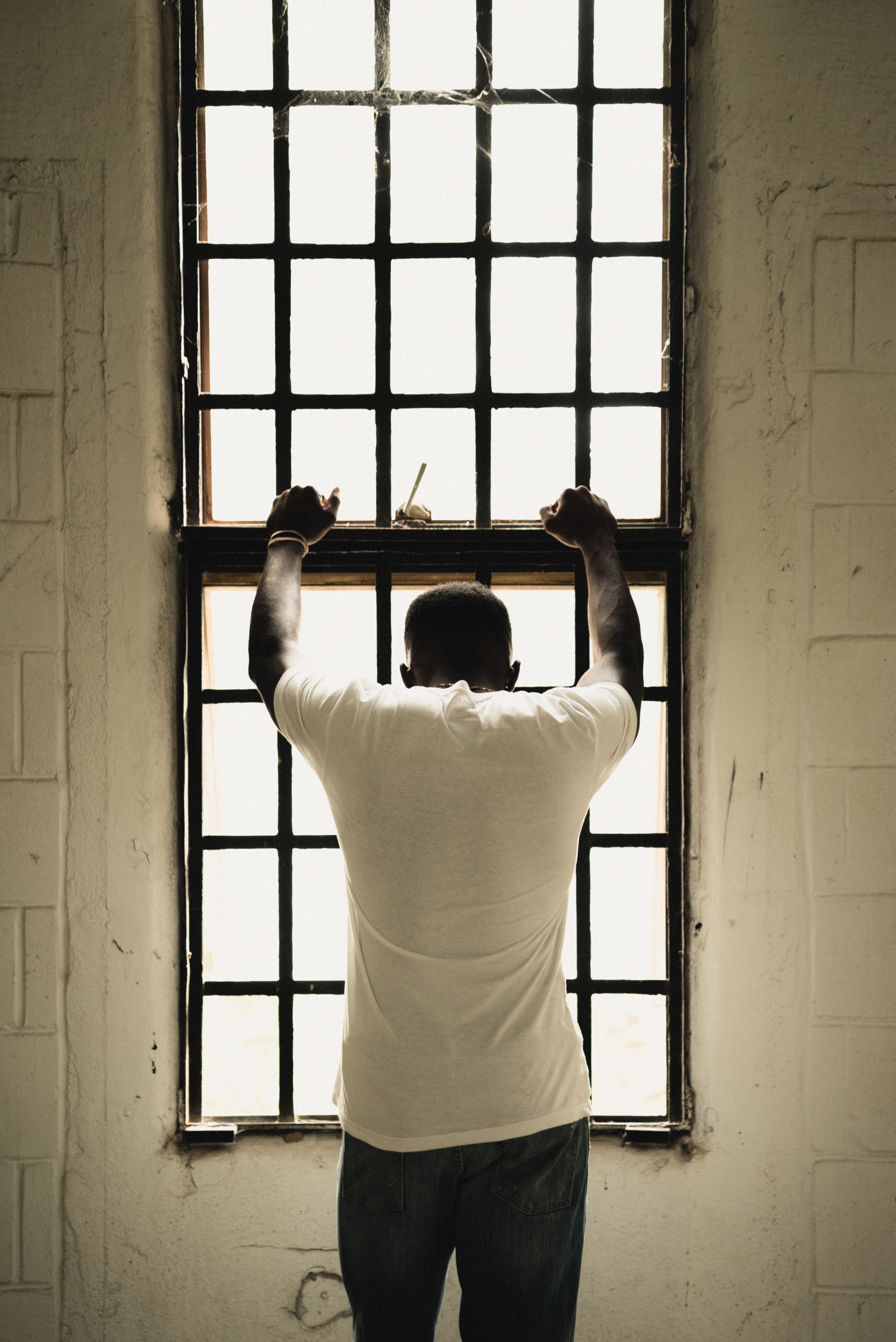
The Louisiana State Penitentiary is known by many as Angola Prison. The author was accompanied to the prison by a Black man, Norris, who spent almost 30 years imprisoned there for a crime he didn’t commit. He wants to show people the connection between Whitney Plantation and Angola Prison.

Norris said if we want to end mass incarceration, we must get at the history of it, the reason it still exists, and what that looks like.

Photo credit: Karsten Winegeart on unsplash.com

After the Civil War there was a change in policy in Louisiana not to require unanimous jury convictions. It was meant to funnel Blacks into the convict leasing system. Convict leasing partly replaced the labor force lost when slavery ended. The 13th Amendment to the U.S. Constitution allows involuntary servitude as a punishment for crimes committed. Under the convict leasing program, prisoners (mostly Black) could be rented out to individuals and companies. Railroads, plantations, and businesses took advantage of the program. Due to the program, most Angola inmates leased out lived no more than six years because the leasing assignments were often gruesome.

The book goes into more detail about how the laws governing juries changed over the decades, not always to the good.

The author (and I) found it interesting that the tour of Angola Prison begins in the gift shop. A gift shop at a state penitentiary. Such things as shot glasses, sunglasses, and T-shirts with the name of the prison on them are sold.

There is no mention in the prison museum that the place used to be a plantation.

I visited the prison’s website last week and was struck by how it is presented as a tourist destination. I don’t know about you, but when I go on a vacation it never occurs to me to work an operational prison tour or prison rodeo – I’m not making that up! – into my agenda.


Blandford Cemetery

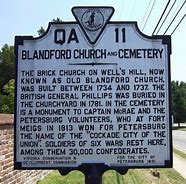
Blandford Cemetery is in Petersburg, Virginia. It started as the cemetery for Blandford Anglican Church. It was deconsecrated in 1806 when the congregation decided to move to a more central location. After the Civil War a group of southern women were distressed over how their dead soldiers weren’t being honored like the Union soldiers. There was a 15-year effort to dig up Confederate dead and send them home for reburial, but 30,000 of the 32,200 could not be identified and they remain at Blandford.

Historical marker at Blandford Church and Cemetery, Petersburg, Virginia

The City of Petersburg gave the Ladies Memorial Association the abandoned church as a focal point for the cemetery. They commissioned Tiffany Studios to design stained-glass windows but couldn’t afford the usual $1,700 per window price. They couldn’t afford the $300 per window discounted price, so they went to the Confederate and border states and told them to raise the money. Saints are depicted in 11 of the 13 windows. There are state seals and inscriptions tying the Confederate dead to such things as “the Army of Heaven” in the case of South Carolina.

Before leaving Blandford, the author had an opportunity to talk to the woman in charge there. She seemed uncomfortable fielding his questions and appeared to be uncomfortable that a stack of flyers advertising a Memorial Day event hosted by the Sons of Confederate Veterans that was easily visible on the counter.

This chapter also included some facts and theories about Robert E. Lee.

The author closes the chapter by wondering if we’re all “just patchworks of the stories we’ve been told. What would it take – what does it take – for you to confront a false history even if it means shattering the stories you have been told throughout your life? Even if it means having to fundamentally reexamine who you are and who your family has been? Just because something is difficult to accept doesn’t mean you should refuse to accept it. Just because someone tells you a story doesn’t make that story true.”

To me, that is the unspoken theme of the book.


New York City

Like me, you might have wondered why there is a chapter about New York City in How the Word is Passed.

This chapter is a real eye-opener! As with all the other chapters, I learned more from this chapter than I can possibly include in this blog post.

The author went to the National Museum of the American Indian for a walking tour about slavery and the Underground Railroad. The guide began by telling participants that many things she was going to tell them would make them uncomfortable but that would be all right. We learn by having our beliefs and our misinformation questioned. (I loved this woman already and I wasn’t even there!)

The tour included lots of general facts about slavery. The guide explained that slavery in the United States was different from slavery throughout world history. Historically, people were enslaved after taken prisoners of war or in payment of a debt. These enslavements were usually for a limited time and rarely involved the descendants of the enslaved. Slavery in the U.S. was based on racism and the widely-held belief in Europe that Africans were genetically inferior or subhuman. Skin pigmentation was the defining factor

Owning land and things was a European concept. The Dutch brought the first African slaves to the U.S. (present-day New York City). Eventually, some of the slaves were freed and given land. They weren’t gifted land due to the benevolence of the Dutch, though. The Dutch wanted Blacks to serve as a buffer between them and the Indians.

The British took over New York City in 1664. “According to historian David Brion Davis, around 40 percent of households in British Manhattan owned enslaved people. The practice of keeping female slaves in town to care for homes and white children and sending male slaves outside the city for agricultural work resulted in the slaves not having many children. In turn, this made the transatlantic slave trade more necessary for economic purposes.

In 1712, there was a slave uprising in New York. In it, 25 to 50 slaves killed nine white people. The result? “More than seventy Black people were arrested, forty-three brought to trial, and twenty-three executed – some hanged and others burned at the stake.”

Just before the American Revolution, there were 3,000 slaves in New York City and another 20,000 within 50 miles of Manhattan.

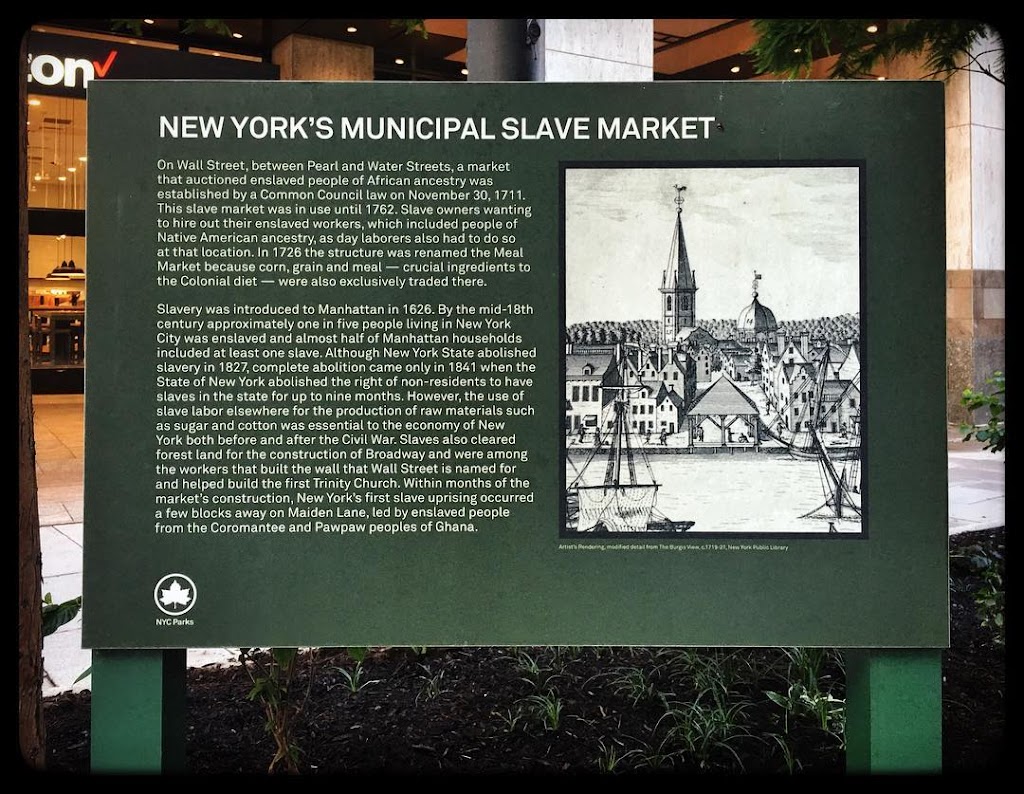
The second largest slave market in the United States was on present-day Wall Street between Pearl and Water Streets in Manhattan, New York City. Did you know that? I certainly didn’t! (The largest slave market in the country was at Charleston, South Carolina.)

Photo credit: https://readtheplaque.com/plaque/new-york-s-municipal-slave-market

Thinking about the banks he could see from the site of the slave market, Mr. Smith delved a little deeper. He discovered the predecessors of several of the largest banks in the United States had accepted slaves as collateral for debts.

The author’s tour guide said, “ʻOne of the biggest lies we are still telling in this century – and I know because I’m trying to combat it – [is that] during the Civil War we were the good guys, right? New York City was good. Everybody else in the South, they were bad.’”

I think that’s a good place for me to stop sharing what Mr. Smith had to say about New York City, although I could go on about such things as the Underground Railroad, a huge slave and free Black cemetery that’s been built over, and the predominately Black village that was destroyed so Central Park could be built.


Since my last blog post

I continue to work on biographical sketches of the characters in my novel. I’ve taken a couple of days off from my writing project this week. I tend to get too serious about my self-inflicted to-do lists. I’m trying to lighten up on myself.

Friday night I worked on genealogy, one of my favorite hobbies. I found lots of interesting information on Ancestry.com. Now, all (Ha ha!) I have to do is make sure I can duplicate the research these other people have done before I add it to my family tree. The problem with genealogy is with every new generation you discover, you want to add another one. This hobby is never finished.

Until my next blog post

I hope you have a good book to read.

My blog post next Monday with be about Galveston Island, Goree Island, and the Epilogue in How the Word is Passed, by Clint Smith.

Janet